


Diet for Radiation Patients – Guidance on what to eat and foods to avoid during radiation therapy





Last updated on 21 Mar 2026
Key Takeaways
|
Radiation therapy places significant demands on the body. This increases the risk of malnutrition if you do not pay close attention to what you eat. A well-planned diet before, during, and after radiation therapy prevents weight loss, rebuilds strength, and supports healthy tissue repair.
Now, one must be careful, since everyone's health status, cancer type, and response to treatment differ. This means that the dietary plan should reflect the individual's needs.
Here is a practical guide to help radiation patients understand what to eat, what to avoid, and how to make nutrition work in their favour throughout treatment.
What to Eat During Radiation Therapy?
According to ICMR estimates. India reported 1.46 million new cancer cases in 2022, and this number is projected to reach 2 million annual cases by 2025.
1. Protein-Rich Foods
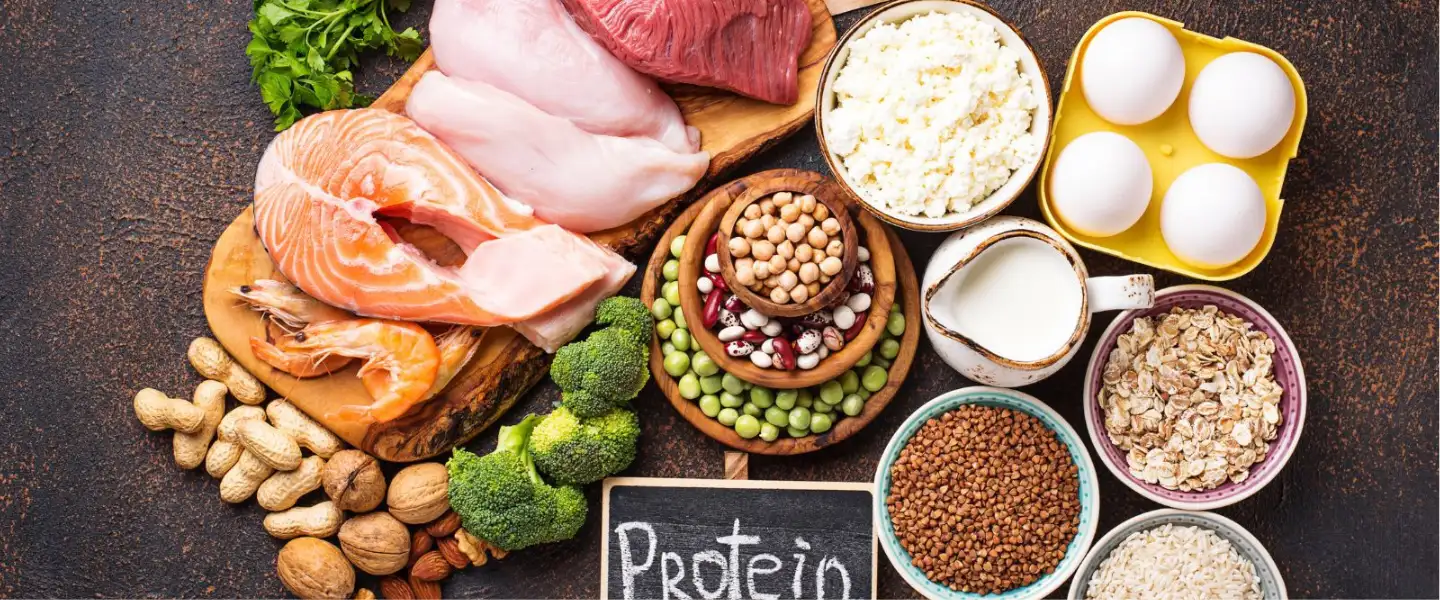
Protein plays a central role in maintaining strength and repairing tissues damaged during radiation. Include fish, lean meat, poultry, and dairy products such as milk, cheese, and yoghurt in your daily meals. Eggs, beans, lentils, and soy-based foods also provide excellent protein sources for those who prefer plant-based options.
If your appetite drops significantly, ask your healthcare professional about nutritional beverages or protein powders that align with your treatment plan.
2. High-Calorie Foods

Radiation therapy increases the body's energy demands, so choose a calorie-rich diet. This will help you maintain a healthy weight and sustain energy through treatment. Carbohydrates and healthy fats supply the bulk of these calories. A few good options for the sources of good carbohydrate sources are:
Fruits
Potatoes
Corn
Rice
Oatmeal
Beans
Peas
Milk, among others.
Healthy fats come from:
Butter
Oils
Nuts
Seeds and full-fat dairy products.
3. Vitamins and Minerals
Vitamins and minerals support healthy cell growth, help the body convert food into energy, and keep the immune system functioning during treatment. A balanced diet with adequate calories and protein typically provides enough of both. Prioritise fruits and vegetables high in vitamins and antioxidants, such as:
Oranges
Strawberries
Papaya
Broccoli
Red peppers
Spinach, among others.
4. Soft and Easy-to-Swallow Foods
Patients receiving radiation for head or neck cancer frequently experience dry mouth, mouth soreness, throat irritation, or difficulty swallowing. One must pay attention not to choose hard (to bite or chew) food items. Instead, choose soft, easily managed foods to reduce discomfort at mealtimes. Some of the options to choose from are:
Cooked rice
Oatmeal
Soft-boiled eggs
Soups and mashed vegetablesamong others.
5. Adequate Fluids

It is important to hydrate oneself with three to four litres of water and fluids daily throughout your treatment. Staying well hydrated becomes particularly important if you experience vomiting, diarrhoea, or constipation as side effects. Clear liquids such as caffeine-free tea, clear apple juice, coconut water, and light soups all contribute to your daily fluid intake alongside water.
Nutrition Tips to Follow During Radiation Therapy
The Indian Association of Parenteral and Enteral Nutrition (IAPEN India) Consensus Guidelines on Nutrition in Oncology Clinical Practice state that early nutritional intervention, initiated before treatment rather than after weight loss, leads to better tolerance of treatment, fewer dose reductions, and shorter hospital stays.
Rather than eating three large meals, split your daily intake into six or seven smaller meals to better manage appetite and reduce nausea. If solid fruit feels unappealing, try blending it into a milkshake. Changing the form of food can make it more attractive when appetite is low.
If you have a sore mouth or throat, use a straw to sip drinks more comfortably. Sugar-free mints, ginger candies, or sugar-free gum can also help manage nausea and keep an unpleasant taste in the mouth from putting you off eating.
Foods to Avoid During Radiation Therapy
Raw or undercooked foods carry a higher risk of food poisoning during treatment, when the immune system is already under pressure. Avoid leftover refrigerated food, raw fish, raw nuts, and anything showing signs of mould. Alcohol and tobacco both reduce the effectiveness of radiation therapy and should be avoided entirely throughout your treatment course.
Drinking large amounts of liquid between meals can quickly fill the stomach and reduce your appetite for nutrient-rich foods. Sip only small amounts between meals, as needed. Salty, sugary, smoked, and pickled foods also warrant caution during treatment. If you experience a sore mouth or throat, avoid acidic foods and drinks such as lemons, oranges, grapefruit, and tomatoes, as well as spicy and salty foods that can aggravate irritation.
If nausea and vomiting present as side effects, choose less spicy, non-fried, and lower-fat foods to reduce discomfort. During episodes of diarrhoea or bloating, avoid apple juice, raw fruits and vegetables, cooked dried beans, coffee, and tea until symptoms settle.
Preparing for Radiation Therapy: A Nutritional Approach
Good nutrition during radiation therapy requires planning and flexibility. Plan calorie-rich meals before treatment begins so you have a strategy ready when side effects make eating difficult. Work with a dietitian to identify which foods suit your specific medical profile and treatment plan. Adjust your eating habits based on how your body reacts and how your energy needs change throughout treatment.
Most side effects are mild and ease once treatment concludes. If you feel persistently unwell, contact your physician promptly rather than waiting for symptoms to resolve on their own. A positive and proactive approach to nutrition throughout radiation therapy meaningfully supports your recovery and overall well-being.
Frequently Asked Questions
1. Why does nutrition matter so much during radiation therapy?
Radiation therapy increases the body's energy demands and raises the risk of malnutrition. Eating well helps prevent weight loss, maintain strength, support tissue repair, and keep the immune system functioning during treatment.
2. How much protein do radiation patients need?
Protein requirements vary depending on the type of cancer, treatment intensity, and individual health status. Your healthcare team or dietitian can advise on the right amount for your specific situation. Good sources include fish, lean meat, eggs, dairy, beans, and lentils.
3. What foods help manage nausea during radiation therapy?
Less spicy, non-fried, and lower-fat foods tend to be better tolerated during nausea. Sugar-free ginger candies and small, frequent meals also help. Avoid strong smells and very fatty foods, as they can worsen nausea.
4. Can radiation patients eat fruit and vegetables?
Yes, cooked or soft fruits and vegetables are generally well tolerated. However, raw fruits and vegetables may aggravate diarrhoea in some patients. If digestion becomes an issue, cooking vegetables until soft makes them easier to manage.
5. How long do dietary restrictions continue after radiation therapy?
Most side effects and related dietary adjustments ease gradually once treatment ends. Your healthcare team will guide you on when and how to return to a normal diet based on your recovery progress.
Read Also
Understanding Brachytherapy: How Internal Radiation Therapy Works
Role of Radiation Therapy in Gynaecological Cancer Treatment
References
National Cancer Institute. Nutrition in Cancer Care (PDQ) — Patient Version [Internet]. Bethesda (MD): NCI; 2024 [cited 2026 Mar 21] https://www.cancer.gov/about-cancer/treatment/side-effects/appetite-loss/nutrition-hp-pdq.
National Cancer Institute. Eating Hints: Before, During, and After Cancer Treatment [Internet]. Bethesda (MD): NCI; 2024 [cited 2026 Mar 21] https://www.cancer.gov/publications/patient-education/eatinghints.pdf.
James S, Minotti MM, Ononogbu-Uche FC, et al. Dietary counselling interventions during radiation therapy: a systematic review of feasibility, safety, and efficacy. Nutr Cancer. 2024;77(1):26–50 https://pmc.ncbi.nlm.nih.gov/articles/PMC12616625/.
Disclaimer: The information in this article is intended for general informational purposes only and does not constitute medical or nutritional advice. Dietary needs during radiation therapy vary significantly between individuals based on cancer type, treatment plan, and overall health status. Always consult your oncologist, treating physician, or a registered dietitian before making any changes to your diet during cancer treatment.













Comments