

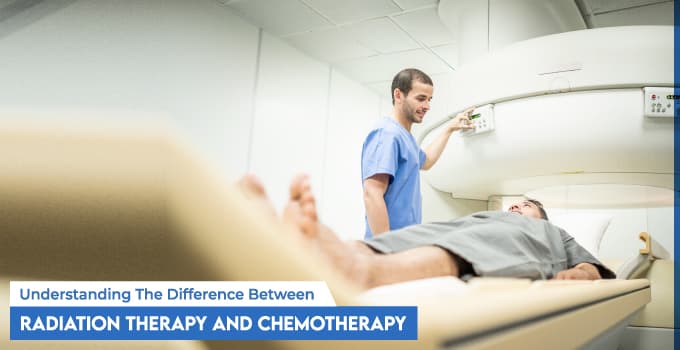
Difference Between Radiation Therapy And Chemotherapy





Last updated on 28 Apr 2026
Cancer is a condition caused due to the abnormal proliferation of cells. Being diagnosed with cancer can take a significant toll on the patient, patient’s family, and friends. However, with all the development and advances made in the fields of medicine and technology, various options are available for treating cancer. Chemotherapy and radiation therapy are two such options that are widely used in cancer treatment.
Chemotherapy and radiation therapy are used alone or in combination to treat various cancers. Both chemotherapy and radiation therapy are commonly used cancer treatments with one goal. However, they vary in terms of their mechanism of action, side effects, benefits etc.
Here’s an insight into what chemotherapy and radiation therapy is and how they are different from each other.
What Is Chemotherapy?
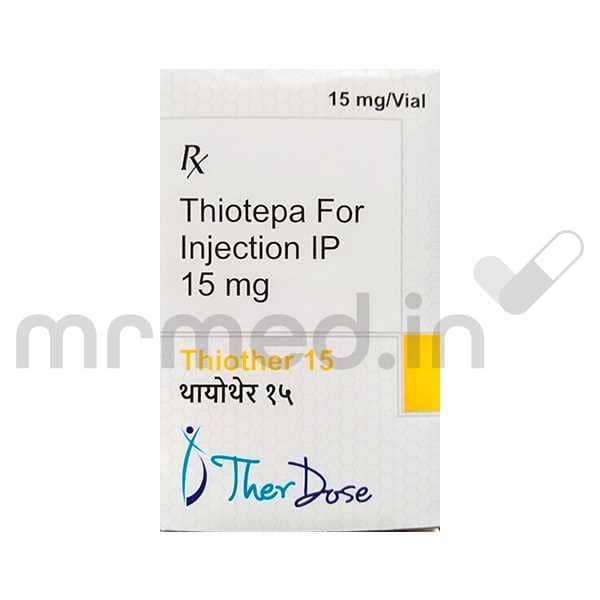
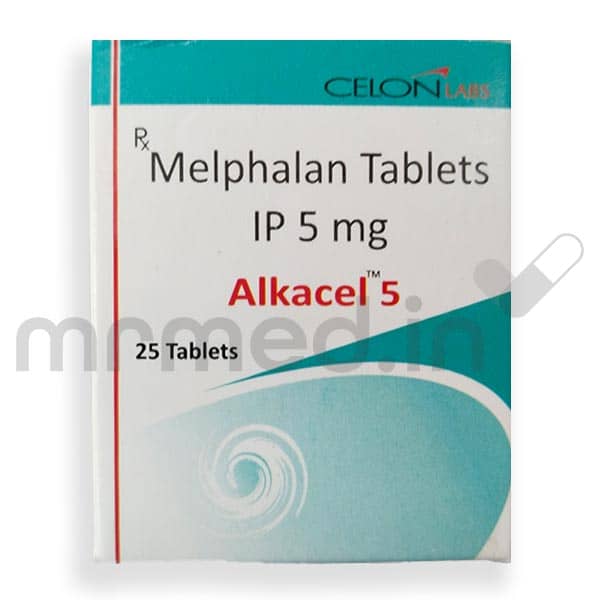
Chemotherapy involves the treatment of cancer using drugs with cytotoxic action. These drugs are also known as antineoplastic agents, chemotherapeutic drugs, or anti-cancer drugs. Chemotherapy is given orally, with the help of an injection, a drip, or by direct application onto the skin. Chemotherapy works systematically (it travels throughout the body).
Chemotherapy
How Chemotherapy Works:
Chemotherapy works systematically, i.e., it circulates throughout the body to destroy the proliferating cancer cells and prevents it from growing and spreading into other body tissues or organs.
How Chemotherapy Is Given:
There are various methods by which chemotherapy is given are:
Orally
Intravenously
Topically
Side Effects Of Chemotherapy:
Chemotherapy works systematically by destroying the rapidly proliferating cancer cells. However, it also acts on the other dividing healthy cells of the body like cells of hair, nails, bone marrow, digestive system, etc. Thereby producing side effects. The commonly seen side effects of chemotherapy are:
Hairfall
Nausea and vomiting
Decrease in blood count
Sores in the mouth and throat
Fatigue
Diarrhea
constipation
Anemia
Infections
Bruising
Radiation Therapy
What Is Radiation Therapy?
Radiation therapy uses high beams of X-rays or protons focussed onto a particular body part to break and damage the DNA of the cancer cells. This damage prevents the cancer cells from proliferating, and the cells with damaged DNA die and are broken and eliminated by the body. There are two types of radiation therapy. They are:
External beam radiation therapy
Internal radiation therapy
Systemic radiation therapy
The type of radiation therapy to be given is chosen based upon various factors like:
The size of the cancer
Spread, area of location of the cancer
Type of cancer
The closeness of cancer with other tissues
How Radiation Therapy Works:
Radiation therapy destroys the cancer cells, thereby slowing or inhibiting their growth. It damages the DNA of the cancer cells and kills them.
How Radiation Therapy Is Given:
External beam radiation therapy: It uses an external machine to focus high-energy beams on cancer-affected areas, thereby damaging the DNA of the cancer cells and destroying them.
Internal radiation therapy: It is a type of treatment where radiation is given by placing the radiation source within the body where the tumor or cancer is located.
Systemic radiation: In this method, radiation is given as a pill or liquid to be taken orally or injected into a vein.
Benefits Of Radiation Therapy:
The various benefits of radiation therapy are:
Damages the DNA of the cancer cells and kills them
Shrinks cancerous cells
Prevents cancer from recurring
Used to relieve cancer symptoms
Used to shrink cancer before surgery
Side Effects Of Radiation Therapy:
The various side effects of radiation therapy are:
Changes in the skin at the site of radiation (irritation, swelling, redness, blisters, dryness, flaking, peeling)
Fatigue
Nausea and vomiting
Low blood count
Constipation
Diarrhea
Loss of appetite
Trouble swallowing and throat sore
Stomach cramps
Reduced sex drive
Combination Of Chemotherapy And Radiation Therapy
Every cancer differs from each other in terms of its type, its location, its spread, etc. Depending upon these factors, suitable treatment methods are chosen. Chemotherapy and radiation therapy are used together to enhance the effectiveness of the treatment.
Conclusion
Chemotherapy and radiation therapy are both effective cancer treatments. Based upon the patient’s condition, these treatment methods are provided alone or in combination. The side effects of the combination of the two may vary from person to person.
Disclaimer: This article is for informational and educational purposes only and is not a substitute for professional medical advice. Treatment decisions regarding chemotherapy or radiation therapy should always be made in consultation with a qualified oncologist based on the patient’s medical condition, cancer type, and treatment goals.














Comments