

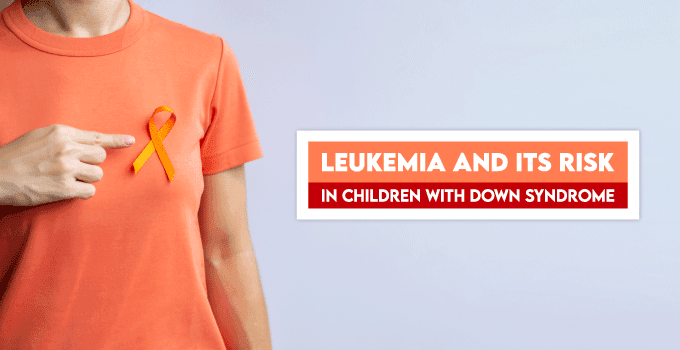
Leukemia And Its Risk In Children Having Down Syndrome





Last updated on 10 Jul 2026
Cancers in children between 0 to 14 years are known as childhood cancers. In many instances, the symptoms of childhood cancer get ignored as the symptoms are similar to other medical conditions. However, it is essential to watch out for persistent symptoms and get your child checked for cancer, regardless of their similarity with those of other medical conditions. Knowing what causes cancer is essential to prevent it. However, the exact causes of childhood cancers are not known. But a few risk factors are linked to the development of cancers in children. One such risk factor that is associated with childhood cancers is down syndrome.
What Is Childhood Leukemia?
Leukemia is a type of cancer characterized by the abnormal proliferation of white blood cells in the bone marrow. Leukemia in children, known as childhood leukemia, is an extremely common cancer.
Symptoms Of Leukemia In Children
The various symptoms of childhood leukemia include:
Fever
Infections
Easy bleeding or bruising
Pale skin
Fatigue
Coughing
Breathlessness
Headache
Vision problems
Nausea and vomiting
Sudden loss of weight and appetite
What Is Down Syndrome?
Down syndrome is a genetic disorder that occurs in children when there is an extra copy (full or partial) of chromosome 21. As a result of this extra chromosome 21 copy, the child experiences disabilities, and developmental delays.
Symptoms Of Down Syndrome
The symptoms of the down syndrome include:
Flat face
Small head and ears
Shorter neck
Protruding tongue
Eyelids slanting upwards
Poor muscle tone
Small feet and hands
Short height
Abdominal swelling
Bleeding from gums and nose
Swollen lymph nodes
Facts About Down Syndrome & Leukemia:
According to the Linda Crbic Institute study, children with Down syndrome are 20 times more likely to develop acute lymphocytic leukemia (ALL) and 150 times more likely to develop myeloid leukemia (AML). According to the researchers, the reason behind the development of leukemia in children with down syndrome might be that these children are more prone to present with clonal hematopoiesis (CH). Clonal hematopoiesis is a process where the blood stem cell gets a genetic mutation that promotes replication.
Another cohort study performed to assess the risk of leukemia in children with down syndrome revealed that children with Down syndrome were at a greater risk of developing acute lymphoid leukemia when compared to other children, regardless of age.
Treatment For Leukemia In Children With Down Syndrome:
The treatment approach for children with leukemia and down syndrome is the same as that of other patients. However, these children may experience chronic side effects when compared to others. The treatments available include:
Chemotherapy
Radiation therapy
Immunotherapy
biologics
Stem cell/ bone marrow transplantation
The Final Note:
Learning that your child has cancer is dreadful and traumatising, especially when its prevention is difficult, as preventing genetic factors is not in our hands. However, leukemia is a type of cancer which when detected and treated early can help in preventing the cancer progression and might also increase the chances of survival and cure.
Disclaimer: This blog is intended for educational and informational purposes only and should not be considered a substitute for professional medical advice, diagnosis, or treatment. Every child is unique, and the risk, diagnosis, and management of leukaemia in children with Down syndrome require individualised medical evaluation. Always consult a qualified paediatrician, paediatric oncologist, or healthcare professional for personalised guidance and treatment decisions.
















Comments