

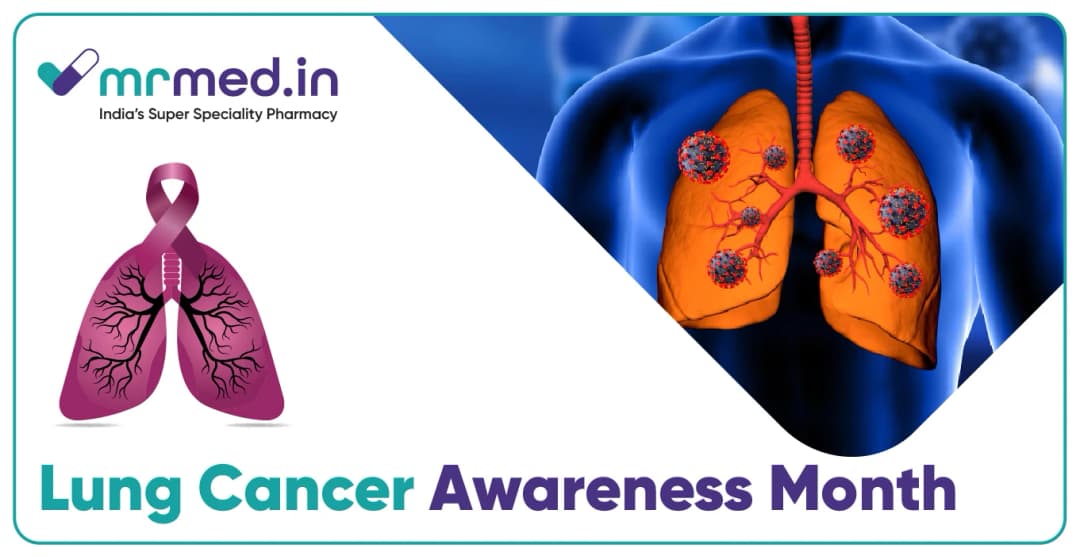
Lung Cancer Awareness Month





Last updated on 02 Jan 2026
Hope is like air to the lungs; never give up breathing.
November marks a month of transition - when the crisp air of autumn slowly gives way to the calm of winter. It’s also a time to pause and reflect on lung health. During Lung Cancer Awareness Month 2025, we focus on understanding lung cancer, spreading awareness, and supporting those affected.
This year, the Lung Cancer Awareness Month 2025 theme emphasises “Hope, Early Detection, and Support.” It reminds us that awareness is not just a campaign; it’s a chance to save lives, encourage screening, and strengthen communities.
Significance Of Lung Cancer Awareness Month 2025
Lung cancer is one of the deadliest cancers worldwide, with rising cases every year. The World Cancer Research Fund International (WCRFI) reports that lung cancer is the second most common cancer globally, the most common in men, and the second most common in women.
Key statistics to understand the urgency:
In India, GLOBOCAN estimated around 70,275 new cases in 2012.
Lung cancer is often detected late due to subtle early symptoms, reducing survival rates.
Why this awareness month matters:
Early detection saves lives: Small tumours caught early are more treatable.
Education prevents risk: People learn about the causes, prevention tips, and lifestyle changes that can help mitigate it.
Support for patients: Families and caregivers benefit from awareness campaigns, support groups, and counselling.
Let this November Lung Cancer Awareness Month be a reminder to get screened, quit smoking, and encourage others to do the same.
According to Dr Bhuvan Chugh, Principal Consultant, Medical Oncology, Max Hospital, Gurugram. “No cancer kills more than lung cancer. It is the most common cancer in men worldwide … It accounts for staggering 18% of all cancer deaths each year.”
History
Lung Cancer Awareness Month has been observed every November since 1995. The primary objective is to inform the public about the disease, its risk factors, and preventive measures. Over the years, awareness campaigns have helped:
Encourage early screenings
Educate people about smoking cessation.
Reduce stigma for patients and survivors.
Fun fact: The white ribbon is now an international symbol for lung cancer awareness. Wearing it shows support for patients and survivors, and reminds everyone that prevention and early detection are critical.
Let's Know About Lung Cancer
Lung cancer, or bronchogenic carcinoma, is when abnormal cells grow uncontrollably in the lungs, forming tumours that can spread to other organs.
Types of Lung Cancer
Type | Description | Prevalence | Key Notes |
Slower growing; often detected late | ~85% of cases | Includes adenocarcinoma, squamous cell carcinoma, and large cell carcinoma | |
Small Cell Lung Cancer (SCLC) | Rapid-growing; aggressive | ~15% of cases | Often linked to smoking, it spreads quickly |
Key Point: While smoking is a major risk factor, non-smokers can also develop lung cancer due to environmental pollution, secondhand smoke, or genetic predisposition.
According to a study published in the Indian Journal of Medical Research, the number of lung cancer cases in India is projected to rise to ~81,219 among males and ~30,109 among females by 2025
Lung Cancer Symptoms
Early lung cancer can be hard to detect because symptoms often appear late. Common signs include:
Persistent cough that worsens over time
Chest pain or tightness
Shortness of breath or wheezing
Coughing up blood
Feeling fatigued or generally unwell
Sudden, unexplained weight loss
Tip: If you experience these symptoms for several weeks, see a doctor immediately. Early diagnosis improves treatment options significantly.
5 Common Causes Of Lung Cancer
Understanding the lung cancer causes helps in prevention:
Smoking:
The most common cause of lung cancer.
Includes cigarettes, cigars, pipes, and secondhand smoke.
Occupational & Environmental Exposure:
Long-term exposure to carcinogens like radon, asbestos, silica dust, benzene, and air pollution increases risk.
Family History:
Genetics may play a role.
If a close relative has lung cancer, your risk is higher, even as a non-smoker.
Alcohol Consumption:
Heavy drinking indirectly increases the risk by affecting immune function and lung tissue health.
Viruses & Chronic Infections:
Certain viral infections and chronic lung diseases can slightly elevate risk.
Practical Tip: Avoiding smoking, wearing masks in polluted areas, and using protective gear in hazardous jobs can lower risk.
Lung Cancer Screening In India
Screening is the best tool for early detection. Detecting lung cancer at an early stage can make treatment more effective.
Who should consider screening:
Adults over 50 years with a smoking history
Workers exposed to pollutants or carcinogens.
People with persistent respiratory symptoms
Common screening methods:
Screening Method | Purpose | Frequency |
Detects small tumors early | Annual for high-risk individuals | |
Chest X-Ray | Initial screening | As recommended by the doctor |
Blood Tests | Support diagnosis | Based on symptoms |
Medical Checkups | Identify early warning signs | Regularly for at-risk individuals |
Tip: Early detection saves lives, and lung cancer screening Indian programs are helping high-risk groups find cancer early through community hospitals and awareness drives.
Advanced Treatment For Lung Cancer
Lung cancer latest advancements have evolved significantly, giving hope even in advanced stages. Common treatments include:
Surgery: Removes the tumour; often for early-stage cancer.
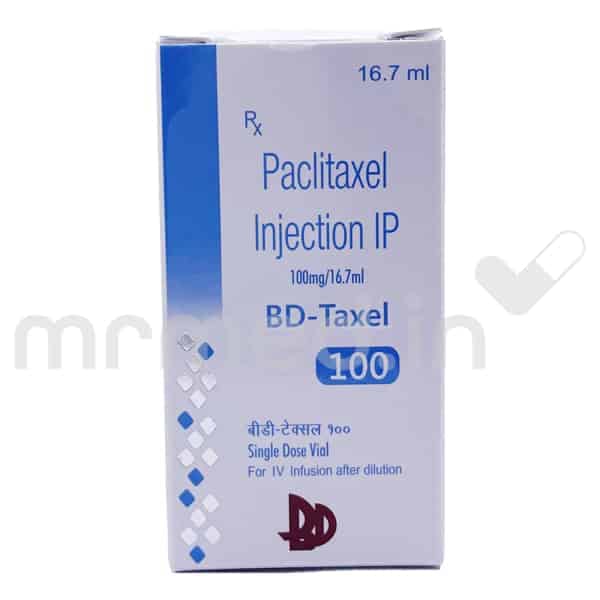
Chemotherapy: Uses drugs to kill cancer cells; may cause fatigue, nausea, or hair loss.
Radiation Therapy: Targets cancer cells with high-energy rays.
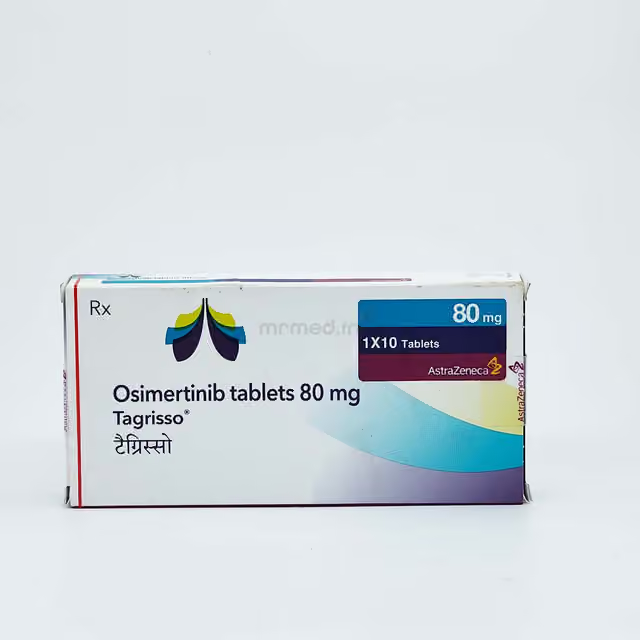
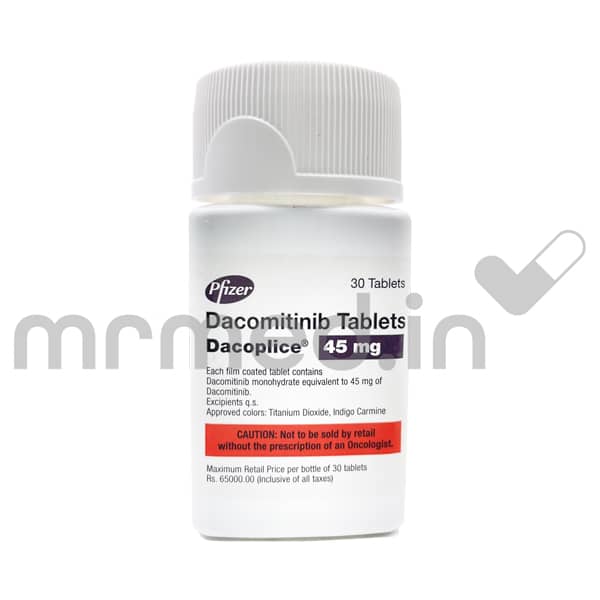
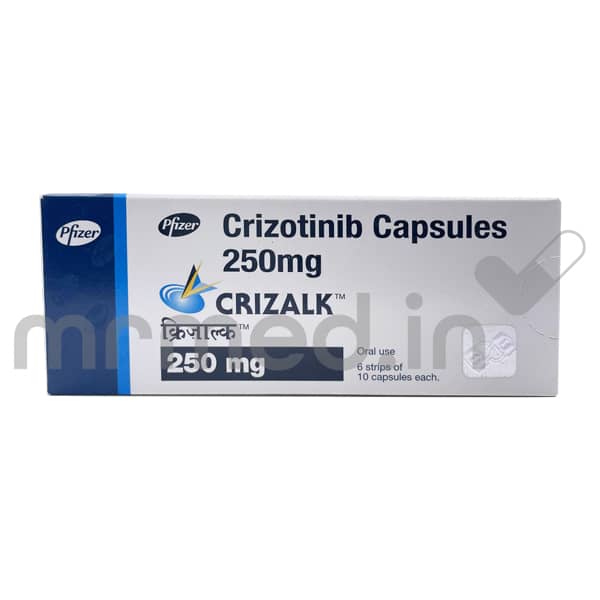
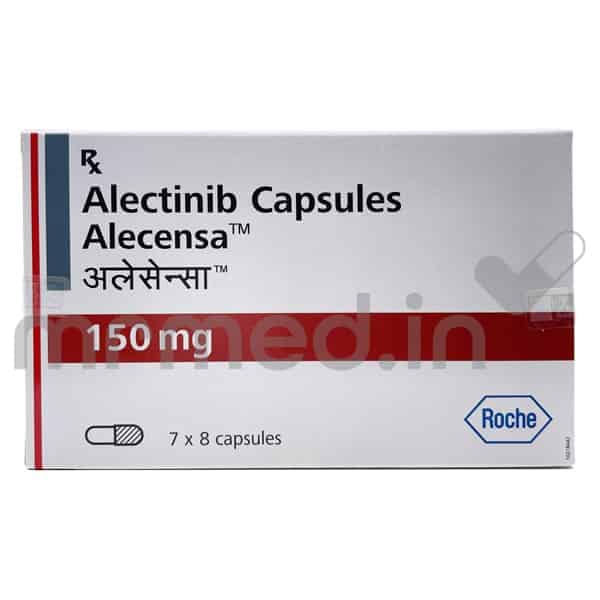
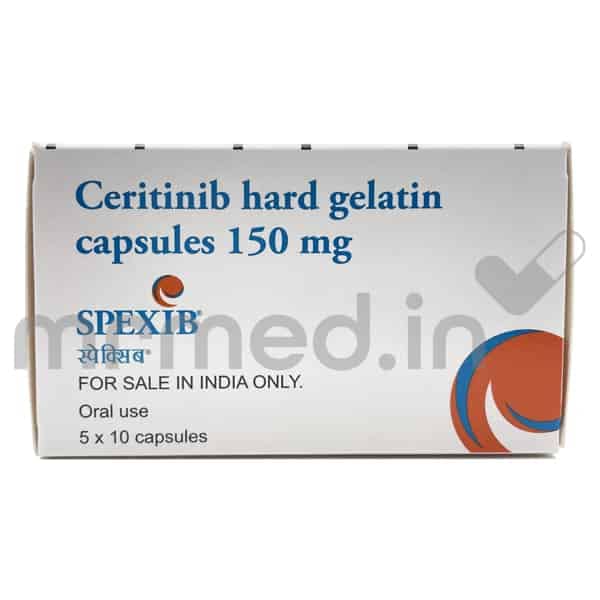
Immunotherapy & Targeted Therapy: Personalised treatments improve survival by focusing on genetic markers.
Palliative Care: Focuses on comfort and quality of life when cancer is advanced.
Consulting the best oncologists for lung cancer in India ensures that patients receive world-class, evidence-based treatments tailored to their specific cancer type and genetic profile.
Chemotherapy For Lung Cancer Side Effects
While chemotherapy is effective, it can cause side effects:
Fatigue
Mouth sores
Practical Advice: Supportive care, a proper diet, and rest help patients manage side effects. Doctors may also prescribe medications to reduce discomfort.
Lung Cancer Prevention Tips
Prevention is always better than a cure. Simple steps can lower risk:
Quit smoking and avoid secondhand smoke
Limit or quit alcohol consumption
Protect from occupational hazards (radon, asbestos, silica)
Wear masks in polluted areas.
Maintain a healthy diet rich in fruits, vegetables, and whole grains.
Stay up-to-date on vaccines to prevent infections.
Extra Tip: Encourage family and friends to adopt these habits — prevention is a shared responsibility.
Dr Nagesh Dhadge - Pulmonologist, Tuberculosis and Chest Diseases Specialist, Pune. Says An earlier diagnosis could be made possible with increased emphasis on preventative health checks, public health awareness of lung cancer risk factors, and conveniently accessible screening programs.”
Lung Cancer White Ribbon Meaning
The lung cancer white ribbon meaning extends beyond symbolism — it represents hope, courage, and remembrance. Wearing it signifies:
Support for patients and survivors
Commitment to early detection and prevention
Participation in awareness campaigns
Creative Idea: Take a photo with your white ribbon and share it on social media to inspire others to join the movement.
Support and Awareness In India
India has organisations that help patients and families:
Lung Cancer Foundation India: Provides educational resources and support.
Online Support Groups: Connect patients, caregivers, and survivors.
Community Campaigns: Encourage screening and promote awareness.
Pro Tip: Joining these communities offers guidance, emotional support, and hope during treatment.
Inspiring Lung Cancer Survivor Stories India
Sharing real-life stories motivates others to take early action:
Many survivors attribute their recovery to early detection.
Survivor stories reduce fear and inspire preventive measures.
Support groups help patients cope emotionally and mentally.
Encourage storytelling: Sharing personal experiences spreads hope and awareness.
FAQs
1. What is the purpose of Lung Cancer Awareness Month?
To educate the public about lung cancer risk factors, symptoms, prevention, and early detection. It promotes awareness campaigns, encourages screening, and supports patients and survivors.
2. Who is at risk of lung cancer?
Smokers, passive smokers, people exposed to pollution or occupational hazards, individuals with a family history, and older adults are at higher risk.
3. Can non-smokers get lung cancer?
Yes, non-smokers can develop lung cancer due to secondhand smoke, environmental pollutants, genetic factors, or prior health conditions.
4. How is lung cancer diagnosed?
Diagnosis involves physical exams, imaging (CT scans, X-rays), biopsy, and lab tests to confirm the type and stage of cancer.
5. What are the early signs of lung cancer?
Persistent cough, chest pain, shortness of breath, wheezing, coughing blood, fatigue, and unexplained weight loss. Early signs are often subtle.
6. Are there online support groups in India for lung cancer patients?
Yes, several online support groups and forums, including those run by the Lung Cancer Foundation India, provide emotional support, guidance, and community connections.
Wrapping Up – Let’s Fight Against Lung Cancer
This November, Lung Cancer Awareness Month 2025, let’s unite to raise awareness, prevent risks, and support patients. Understanding lung cancer symptoms, causes, and treatments can save lives.
Call to Action: Join awareness campaigns, encourage screenings, and connect with lung cancer support groups online in India or the Lung Cancer Foundation India.
Remember: Life should take your breath away, not lung cancer!
Read Also
References
https://www.iarc.who.int/news-events/lung-cancer-awareness-month-2025/
Lung Cancer Awareness Month 2025: Can Protection From Air Pollution Reduce Risk?
https://dceg.cancer.gov/news-events/news/2022/lung-cancer-screening-irp
https://www.webmd.com/lung-cancer/understanding-lung-cancer-symptoms
https://www.webmd.com/lung-cancer/understanding-lung-cancer-basics
Disclaimer: The content in this blog is for general informational purposes only and is not a substitute for professional medical advice, diagnosis, or treatment. Always consult your doctor or a registered dietitian before making any changes to your diet, especially if you have a medical condition or are taking prescribed medication. While the information is based on trusted sources, individual needs and results may vary. MrMed does not promote or endorse any specific food or treatment mentioned unless explicitly stated.













Comments