

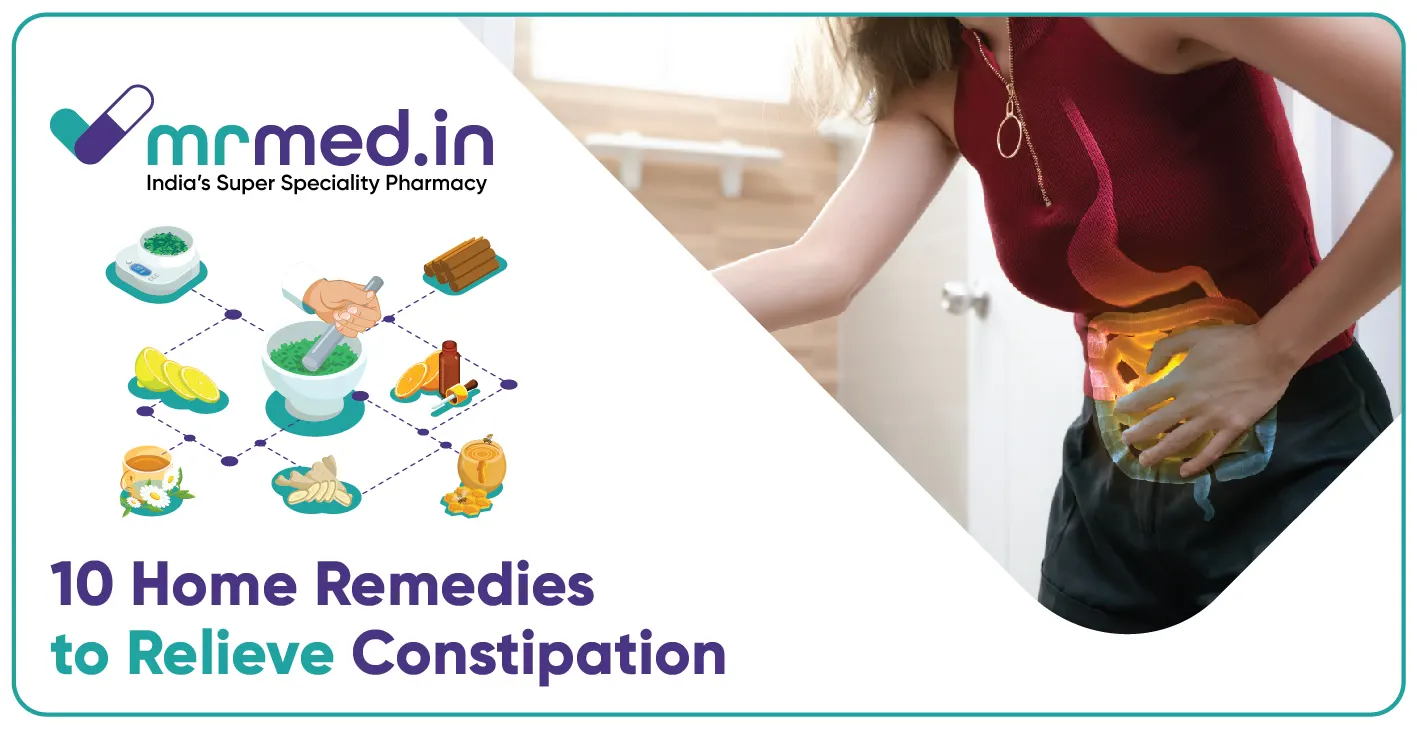
Constipation Relief: 10 Home Remedies You Should Know





Last updated on 12 Mar 2026
Constipation develops when the stool moves slowly through the large intestine and becomes hard to pass. Low fibre intake, poor hydration, inactivity, and stress increase the risk. Drinking enough water, eating fibre-rich foods, staying physically active, and following a regular toilet routine help restore normal bowel movements. Natural remedies such as prunes, flaxseeds, and warm fluids support digestion and relieve discomfort. Seek medical advice if constipation persists for more than two weeks or causes pain, bleeding, or other severe symptoms.
Key Takeaways
|
What Is Constipation and Why Does It Happen?
When constipation occurs because faeces do not pass through the large intestine. When stool is not moved through the colon quickly enough, the colon absorbs too much water, making the stool hard, dry, and very difficult to pass.
There are a variety of reasons a person will get constipation, including:
Too little fibre in the diet.
Too little fluid intake.
Not enough activity.
Stress and/or anxiety.
Ignoring the need to have a bowel movement.
Some prescription medications.
Constipation can occur normally at times, but chronic constipation needs medical help.
According to the National Library of Medicine, in the 2025 community survey in Kerala, Prevalence and patterns of Functional Gastrointestinal Disorders (FGIDs) among 18- to 69-year-old adults - a cross-sectional survey in Ernakulam district, Kerala, India in 2025 reported functional constipation in 18.1% of adults, showing it remains a common digestive problem.
10 Home Remedies That Help Relieve Constipation
The Indian Motility and Functional Diseases Association and the Indian Society of Gastroenterology jointly developed evidence-based practice guidelines in 2019 for the management of chronic constipation in adults in India. According to these Indian guidelines, the first-line approach focuses on simple lifestyle and dietary changes to improve bowel movement and overall digestive health, including the following recommendations.
1. Drink Sufficient Amounts of Water
Constipation and normal bowel function can be avoided by drinking enough fluids, particularly water. The digestive waste that is produced within your body must be in a moist, soft state so that it can easily be moved through your intestines; conversely, when your body is dehydrated, the walls of your colon will extract more moisture, thus causing hard stools that are more difficult to pass out of your body. Therefore, it is clear that fluid intake is critical for the proper function of the digestive tract and the normal movement of the intestines.

Most adults need to consume approximately 1.5-2 litres (6-8 glasses) of fluid per day in order to maintain normal bowel function. According to the World Gastroenterology Association, staying hydrated is one of the most effective ways to relieve constipation, as well as ensuring that the fibre in your diet can work as it should and making it easier to
empty your bowels.
2. Increase Your Fibre Intake
Adequate levels of dietary fibre in your diet help promote healthy digestion by keeping your stomach feeling full, relaxed, and comfortable. Fibre helps promote normal bowel movement, prevents bloating, and assists with regular bowel emptying. Fibre will support the growth of beneficial bacteria in your gut, which contributes to the maintenance of a healthy balance of digestive function and the prevention of constipation.
Include fibre-rich foods in your daily meals; these can include:
Eat fibre-rich fruits such as guava, papaya, and apples.
Add vegetables like spinach, carrots, and broccoli to your diet.
Include legumes such as lentils and chickpeas regularly.
Add seeds like flaxseeds and chia seeds to meals or smoothies.
Increase your fibre intake slowly to prevent bloating or stomach discomfort.
Drink enough water when increasing fibre to help digestion.
Aim for 25 to 35 grams of fibre per day to keep your digestive system healthy and comfortable.
3. Start Each Day With Warm Lemon Water
Consuming warm lemon water can help stimulate your digestive organs and promote a bowel movement. When you "wake up" your intestines by drinking warm lemon water, it makes it much easier and quicker to pass your stool.
4. Maintain Regular Physical Activity
Finally, regular exercise can help to promote bowel health by stimulating the muscles of your intestines. Common activities that can improve bowel function include walking, yoga, stretching, and light exercise. If you want to enjoy the benefits of exercise, try to move your body for at least 20-30 minutes a day.
5. Incorporate Foods That Are Natural Laxatives
Foods that naturally aid in achieving regular bowel movements also support healthy bowel habits. Foods that help us achieve regular bowel movements include a healthy diet that supports digestion, adds bulk to the stool, and helps waste move more efficiently through the intestines.
Foods high in fibre and that also contain natural substances to soften the stool and facilitate easy movement through the intestines include prunes, papayas, flaxseeds, and chia seeds. Incorporating high-fibre foods and improving your gut health can help you have healthy bowel movements.
6. Schedule a Toilet Routine
Having a routine when using the toilet helps your body become trained to eliminate waste more effectively and improves your digestive health. When you wake up in the morning, and after eating, your colon tends to be more active; this is called the gastrocolic reflex, which stimulates bowel movements and creates an urge to have a bowel movement.
Try to establish a schedule for using the bathroom each day (10–30 minutes after eating) and give yourself sufficient time (don't hurry or feel pressured). Guidelines from gastroenterologists recommend maintaining regular bowel habits; failing to respond to the urge to eliminate may worsen constipation. Consequently, developing a regular bowel routine will help you maintain long-term digestive health.
7. Drink Warm Beverages
Drinking warm beverages stimulates your digestive system and helps your intestines move waste more easily. Warm liquids relax the muscles of your digestive tract, improve bowel movement, and reduce bloating. Many gastroenterology experts recommend warm fluids as a simple lifestyle habit to support regular bowel movement and reduce constipation.
Examples of helpful warm beverages include:
Warm water (plain or with a few drops of lemon).
Warm milk before bedtime.
Herbal teas such as ginger, peppermint, or chamomile.
Warm jeera (cumin) water.
Light vegetable broth or clear soup.
Drinking a cup of warm water early in the morning or before sleep can gently stimulate digestion and support regular bowel movement.
8. Incorporate Healthy Fats
The digestion process is aided by healthy fats, which help move stools through the intestines. Common sources of healthy fats include olive oil, nuts, and seeds.
A method for adding healthful fat to your diet is to add olive oil to salad, consume 1 ounce of nuts such as almonds or walnuts as a snack, or add flaxseed or chia seed to yoghurt or cereal.
9. Decrease Stress
When you experience stress, it can affect how your digestive system normally functions and slow the rate at which your body processes stool. Incorporating stress-reduction techniques (such as deep breathing exercises, meditation, and getting a good night's sleep) into your daily routine will help improve your gut health.
Practising 10 minutes of deep breathing in the morning, practising yoga, taking a walk after work, and maintaining a regular sleep schedule are all excellent ways to promote regular bowel movements.
10. Improve Toilet Posture
Toilet posture can help you have easier bowel movements. You will reduce straining and better align your rectum and intestines by elevating your feet, with the toes pointing down, while on the toilet

As per Dr Uday C. Ghoshal, MD, DM, Gastroenterologist and Professor, Lucknow, Uttar Pradesh, India, “constipation often presents differently in India, with softer stools and varied symptoms; therefore, treatment must prioritise diet, fluid intake, and lifestyle changes tailored to Indian habits.”
When Should You See a Doctor?
You should see a medical doctor if you experience any of these:
Constipation for longer than two weeks
Severe abdominal cramping.
Blood in your stool.
Sudden weight gain or loss.
Continuous vomiting.
The above-listed are some signs of an underlying health problem which require treatment by a medical doctor.
Can Constipation Be Prevented?
Yes, you can prevent constipation by following healthy daily habits. Eat a balanced diet rich in fibre. Drink enough fluids. Stay physically active. Maintain a routine. These steps support long-term digestive health and reduce the risk of constipation.
Frequently Asked Questions
1. To avoid being constipated, how much fibre do I require to eat every day?
To relieve constipation, adults are recommended to consume 25-35 g of fibre from fruits, vegetables, and whole grains each day.
2. Will drinking warm water relieve my constipation?
Yes, warm water will aid your digestive tract and help soften your stool, making it easier to move your bowels.
3. Is it dangerous to live with constipation untreated?
Chronic constipation can lead to complications such as swelling of the rectum, tearing of the anal canal, and extreme discomfort.
4. How long do I have to wait to consult my Doctor about my constipation?
You should see a Doctor if your constipation lasts longer than two weeks or if you are experiencing severe pain and/or bleeding.
What’s Worth Remembering?
While constipation can be a frustrating issue to deal with, it can often be managed through lifestyle modification. Drinking enough water, increasing fibre intake, exercising regularly and having an overall healthy lifestyle are all ways to create an environment that promotes healthy bowel movements.
Home remedies such as these help you restore balance to your digestive system and reduce the risk of complications from constipation. If your symptoms persist or worsen, please see your primary healthcare provider for an accurate diagnosis and treatment.
Read Also
References
World Gastroenterology Organisation. World Gastroenterology Organisation Global Guidelines: Constipation [Internet]. World Gastroenterology Organisation; [cited 2026 Mar 2]. Available from: https://www.worldgastroenterology.org/guidelines/constipation
World Gastroenterology Organisation. Constipation Guidelines [Internet]. World Gastroenterology Organisation; [cited 2026 Mar 2]. Available from: https://www.worldgastroenterology.org/UserFiles/file/guidelines/constipation
Mayo Clinic Staff. Constipation – Symptoms and causes [Internet]. Mayo Clinic; [cited https://www.mayoclinic.org/diseases-conditions/constipation/symptoms-causes/syc-20354253
World Gastroenterology Organisation. World Gastroenterology Organisation Global Guidelines: Common GI Symptoms [Internet]. World Gastroenterology Organisation; https://www.worldgastroenterology.org/guidelines/common-gi-symptoms/common-gi-symptoms
Disclaimer
The content in this blog is for general informational purposes only and is not a substitute for professional medical advice, diagnosis, or treatment. Always consult your doctor or a registered dietitian before making any changes to your diet, especially if you have a medical condition or are taking prescribed medication. While the information is based on trusted sources, individual needs and results may vary. MrMed does not promote or endorse any specific food or treatment mentioned unless explicitly stated.












Comments