

World Down Syndrome Day





Last updated on 20 Mar 2026
World Down Syndrome Day is observed every year on March 21 to raise awareness about Down syndrome and promote acceptance, inclusion, and support for individuals living with the condition.
World Down Syndrome Day 2026 will maintain its commitment to inclusion and dignity and support people with Down syndrome through community recognition of their abilities and rights.
Key Takeaways
• World Down Syndrome Day is observed on March 21 every year. |
What Is the Meaning of World Down Syndrome Day?
According to the National Library of Medicine in 2024, approximately 21,000 babies are born with Down syndrome every year in India, making it one of the most common genetic conditions in the country.
World Down Syndrome Day is about expanding beyond awareness of Down syndrome by:
Advocating for equal rights and opportunities.
Supporting the inclusion of individuals with Down syndrome in schools and workplaces.
Supporting families and caregivers of individuals with Down syndrome.
Eliminating the common stigma and myth of Down syndrome.
World Down Syndrome Day is to remind everyone that individuals with Down syndrome are entitled to lead dignified, independent, and fulfilling lives.
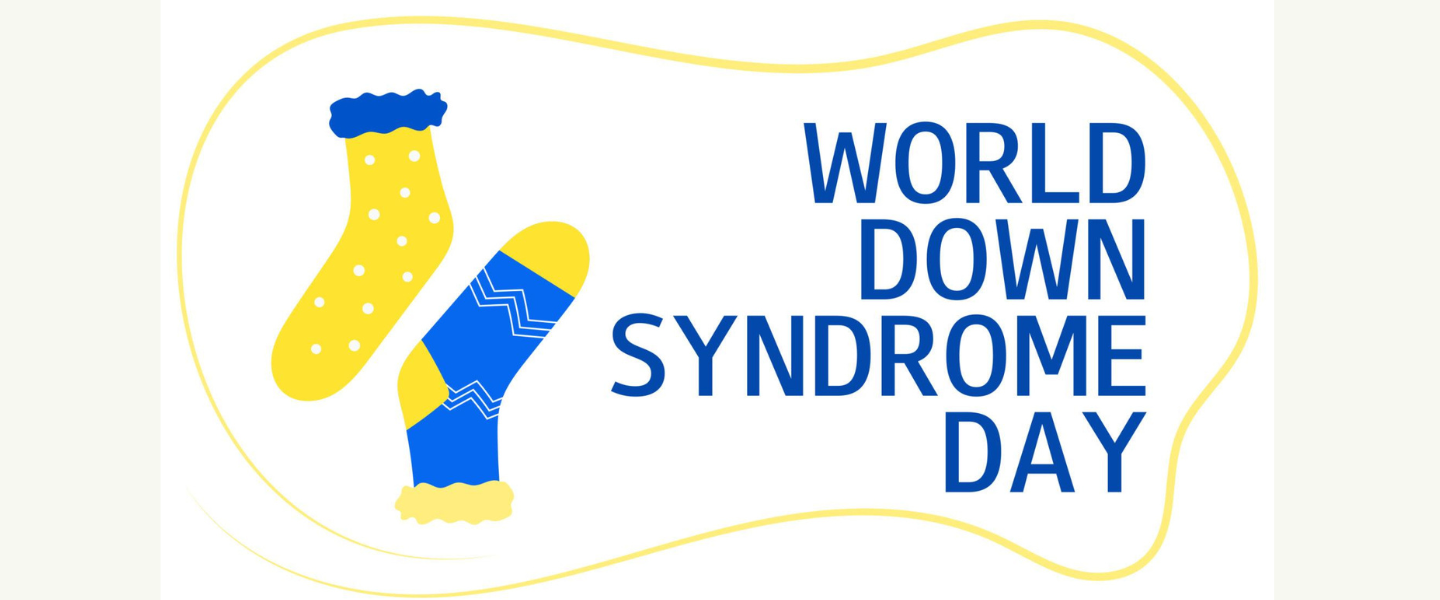
World Down Syndrome Day 2026 Theme
The World Down Syndrome Day 2026 theme will continue to highlight the focuses of empowering and inclusive people with Down syndrome. Each year, these themes highlight:
The need for people with Down syndrome to have the same access to education and health care as anybody else.
The need for an inclusive social life and independent living.
The need for community support and awareness.
Previous campaigns, such as “With Us, Not For Us”, call on people with Down syndrome to be involved in decisions regarding their lives rather than having decisions made for them by others.
What Causes Down Syndrome?
The National Health Portal of India, under the Ministry of Health and Family Welfare, in 2023 recommends that families with children with down syndrome be connected to local support groups and early childhood intervention centres at the earliest opportunity, as community-based care plays a critical role in social inclusion and skill development.
Many people ask about Down syndrome caused by factors. The condition results from a genetic change.
Down Syndrome Chromosome Explanation
• Humans normally have 46 chromosomes.
• People with Down syndrome have an extra copy of chromosome 21.
• This is called Trisomy 21.
This extra chromosome affects physical growth, learning ability, and development.
It is not caused by lifestyle or actions during pregnancy, but certain risk factors, like maternal age, may increase the chances.
Down Syndrome Symptoms
The Down syndrome symptoms can vary from person to person, but common features include:
• Flat facial features.
• Almond-shaped eyes.
• Short neck and small ears.
• Low muscle tone (hypotonia).
• Delayed growth and development.
• Learning difficulties.
Health conditions may also occur, such as:
• Congenital heart defects.
• Hearing or vision problems.
• Thyroid disorders.
Signs of Down Syndrome During Pregnancy
Most parents are very inquisitive regarding Down syndrome symptoms while they are pregnant.
These are usually detected through screening tests:
• Ultrasound showing increased neck thickness.
• Blood tests indicating abnormal markers.
• Non-invasive prenatal testing (NIPT).
Confirmatory tests include:
• Amniocentesis.
• Chorionic villus sampling (CVS).
How Common Is Down Syndrome in Pregnancy?
A common question is how common is Down syndrome in pregnancy.
• It occurs in about 1 in 700 births globally.
• Risk increases with maternal age, especially after 35.
However, it can occur in any pregnancy, regardless of age or health.
Can a Down Syndrome Child Live a Normal Life?
Many parents ask: Can a Down syndrome child live a normal life?
The answer is yes, with support.
Children and adults with Down syndrome can:
• Attend school.
• Work and earn independently.
• Build relationships.
• Participate in social activities.
Individuals are guided toward a quality of life through early interventions, healthcare, and an accessible community.
Can Down Syndrome Kids Have Autism?
Yes, can Down syndrome kids have autism is a valid concern.
• Some children with Down syndrome may also have autism spectrum disorder (ASD).
• This is known as dual diagnosis.
• Early diagnosis helps in better support and therapy.

Is There a Cure for Down Syndrome?
Dr Nandini Mundkur, Senior Developmental Paediatrician and former President of the Indian Academy of Pediatrics (IAP), has stated that children with Down syndrome who receive early intervention, including speech therapy, physiotherapy and occupational therapy, show significantly better developmental outcomes than those who do not receive timely support.
A frequently asked question is is there a cure for Down syndrome.
• There is no cure.
• It is a lifelong genetic condition.
However, treatment focuses on:
• Managing health conditions.
• Early education and therapy.
• Speech and physical therapy.
• Social and emotional support.
These interventions significantly improve quality of life.
How to Avoid Down Syndrome During Pregnancy
Many people search for how to avoid Down syndrome during pregnancy, but it is important to understand:
• Down syndrome cannot be completely prevented.
• It is caused by a genetic condition, not lifestyle choices.
However, certain steps may help reduce risks:
• Genetic counselling before pregnancy.
• Prenatal screening tests.
• Awareness of maternal age-related risks.
World Down Syndrome Day Activities
Engaging in World Down Syndrome Day activities helps spread awareness and inclusion.
Popular activities include:
•Wearing colourful or mismatched socks to symbolise uniqueness.
• Awareness campaigns in schools and workplaces.
• Social media campaigns using hashtags.
• Community events and workshops.
• Supporting organisations working for people with Down syndrome.
World Down Syndrome Day Poster Ideas
Creating a World Down Syndrome Day poster is a great way to spread awareness.
Poster ideas include:
• Messages like “Different, Not Less”.
• “Inclusion Matters”.
• Colourful sock designs.
• Facts about Down syndrome.
• Inspirational stories.
These posters help educate and inspire people.
Final Thoughts
World Down Syndrome Day 2026 shows that people need more than awareness to achieve their goals. True change comes from acceptance, inclusion, and equal opportunities.
People with Down syndrome can lead meaningful lives because their condition does not restrict their ability to do so. With the right support, individuals can achieve their goals while making positive contributions to society.
The process of making a significant impact requires people to understand the difference between myths and facts, learn to recognise early signs, and provide assistance to families.
FAQs
1. What is World Down Syndrome Day?
The International Day of recognition which takes place on March 21, aims to create awareness about Down syndrome while advocating for the rights and inclusion of individuals with the condition.
2. What causes Down syndrome?
A true lethality, or lethality superimposed on a lower trait.
3. Can Down syndrome be cured?
No, but sufficient care and support could greatly contribute to the quality of one's life.
4. How is Down syndrome detected during pregnancy?
Screening tests, such as ultrasound and blood tests, are performed after confirming tests, such as amniocentesis.
5. Can people with Down syndrome live independently?
Given the appropriate support, education, and opportunities, a person can live semi-independently.
Read Also
Leukemia And Its Risk In Children Having Down Syndrome
References
World Down Syndrome Day [Internet]. World Down Syndrome Day Organisation; 2025 [cited 2026 Mar 18]. Available from: https://www.worlddownsyndromeday.org.
National Down Syndrome Society. What is Down Syndrome? [Internet]. NDSS; 2024 [cited 2026 Mar 18]. Available from: https://www.ndss.org/about/what-is-down-syndrome/.
Centers for Disease Control and Prevention. Down Syndrome [Internet]. CDC; 2024 [cited 2026 Mar 18]. Available from: https://www.cdc.gov/ncbddd/birthdefects/downsyndrome.html.
Nair MKC, John ST, Padmamohan J, et al. Consensus Statement of the Neurodevelopmental Paediatrics Chapter of the Indian Academy of Paediatrics on the Management of Children With Down Syndrome. Indian Pediatr. 2023;60(5):405–420. Available from: https://pubmed.ncbi.nlm.nih.gov/36814128/.
Disclaimer
This article is written for general awareness and educational purposes only. It is not medical advice. The information shared here about Down syndrome, including its causes, symptoms, diagnosis and management, should not be used to replace the advice of a qualified doctor or healthcare professional. Every individual with Down syndrome is different, and their care needs vary. Always consult a certified geneticist, paediatrician or specialist for proper diagnosis, testing and treatment guidance.












Comments