

World Organ Donation Day: Why It Matters





Last updated on 28 Aug 2026
Organ donation can make a real difference to people living with end-stage organ failure. For many, a transplant is the only available treatment option that offers the chance to live longer, return to everyday life, and spend more time with the people they love. Despite advances in transplant medicine, thousands of patients continue to wait for a suitable donor because the demand for organs is much higher than the number available.
World Organ Donor Day encourages people to learn about organ donation, understand how it works, and talk to their families about their wishes.
Key Takeaways
|
Why Organ Donation Is Important
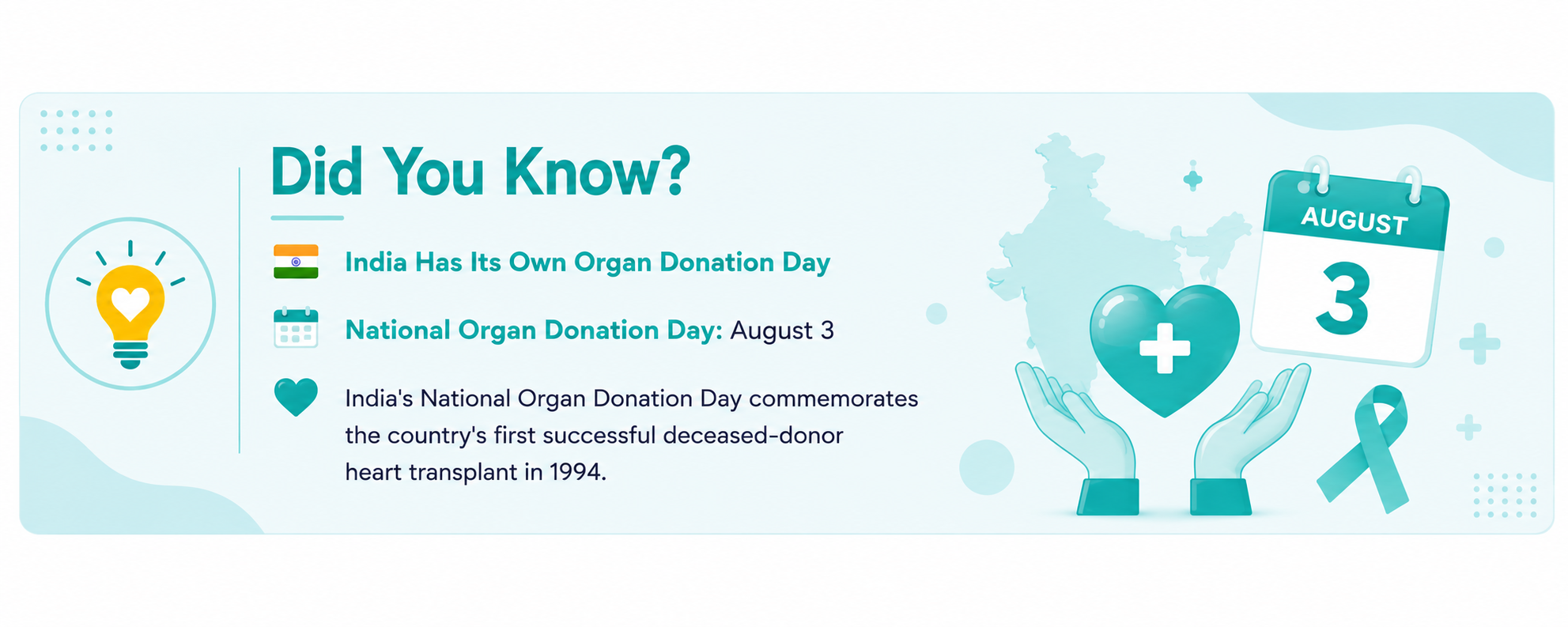
World Organ Donation Day is celebrated every year on August 13 to raise awareness about organ and tissue donation, support informed decision-making, and honour donors and their families who make countless transplants possible.
The demand for organs exceeds the supply of available donors. Many people want to donate, but they remain unsure about the process or whether they are eligible. Spreading the word, overcoming myths and talking to family members are likely to help more people make informed decisions about donation.
Every donation can make a lasting difference. We can save lives through transplantation and reconstructive surgeries. Behind every successful transplant is a donor and a family whose decision has given someone another chance at life.
How Does Organ Donation Work?
Organ donation can take place while the donor is still alive or after death. In both cases, this process occurs in accordance with established medical, ethical, and legal standards to ensure the protection of donors, fair allocation of organs, and maximum success of transplants.
Living Organ Donation
Living donation is when a healthy person donates an organ or part of an organ after undergoing detailed medical testing.
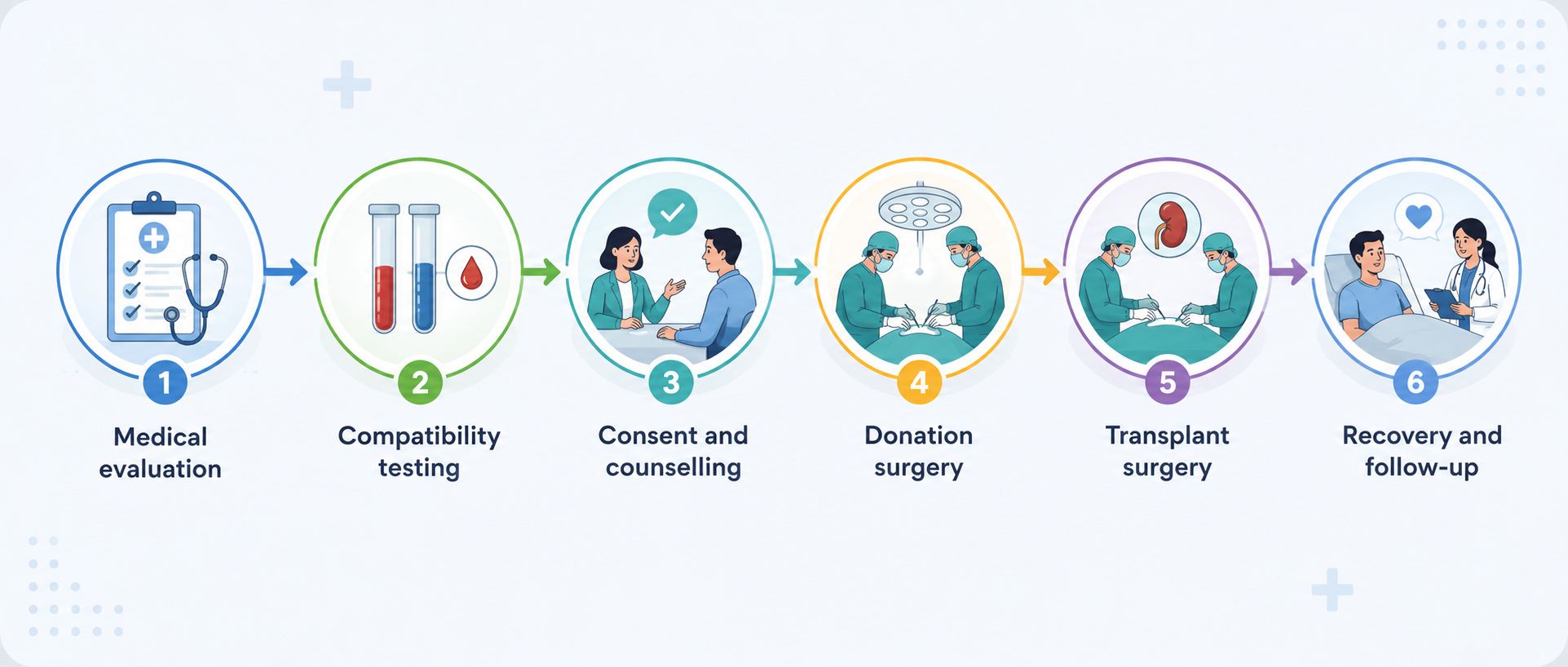
Living donation most commonly takes place between family members or close relatives, although unrelated donations may also happen through approved transplant programmes.
Deceased Organ Donation
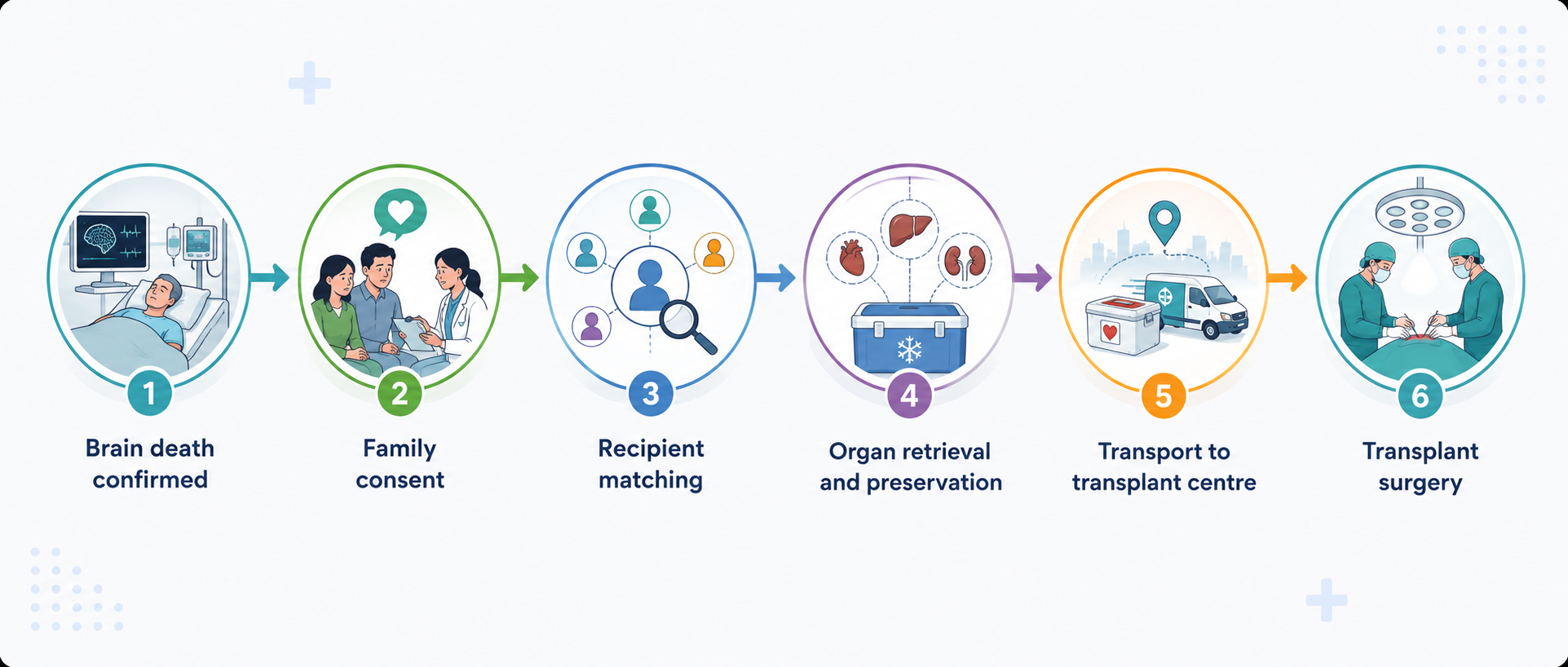
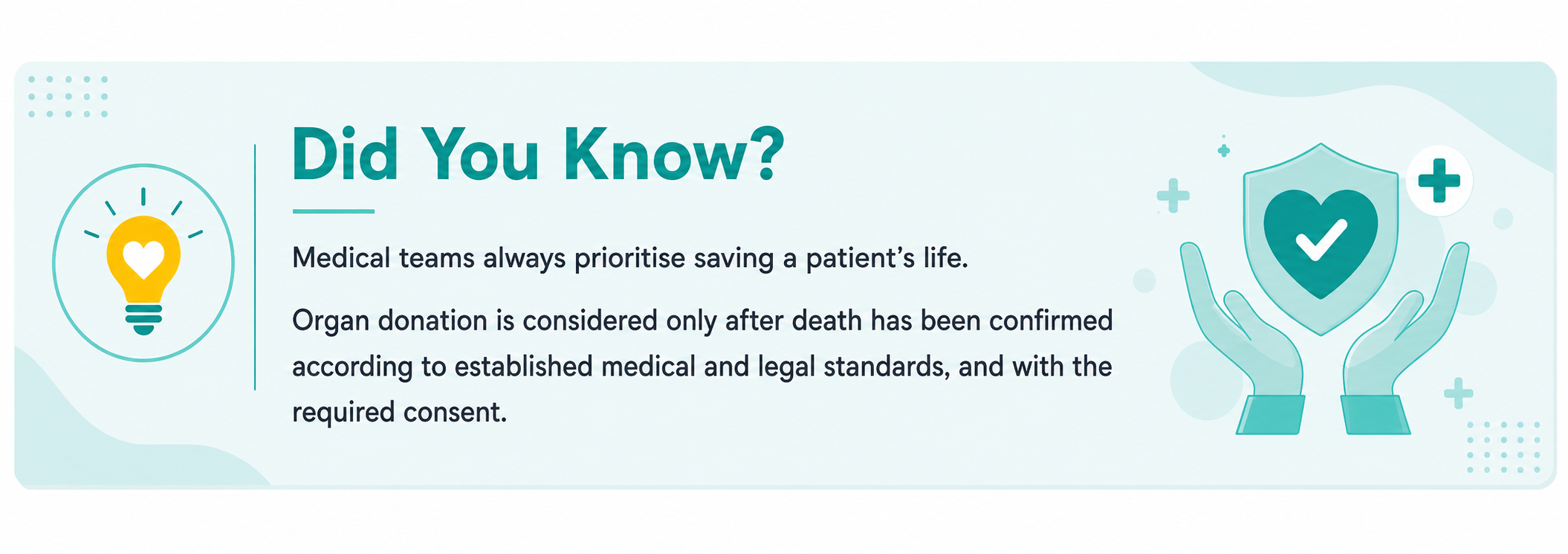
Deceased organ donation is considered only after brain death has been confirmed through a series of strict medical guidelines. Because donated organs remain suitable for transplantation for only a limited time, every step is carefully coordinated to minimise delays.
Which Organs and Tissues Can Be Donated?
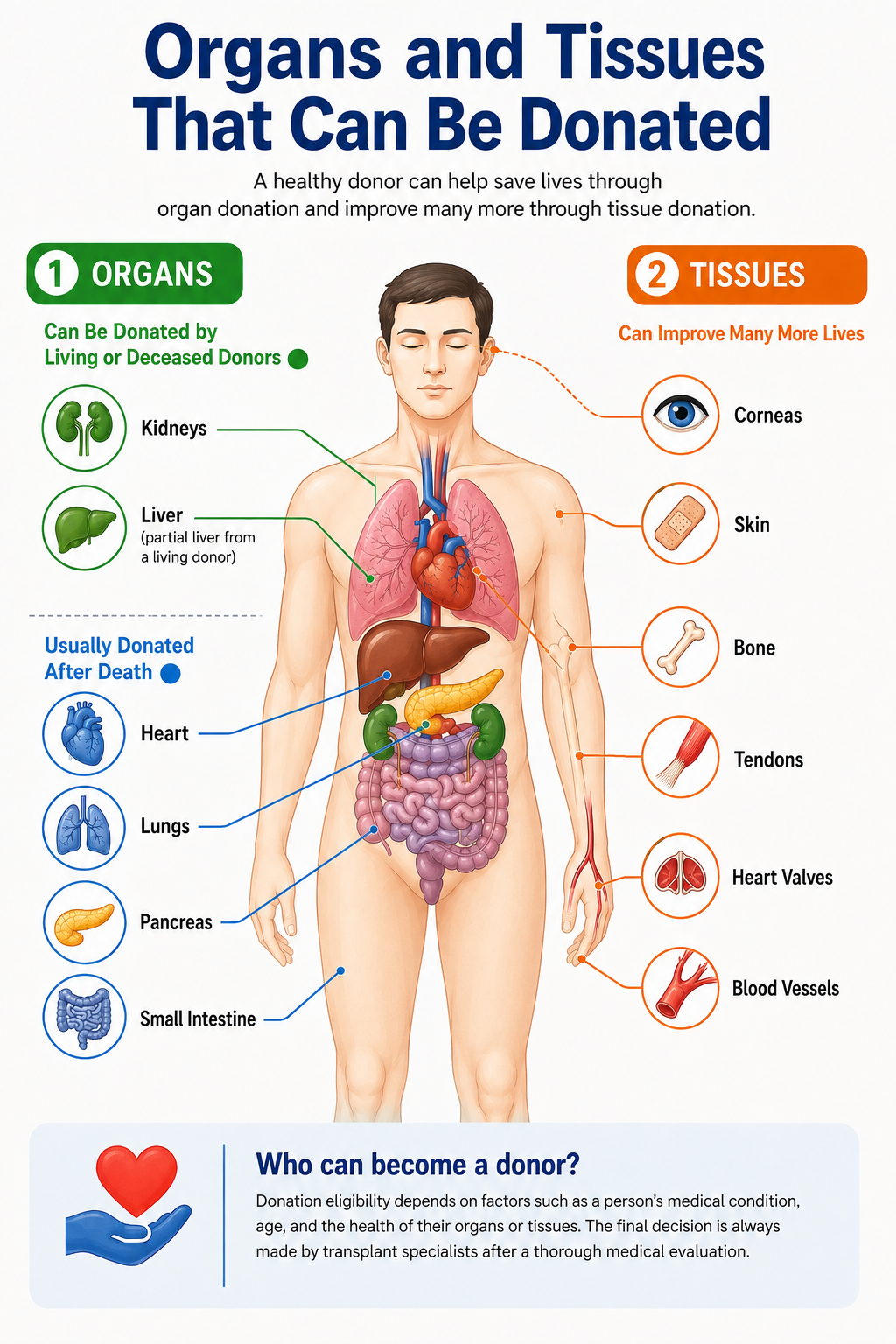
Organ donation is no longer limited to kidney or heart donation. Based on the medical condition of the donor and the type of donation, you can donate organs and tissues to save lives or enhance the quality of life of patients. The infographic below highlights the organs and tissues that may be suitable for transplantation.
Organ Donation in India: Progress, Challenges, and How You Can Help
In recent years, organ transplantation has been on the rise in India. The country’s rate of organ transplantation reached 20,019 in 2025, indicating growth in organ donation services. However, there is still a shortage of available organs for transplant. According to NOTTO data, 89,839 patients were on the organ transplant waiting list as of March 3, 2026, highlighting the need for better donor participation and public understanding.
Challenges in organ donation:
Many families have limited knowledge about brain death and organ donation, which in turn makes it difficult to take appropriate decisions during emotional situations.
Some common myths regarding organ donation are related to age, religion, and medical conditions that may prevent people from considering the idea of being an organ donor.
Specialists make the decision on eligibility for donation based on careful examination. It is better to leave this task to professionals.
How India supports organ donation:
The National Organ and Tissue Transplant Organization (NOTTO) is responsible for the national transplantation programme, maintaining the transplant database, and allocating organs in the country.
There are agents of organ donation at the state level and transplant centres that participate in the work with NOTTO regarding organ donation and organ transplants.
How you can help:
You may register as an organ donor through NOTTO or a registered donor programme in your state.
You may want to keep your family aware of your decision on organ donation so that they can fulfil your wish in case of need.
On World Organ Donation Day in India, you can help by informing people about organ donation and educating them about the misconceptions that exist regarding this issue.
It all starts with a conversation. Making an informed decision today could help give someone a second chance at life tomorrow.
Expert Advice
Dr Avnish Kumar Seth, Chairman, Manipal Organ Sharing & Transplant (MOST), Manipal Hospitals, has emphasised that while pledging to become an organ donor is important, discussing that decision with family members is equally essential. In India, family consent is a necessary part of the process, making discussions imperative to fulfil an individual's wish.
FAQs
1. What are the organs that can be donated?
The major organs available for donation are the heart, lung, liver, kidney, pancreas and small intestine. One person can save up to 8 lives with organ donation.
2. Which country is the biggest organ donor?
Spain has one of the highest rates of organ donation after death across the globe due to its comprehensive transplant system and public education.
3. Which organ is never donated?
The brain cannot be donated as it is highly complex in its functions and structure.
4. Which gender donates the most organs?
Women are more common living donors, while men make up a larger share of deceased donors in many countries.
5. How long do donated organs remain usable after death?
Organs need to be harvested immediately after death. The heart and lungs last for about 4–6 hours, while kidneys may last for about 24–36 hours if preserved properly.
6. Which organ transplant has the highest rejection risk?
Lung transplants have a higher risk of rejection and require lifelong monitoring and medication.
7. Who is the smallest organ donor in the world?
The smallest organ donors are newborn babies or infants whose organs can help save the lives of other children. This is done under strict medical and legal criteria, with the consent of the parents or guardians.
Read also
Kidney Transplant Immunosuppressant Medicines: Complete Guide
Liver Transplant Surgery: Process, Recovery, and Life After Transplant
References
https://www.pib.gov.in/PressReleasePage.aspx?PRID=2237410&lang=1®=1
https://www.hrsa.gov/optn/patients/organ-transplants/how-organ-allocation-works
Disclaimer: The information provided in this article is intended for educational and awareness purposes only and should not be considered a substitute for professional medical advice, diagnosis, or treatment. Organ donation eligibility is determined by qualified healthcare professionals based on individual medical circumstances and applicable laws. If you are considering becoming an organ donor or have questions about organ transplantation, consult your doctor or contact your nearest authorised transplant centre.













Comments