

Six Best Foods To Lower Cholesterol





Last updated on 24 Mar 2026
Key Takeaways
|
High cholesterol is a common concern, and many people find that medications alone do not deliver the results they want. Diet plays a powerful role alongside medication and exercise, and knowing which foods actively support heart health makes a meaningful difference. This guide walks you through six of the best foods to lower cholesterol and explains why each one earns its place on your plate.
Understanding Cholesterol
The Cardiological Society of India (CSI) Clinical Practice Guidelines for Dyslipidemia Management (2024). The guidelines specifically recommend reducing sugar and carbohydrate intake for Indians, as these contribute more to arterial blockages than moderate fat consumption. Regular exercise and yoga, which offer heart-protective benefits and are culturally relevant to Indian patients, are also recommended alongside dietary changes.
The word cholesterol automatically evokes an association with poor heart health, but the picture is more nuanced than that. The liver produces cholesterol from dietary fats, and the body needs a certain amount to function properly. The problem arises when levels become too high. Low-density lipoprotein (LDL) and triglycerides are the forms of cholesterol that cause the most harm, transporting fats from the body to the heart and blood vessels and raising cardiovascular risk over time.
Six Foods That Lower Cholesterol
The ICMR-INDIAB study in 2024 found that low HDL (good) cholesterol is the most widespread lipid problem in India, affecting 66.9% of the population and is uniformly high across both urban and rural areas.
1. Fruits and Vegetables
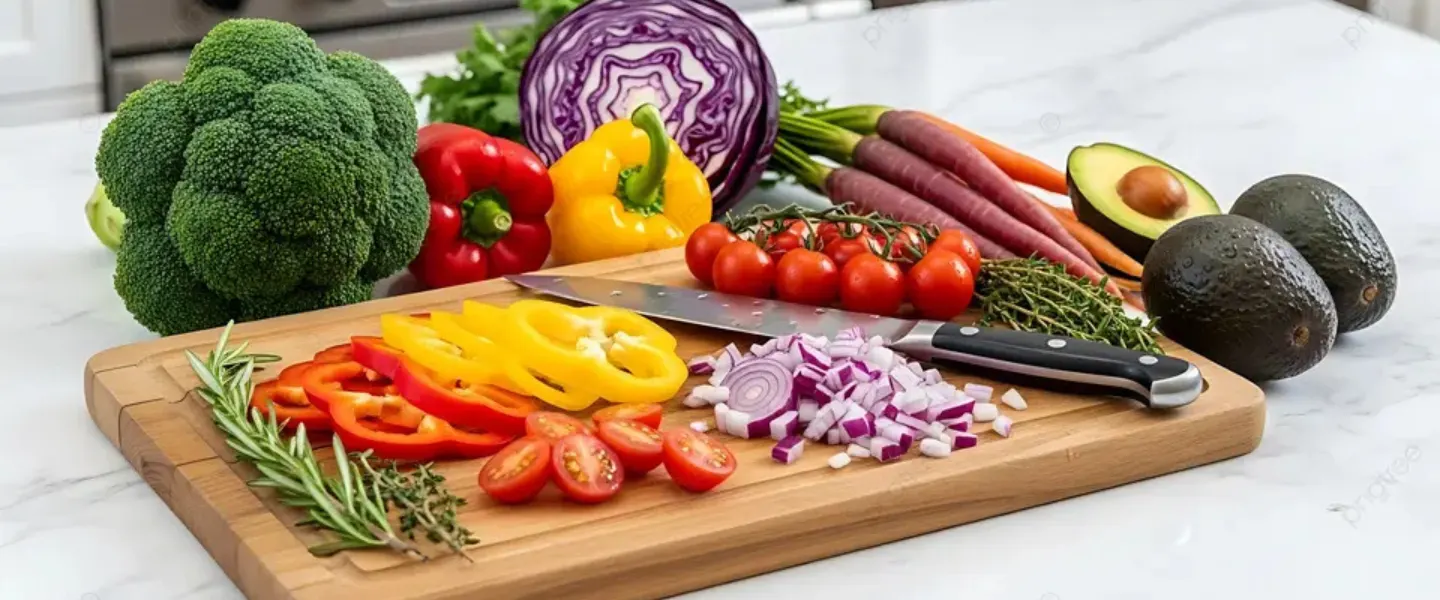
Fruits and vegetables rank among the most effective dietary tools for lowering cholesterol. They are rich in fibre and antioxidants, both of which actively reduce cholesterol levels in the blood. Aim for at least 5 servings per day, including starchy vegetables such as potatoes, corn, and peas alongside leafy greens. Fruits that work particularly well include bananas, apples, avocados, and fresh berries. Their combination of soluble fibre and antioxidant compounds makes them a cornerstone of any heart-healthy diet.
2. Whole Grains
Remember: not all grains deliver the same nutritional value.
Whole grains retain the entire grain kernel, including the bran, keeping their vitamins, trace elements, and iron intact. Refined grains, by contrast, are ground into flour during processing, which strips away most of their nutritional value. Swapping refined grains for whole grains across your daily meals makes a substantial difference to both cholesterol levels and overall health. Good choices include quinoa, oats, corn, barley, and brown rice. Including whole grains at every meal delivers the most consistent benefit.
3. Soya
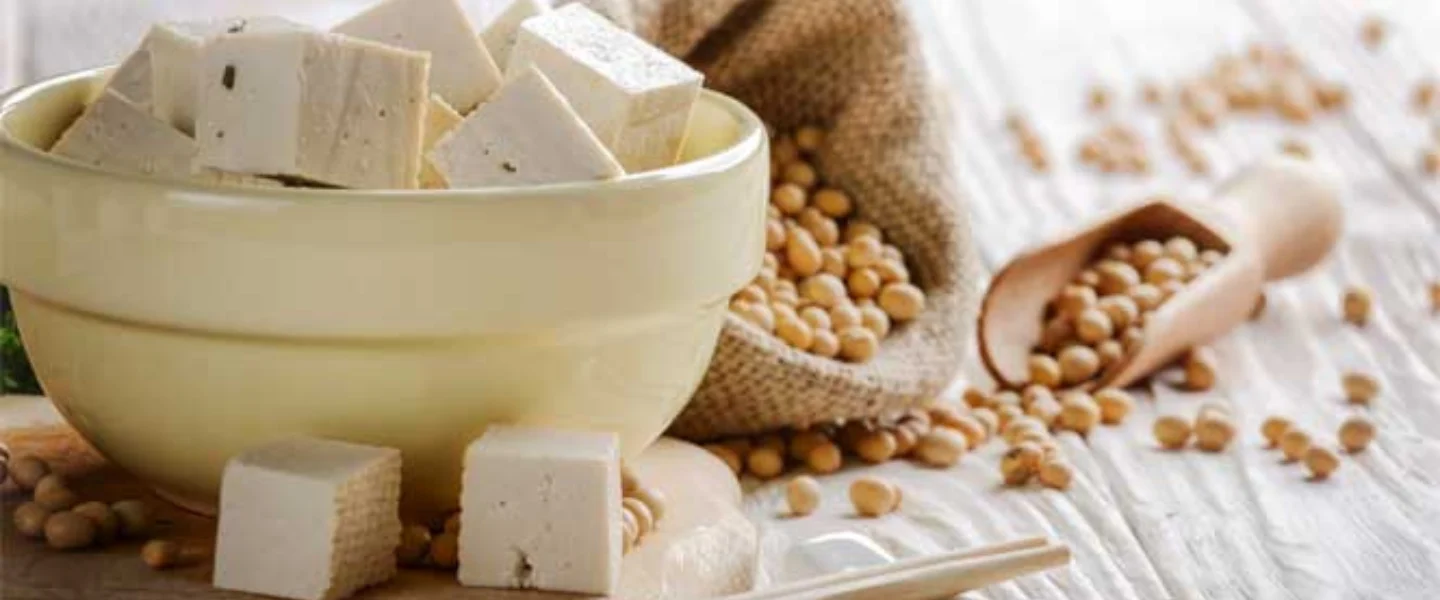
Soya and its products are rich in plant-based protein and low in saturated fats, making them an excellent alternative to meat and dairy for those looking to manage cholesterol. Regular consumption of soya actively lowers cholesterol levels over time. Practically, you should add soy milk, soy paneer, cooked soybeans, and soy chunks, commonly known as meal maker. These foods fit easily into everyday Indian cooking and provide a nutritious, heart-friendly protein source.
4. Pulses
Beans, chickpeas, lentils, and peas all belong to the pulse family, and they support healthy cholesterol levels. Pulses keep you feeling full for longer, which reduces the likelihood of reaching for high-fat foods that contribute to cholesterol build-up. Eating two to three cups of pulses daily significantly lowers cholesterol and supports broader cardiovascular health. They are also an affordable, versatile, and widely available dietary staple across India.
5. Nuts
A small daily handful of unsalted nuts delivers impressive heart health benefits. Peanuts, cashews, almonds, hazelnuts, and walnuts are all rich in healthy fats, fibre, minerals, and antioxidants that actively support heart function. The key is moderation. A handful a day provides the benefit without overloading on calories. Always choose unsalted varieties, as added salt can raise blood pressure and counteract the cardiovascular advantages these nuts provide.
6. Fatty Fish
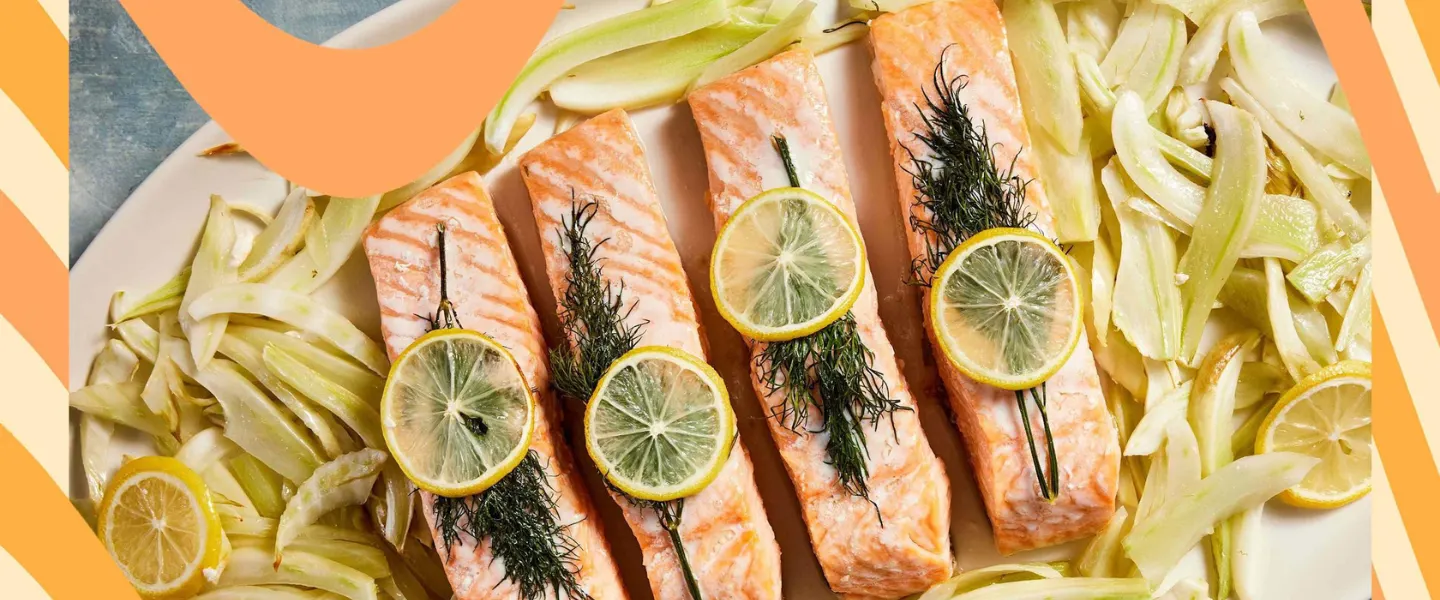
Fish varieties such as salmon and tuna are rich in omega-3 fatty acids, which lower LDL cholesterol while raising HDL, the good cholesterol that protects the heart. Unlike most other animal proteins, fatty fish is naturally low in saturated fats, making it a far healthier choice than red or processed meat. Eating fatty fish three times a week supports good cholesterol control and reduces the risk of broader heart-related complications.
However, if you are pregnant, planning a pregnancy, or breastfeeding, consult your physician before increasing your intake of fatty fish, as some varieties contain elevated levels of mercury.
Make an Informed Decision for Your Heart
The six foods above form the foundation of an effective, heart-friendly eating plan. Using diet to lower cholesterol is a long-term strategy that complements medication rather than replacing it. Following a personalised diet plan tailored to your specific health profile helps prevent complications and supports sustained heart health over time. Check your cholesterol levels, blood pressure, and other key health parameters with your physician regularly to track your progress and adjust your approach as needed.
Frequently Asked Questions
1. Can diet alone lower cholesterol without medication?
For some people with mildly elevated cholesterol, dietary changes can make a significant difference without medication. However, many individuals require both dietary changes and medication to reach healthy levels. Always consult your doctor before adjusting or stopping any prescribed treatment.
2. How quickly can a diet lower cholesterol?
Dietary changes can affect cholesterol levels within a few weeks, though meaningful improvements typically take two to three months of consistent eating habits. Individual results vary based on starting cholesterol levels, genetics, and overall lifestyle.
3. How much fibre do you need to lower cholesterol?
Most health guidelines recommend 25-30 grams of dietary fibre per day for adults. Soluble fibre, found in oats, fruits, pulses, and vegetables, is particularly effective at reducing LDL cholesterol levels.
4. Are all fats bad for cholesterol?
No. Unsaturated fats found in nuts, fatty fish, avocados, and olive oil actively support healthy cholesterol levels. Saturated fats found in red meat, full-fat dairy, and processed foods raise LDL cholesterol and should be limited.
5. Can people with high cholesterol eat eggs?
This remains a topic of ongoing discussion among nutritionists. Current guidance suggests that up to one egg per day is safe, as it does not significantly raise cholesterol for most healthy people. Those with existing heart conditions or very high cholesterol should consult their doctor for personalised advice.
Read Also
References
Ghavami A, Ziaei R, Talebi S, Barghchi H, Nattagh-Eshtivani E, Moradi S, et al. Soluble fibre supplementation and serum lipid profile: a systematic review and dose-response meta-analysis of randomised controlled trials. Adv Nutr [Internet]. 2023 [cited 2026 Mar 21];14(3):465–474 https://pubmed.ncbi.nlm.nih.gov/36796439/.
Yao F, Ma J, Cui Y, Huang C, Lu R, Hu F, et al. Dietary intake of total vegetables, fruits, cereal, soluble and insoluble fiber and risk of all-cause, cardiovascular, and cancer mortality: systematic review and dose-response meta-analysis of prospective cohort studies. Front Nutr [Internet]. 2023 [cited 2026 Mar 21];10:1153165 https://www.frontiersin.org/journals/nutrition/articles/10.3389/fnut.2023.1153165/full.
Salehin S, Ranadheera CS, Kaur S, Ajlouni S. Effectiveness of high-fibre, plant-based diets in reducing cardiovascular risk factors among middle-aged and older adults: a systematic review. J Nutr [Internet]. 2024 [cited 2026 Mar 21] https://pubmed.ncbi.nlm.nih.gov/39314563/.
Disclaimer: The information in this article is intended for general informational purposes only and does not constitute medical advice. Dietary needs and cholesterol management strategies vary between individuals based on health status, medications, and personal circumstances. Always consult a qualified healthcare professional or registered dietitian before making significant changes to your diet, particularly if you have a diagnosed heart condition or are currently taking cholesterol-lowering medication.











Comments