

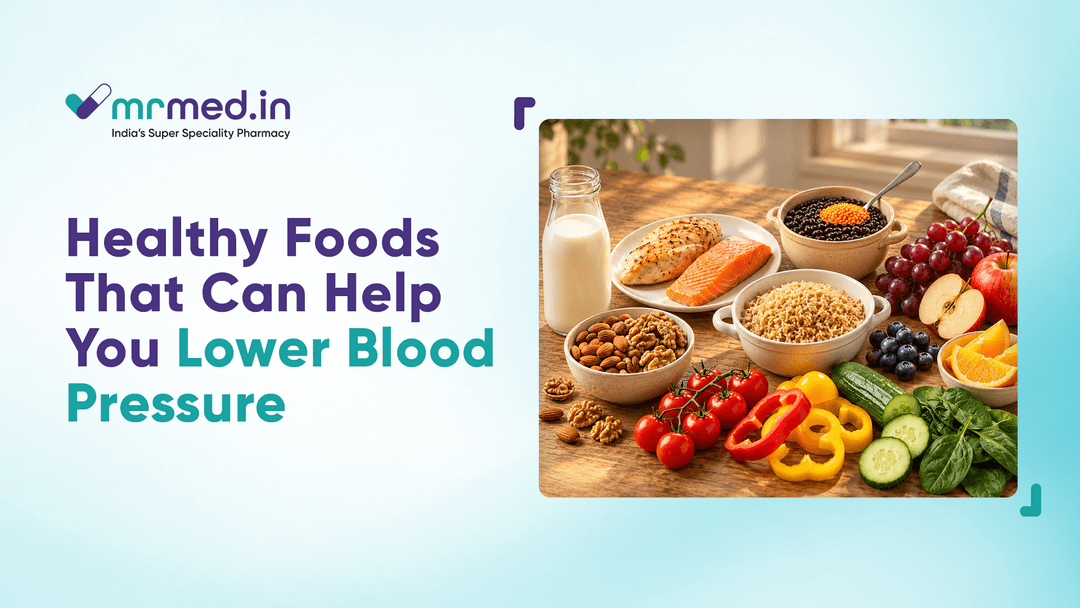
Healthy Foods That Can Help You Lower Blood Pressure




Last updated on 08 Oct 2026
Food can play an important role in managing high blood pressure, especially when the overall eating pattern is balanced and lower in sodium. Rather than relying on one “miracle” food, a BP diet should include plenty of vegetables, fruits, whole grains, pulses, nuts, seeds, and low-fat dairy, while limiting foods high in salt, saturated fat, and added sugar.
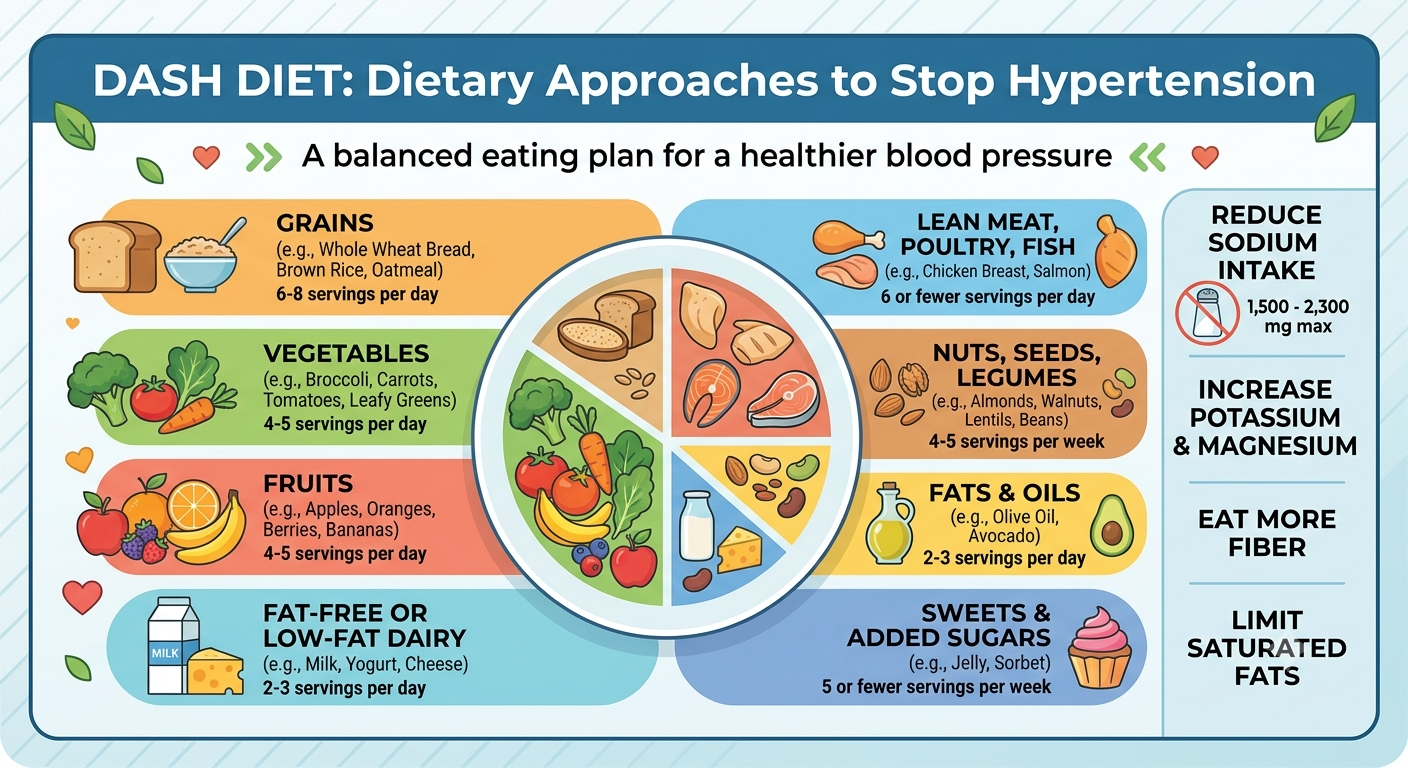
One of the best-studied approaches is the DASH diet (Dietary Approaches to Stop Hypertension). In the original DASH trial, the combination diet lowered systolic blood pressure by 5.5 mmHg and diastolic blood pressure by 3.0 mmHg more than the control diet. Among participants who already had hypertension, the reduction was even greater, at 11.4 mmHg systolic and 5.5 mmHg diastolic.
So, what should you actually put on your plate?
Key Takeaways
|
Potassium-rich foods can help balance the effects of sodium
Potassium is a mineral that helps regulate fluid balance and supports normal blood-vessel function. It can also counter some of sodium's effects on blood pressure. Good dietary sources include bananas, potatoes, sweet potatoes, leafy greens, beans, tomatoes, oranges, guava, yoghurt and other fruits and vegetables.
This makes potassium-rich foods an important part of a balanced diet for high BP.
Some simple Indian combinations include:
Banana with unsalted nuts
Dal with a vegetable sabzi
Plain curd with a meal
Palak or other leafy greens with roti
Rajma or chana with brown rice
Guava, orange or papaya as a snack
However, more potassium is not automatically better for everyone. People with kidney disease, certain medical conditions, or those taking medicines that affect potassium levels may need to restrict potassium. Therefore, do not start potassium supplements or potassium-based salt substitutes without medical advice.
Vegetables should take up more space on your plate
Vegetables are among the most useful foods to reduce blood pressure because they provide potassium, fibre, magnesium and other nutrients while generally being naturally low in sodium.
Good choices include:
Spinach and other leafy greens
Tomatoes
Carrots
Beetroot
Broccoli
Beans
Peas
Pumpkin
Bottle gourd
Ridge gourd
Cauliflower
Cabbage
Fresh or frozen vegetables without added sauces or salt can both work well. If you use canned vegetables, choose low-sodium options and rinse them to reduce sodium.
For an Indian diet for high blood pressure, the preparation matters too. A naturally healthy vegetable can become a less suitable choice if you cook it with large amounts of salt, butter, ghee, or processed sauces.
Whole grains and pulses make everyday meals more balanced
A high blood pressure diet does not mean giving up carbohydrates. Instead, choose more whole grains and pair them with vegetables and protein to make meals more nutritious and filling.
Useful options include:
Oats
Barley
Brown rice
Whole-wheat roti
Millets
Dalia
Quinoa
Lentils
Chickpeas
Rajma
Other beans
Pulses are particularly useful because they provide plant protein, fibre and minerals. They can easily fit into familiar Indian meals such as dal, chana, rajma or sambar.
Should you quit Rice if you have BP?
No. You don't have to eliminate rice just because you have high blood pressure. The overall meal matters more than avoiding one staple food.
You can make rice-based meals more balanced by:
Keeping portions appropriate for your individual needs
Choosing brown rice or other whole grains more often if suitable
Pairing rice with dal or another protein source
Adding plenty of vegetables
Avoiding very salty accompaniments
Rice itself is not the main concern. The bigger issue is what accompanies it, such as salty pickles, papad, processed curries, or heavily salted side dishes.
WHO also recognises rice and other cereals as part of a healthy, varied diet, alongside vegetables, fruits, legumes and other nutritious foods.
Unsalted nuts and seeds add heart-healthy nutrition
Nuts and seeds can be useful additions to a balanced diet because they provide unsaturated fats, protein, fibre and minerals.
Consider:
Almonds
Walnuts
Peanuts
Pistachios
Pumpkin seeds
Flaxseeds
Chia seeds
The important word here is unsalted. Salted nuts can add substantial sodium to an otherwise healthy snack.
A small handful can be a convenient snack, but portion size still matters because nuts and seeds are relatively energy-dense.
Low-fat dairy can fit into a BP-friendly diet
The DASH eating pattern includes low-fat or fat-free dairy foods. Plain curd, yoghurt and milk can provide calcium and other nutrients without the high saturated-fat content of some full-fat dairy choices.
For Indian meals, plain unsalted curd can be an easy addition. Be cautious with heavily salted buttermilk, processed cheese and other dairy products where sodium can add up.
Beetroot and garlic can be included, but they are not magic foods
Is beetroot good for blood pressure?
Beetroot can be included in a healthy diet and is naturally rich in nutrients. It also contains dietary nitrate, which can contribute to nitric oxide production and blood-vessel relaxation. However, beetroot should be considered part of an overall healthy eating pattern rather than a replacement for prescribed treatment.
Whole beetroot can also be a more useful everyday choice than turning it into a sugary or highly processed drink.
Is garlic good for high blood pressure?
Garlic can be used to add flavour to meals without relying heavily on salt. Some research has looked at garlic preparations and blood pressure, but this does not mean eating garlic can replace blood-pressure medication.
Using garlic, ginger, coriander, cumin, lemon and other herbs and spices is a practical way to make lower-sodium food more enjoyable.
Reducing sodium may matter as much as adding healthy foods
Adding healthy foods is only half of the equation. Reducing sodium is particularly important for people with high blood pressure.
WHO recommends that adults consume less than 5 g of salt per day, equivalent to less than 2 g of sodium.
Dr Taskeen Khan, in the WHO’s Science in 5 episode on hypertension, emphasised reducing sodium or salt as part of blood-pressure management and also highlighted the importance of taking prescribed medication and following up with a doctor.
In everyday Indian meals, sodium can come from more than the salt shaker. Avoid consuming foods with high sodium like:
Pickles
Papad
Namkeen
Salted nuts
Instant noodles
Packaged soups
Processed meats
Ready-to-eat meals
Sauces and condiments
Salted biscuits and savoury snacks
Processed cheese
A useful habit is to taste food before adding extra salt. Lemon, garlic, ginger, coriander, mint, black pepper, and other spices can add flavour without relying entirely on salt.
A simple Indian plate for high blood pressure
You do not need to completely redesign your kitchen to follow a BP diet.
A practical meal could look like:
Breakfast: Vegetable oats or vegetable poha with a fruit
Lunch: 2 whole-wheat rotis or a moderate portion of rice + dal + two vegetable preparations + plain curd
Snack: Guava, papaya or banana with a small portion of unsalted nuts
Dinner: Vegetable khichdi with dal and curd, or roti with vegetables and grilled fish/tofu
Flavouring: Lemon, coriander, mint, garlic, ginger, cumin and other herbs and spices instead of excessive salt
Exact portions should depend on your age, activity level, weight, medical conditions, and nutritional needs.
The DASH diet provides a practical foundation
The DASH diet is less about following a rigid menu and more about changing the balance of foods you eat.
A BP-friendly plate can include:
Food group | Better choices |
Vegetables | Spinach, carrots, tomatoes, beans, gourds, beetroot, broccoli |
Fruits | Bananas, oranges, guava, apples, papaya, berries |
Whole grains | Oats, brown rice, whole-wheat roti, barley, millets |
Pulses and legumes | Dal, chickpeas, rajma, peas, beans |
Nuts and seeds | Unsalted almonds, walnuts, peanuts, pumpkin seeds |
Dairy | Plain low-fat curd, yoghurt, milk |
Protein | Fish, skinless chicken, beans, lentils, tofu |
Fats | Small amounts of unsaturated vegetable oils |
The important point is that these foods work together. A banana may provide potassium, but eating a banana does not cancel out a very salty diet.
FAQs
Q1. What is the best food to reduce blood pressure?
There is no single best food. A diet rich in vegetables, fruits, whole grains, pulses, nuts, seeds and low-fat dairy, while limiting sodium, is better supported by evidence than relying on one food.
Q2. Are bananas good for high blood pressure?
Yes. Bananas provide potassium and can be part of a balanced diet for high blood pressure. However, they do not treat hypertension on their own.
Q3. What is the best diet for high blood pressure?
The DASH diet (Dietary Approaches to Stop Hypertension) is one of the most well-established dietary approaches for high blood pressure. It emphasises vegetables, fruits, whole grains, pulses, nuts, seeds and low-fat dairy while limiting sodium and less healthy fats.
Q4. Can diet lower blood pressure naturally?
Yes. Dietary changes can help lower blood pressure, particularly by reducing sodium and following a DASH-style eating pattern. However, some people still need medication, and dietary changes should complement, not replace, medical treatment.
Q5. Can I eat rice if I have high BP?
Yes. Rice can be part of a balanced diet for high blood pressure. Pay attention to portion size and pair it with vegetables, pulses or another healthy protein source rather than relying on salty accompaniments.
Read also:
References
American Heart Association. Managing Blood Pressure with a Heart-Healthy Diet. www.heart.org
American Heart Association. How Potassium Can Help Prevent or Treat High Blood Pressure. www.heart.org
World Health Organization. Hypertension. World Health Organization
Medical Disclaimer: This article is for general health information and is not a substitute for medical advice, diagnosis or treatment. If you have high blood pressure, kidney disease, heart disease or another medical condition, speak with your doctor or a qualified dietitian before making major dietary changes.











Comments