

Effective Home Remedies for High Blood Pressure





Last updated on 13 Oct 2026
High blood pressure does not always cause noticeable symptoms. A person may feel perfectly well and still have blood pressure readings that are higher than recommended. Over time, uncontrolled blood pressure can put extra strain on the heart and blood vessels, increasing the risk of serious health problems. Everyday habits can make a difference. Reducing salt, eating a balanced diet, staying active and managing stress can support BP control without requiring a complete lifestyle overhaul. If you are looking for how to lower blood pressure naturally, focus on measures that are practical, evidence-based and sustainable. Home care can support treatment, but it is not always enough on its own.
If you are looking for how to lower blood pressure naturally, it helps to know which measures have evidence behind them and which popular remedies have not been proven to work. Home care can support treatment, but it is not always enough on its own.
Key Takeaways
|
What Is High Blood Pressure?
Blood pressure measures the force of blood against the walls of the blood vessels. It is recorded using two numbers: systolic pressure, when the heart beats, and diastolic pressure, between beats.
High blood pressure, also called hypertension, is generally diagnosed when readings remain at 140/90 mmHg or above on separate occasions. The threshold may vary depending on individual circumstances.
Because high blood pressure often has no obvious symptoms, regular checks are important. The World Health Organization's guidance on hypertension highlights the importance of monitoring readings, following a healthy lifestyle and taking prescribed treatment.
What Are Some Home Remedies for High Blood Pressure?
When exploring high blood pressure home remedies, it is worth focusing on habits that can be maintained over time. These are practical measures that may help lower readings and support treatment, rather than quick fixes that promise immediate results.
1. Reduce the Amount of Salt You Eat
Reducing salt is one of the first steps to consider when learning how to reduce high blood pressure. Too much sodium can cause the body to retain water, increasing pressure inside the blood vessels.
The World Health Organization's sodium-reduction recommendations advise adults to consume less than 5 g of salt a day from all sources combined.
You can start by making a few changes to everyday meals:
Add less salt while cooking and avoid adding extra salt at the table.
Use lemon, garlic, ginger, pepper, coriander, cumin and other herbs or spices to add flavour.
Limit salty pickles, papad, namkeen, packaged snacks and instant noodles.
Check food labels for sodium or salt content, particularly on packaged foods, sauces and ready-to-eat meals.
Be mindful of how often you eat restaurant or takeaway food, which can contain more salt than expected.
You do not need to make food bland. The aim is to gradually reduce how much salt you use and allow your taste preferences to adjust.
2. Include More Fruit, Vegetables and Pulses
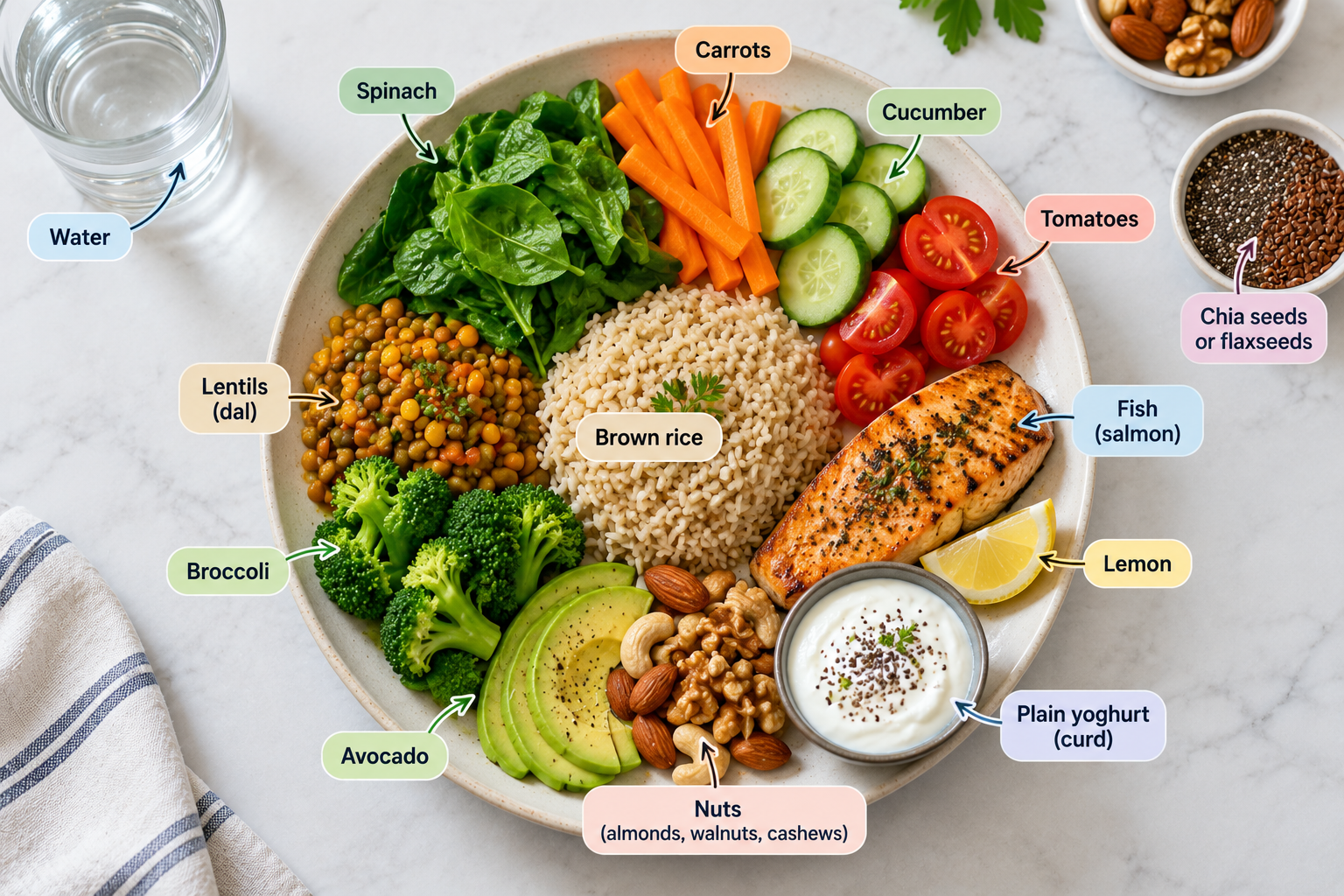
A balanced diet is one of the most practical natural remedies for high blood pressure. Fruit, vegetables, pulses and whole grains provide fibre and essential nutrients that support heart health and help with long-term blood pressure management.
Useful foods to lower blood pressure include:
Vegetables: Spinach, carrots, beans, tomatoes and bottle gourd.
Fruit: Apples, guavas, oranges and bananas.
Pulses: Dal, rajma, chana and other beans.
Whole grains: Oats, whole-wheat roti, millets and brown rice.
Nuts and seeds: Small portions of unsalted almonds, walnuts and pumpkin seeds.
For example, include vegetable dal with roti at lunch, fruit as a snack and oats or another whole grain at breakfast. Foods containing potassium can help counter some effects of sodium, but people with kidney disease or those taking certain medicines may need to limit potassium. Ask your healthcare professional what is suitable for you.
3. Make Everyday Meals More Heart-Friendly
A high blood pressure diet does not need to be restrictive. Focus on balanced choices most days rather than following a strict menu.
Some high blood pressure foods to avoid, or at least limit, include:
Heavily salted snacks, pickles and packaged savoury foods.
Processed meats and foods high in sodium.
Instant soups, noodles and ready-made meals.
Foods high in saturated or trans fats.
Sugary drinks and foods that make a balanced diet harder to maintain.
Cooking at home makes it easier to control the salt and oil used. When deciding what to eat to lower blood pressure, focus on variety and consistency rather than relying on one particular food. Choosing foods to reduce blood pressure, such as vegetables, fruit, pulses and whole grains, while limiting salty packaged foods can support a healthier eating pattern.
4. Make Walking Part of Your Routine
Regular physical activity helps the heart work more efficiently and can lower blood pressure over time. If you are not very active, begin with comfortable walks and gradually increase the duration. Walking after meals and breaking up long periods of sitting can also help.
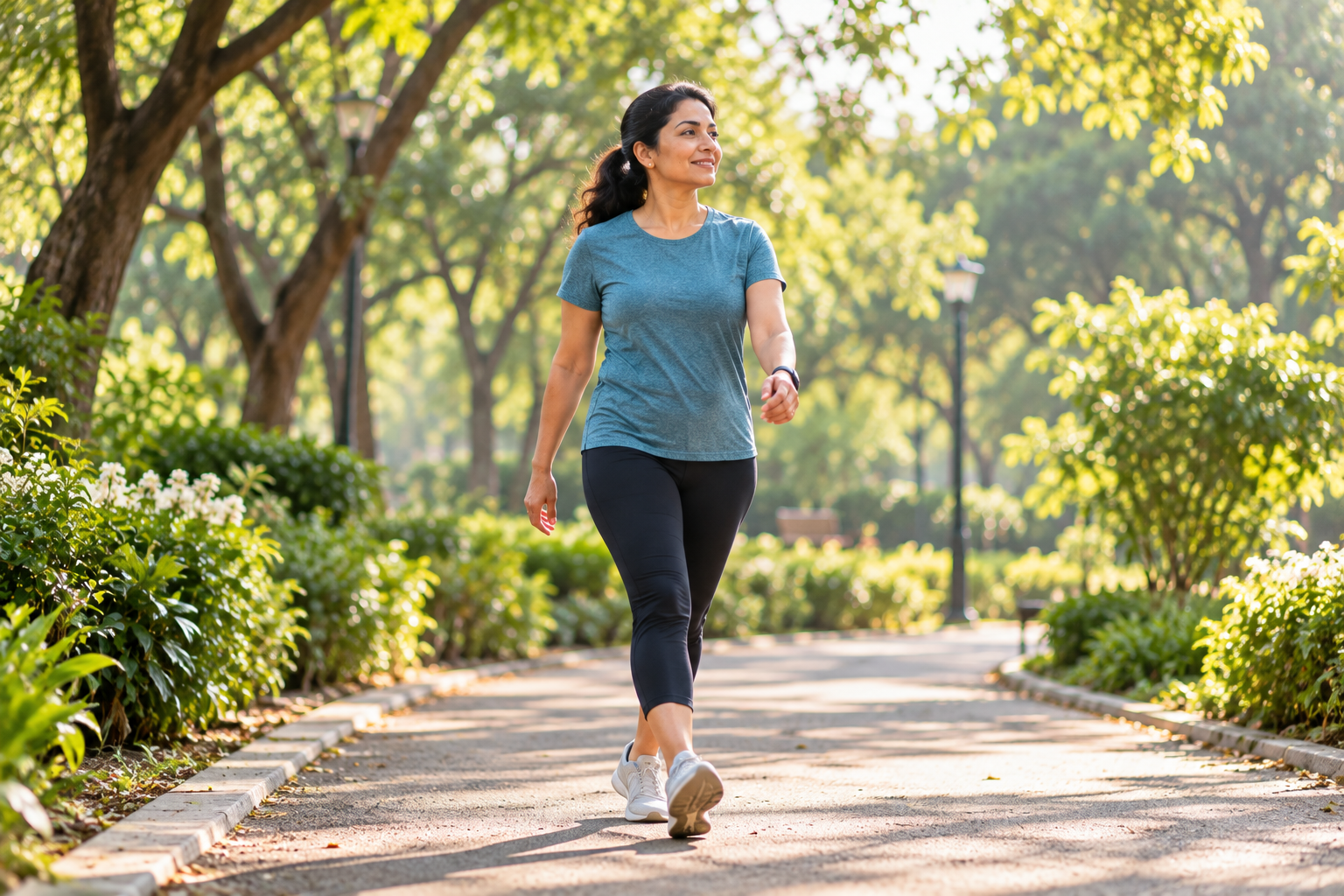
The WHO's physical activity recommendations suggest that many adults aim for at least 150 minutes of moderate-intensity activity each week, depending on their health and abilities. If your blood pressure is very high or you have been advised to restrict exercise, seek medical advice before starting strenuous activity.
5. Work Towards a Healthy Weight
Carrying excess weight can increase strain on the heart. For people who are overweight, gradual weight loss may help improve blood pressure readings. Regular meals, sensible portions, more vegetables and whole grains, and consistent physical activity are more sustainable than extreme diets. Weight is only one part of BP management, and people who are not overweight can also develop hypertension.
6. Limit Alcohol and Avoid Tobacco
Frequent or excessive alcohol consumption can raise blood pressure, so reducing your intake or avoiding alcohol may help. Smoking and other forms of tobacco increase cardiovascular risk. Quitting supports heart and blood vessel health, even if your blood pressure does not fall immediately. These changes are important high BP home remedies because they support overall cardiovascular health.
7. Make Time for Sleep and Stress Management
Stress can temporarily raise blood pressure, while poor sleep can make healthy routines harder to maintain. Simple habits such as maintaining regular sleep times, taking breaks, gentle stretching and slow breathing may help you relax.
Slow breathing is not a replacement for medical care. These home remedies for high blood pressure work best alongside a balanced diet, physical activity, regular monitoring and prescribed treatment.
How to Check Your Blood Pressure at Home
Home monitoring helps you and your healthcare professional understand your readings over time. For more reliable results:
Avoid caffeine, smoking and exercise for at least 30 minutes beforehand.
Sit quietly for five minutes, with your back supported and feet flat on the floor.
Use a validated upper-arm monitor with the correct cuff size.
Rest your arm on a surface so the cuff is at heart level.
Take two readings about one minute apart and record both.
Measure at consistent times if your healthcare professional has asked you to monitor regularly.
Record your readings and follow the monitoring schedule recommended by your healthcare professional. Avoid checking repeatedly every few minutes out of worry. These steps support high blood pressure treatment at home, but they do not replace diagnosis or medical review.
Can You Lower High Blood Pressure Quickly at Home?
If you are wondering how to lower blood pressure, start by understanding the reading rather than trying to force it down quickly. The right approach depends on how high the reading is and whether you have symptoms.
How to Lower BP Quickly at Home
If you want to know how to lower BP quickly at home, sit quietly for five minutes and repeat the measurement correctly. Breathe normally and avoid exercise, smoking or caffeine while reassessing the reading. Lifestyle changes can improve BP over time, but they are not reliable ways to lower dangerously high blood pressure within minutes.
How to Reduce BP in 10 Minutes?
A few minutes of quiet rest may help if stress or recent activity has temporarily raised your reading. Sit comfortably, breathe normally and measure your blood pressure again using the correct technique. However, there is no guaranteed way to bring high blood pressure down to a safe level in 10 minutes.
How to Lower Blood Pressure Quickly When High?
A mildly raised reading without symptoms is different from a very high reading accompanied by chest pain, breathlessness, confusion or changes in vision.
If your blood pressure is around 180/120 mmHg or higher, wait at least one minute and measure it again. If it remains this high, seek urgent medical advice. If you also have chest pain, difficulty breathing, sudden weakness, confusion or changes in vision, seek emergency medical care immediately.
How to Decrease High BP Immediately?
There is no safe, universal home method to decrease high BP immediately. Do not use strenuous exercise, herbal mixtures or extra doses of medication to force a rapid drop. Only take an additional dose if your healthcare professional has specifically instructed you to do so. If readings remain high, seek medical advice.
What to Drink at Home to Reduce High Blood Pressure?
If you are asking what to drink at home to reduce high blood pressure, remember that no particular drink has been proven to reliably lower a high reading immediately.
Water is a sensible everyday choice for most people, although it does not treat hypertension. Beetroot juice and unsweetened drinks may fit into some people's diets, but they should not be treated as guaranteed remedies. Herbal products and supplements may interact with medicines, and people with kidney or heart conditions may have fluid restrictions. Follow your healthcare team's advice.
Is There a 60-Second or 7-Second Trick to Lower Blood Pressure?
There is no established medical trick that reliably normalises high blood pressure in 60 seconds or seven seconds. Slow, comfortable breathing may help you feel calmer, but relaxation is not the same as treating hypertension.
If you want to know how to control high blood pressure naturally, focus on habits that can be maintained over weeks and months rather than techniques promising instant results.
When Are Home Remedies Not Enough?
Home remedies can help, but they do not work equally well for everyone. A healthcare professional may recommend high BP treatment based on your readings, medical history and overall risk of heart disease or stroke.
Blood pressure medications should be taken exactly as prescribed. Do not stop taking them because your readings improve or because you have started using home remedies. If you experience side effects, speak to your healthcare professional before changing your dose.
If you are searching for BP medicine online, use a legitimate, appropriately licensed pharmacy and follow prescription requirements. Avoid unverified products marketed as natural cures. A home remedy for high BP is a supportive habit, such as reducing salt or walking regularly, rather than a replacement for medical treatment.
Arrange a medical appointment if your readings are repeatedly higher than recommended, even if you feel well. If a reading remains around 180/120 mmHg or above after repeating it, seek urgent medical advice. If you have chest pain, breathlessness, sudden weakness, confusion or changes in vision, seek emergency care immediately. Do not wait for high blood pressure treatment at home to work when warning signs are present.
When Should You Seek Medical Help?
Arrange a medical appointment if your readings are repeatedly higher than recommended, even when you feel well. High blood pressure can cause damage over time without obvious warning signs.
Seek urgent medical advice for a very high reading that remains around 180/120 mmHg or above after repeating the measurement. If it is accompanied by chest pain, breathlessness, sudden weakness, confusion, a severe headache or changes in vision, seek emergency care immediately.
Do not wait to see whether high blood pressure treatment at home brings the reading down when warning signs are present.
Final Thoughts
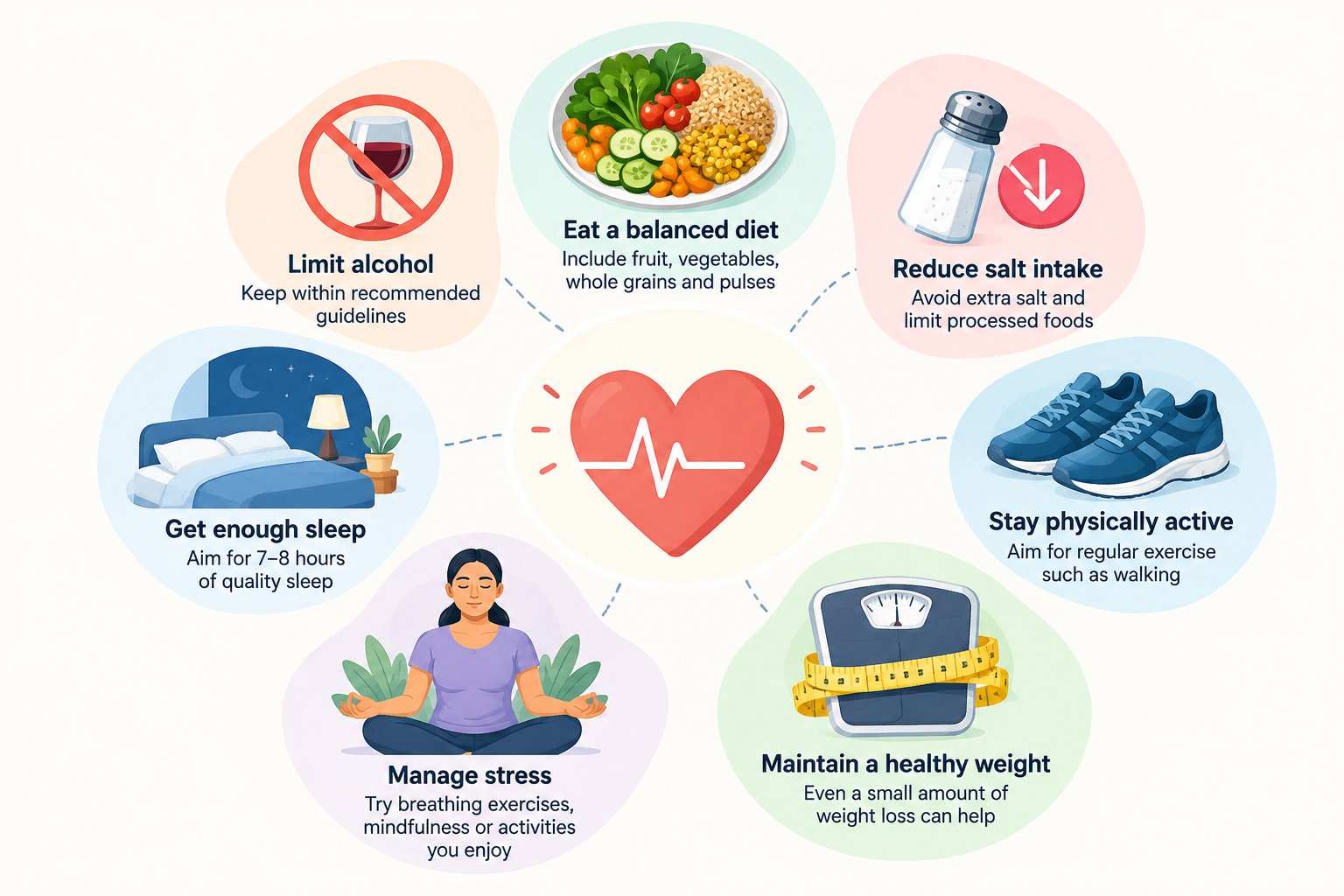
Managing high blood pressure can begin with small, consistent changes. Reducing salt, eating more vegetables and pulses, walking regularly and making time for rest can support long-term BP control. These measures are not instant cures, so seek medical advice if your readings remain high and continue prescribed treatment as directed.
FAQs
1. What are some home remedies for high blood pressure?
Useful home remedies for high blood pressure include reducing salt, eating more fruit and vegetables, staying active, maintaining a healthy weight and limiting alcohol. Regular monitoring and prescribed treatment remain important.
2. What are the best ways to lower blood pressure naturally?
The most useful ways to lower blood pressure naturally include reducing sodium, following a balanced diet, exercising regularly, avoiding tobacco, limiting alcohol and managing stress. Results usually develop over time.
3. Can I reduce BP from 140 to 120?
Some people may be able to reduce a systolic reading from 140 to 120 mmHg, but this cannot be guaranteed. Your target depends on your health and treatment plan, so discuss it with your healthcare professional.
4. What is a 60-second trick to lower blood pressure?
There is no scientifically established 60-second trick that reliably lowers high blood pressure. Quiet rest and slow breathing may help with relaxation but do not treat hypertension.
5. What is the 7 second trick to lower blood pressure?
No proven seven-second technique can reliably bring high blood pressure down to a safe level. Be cautious of online claims promising an instant cure.
6. How can I reduce BP naturally without medication?
Lifestyle changes may improve readings, but some people still need medication. If you want to know how to reduce BP naturally, start with reducing salt, eating a balanced diet, walking regularly and monitoring your readings. Never stop prescribed treatment without medical advice.
7. Which foods can help reduce blood pressure?
Vegetables, fruit, pulses, whole grains and unsalted nuts can support heart health. Limit salty packaged foods, instant meals and processed meats. The overall eating pattern matters more than any single food.
8. How long do home remedies take to work?
It varies. Some changes may influence readings within days or weeks, while sustained improvements can take longer. Keep a record of your readings and discuss them with your healthcare professional.
Also Read
Top 10 Mobile Health Technologies for Hypertension Management
Know What Causes Low Blood Pressure And Its Effects On Heart
References
1. https://www.who.int/india/health-topics/hypertension
2. https://www.who.int/tools/elena/interventions/sodium-cvd-adults
3. https://www.who.int/news-room/fact-sheets/detail/healthy-diet
4. https://www.who.int/news-room/fact-sheets/detail/physical-activity
5. https://www.who.int/en/news-room/fact-sheets/detail/hypertension
6. https://clinicalestablishments.mohfw.gov.in/en/standard-treatment-guidelines
Disclaimer
The information provided in this article is intended for general informational and educational purposes only. It should not be considered a substitute for professional medical advice, diagnosis or treatment. Always consult a qualified healthcare professional for advice regarding high blood pressure and before making any changes to your diet, lifestyle or prescribed medication. Do not stop or alter your medication without consulting your doctor.










Comments