

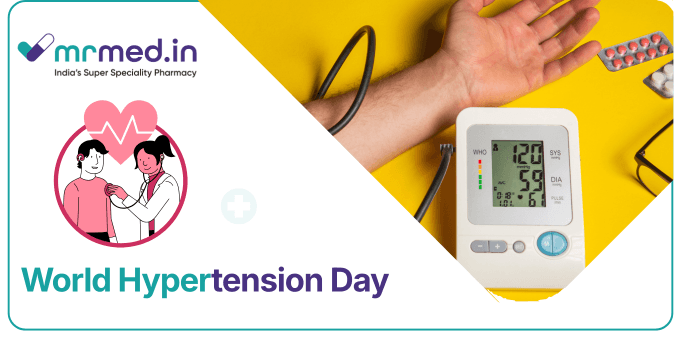
World Hypertension Day




Last updated on 03 Jun 2026
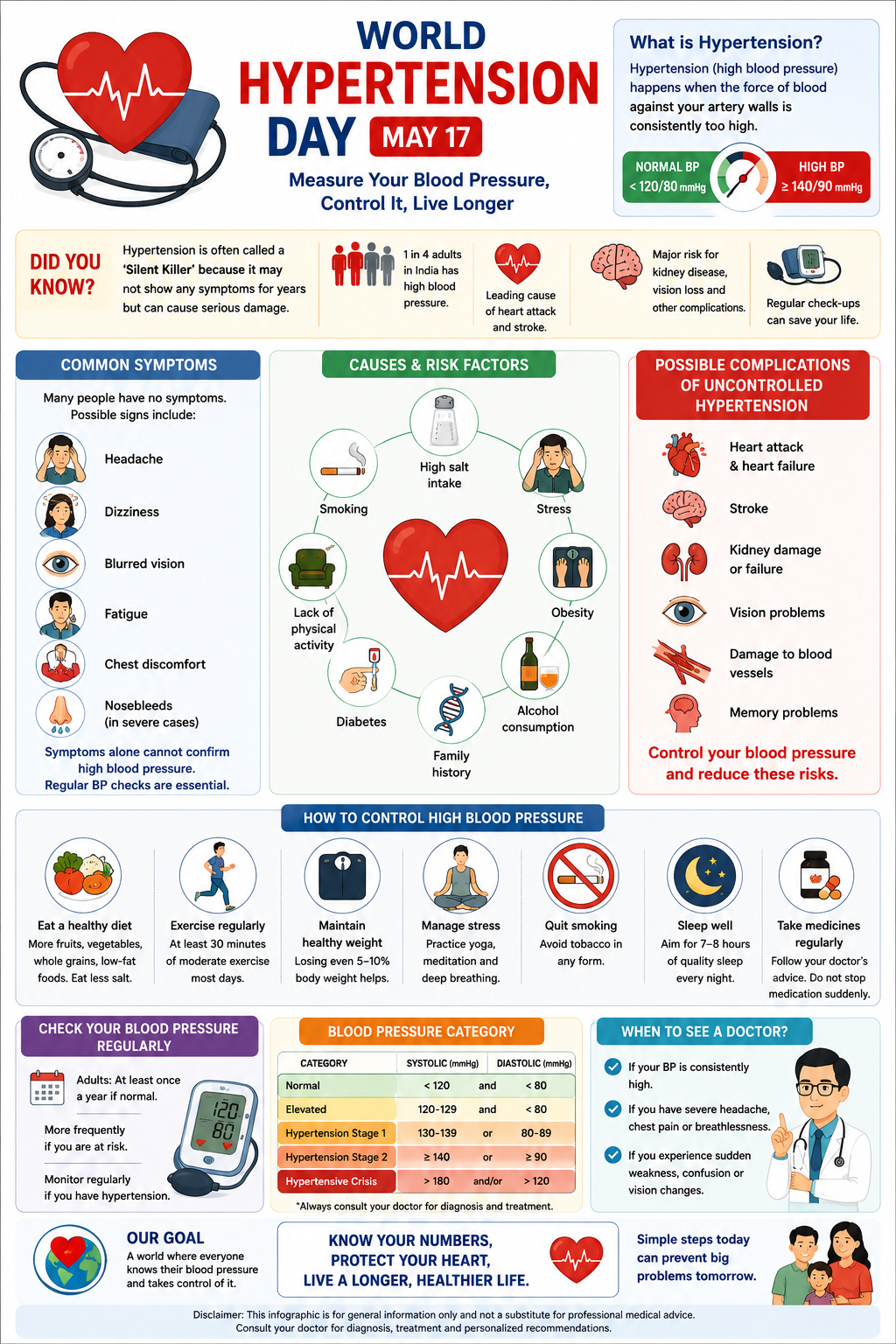
World Hypertension Day is observed every year on May 17 to raise awareness about high blood pressure and its serious health risks. Hypertension is often called a silent killer because many people experience no symptoms until complications develop. Uncontrolled blood pressure can increase the risk of heart attack, stroke, kidney disease, and vision problems.
The blog explains common causes, warning signs, prevention methods, and ways to control blood pressure through healthy eating, exercise, stress management, and regular monitoring. It also highlights the importance of early diagnosis and lifestyle changes in reducing long-term complications and improving overall heart health and quality of life.
Key Takeaways
|
You may feel perfectly normal and still have dangerously high blood pressure. That is what makes hypertension so risky. Many people discover it only after complications such as a heart attack, stroke, or kidney problem appear.
World Hypertension Day reminds people that checking blood pressure is not just for older adults or hospital patients. High blood pressure now affects younger adults, office workers, and even people who look healthy from the outside.
This awareness day encourages people worldwide to understand the risks of hypertension, monitor their blood pressure regularly, and take steps to protect their heart health before complications develop.
What Is World Hypertension Day?
World Hypertension Day is observed every year on May 17.
It was launched by the World Hypertension League to raise awareness of hypertension and encourage early diagnosis and treatment.
The campaign focuses on:
Blood pressure screening,
Lifestyle awareness,
Heart health education,
Prevention of complications.
Hospitals, healthcare groups, schools, and wellness organisations conduct awareness activities globally during this period.
What Is the Theme for World Hypertension Day 2026?
The official World Hypertension Day 2026 theme may be announced by global health organisations closer to the event date.
Most campaigns continue to focus on:
Regular blood pressure monitoring,
Reducing salt intake,
Physical activity,
Better heart health awareness,
Early diagnosis.
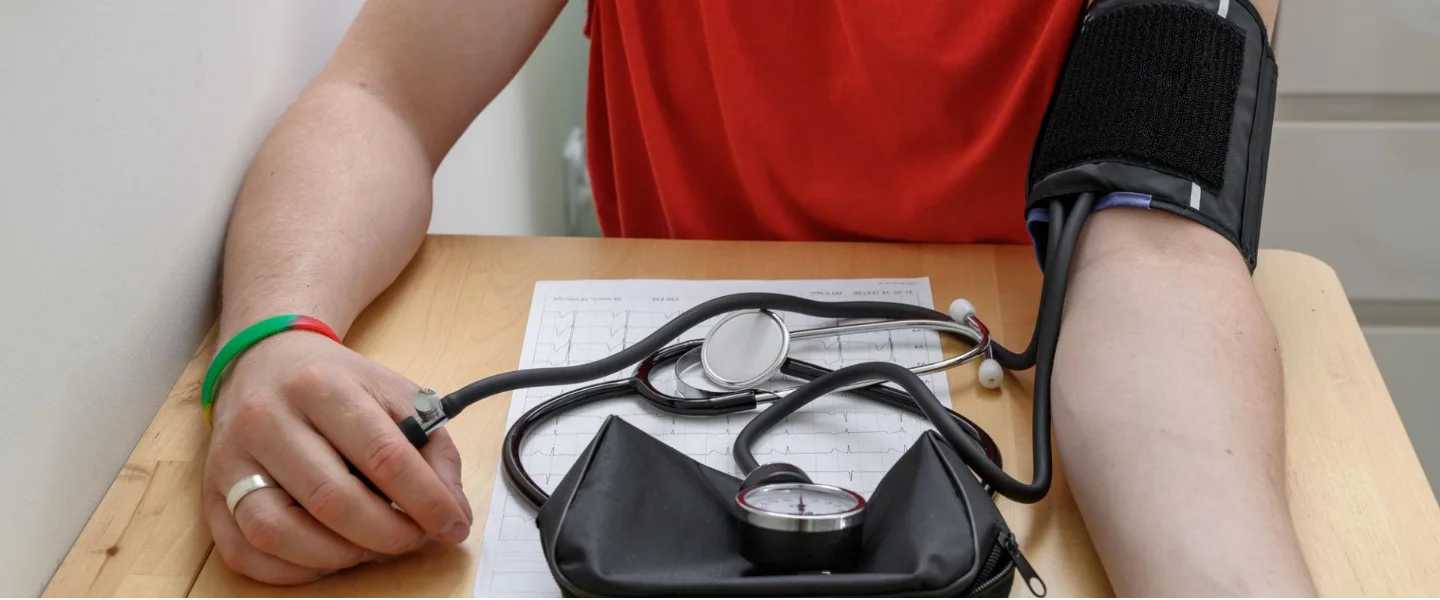
High blood pressure, also called hypertension, occurs when the force of blood against arterial walls remains consistently high.
Blood pressure readings include:
Systolic pressure: pressure during heartbeats.
Diastolic pressure: pressure between heartbeats.
Normal blood pressure is usually around 120/80 mmHg.
Persistent elevation increases stress on blood vessels and major organs.
Why Is Hypertension Called a Silent Killer?
Most people with high blood pressure experience no obvious symptoms initially.
Damage may slowly affect:
Heart,
Brain,
Kidneys,
Eyes,
Blood vessels.
Some people discover hypertension only after:
Stroke,
Heart attack,
Kidney disease,
Sudden vision problems.
That is why regular screening is extremely important.
Common Symptoms of High Blood Pressure
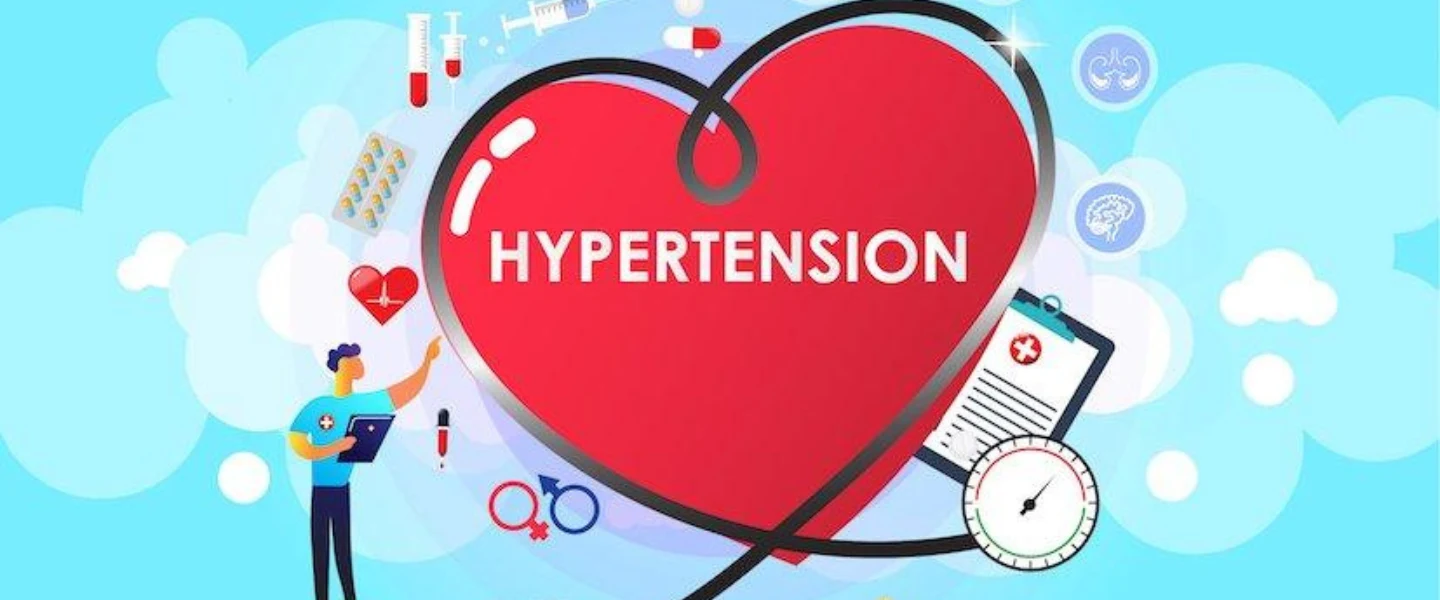
According to the National Family Health Survey (NFHS) and Indian hypertension studies, nearly 1 in 4 Indian adults has high blood pressure, with prevalence increasing rapidly due to sedentary lifestyle, obesity, stress, and unhealthy food habits. Researchers also warn that many Indians remain undiagnosed because hypertension often shows no early symptoms.
Although many people remain symptom-free, some common symptoms of high blood pressure may appear.
Possible Symptoms
Headaches,
Dizziness,
Blurred vision,
Fatigue,
Chest discomfort,
Shortness of breath,
Nosebleeds in severe cases.
Symptoms alone cannot reliably confirm hypertension. Blood pressure testing remains essential.
What Causes High Blood Pressure?
Several factors contribute to hypertension.
Common Causes and Risk Factors
High salt intake,
Stress,
Obesity,
Lack of physical activity,
Smoking,
Alcohol consumption,
Family history,
Diabetes,
Kidney disease,
Poor sleep.
Modern lifestyles with long sitting hours and processed foods have increased the risk globally.
Why Hypertension Is Increasing in India
India is witnessing a sharp rise in blood pressure-related diseases.
Contributing reasons include:
Sedentary lifestyles,
Increased stress,
Fast food consumption,
Poor sleep habits,
Urban pollution,
Rising obesity rates.
Many younger adults now develop hypertension earlier than previous generations.
How to Reduce High Blood Pressure Immediately
According to Dr Jamshed Dalal, Director and Senior Interventional Cardiologist, Kokilaben Dhirubhai Ambani Hospital, hypertension is often ignored because patients may feel completely normal despite dangerously high blood pressure levels. He emphasises that routine BP screening, lifestyle correction, and early treatment are essential to reduce the growing burden of heart disease and stroke in India.
Very high blood pressure needs medical attention. However, some healthy habits may help support blood pressure control.
Helpful Immediate Measures
Sit calmly and breathe slowly
Reduce stress,
Avoid smoking,
Limit caffeine temporarily,
Drink water if dehydrated,
Avoid excessive salt intake.
People with dangerously high readings should seek medical care immediately instead of relying only on home remedies.
How to Control High BP Long Term

The Indian Guidelines on Hypertension-IV (IGH-IV), developed by the Association of Physicians of India and the Hypertension Society of India, recommend regular blood pressure screening, reduced salt intake, physical activity, weight management, stress reduction, and proper medication adherence to prevent heart disease and stroke. The guidelines also encourage home blood pressure monitoring for better long-term control.
Managing hypertension requires consistency.
Eat a Heart-Healthy Diet
Choose:
Fruits,
Vegetables,
Whole grains,
Low-salt foods,
Healthy fats.
Reduce:
Packaged foods,
Fried foods,
Excess sugar.
Exercise Regularly
Physical activity supports:
Better blood circulation,
Weight management,
Heart health.
Even walking regularly helps.
Maintain a Healthy Weight
Excess body weight increases pressure on blood vessels and the heart.
Reduce Stress
Stress may temporarily raise blood pressure levels.
Helpful methods include:
Meditation,
Deep breathing,
Yoga,
Better sleep routines.
Avoid Smoking and Excess Alcohol
Smoking damages blood vessels and raises cardiovascular risk significantly.
Take Medicines Properly
People prescribed blood pressure medicines should:
Follow schedules regularly.
Avoid stopping medicines suddenly.
Monitor readings consistently.
Complications of Uncontrolled Hypertension
Untreated hypertension can seriously damage the body.
Possible Complications
Heart attack,
Stroke,
Kidney failure,
Vision loss,
Heart failure,
Memory problems.
Early treatment greatly reduces these risks.
World Hypertension Day Activities
Many organisations conduct awareness programs during World Hypertension Day.
Common Activities
Free BP check-up camps,
Health awareness seminars,
Fitness campaigns,
Educational posters,
Social media awareness drives,
Workplace screening programs.
Schools and offices also participate in awareness campaigns.
World Hypertension Day Quotes and Awareness Messages
Simple awareness messages help encourage healthy habits.
Examples:
“Know your numbers, protect your heart.”
“Check your blood pressure before it checks your health.”
“Healthy heart, healthy life.”
“Control blood pressure, reduce future risk.”
How Often Should You Check Blood Pressure?
Adults should check their blood pressure:
At least once every year if healthy.
More frequently, if high-risk.
Regularly, if already diagnosed with hypertension.
People with diabetes, obesity, kidney disease, or a family history need closer monitoring.
When Should You See a Doctor?
Consult a healthcare professional if:
Blood pressure remains consistently high.
You experience headaches or dizziness frequently.
Chest pain develops.
Breathing becomes difficult.
Vision changes occur.
Sudden severe blood pressure elevation requires emergency care.
Frequently Asked Questions
1. What is World Hypertension Day?
It is a global awareness day observed on May 17 to raise awareness of high blood pressure and heart health.
2. Why is hypertension dangerous?
Hypertension can silently damage the heart, brain, kidneys, and blood vessels for years without symptoms.
3. What is normal blood pressure?
A normal blood pressure reading is generally around 120/80 mmHg.
4. How can I reduce high blood pressure immediately?
Calm breathing, stress reduction, hydration, and medical attention for severe readings may help.
5. Can young adults get hypertension?
Yes. Stress, obesity, poor diet, and inactive lifestyles are increasing hypertension in younger adults.
6. Does stress increase blood pressure?
Yes. Stress can temporarily raise blood pressure and worsen long-term heart health.
7. Can hypertension be controlled naturally?
Healthy eating, exercise, weight control, stress management, and reduced salt intake can help support blood pressure control.
8. Is high blood pressure curable?
Many people manage hypertension successfully with lifestyle changes and medicines, but regular monitoring remains important.
Final Thoughts
World Hypertension Day is not just another health awareness event. It is a reminder that high blood pressure often develops quietly, slowly damaging the body over time.
The good news is that hypertension is manageable when detected early. Regular BP checks, healthier food choices, physical activity, better sleep, and medical guidance can significantly lower the risk of serious complications.
A simple blood pressure check today may prevent a major health crisis tomorrow.
Read Also
References
World Health Organisation. Hypertension [Internet]. Geneva: WHO; 2023 [cited 2026 May 15]. Available from: https://www.who.int/news-room/fact-sheets/detail/hypertension
Wazed S. World Hypertension Day 2024: statement by the WHO Regional Director for South-East Asia [Internet]. New Delhi: WHO SEARO; 2024 [cited 2026 May 15]. Available from: https://www.who.int/southeastasia/news/detail/17-05-2024-world-hypertension-day
Kario K, Mogi M, Hoshide S. Latest hypertension research to inform clinical practice in Asia. Hypertens Res. 2022;45:555–72.
Disclaimer
This article is for general informational purposes only and is not a substitute for professional medical advice, diagnosis, or treatment. Blood pressure levels and health risks vary between individuals. Always consult a qualified healthcare professional for proper evaluation and treatment. Seek immediate medical attention if you experience severe chest pain, breathing difficulty, sudden weakness, or very high blood pressure readings.












Comments