

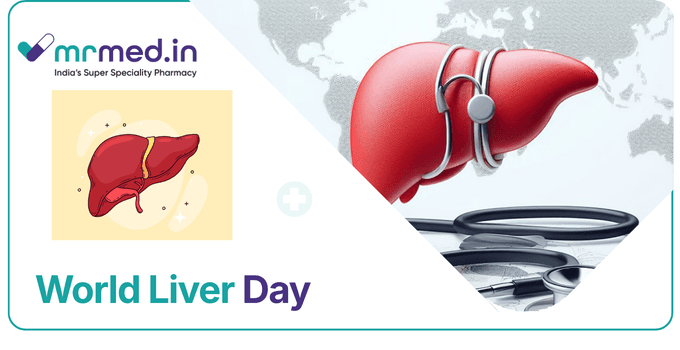
Mindful Choices For Liver Health On World Liver Day





Last updated on 09 Jul 2026
The World Liver Day informative program highlights how lifestyle choices negatively affect the liver, including the rise in Fatty Liver Disease. Education about liver disease, a healthy diet, exercise and regular screenings will help to reduce liver injury, improve liver function, and prevent long-term complications of liver disease.
Key Takeaways
|
Your liver does its job silently every day. It processes everything you eat, filters harmful substances, and keeps your body balanced. But here is the problem. Most people do not realise something is wrong until the damage has already started.
On World Liver Day, the focus is not just awareness. It is about understanding how your daily habits affect your liver and what you can do today to protect it.
What is World Liver Day and Why Should You Care?
World Liver Day is observed on April 19 each year to raise awareness of liver diseases and how they can be prevented.
This day matters because liver diseases are increasing rapidly in India, especially due to lifestyle changes. Many people assume liver problems happen only due to alcohol, but that is not true anymore.
Today, even young adults with no drinking history are diagnosed with fatty liver due to poor diet, stress, and lack of physical activity.
The goal of this day is simple:
Help people understand early warning signs
Encourage preventive health habits
Promote timely diagnosis
According to the World Life Expectancy Report, they rank among the top 10 causes of death in the country, highlighting the urgent need for awareness, early detection, and proper treatment.
.png "MrMed")
World Liver Day 2026 Theme: What It Means for You
The World Liver Day theme 2026 is Solid Habits, Strong Liver, which focuses on preventing fatty liver disease and encouraging early lifestyle changes.
This is important because fatty liver often starts without symptoms. By the time people notice signs, the condition may have already progressed.
This theme highlights one key idea:
Your daily routine has more impact on your liver than any medicine.
Understanding Your Liver: What Exactly Does It Do?
To understand liver health, you need to understand the vital role your liver plays. Your liver is a central processing unit for your body. The functions of your liver are too numerous to count—over 500! Some functions are as follows:
Detoxification - The liver removes chemicals from the blood, such as alcohol, drugs, and other toxins.
Metabolism - The liver converts food into energy and stores nutrients in excess.
Digestion - The liver produces bile, which helps with fat digestion.
Storage - The liver holds vitamins A, D, E, & K.
Immune Support - The liver helps to prevent infection.
When the liver does not function properly, its functions slow down; as a result, your health will also be negatively affected.
Dr Shiv Kumar Sarin, Hepatologist, Director, Institute of Liver and Biliary Sciences (ILBS), New Delhi, stated that “fatty liver disease is a silent but rapidly growing health crisis in India, and alcohol is not the only cause, as lifestyle factors play a major role.”
8 Dangerous Types Of Liver Diseases
Alcoholic liver disease
Liver cirrhosis
Drug-induced liver failure
Nonalcoholic liver disease
Autoimmune liver disease
Inherited liver diseases
Why Liver Diseases Are Increasing in India
In the past, liver diseases were considered rare among certain populations; now we see they are widespread across the entire population (of all ages).
Some of the reasons for this are:
Fast food and processed foods are being consumed in much larger quantities,
There are much higher quantities of sugar being consumed from soda and junk food,
Most people today lead a sedentary lifestyle with very little physical activity
Obesity and diabetes rates are continuing to increase
High levels of stress and abnormal sleep patterns
Each of these factors causes liver damage, which is directly related to the development of fatty liver.
Fatty Liver Disease: A Growing Concern
Fatty liver disease occurs when the liver becomes filled with fatty deposits.
Fatty liver disease has many types, including:
Non-alcoholic fatty liver disease (NAFLD), which occurs because of poor diet and being overweight or having metabolic disorders; and
Alcoholic fatty liver disease, which is due to drinking too much alcohol.
Almost all patients in India with fatty liver disease are categorised as non-alcoholic.
Why it is dangerous: Fatty liver disease may not exhibit symptoms until much later. Eventually, fatty liver disease can result in liver inflammation, liver scarring, and, eventually, liver failure.
Fatty Liver Causes Explained Clearly
Understanding the causes of fatty liver helps prevent it.
High sugar intake: Excess sugar converts into fat and gets stored in the liver
Refined carbohydrates: Foods like white bread and maida increase fat accumulation
Lack of exercise: Reduces fat burning
Obesity: Increases fat storage in organs
Insulin resistance: Common in diabetes, worsens liver fat buildup
Even people with a normal weight can develop fatty liver diet is poor.
The Indian National Association for the Study of the Liver states that non-alcoholic fatty liver disease is one of the most common liver disorders in India and is strongly linked to metabolic conditions such as obesity and diabetes.
Liver Disease Symptoms: Early vs Late Signs
Liver disease develops slowly, which makes it dangerous.
Early symptoms (often ignored):
Feeling tired all the time
Mild discomfort in the abdomen
Loss of appetite
Advanced symptoms:
Yellowing of skin and eyes
Swelling in the legs or stomach
Dark urine
Sudden weight loss
Mental confusion
Recognising these liver disease symptoms early can prevent complications.
Liver Function Test: Why It Is Important
A liver function test (LFT) is a straightforward blood analysis used to determine how well the liver works. An LFT examines the liver for elevated enzymes, proteins, and bilirubin in the blood.
Why is this important
Detects liver problems before you experience any symptoms
Monitors the level of speed at which body fat is deposited on the liver over time
Provides information that will help your doctor make an informed choice regarding what type of treatment is best for your liver issues.
Testing regularly is particularly relevant for individuals who have diabetes, are overweight or obese, and/or drink alcohol.
.png "MrMed")
Fatty Liver Treatment: What Actually Works
The treatment of fatty liver does not involve taking shortcuts or quick fixes. Taking a comprehensive approach to treatment, with an emphasis on lifestyle changes, consists of:
Weight loss of 5 to 10 per cent of total body weight reduces liver damage.
Change in diet plan by reducing unhealthy fats and sugar; restrict processed sugars; eat plenty of fruits, vegetables, and lean meats.
Regular physical activity in order to burn excess fat from the body.
Use of medications for co-existing diseases such as diabetes.
All therapies are most successful when combined with regular, consistent lifestyle changes.
.png "mrMed")
Best Diet for Liver Health: Detailed Explanation
Liver reset is based on diet.
Foods for liver health:
Leafy vegetables decrease fat accumulation
Fruits offer the liver cells protective antioxidant nutrients
Whole grains improve digestive and metabolic processes
Healthy fats are found in nuts and seeds
Lean protein aids in rebuilding tissue
A well-balanced diet builds long-term protection for the liver.
Foods That Harm Your Liver
Eating healthy is as critical as avoiding unhealthy foods.
Unhealthy foods:
Fried snacks, like samosas and chips
High sugar-beverages-and-sweets
Processed-packaging foods
Too much salt and preservatives
Alcohol
All of the above will lead to excess body fat and additional strain on the liver.
Liver Detox: Understanding the Truth
A lot of people are looking to do a quick liver cleanse diet.
The Important thing to know about detoxifying your body is that the Liver does this naturally.
The way to support the detox process includes drinking plenty of water, eating lots of fiber, avoiding toxins such as alcohol, and extreme liver detox drinks and diet cleanses are not necessary.
The following best drinks for liver health to maintain the proper function of your Liver:
Lemon Water for digestion.
Green Tea for antioxidants.
Moderate amounts of coffee to potentially reduce fatty liver.
Beet Juice for promoting blood circulation.
Coconut water for maintaining proper levels of hydration.
These beverages can help cleanse your Liver but will not cure it.
Lifestyle Changes for Liver Health
Your liver's health is directly related to how you live.
Things to change include:
Stay active
Be a healthy weight
Go to sleep early
Reduce your stress
Don't smoke or drink alcohol
Making these lifestyle changes will help your liver for many years.
Yoga for Liver health:
Yoga helps you to digest better and increases blood circulation.
Good yoga poses for your liver:
Bhujangasana helps your stomach to work properly.
Kapalbhati helps your metabolism work well.
Dhanurasana helps your liver function properly.
Doing these yoga exercises for your liver will improve your overall health.
Liver Supplements in India: Do You Need Them?
Supplements for caring for your liver are considered by many individuals.
Benefits to the liver from milk thistle:
Liver cells repaired
Inflammation decreased
Supplements do not replace good lifestyle habits.
Be sure to talk with your physician before taking these vitamins.
How to Improve Liver Health Naturally
You don’t need to take complicated steps to enhance your liver health.
A Practical Approach:
Eat Home-Cooked, Fresh Meals
Exercise
Drink Lots of Water
Stay Away from Junk Food
Get Regular Health Checkups.
Using these Natural ways to improve liver health by maintaining good intestinal health will help keep you healthy.
.png "MrMed")
FAQs (People Also Ask)
1. What are the 5 superfoods for the liver?
Leafy greens, garlic, walnuts, fatty fish, and berries help reduce fat and support liver function.
2. What is the theme of Liver Day 2026?
The Theme of Liver Day 2026b is Solid Habits, Strong Liver. It focuses on preventing fatty liver and promoting healthy lifestyle habits.
3. What drink reverses fatty liver?
No single drink can reverse fatty liver. Lifestyle changes are necessary.
4. What fruit cleans the liver?
Papaya, apples, and berries support liver health through their antioxidant properties.
5. How to prevent fatty liver?
Maintain a healthy diet, exercise regularly, and avoid alcohol.
6. What is World Liver Day?
It is observed on April 19 to raise awareness about liver diseases.
7. Can fatty liver be cured?
Early stages can be reversed with lifestyle changes.
8. What is the best diet for the liver?
A balanced diet with fruits, vegetables, and whole grains.
Conclusion
Your liver has been at work nonstop for over a year, but it requires assistance from you to function properly. World Liver Day 2026 is an annual event to remind us that it's far easier to prevent than to cure!
By practising good eating and exercise habits and undergoing frequent liver examinations, you will give your body the best chance of optimal liver function and overall health.
Read Also
References
World Life Expectancy. Liver disease in India [Internet]. 2024 [cited 2026 Apr 16]. Available from: https://www.worldlifeexpectancy.com/india-liver-disease
Younossi ZM, Koenig AB, Abdelatif D, Fazel Y, Henry L, Wymer M. Global epidemiology of nonalcoholic fatty liver disease. Hepatology. 2016;64(1):73–84. Available from:
https://aasldpubs.onlinelibrary.wiley.com/doi/10.1002/hep.28431
Chalasani N, Younossi Z, Lavine JE, Charlton M, Cusi K, Rinella M, et al. Diagnosis and management of NAFLD. Hepatology. 2018;67(1):328–357. Available from:
https://aasldpubs.onlinelibrary.wiley.com/doi/10.1002/hep.29367
Dyson JK, Anstee QM, McPherson S. NAFLD: a practical approach to diagnosis and staging. Frontline Gastroenterology. 2014;5(3):211–218. Available from: https://fg.bmj.com/content/5/3/211
Disclaimer: This blog is intended for educational and informational purposes only and should not be considered medical advice. The information provided is not a substitute for professional diagnosis, treatment, or personalized healthcare guidance. Always consult a qualified healthcare professional before making changes to your diet, lifestyle, medications, or treatment plan, especially if you have liver disease or other underlying health conditions.











Comments