

World Kidney Day





Last updated on 07 Mar 2026
World Kidney Day raises global awareness about kidney health and the prevention of kidney disease. It is observed every year on the second Thursday of March. In 2026, it falls on 12 March. The campaign encourages people to recognise early warning signs, adopt healthier lifestyles, and undergo regular health screenings to protect kidney function.
Key Takeaways
|
Many people rarely think about their kidneys until something goes wrong. Yet these small organs work tirelessly every day to keep the body clean and balanced. They remove waste from the blood, regulate fluid levels, and help control blood pressure.
Around the world, millions of people live with kidney disease without even knowing it. Rising cases of diabetes, high blood pressure, unhealthy lifestyles, and ageing populations have made kidney disease a growing public health concern.
This is why World Kidney Day plays an important role in spreading awareness about kidney health and early prevention.
World Kidney Day is observed every year on the second Thursday of March. In 2026, World Kidney Day will be observed on 12 March 2026.
The global campaign encourages people to learn how to protect their kidneys and recognise early signs of kidney disease.
What Is World Kidney Day and Why Is It Celebrated?
World Kidney Day is a global health awareness campaign that highlights the importance of kidney health and the prevention of kidney disease.
Healthcare organisations, doctors, patient groups, and governments work together on this day to educate people about:
Early detection of kidney disease
Healthy lifestyle habits for kidney protection
Equal access to treatment and medicines
Support for vulnerable populations
The main aim is simple. Healthy kidneys lead to a healthier life.
When Is World Kidney Day Celebrated?
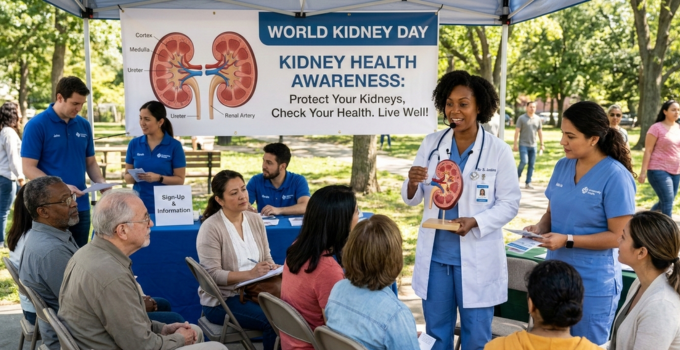
World Kidney Day is observed every year on the second Thursday of March. The exact date changes each year, but the purpose remains the same: to raise awareness of kidney health and encourage early detection of kidney disease.
In 2026, World Kidney Day will be celebrated on 12 March 2026. On this day, healthcare organisations, hospitals, and community groups around the world organise awareness campaigns, free health screenings, and educational programmes to promote kidney health.
These activities help people understand how to strengthen their kidneys, reduce stress on their kidneys, and why regular health checkups are important for preventing kidney disease.
What Is the Theme of World Kidney Day 2026?
Each year, World Kidney Day focuses on a theme that highlights a key kidney health issue.
Previous themes have focused on:
Early detection of kidney disease
Kidney health education
Equal access to treatment
Prevention through healthy lifestyle habits
These themes remind people that kidney disease is preventable in many cases when detected early.
What Do the Kidneys Do in the Human Body?
The kidneys are two bean-shaped organs located on either side of the spine in the lower back. Each kidney is about the size of a fist.
Although small, they perform several essential tasks.
Main Functions of the Kidneys
Filter waste products from the blood
Remove excess water from the body
Maintain electrolyte balance
Control blood pressure
Support red blood cell production
Activate vitamin D for bone health
Every day, the kidneys filter nearly 200 litres of blood to remove toxins and produce urine.

What Is Kidney Disease?
Kidney disease occurs when the kidneys become damaged and cannot filter blood properly. Over time, waste products and excess fluids accumulate in the body, leading to serious health complications.
Two Main Types of Kidney Disease
Type | Description |
Acute Kidney Injury (AKI) | Sudden loss of kidney function that may occur within hours or days |
Chronic Kidney Disease (CKD) | Gradual loss of kidney function over months or years |
If chronic kidney disease is not treated, it can progress to kidney failure, which may require dialysis or a kidney transplant.
How Common Is Kidney Disease Worldwide?
Kidney disease is more common than many people realise.
Global Statistics
Over 850 million people worldwide live with kidney disease.
Around 10 percent of the global population has chronic kidney disease.
Kidney disease has become one of the leading causes of death globally.
Deaths from kidney disease increased from 813,000 in 2000 to 1.43 million in 2019.
Why Is Kidney Disease Increasing in India?
India faces a growing burden of chronic kidney disease due to several health and lifestyle factors.
Major Risk Factors
Many people do not notice symptoms in the early stages, which makes awareness and regular health checks extremely important.
Why Is Early Kidney Screening Important?
Kidney disease often develops silently. People may not experience symptoms until the condition becomes severe. Early screening can help doctors detect kidney damage before it becomes serious.
Common Tests Used to Check Kidney Health
Blood tests to measure kidney function
Urine tests to detect protein or abnormalities
Ultrasound scans to examine the kidney structure
Early diagnosis allows doctors to slow disease progression and prevent complications.
9 Simple Tips to Prevent Kidney Disease
1. Eat a Balanced and Healthy Diet
A nutritious diet plan supports kidney function.
Choose foods such as:
Fresh fruits and vegetables
Whole grains
Lean proteins
Low salt meals
Try to reduce processed foods and sugary drinks.
2. Quit Smoking
Smoking reduces blood flow to the kidneys and increases the risk of kidney disease. Quitting smoking can significantly improve overall health.
3. Limit Alcohol Consumption
Excess alcohol can damage kidney cells and affect the body's ability to filter waste.
Moderate drinking or avoiding alcohol can help protect kidney function.
4. Drink Enough Water
Water helps the kidneys to remove toxins from the body.
Healthy adults should generally drink:
Group | Recommended Water Intake |
Men | About 3 litres per day |
Women | About 2.2 litres per day |
People with kidney disease should follow their doctor's advice about fluid intake.
5. Stay Physically Active
Regular physical activity improves blood circulation and supports kidney health.
Good exercise options include:
Walking
Jogging
Cycling
Swimming
Playing sports
Aim for at least 30 minutes of exercise daily.
6. Manage Diabetes and Blood Pressure
Diabetes and high blood pressure are the leading causes of kidney disease.
Keep blood sugar and blood pressure levels under control by following your doctor's advice and taking prescribed medicines.
7. Avoid Excess Use of Painkillers
Frequent use of certain over-the-counter medicines, especially painkillers, can damage the kidneys.
Always consult a doctor before taking long-term medications.
8. Get Regular Kidney Health Checkups
Routine health tests can detect kidney problems early.
People with diabetes, hypertension, or a family history of kidney disease should undergo regular screening. Have periodic kidney function tests to ensure your kidneys are functioning effectively.
9. Manage Stress for Better Kidney Health
Chronic stress can affect many organs, including the kidneys.
Stress management methods include:
Yoga
Meditation
Deep breathing exercises
Hobbies and relaxation activities
Reducing stress also lowers the risk of obesity and diabetes.

Interesting Facts About the Kidneys
Many people are surprised to learn how powerful the kidneys are.
Did You Know?
The kidneys filter about 200 litres of fluid every day.
A person can live a healthy life with just one kidney.
Each kidney contains nearly 1.8 million tiny filtering units called nephrons.
Kidney function slowly declines with age.
The kidneys help activate vitamin D, which supports bone health.
How Does India Support Patients with Kidney Disease?
India has introduced several public health programmes to improve kidney health.
One important initiative is the Pradhan Mantri National Dialysis Programme, launched in 2016.
The programme aims to:
Provide free dialysis services for patients below the poverty line
Improve access to kidney treatment in government hospitals
Reduce financial burden on patients with kidney failure
Such programmes help vulnerable populations receive essential medical care.

What’s Worth Remembering?
Small Steps Can Protect Your Kidneys
Kidneys play a vital role in maintaining overall health, yet many people overlook their importance.
World Kidney Day reminds us that kidney disease is often preventable with awareness and early action. Healthy lifestyle choices such as balanced nutrition, regular exercise, adequate hydration, and routine health screenings can significantly reduce the risk of kidney disease.
By spreading awareness and encouraging early detection, individuals, healthcare professionals, and governments can work together to promote kidney health and support people living with kidney disease.
Protecting your kidneys today can help ensure a healthier tomorrow.
Read Also
A Complete Guide To Kidney Cancer: Symptoms, Stages, and Treatment
Prevention Of Chronic Kidney Disease 6 Things You Should Not Do
References
World Kidney Day. Frequently Asked Questions – What and when is World Kidney Day? [Internet]. Brussels: World Kidney Day; [cited 2026 Mar 7]. Available from: https://www.worldkidneyday.org/frequently-asked-questions/
World Kidney Day. World Kidney Day Campaign Information [Internet]. Brussels: World Kidney Day; [cited 2026 Mar 7]. Available from: https://www.worldkidneyday.org/
Time and Date. World Kidney Day Overview [Internet]. [cited 2026 Mar 7]. Available from: https://www.timeanddate.com/holidays/world/world-kidney-day
WikiDates. World Kidney Day Dates and Observance [Internet]. [cited 2026 Mar 7]. Available from: https://www.wikidates.org/daystill/world-kidney-day_779.html
Disclaimer: The content in this blog is for general informational purposes only and is not a substitute for professional medical advice, diagnosis, or treatment. Always consult your doctor or a registered dietitian before making any changes to your diet, especially if you have a medical condition or are taking prescribed medication. While the information is based on trusted sources, individual needs and results may vary. MrMed does not promote or endorse any specific food or treatment mentioned unless explicitly stated.
















Comments