


16 Best Home Remedies For Glowing Skin In Summer





Last updated on 27 Mar 2026
Who can escape the blazing summer heat, which brings humidity, tanning, sweating, and a host of skin issues? But don’t worry, achieving that effortless, natural glow doesn't require expensive serums or elaborate routines. Your kitchen already holds most of what you need. Here are 16 home remedies for glowing skin in summer, backed by science, Ayurvedic tradition, and generations of Indian wisdom.
Key Takeaways
|
16 Proven Home Remedies for Glowing Skin in Summer
1. Turmeric (All Skin Types)
Turmeric contains curcumin, a powerful anti-inflammatory and antioxidant compound that fades hyperpigmentation, neutralises free radicals, and boosts collagen production. Its natural antibacterial properties also keep skin clear and prevent breakouts. How to use: Mix half a teaspoon of turmeric powder with one cup of gram flour. Add milk, water, or yoghurt to form a smooth paste and stir in a few drops of rose water. Apply to the face and neck, leave until dry, then rinse with cool water. Avoid rubbing when dry, as this irritates the skin.
2. Honey (Dry and Sensitive Skin)
Honey is a natural humectant, meaning it draws moisture from the environment into the skin and locks it in. It is rich in antioxidants and antibacterial compounds that cleanse pores and reduce inflammation, making it a summer essential for dry or reactive skin.
How to use: Apply a thin layer of raw, organic honey directly to clean skin. Leave on for 15 to 20 minutes, then rinse gently with lukewarm water for an instant dewy glow.
3. Cucumber (All Skin Types)
Cucumber is over 95% water, making it one of the most hydrating ingredients available for summer skin. It cools the skin, reduces puffiness, and soothes sunburn. Vitamin C and caffeic acid in cucumber help fade dark circles and even out skin tone.
How to use: Blend cucumber juice with rose water and store in a spray bottle. Spritz onto the face whenever skin feels sticky, dull, or sun-damaged for an instant refresh.
4. Papaya (Dry and Dull Skin)
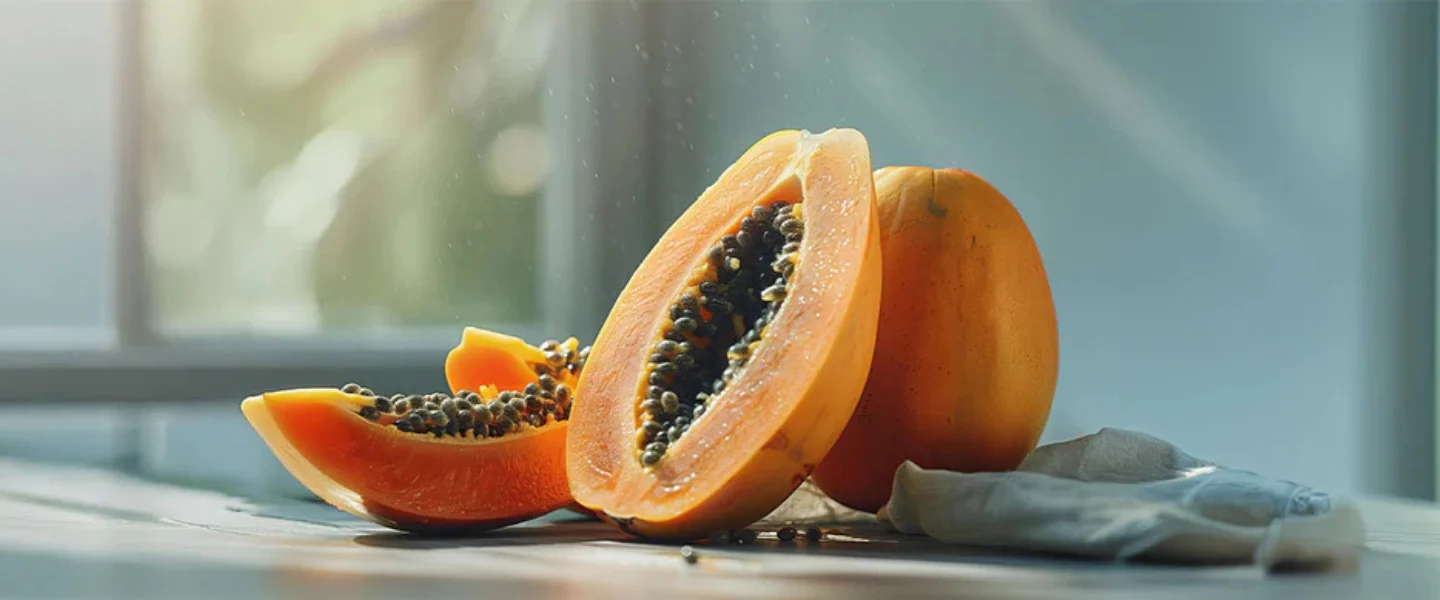
Papaya contains enzymes called papain and chymopapain that gently dissolve and remove dead skin cells, unclog pores, and leave skin soft and fresh. Its high vitamin C content helps even skin tone and fights sun-induced oxidative damage.
How to use: Mash ripe papaya and apply the pulp directly to the face. Leave for 15 minutes and rinse with lukewarm water. Add a spoonful of honey for extra hydration.
5. Aloe Vera (Oily and Acne-Prone Skin)
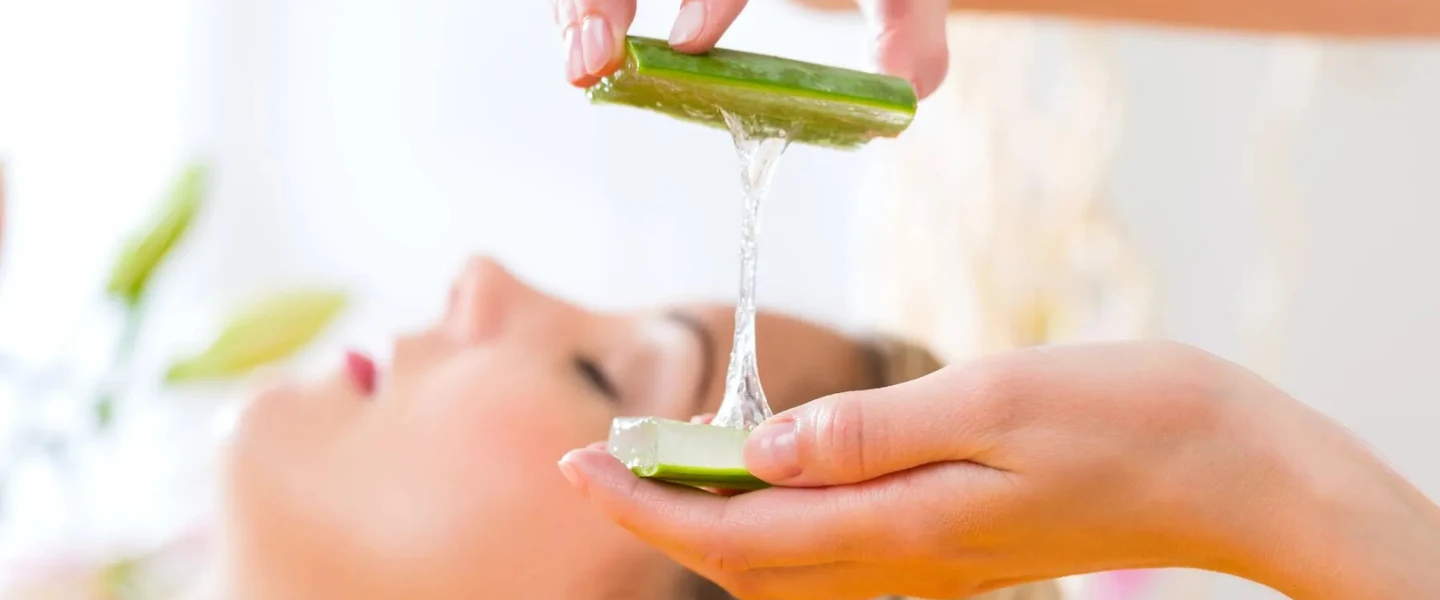
Aloe vera soothes irritated skin, reduces redness, treats sunburn, and hydrates without leaving a greasy residue, a key advantage for oily or acne-prone skin types.
How to use: Extract fresh gel directly from an aloe vera plant and apply evenly to the face. Leave for 15-20 minutes, then rinse. Add it to DIY face masks for an extra soothing boost.
6. Yoghurt (Combination Skin)
Yoghurt contains lactic acid, which gently exfoliates the skin, tightens pores, improves texture, and provides instant relief from sunburn and irritation.
How to use: Apply plain, unsweetened yoghurt directly to the skin and leave for 10 to 15 minutes. Mix in honey or turmeric for added nourishment, then rinse.
7. Gram Flour (Besan) (Oily Skin)
Gram flour acts as a natural cleanser and exfoliator, absorbing excess oil and clearing deep-seated dirt from pores. It also fades tan and visibly improves skin texture with regular use.
How to use: Combine 1/2 cup besan with a pinch of turmeric and enough milk or water to form a paste. Use once a week as a gentle scrub for even-toned, clearer skin.
8. Lemon (Oily Skin)
Lemon is rich in vitamin C and citric acid, both of which brighten the skin, fade blemishes, and reduce excess oil production. It works as a natural exfoliator but increases photosensitivity, so use it carefully.
How to use: Mix equal parts lemon juice and rose water. Apply with a cotton pad, leave for five to ten minutes, and rinse thoroughly. Avoid sun exposure immediately after use.
9. Oats (Sensitive Skin)
Oats contain saponins that act as natural cleansers and carry significant anti-inflammatory properties, making them ideal for calming irritated, itchy, or inflamed skin.
How to use: Grind oats into a fine powder and mix with milk or yoghurt to form a paste. Apply as a mask for 15 to 20 minutes, then rinse. Gentle enough for daily use.
10. Milk (Dry and Normal Skin)
Milk contains lactic acid, which gently exfoliates and brightens the skin while hydrating and nourishing it, leaving a soft, supple finish.
How to use: Mix raw milk with rose water, then apply it all over the face with a cotton ball. Leave for 10 to 15 minutes before rinsing with cold water.
11. Figs (All Skin Types)
Figs are loaded with antioxidants, fibre, and essential nutrients that detoxify the body, promote clear skin, improve elasticity, and reduce early signs of ageing.
How to use: Mash dried figs with a little milk to form a thick paste. Apply to the face and rinse after 20 minutes for smoother, brighter skin.
12. Almonds (Dry and Mature Skin)
Almonds are rich in vitamin E, which protects the skin from UV damage, supports cell regeneration, and helps reduce the appearance of fine lines and scars over time.
How to use: Soak four to five almonds overnight, grind them into a paste with milk, and apply as a night mask. Rinse off in the morning for soft, glowing skin.
13. Coconut Oil (Dry Skin)
Coconut oil deeply moisturises the skin and carries antibacterial and antifungal properties. It forms a protective barrier that locks moisture in throughout the night.
How to use: Massage a few drops of cold-pressed coconut oil gently onto the face before bed. Wash off with a mild cleanser in the morning.
14. Sandalwood Powder (Sensitive Skin)
Sandalwood cools the skin, fades dark spots and scars, and has been central to Ayurvedic skincare for centuries as a remedy for an even tone and glowing skin.
How to use: Mix sandalwood powder with rose water to form a paste. Apply to the face and rinse once dry.
15. Rose Water (All Skin Types)
Rose water tones, hydrates, and refreshes the skin instantly. It balances the skin's pH, controls excess oil, and works as a base ingredient in most DIY face masks.
How to use: Use as a toner after cleansing or mix into face packs for added glow. Keep a small bottle handy and spritz throughout the day for a quick refresh.
16. Mint (Oily and Acne-Prone Skin)
Mint contains salicylic acid, which helps unclog pores and reduce acne. Its antimicrobial and astringent properties control excess oil and tighten pores, while its cooling effect provides immediate relief from summer heat and inflammation.
How to use: Crush a handful of fresh mint leaves and mix with rose water to form a paste. Apply for 10 to 15 minutes and rinse with cold water for instantly refreshed, revived skin.
Myths vs Facts: Common Skincare Misconceptions
Myth 1: Only dry skin needs moisturiser.
All skin types, including oily and acne-prone skin, require moisturisation. Dr. Madhuri Agarwal, a renowned dermatologist from Mumbai, explains that skipping moisturiser can lead to increased oil production as the skin tries to compensate for the lack of hydration. Opt for non-comedogenic, gel-based moisturisers to maintain balance without clogging pores.
Myth 2: More scrubbing equals more glow.
Over-exfoliating damages the skin's protective barrier, leading to irritation and breakouts. Dermatologists recommend gentle exfoliation once or twice a week using mild agents such as lactic acid or oatmeal.
Myth 3: Sunscreen is only necessary on sunny days.
UV rays penetrate clouds and glass, making sunscreen essential every single day. The Indian Association of Dermatologists, Venereologists and Leprologists (IADVL) recommends applying a broad-spectrum SPF 30 or higher daily to protect against both UVA and UVB rays.
Myth 4: Natural ingredients are always safe.
Natural does not always mean safe for every skin type. Lemon juice, for example, can cause irritation and photosensitivity in some people. Always conduct a patch test before applying any new ingredient to your face.
Myth 5: Drinking lots of water alone clears the skin.
Staying hydrated supports overall health and helps flush toxins, but clear skin also depends on a balanced diet, a consistent skincare routine, adequate sleep, and daily sun protection. Water is one piece of the puzzle, not the entire solution.
Frequently Asked Questions
1. Should you use home remedies or cosmetic products for glowing skin?
Both have a place in a good skincare routine. Home remedies are gentle and natural, while cosmetic products can deliver faster, more targeted results. The best approach depends on your skin type, concerns, and consistency.
2. What is the best home remedy for instant glowing skin?
A quick honey-and-lemon mask, applied for 15 minutes and rinsed off, delivers an immediate fresh glow. Rose water spritzed on the face also provides an instant refresh.
3. How do you achieve consistently clear skin?
Follow a consistent cleanse, tone, and moisturise routine; eat a balanced diet; stay well hydrated; get adequate sleep; and apply SPF daily. Consistency matters far more than the products you choose.
4. How do you achieve glass skin at home?
Focus on layering lightweight hydrating products, including toners, essences, and moisturisers. Exfoliate gently once or twice a week, never skip sunscreen, and stay consistent with your routine over time.
Read Also
References
Traditional Indian Home Remedies for Minor Skin Concerns. MGM Journal of Medical Sciences, 2024 https://journals.lww.com/mgmj/fulltext/2024/11020/traditional_indian_home_remedies_for_minor.1.aspx.
Indian Journal of Dermatology, Venereology and Leprology. Need for a Well-Balanced Sunscreen https://ijdvl.com/need-for-a-well-balanced-sunscreen-to-protect-human-skin-from-both-ultraviolet-a-and-ultraviolet-b-damage/.
Healthline. Turmeric for Skin: Benefits and How to Use It https://www.healthline.com/health/turmeric-for-skin.
Mayo Clinic. Sunscreen: How to Help Protect Your Skin from the Sun https://www.mayoclinic.org/healthy-lifestyle/adult-health/in-depth/sunscreen/art-20046).
Disclaimer: This article is for general informational purposes only and does not constitute medical advice. Always conduct a patch test before applying any new ingredient to your skin. Consult a qualified dermatologist if you have existing skin conditions or concerns before trying new home remedies













Comments