








Sourced from:Manufacturer Authorized Distributor

Quick Summary
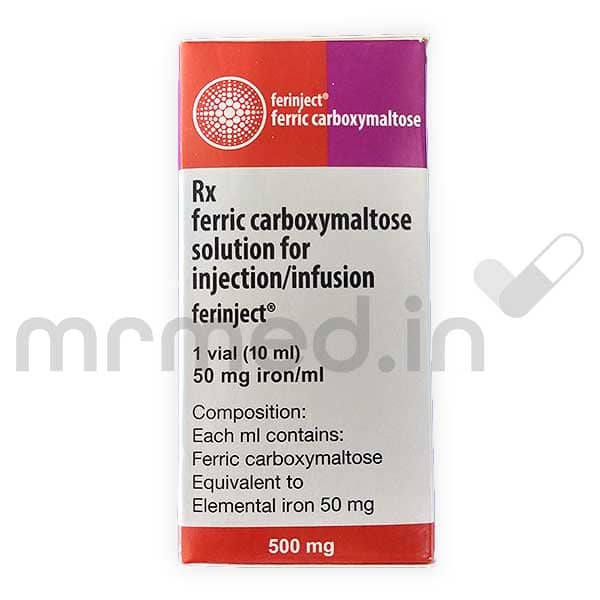
Ferinject 1000mg Injection 20ml

Last updated on 05 Nov 2026 | 12:11 PM (IST)
₹4452
MRP: ₹6462.95
(You Save ₹2010.95)
1 VIAL(s) OF 20ML
Sourced from:Manufacturer Authorized Distributor


31% OFF
₹4452
MRP: ₹6,462.95
Inclusive of all taxes
31% Off



Dispatch: Today
Care delivered without the wait. Your order is prioritized for rapid dispatch to ensure it reaches your doorstep on time.
Substitutes
Nefcm 1000mg Injection
ERIS LIFESCIENC...
₹ 1264.00/injection
71% cheaper
Fanemia 1000mg Injection
ERIS LIFESCIENC...
₹ 1265.00/injection
71% cheaper
Feriosa 1000mg Injection
AUREATE HEALTHC...
₹ 2419.00/injection
45% cheaper
Glenferr FCM 1K Injection
GLENMARK PHARMA...
₹ 2905.00/injection
34% cheaper
Better Service Satisfied Customers
Introduction
Ferinject 1000mg Injection 20ml contains Ferric Carboxymaltose, an intravenous iron replacement medicine used to replenish iron stores when the body does not have enough iron to support normal red blood cell production. Each 20 mL vial contains 1,000 mg of iron as ferric carboxymaltose.
Ferinject 1000mg Injection is not a routine vitamin or dietary iron supplement and should not be self-administered. It is given into a vein by a trained healthcare professional in a setting where the patient can be monitored for allergic reactions.
Uses of Ferinject 1000mg Injection 20ml
Ferinject 1000mg Injection 20ml is used for:
Iron deficiency: Replenishes iron when laboratory tests confirm inadequate iron stores.
Iron deficiency anaemia: Helps restore the iron required to produce haemoglobin and red blood cells.
Iron deficiency requiring rapid replacement: May be selected when oral iron is ineffective, cannot be tolerated or cannot be used, or when iron needs to be replaced more quickly.
Iron deficiency in selected patients with chronic disease: Intravenous iron may be prescribed when oral iron is unsuitable or inadequate. The underlying condition and individual iron requirement determine whether Ferinject is appropriate.
Ferinject should not be used simply because anaemia is present. The cause of anaemia and iron status should be assessed before treatment.
How Ferinject 1000mg Injection Works
Ferinject contains Ferric Carboxymaltose, an iron complex designed to release iron for use by the body's iron-storage and iron-transport systems.
After intravenous administration, the iron is taken up and made available for haemoglobin production, allowing the bone marrow to produce red blood cells when iron deficiency is limiting this process. Some of the iron is also stored as ferritin and haemosiderin for later use.
By restoring iron availability, Ferinject can help improve iron deficiency and the symptoms associated with iron-deficiency anaemia, such as tiredness and weakness, when these symptoms are caused by inadequate iron.
Interaction of Ferinject 1000mg Injection 20ml with Other Medicines
Tell your doctor about all prescription medicines, over-the-counter medicines, vitamins and herbal supplements you take.
Ferinject has fewer conventional medicine interactions than oral iron because it is administered intravenously and does not rely on absorption through the digestive tract. However:
Oral iron supplements: Your doctor may advise when to restart or continue oral iron after intravenous iron treatment.
Other intravenous iron preparations: Do not receive another iron infusion unless it has been specifically prescribed.
Medicines affecting phosphate levels: Tell your doctor about medicines and conditions that may affect phosphate because ferric carboxymaltose can cause hypophosphataemia (low blood phosphate), particularly with repeated treatment.
Medicines for other chronic conditions: Your doctor should know about all medicines you take when calculating your iron requirement and assessing your overall treatment.
Do not receive additional iron simply because you still feel tired. Your doctor may repeat blood tests to determine whether further iron is needed.
Storage Conditions
Store Ferinject according to the storage instructions on the product packaging.
Keep the vial in its original packaging until it is ready to be used.
Do not freeze the injection.
Keep it away from children.
The vial is intended for single use. Any unused portion should be discarded according to healthcare facility procedures.
The medicine should be inspected before administration. Do not use it if the container is damaged or the solution does not meet the appearance requirements stated on the product information.
How to Use
Ferinject 1000mg Injection 20ml is administered only by the intravenous route. It may be given as an intravenous injection or intravenous infusion by a trained healthcare professional. It should not be given into a muscle or under the skin.
The 20 mL vial contains 1,000 mg of iron, but 1,000 mg is not the correct dose for every patient. The required amount is calculated from the patient's iron deficiency, haemoglobin, body weight and other clinical factors.
For adults and adolescents aged 14 years and older, a single administration should not exceed 1,000 mg of iron. Depending on the route, the dose must also remain within the recommended weight-based limit. If the total calculated iron requirement is greater than the maximum that can be given at one time, another dose may be administered after the appropriate interval.
Ferinject should be administered in a setting where trained staff and facilities for managing severe allergic reactions are available. Patients should be monitored during and for at least 30 minutes after administration.
Safety Advice

Pregnancy
Tell your doctor if you are pregnant or planning to become pregnant. Ferinject may be used when intravenous iron is clinically necessary, but the decision depends on the stage of pregnancy, severity of iron deficiency and the expected benefit. It is generally avoided during the first trimester unless clearly needed.

Breast Feeding
Ferric carboxymaltose can be used during breastfeeding when clinically indicated. Tell your doctor that you are breastfeeding so the need for treatment and the appropriate dose can be confirmed.
Lungs
Tell the healthcare professional administering Ferinject if you have severe asthma, multiple drug allergies or a history of serious reactions to intravenous medicines. Serious hypersensitivity reactions can occasionally affect breathing and require immediate treatment.
Liver
Tell your doctor if you have liver disease or another condition that affects iron metabolism. Your doctor may check your blood tests and iron status before deciding whether intravenous iron is appropriate.

Alcohol
There is no specific direct alcohol interaction with ferric carboxymaltose. However, excessive alcohol consumption can contribute to nutritional problems and may worsen some underlying conditions associated with anaemia. Follow your doctor's advice based on the cause of your iron deficiency.

Driving
Ferinject does not usually affect the ability to drive. However, dizziness, headache or feeling unwell can occur after treatment. Do not drive if you experience symptoms that make it unsafe to do so.
Side Effects
Common side effects of Ferinject 1000mg Injection may include:
Headache
Dizziness
Nausea
High blood pressure
Injection or infusion-site reactions
Flushing
Temporary changes in blood phosphate levels
Fatigue
Most mild reactions are temporary, but tell your doctor if symptoms are severe or persistent.
Serious side effects
Seek immediate medical attention if you develop:
Difficulty breathing, swelling of the face or throat, severe wheezing or other symptoms of a serious allergic reaction
Severe dizziness, fainting or a sudden drop in blood pressure
Significant skin discolouration or persistent pain around the injection site, which may occur if the medicine leaks outside the vein
Severe or persistent weakness, muscle pain or bone pain, particularly after repeated high-dose treatment, which may be associated with significant hypophosphataemia
Your doctor may monitor phosphate levels when repeated or high-dose ferric carboxymaltose treatment is required, particularly if you have risk factors for low phosphate.
Expert Tips
Ferinject should only be given by a trained healthcare professional.
Do not assume that the entire 1,000 mg vial is your required dose.
Have your haemoglobin and iron status assessed before treatment as advised by your doctor.
Tell your doctor if you have previously reacted to intravenous iron.
Remain under observation for the recommended period after each infusion or injection.
Tell the healthcare professional immediately if you develop itching, rash, dizziness, breathing difficulty or swelling during treatment.
Inform your doctor if you have a history of low phosphate, vitamin D deficiency, malabsorption or other risk factors for hypophosphataemia.
Do not take additional iron supplements without checking with your doctor.
If your iron deficiency keeps returning, ask your doctor to investigate the underlying cause rather than repeatedly taking iron on your own.
Attend follow-up blood tests to determine whether iron stores and haemoglobin have improved.
FAQs
Q1.
What is Ferinject 1000mg Injection 20ml used for?
Ferinject 1000mg Injection 20ml is used to treat iron deficiency when oral iron is ineffective, cannot be used or when iron needs to be replaced rapidly. It provides 1,000 mg of iron as ferric carboxymaltose in a 20 mL vial.
Q2.
Is Ferinject 1000mg Injection used for iron-deficiency anaemia?
Yes. Ferinject can be prescribed when iron deficiency is responsible for anaemia and oral iron is not suitable or sufficient. Iron deficiency should be confirmed with blood tests before intravenous iron is given.
Q3.
Is 1,000mg the dose everyone needs?
No. The 1,000 mg strength refers to the amount of iron contained in the 20 mL vial. Your doctor calculates the required dose based on your iron deficiency, haemoglobin, body weight and other clinical factors.
Q4.
How is Ferinject 1000mg Injection given?
Ferinject is given into a vein either as an intravenous injection or infusion by a healthcare professional. It should not be injected into a muscle or under the skin.
Q5.
How long does a Ferinject 1000mg infusion take?
The administration time depends on how it is given and the amount administered. When 1,000 mg is given by intravenous injection, the relevant product information specifies a minimum administration time of 15 minutes.
Q6.
How often can Ferinject 1000mg Injection be given?
The frequency depends on your total calculated iron requirement. For adults and adolescents aged 14 years and older, the maximum recommended cumulative dose is 1,000 mg per week under the referenced prescribing information. If additional iron is required, your doctor will decide when another dose should be given.
Q7.
Does Ferinject 1000mg Injection work immediately?
Ferinject begins replenishing iron after administration, but improvement in haemoglobin and symptoms takes time because the body needs to use the available iron to produce new red blood cells. Your doctor may repeat blood tests to assess your response.
Q8.
Can Ferinject cause low phosphate?
Yes. Ferric carboxymaltose can cause hypophosphataemia, meaning low phosphate in the blood. The risk is more relevant with repeated or high-dose treatment. Severe or persistent low phosphate can cause weakness, muscle or bone pain and other problems.
Q9.
Can Ferinject cause an allergic reaction?
Yes. Serious hypersensitivity reactions, including anaphylaxis, can occur rarely. Ferinject should therefore be administered where trained staff and facilities for emergency treatment are available, and patients should be observed afterwards.
Q10.
Can I take oral iron after Ferinject 1000mg Injection?
Do not restart or increase oral iron on your own. Your doctor will decide whether you still need oral iron and when it should be restarted based on your iron levels and treatment plan.
Q11.
Can Ferinject 1000mg Injection be given at home?
Ferinject should not be self-administered. It must be given intravenously by a trained healthcare professional because serious hypersensitivity reactions can occur.
Q12.
What should I do if I feel dizzy after Ferinject?
Sit or lie down and inform the healthcare professional if you are still at the treatment centre. If significant dizziness, fainting, breathing difficulty or swelling develops, seek immediate medical attention.
Fact Box
Molecule name: | Ferric Carboxymaltose |
Therapeutic class: | Iron replacement medicine |
Pharmacological class: | Parenteral iron preparation |
Indications: | Treatment of iron deficiency when oral iron is ineffective, cannot be used or rapid iron replacement is clinically needed |
References
Disclaimer
MrMed’s primary intention is to ensure that its consumers get information that is reviewed by experts, accurate and trustworthy. The information and contents of this website are for informational purposes only. They are not intended to be a substitute for professional medical advice, diagnosis, or treatment. Please seek the advice of your doctor and discuss all your queries related to any disease or medicine. Do not disregard professional medical advice or delay in seeking it because of something you have read on MrMed. Our mission is to support, not replace, the doctor-patient relationship.
Did you find this information helpful?
Author Details

Written By
Vishishta
M.Sc Microbiology

Reviewed By
Dr. Tejashwin Adiga
MBBS
Last updated : 05 Nov 2026 | 12:11 PM (IST)

Want to know more?
Read Our Editorial Policy