










Sourced from:Manufacturer Authorized Distributor

Quick Summary
Keytruda 100mg Injection


Last updated on 26 Sep 2026 | 08:44 AM (IST)
₹176207
MRP: ₹208580
(You Save ₹32373)
1 VIAL(s) OF 4ML
Sourced from:Manufacturer Authorized Distributor


Keytruda 100mg Injection

Salt Composition
PEMBROLIZUMABMarketer
MSD PHARMACEUTICALS PVT LTD
Prepaid Only. Non-Returnable.

16% OFF
₹176207
MRP: ₹2,08,580.00
Inclusive of all taxes
16% Off


Salt Composition
PEMBROLIZUMABMarketer
MSD PHARMACEUTICALS PVT LTD
Prepaid Only. Non-Returnable.

Dispatch: Today
Care delivered without the wait. Your order is prioritized for rapid dispatch to ensure it reaches your doorstep on time.
Introduction
Keytruda 100mg Injection contains pembrolizumab, a humanised monoclonal antibody that targets programmed cell death protein-1 (PD-1). Each 4ml vial contains 100mg of pembrolizumab at a concentration of 25mg/ml. It is a concentrate for solution for intravenous infusion and is used alone or in combination with other cancer treatments for specific types and stages of cancer.
The treatment selected depends on the type and stage of cancer, tumour characteristics such as PD-L1 or MSI-H/dMMR status where applicable, previous treatments, and the patient's overall health.
Uses of Keytruda 100mg Injection
Keytruda 100mg Injection is used in the treatment of several cancers, either alone or in combination with other cancer treatments. Depending on the indication, its approved uses include:
Advanced or resected melanoma
Non-small cell lung cancer
Classical Hodgkin lymphoma
Urothelial carcinoma
Head and neck squamous cell carcinoma
Renal cell carcinoma
Colorectal cancer with MSI-H or dMMR status
Gastric and gastro-oesophageal junction cancer
Oesophageal cancer
Triple-negative breast cancer
Endometrial cancer
Cervical cancer
Biliary tract cancer
Malignant pleural mesothelioma
Selected ovarian, fallopian tube and primary peritoneal cancers
Some indications require specific tumour markers such as PD-L1 expression or MSI-H/dMMR status, while others are used in combination with chemotherapy, radiotherapy or targeted cancer medicines. The exact indication and treatment combination are determined by the treating oncologist.
How Keytruda 100mg Injection works
Pembrolizumab is a PD-1 inhibitor. PD-1 is a protein present on immune cells that can act as a checkpoint, limiting immune activity when it binds to its partner proteins on other cells.
Some cancer cells use this pathway to reduce the immune system's ability to recognise them. Pembrolizumab binds to PD-1 and blocks its interaction with PD-L1 and PD-L2. This can restore T-cell activity against cancer cells and help the immune system recognise and attack the tumour.
Interactions of Keytruda 100mg Injection with other medicines
No formal pharmacokinetic interaction studies have been conducted with pembrolizumab. As it is cleared from the circulation through catabolism, metabolic drug interactions are not expected.
Tell your doctor about all medicines and supplements you are taking. Systemic corticosteroids or other immunosuppressive medicines used before starting treatment may interfere with the immune response produced by pembrolizumab. However, corticosteroids or other immunosuppressive medicines may be prescribed during treatment to manage immune-mediated side effects.
Storage Conditions
Store Keytruda 100mg Injection in a refrigerator at 2°C to 8°C.
Do not freeze.
Keep the vial in the original package to protect it from light.
Do not shake the vial.
The medicine should be prepared and administered by trained healthcare professionals according to the prescribed instructions.
How to Use Keytruda 100mg Injection
Keytruda 100mg Injection is given only by a healthcare professional as an intravenous infusion. The 100mg/4ml vial is a concentrate that must be appropriately diluted before administration.
The recommended adult dose is generally either 200mg every 3 weeks or 400mg every 6 weeks, depending on the indication. The infusion is administered over 30 minutes. Some paediatric patients with specific indications may receive weight-based dosing.
The treatment duration depends on the cancer being treated, response to treatment and tolerability. Keytruda should not be given as an intravenous push or bolus injection.
Safety Advice

Pregnancy
Keytruda should generally not be used during pregnancy unless treatment is clinically necessary. Pembrolizumab may cross the placenta, and its mechanism of action may pose a risk to the developing foetus. Women who can become pregnant should use effective contraception during treatment and for at least 4 months after the last dose.

Breast Feeding
It is not known whether pembrolizumab passes into human milk. Since antibodies can be secreted into breast milk and a risk to the infant cannot be excluded, your doctor will advise whether to discontinue breastfeeding or treatment based on the benefits and risks.
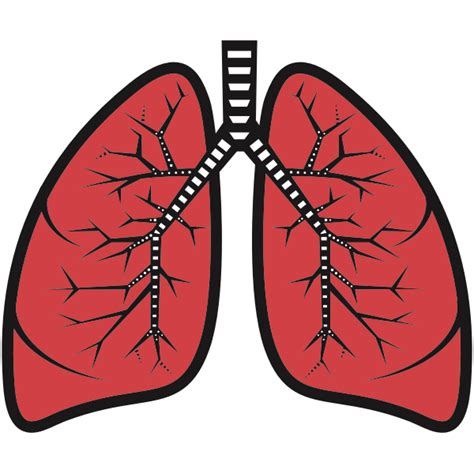
Lungs
Keytruda can cause immune-mediated pneumonitis, an inflammation of the lungs that can sometimes be serious. Tell your doctor if you develop a new or worsening cough, chest discomfort or difficulty breathing during treatment. Patients are monitored for symptoms of pneumonitis when clinically appropriate.
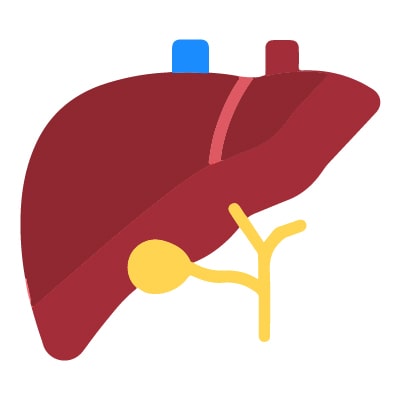
Liver
Pembrolizumab can cause immune-mediated hepatitis. Liver function is monitored before and during treatment, particularly when symptoms or abnormal test results suggest liver inflammation. Tell your doctor if you develop symptoms such as yellowing of the skin or eyes, dark urine, unusual tiredness or abdominal discomfort.

Alcohol
There is no specific alcohol interaction established for pembrolizumab. However, alcohol consumption may be unsuitable depending on your cancer, liver function, other medicines or treatment regimen. Discuss alcohol use with your treating doctor.

Driving
Keytruda may cause fatigue or dizziness in some people. Avoid driving or operating machinery if you feel dizzy, excessively tired or otherwise unable to do so safely.
Side Effects
Keytruda can cause side effects because it activates the immune system. Some immune-mediated reactions can affect healthy organs and may occur during treatment or even after the last dose.
Common side effects
Fatigue
Diarrhoea
Nausea
Decreased appetite
Skin rash or itching
Joint or muscle pain
Headache
Cough or shortness of breath
Constipation
Fever or chills
The frequency and severity of side effects can vary depending on whether Keytruda is given alone or with chemotherapy or other treatments.
Serious side effects
Seek immediate medical attention if you develop symptoms suggesting:
Pneumonitis
Colitis
Hepatitis
Nephritis
Thyroid disorders or other endocrine problems
Type 1 diabetes or diabetic ketoacidosis
Severe skin reactions
Myocarditis
Neurological immune-mediated reactions
Severe infusion-related reactions
These reactions can sometimes be serious or life-threatening and may require interruption or permanent discontinuation of treatment.
Expert Tips
Keytruda treatment should be started and supervised by an oncologist experienced in cancer treatment.
Attend all scheduled appointments so your response to treatment and possible immune-mediated side effects can be monitored.
Tell your doctor about any new or worsening symptoms, even if they appear unrelated to the cancer.
Report persistent diarrhoea, abdominal pain, breathing difficulty, cough, changes in vision, severe rash, unusual fatigue, changes in urination or yellowing of the skin or eyes promptly.
Blood tests may be required to monitor liver, kidney and thyroid function during treatment.
If you have an autoimmune condition, a previous organ transplant or a history of stem-cell transplantation, tell your doctor before treatment.
Do not stop or delay treatment on your own. Your oncologist will determine whether treatment should continue, be withheld or discontinued based on your response and side effects.
Carry the Keytruda patient information card provided with your treatment so healthcare professionals are aware that you are receiving pembrolizumab.
FAQs
Q1.
What is Keytruda 100mg Injection used for?
Keytruda 100mg Injection contains pembrolizumab and is used to treat several types of cancer, including melanoma, lung cancer, urothelial cancer, kidney cancer, cervical cancer, breast cancer, gastrointestinal cancers and certain blood cancers. The exact indication depends on the cancer type, stage and tumour characteristics.
Q2.
How is Keytruda 100mg Injection given?
It is administered as an intravenous infusion by a healthcare professional. The 100mg/4ml vial is a concentrate that is diluted before administration and infused over approximately 30 minutes.
Q3.
How often is Keytruda 100mg Injection given?
For adults, the recommended regimen is generally either 200mg every 3 weeks or 400mg every 6 weeks. The appropriate regimen and duration depend on the cancer being treated and the treatment plan prescribed by the oncologist.
Q4.
Does Keytruda 100mg Injection cause hair loss?
Hair loss can occur during cancer treatment, particularly when Keytruda is given with chemotherapy. However, hair loss may be related to the accompanying chemotherapy rather than pembrolizumab alone.
Q5.
Can Keytruda 100mg Injection affect the thyroid?
Yes. Pembrolizumab can cause immune-mediated thyroid disorders, including hypothyroidism, hyperthyroidism and thyroiditis. Thyroid function may therefore be monitored during treatment.
Q6.
Can Keytruda 100mg Injection affect the kidneys?
Yes. Pembrolizumab can rarely cause immune-mediated nephritis, which may affect kidney function. Your doctor may monitor kidney function during treatment and investigate unexplained changes in creatinine or urination.
Q7.
Can Keytruda 100mg Injection be given with chemotherapy?
Yes. Depending on the type of cancer, Keytruda may be used alone or in combination with chemotherapy, radiotherapy or other anticancer medicines. The combination is selected according to the approved treatment regimen for the specific cancer.
Q8.
Can Keytruda 100mg Injection cure cancer?
Keytruda can produce durable responses in some people and may improve outcomes in several cancers, but whether it can achieve long-term remission depends on the type and stage of cancer, tumour characteristics and individual response to treatment. It should not be described as a universal cure for cancer.
Fact Box
Molecule name | Pembrolizumab |
Therapeutic class | Anticancer |
Pharmacological class | PD-1 inhibitor |
Indications | Multiple cancers including melanoma, non-small cell lung cancer, classical Hodgkin lymphoma, urothelial carcinoma, renal cell carcinoma, colorectal cancer, head and neck cancer, breast cancer, cervical cancer and other approved solid tumours |
References
Disclaimer
MrMed’s primary intention is to ensure that its consumers get information that is reviewed by experts, accurate and trustworthy. The information and contents of this website are for informational purposes only. They are not intended to be a substitute for professional medical advice, diagnosis, or treatment. Please seek the advice of your doctor and discuss all your queries related to any disease or medicine. Do not disregard professional medical advice or delay in seeking it because of something you have read on MrMed. Our mission is to support, not replace, the doctor-patient relationship.
Did you find this information helpful?
Author Details

Written By
Naina Boruah
MSc Biomedical Science

Reviewed By
Dr. Tejashwin Adiga
MBBS
Last updated : 26 Sep 2026 | 08:44 AM (IST)

Want to know more?
Read Our Editorial Policy