


OTC Cold and Flu Medicines: What’s Safe and What’s Not





Last updated on 02 Jan 2026
Given Takeaways
|
Colds and flu are among the most common illnesses people face every year. A blocked nose, sore throat, fever, body aches, or persistent cough can disrupt daily life and leave you searching for quick relief. Over-the-counter medicines are often the first choice, but not all options are suitable for everyone. Knowing what is safe, what to avoid, and how to use these medicines correctly can prevent unnecessary side effects and complications.
This guide explains how OTC options work, which symptoms they target, and how to choose safely based on age, health conditions, and special situations like pregnancy.
Understanding OTC Medicines for Cold and Flu
Most OTC cold medicines and OTC flu medicines do not cure infections. Instead, they help manage symptoms while the body recovers on its own. Cold symptoms are usually caused by viruses like rhinovirus, while flu symptoms are caused by influenza viruses. Antibiotics do not work against these infections.
OTC medicines are often combination products, meaning a single tablet or syrup may contain multiple ingredients for fever, pain, congestion, cough, or a runny nose. This is why safety awareness matters.
Common Ingredients and What They Treat
The Union Health Ministry issued an advisory stating that cough and cold medications should not be prescribed or dispensed to children under 2 years of age due to safety concerns; this underscores the regulatory emphasis on cold and flu medicine safety and on the cautious use of OTC products in vulnerable groups.
Understanding ingredients helps you answer questions like which OTC is best for a cold and flu?
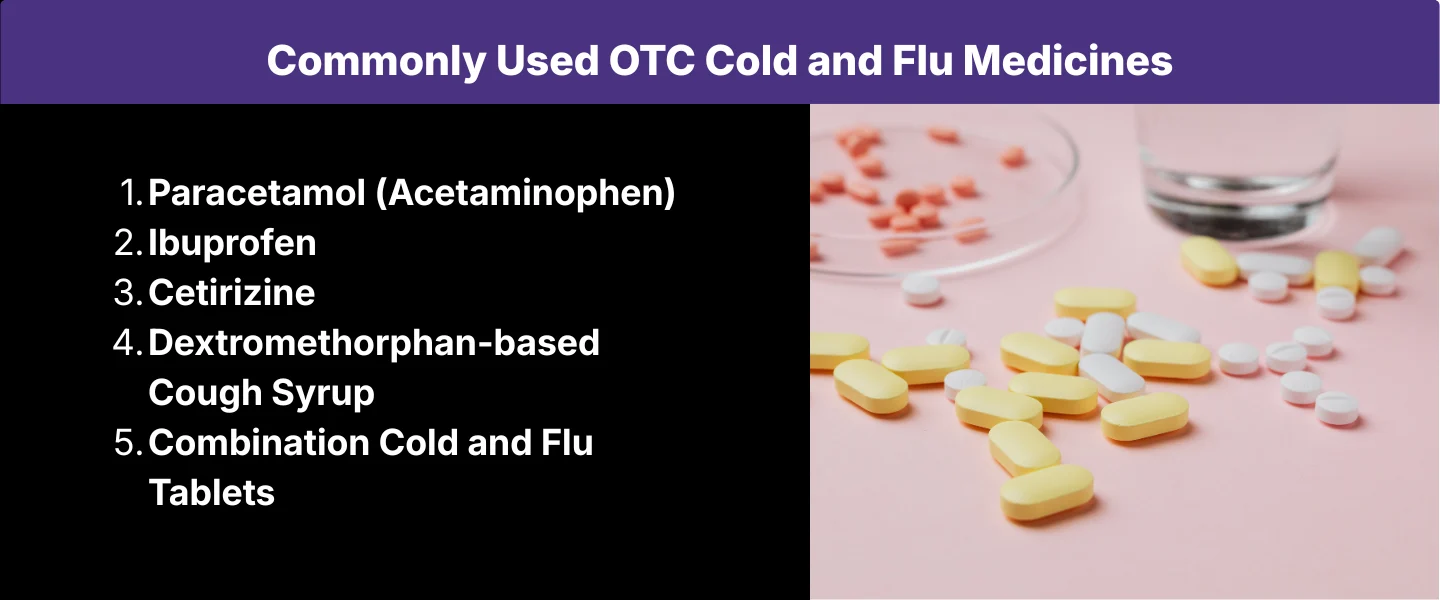
• Paracetamol (Acetaminophen)
Used for fever and body pain. Often considered the best medicine for cold and fever when taken correctly.
• Ibuprofen
Helps with fever and inflammation, but it may not be suitable for people with stomach, kidney, or heart issues.
• Antihistamines
Reduce sneezing and a runny nose. They are commonly found in the best cold and runny-nose formulations.
• Decongestants
Relieve nasal congestion, but can raise blood pressure and heart rate.
• Cough suppressants and expectorants
Used in cold and cough medicine for adults to control dry or productive coughs.
Combination products are popular because they target multiple symptoms, making them a common choice for the best over-the-counter cold and flu medicine for adults.
What’s Generally Safe for Adults
National health survey data indicate that acute respiratory infections (ARI) affect a notable portion of the population, especially young children. However, recent surveys show a decline in ARI prevalence compared to earlier years.
For most healthy adults, single-ingredient medicines are the safest starting point. Doctors often recommend symptom-specific treatment rather than multi-symptom products.
For example:
Paracetamol alone for fever or body aches
Antihistamines for a runny nose
Simple cough syrups for throat irritation
This approach reduces the risk of cold medicine side effects and flu medicine side effects caused by overlapping ingredients.
When used correctly, these options are often the best flu medicine for adults in everyday cases.
Common Side Effects You Should Know
Dr S. K. Kabra, Senior Paediatrician at AIIMS New Delhi, emphasises the cautious use of OTC cold and flu medicines, especially in children, noting that misuse or overdosing can cause more harm than benefit. He stresses reading labels carefully and avoiding multiple products with similar ingredients.
Even OTC medicines can cause unwanted effects if misused or combined incorrectly.
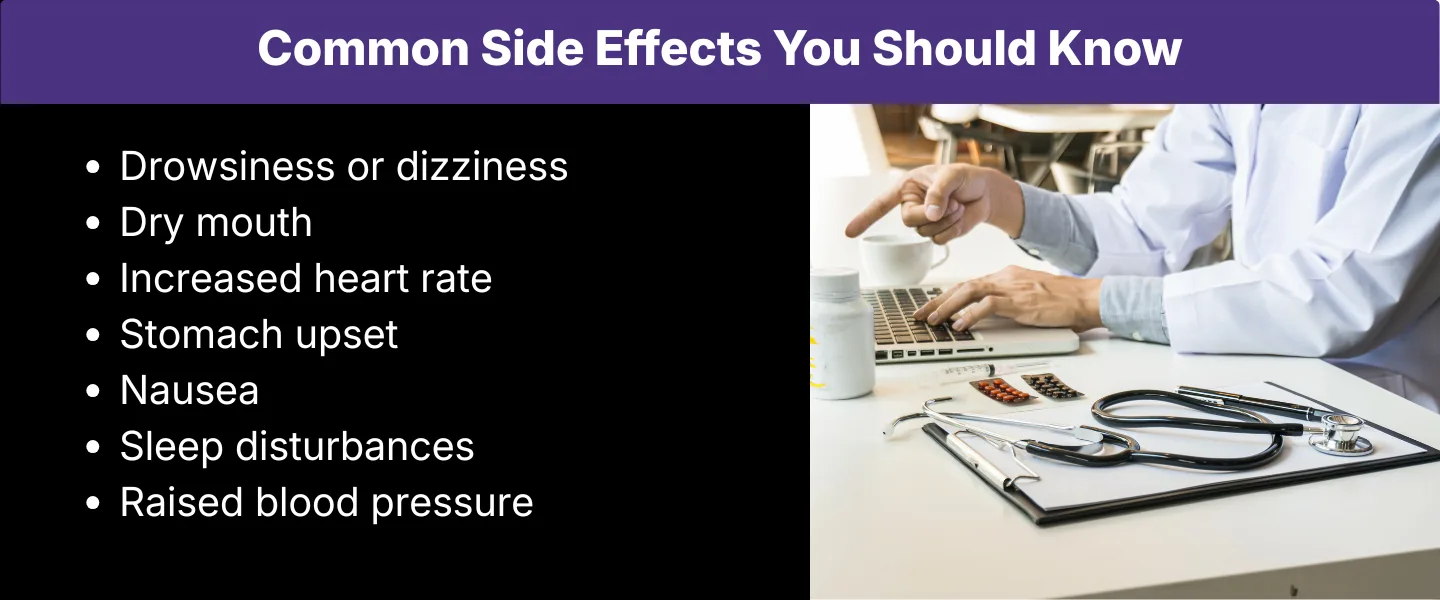
Typical cold medicine side effects include:
Drowsiness or dizziness
Dry mouth
Increased heart rate
Stomach upset
Possible flu medicine side effects may include:
Nausea
Sleep disturbances
Raised blood pressure
Restlessness
Mixing products or exceeding recommended doses increases risk. This is why cold and flu medicine safety depends on reading labels carefully.
Choosing the Right Medicine for Your Symptoms
There is no single “best” option for everyone. The best cold and flu medicine for adults depends on symptoms.
Fever and body pain → Paracetamol-based products
Cold and cough → Combination cough syrups or tablets
Flu with severe aches → Anti-fever plus rest and hydration
People often search for:
Best medicine for a cold and a cough
Best medicine for flu and cough
Best medicine for a cold and a runny nose
The safest approach is to treat only the symptoms you actually have.
Special Situations: Pregnancy and Chronic Illness
Pregnancy requires extra caution. Many people ask what cold medicine is safe or what flu medicine is safe during pregnancy.
Doctors usually recommend:
Paracetamol in safe doses
Saline nasal sprays
Steam inhalation
Decongestants and combination medicines should only be taken after medical advice. What OTC cold medicine is safe during pregnancy? A question best answered by a doctor, not self-selection.
People with diabetes, high blood pressure, heart disease, asthma, or kidney problems should also consult a healthcare provider before using OTC flu or cold products.
Are Vitamins and Supplements Helpful?
Many people wonder, does vitamin C help with a cold?
Vitamin C may slightly reduce the duration of cold symptoms if taken regularly, but it does not prevent colds or cure flu. Zinc lozenges may help if taken early, but excessive use can cause nausea.
Supplements should support, not replace, rest, hydration, and proper medication use.
What Not to Do with OTC Medicines
Unsafe practices increase risk:
Taking multiple cold medicines together
Mixing cold and flu products with alcohol
Using adult medicines for children
Continuing OTC medicines beyond the recommended days
Avoiding these mistakes helps answer what cold medicine is safe for your situation.
When to See a Doctor
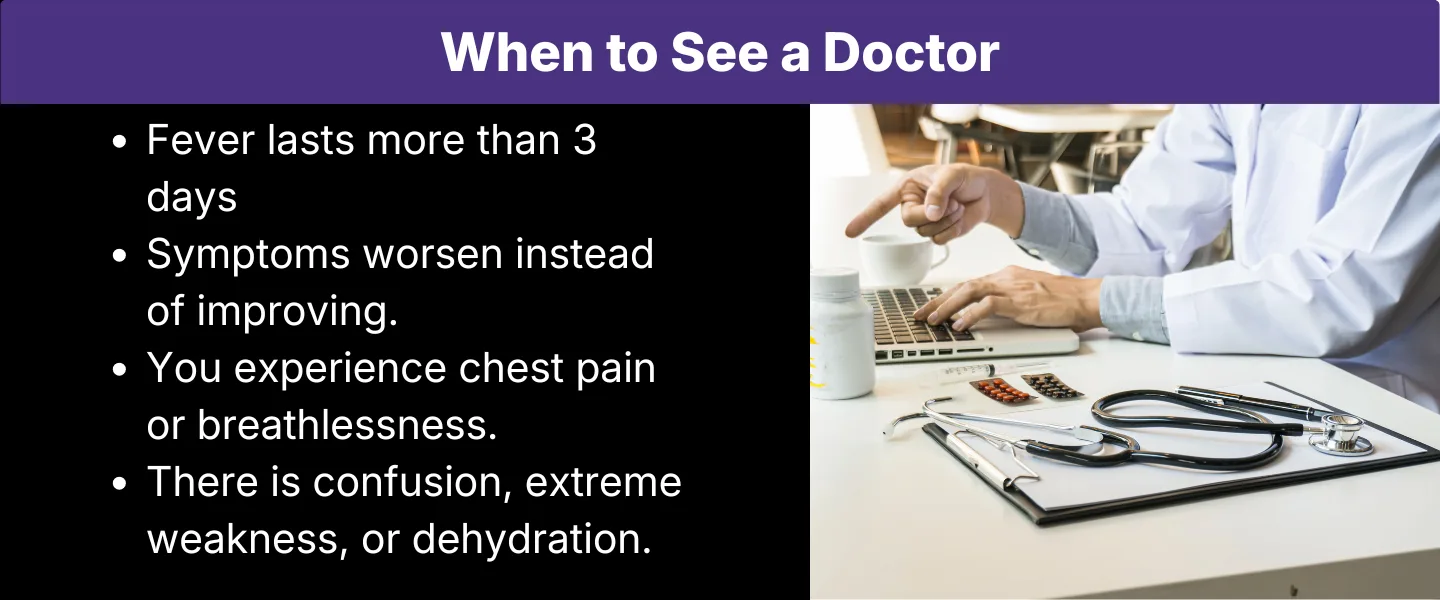
OTC options are meant for mild to moderate symptoms. Seek medical help if:
Fever lasts more than 3 days
Symptoms worsen instead of improving.
You experience chest pain or breathlessness.
There is confusion, extreme weakness, or dehydration.
OTC treatment should never delay professional care when needed.
Final Thoughts
OTC cold and flu medicines can offer effective relief when used correctly, but safety depends on choosing the right product for the right symptom. Understanding ingredients, avoiding unnecessary combinations, and knowing when to seek medical advice protect you from avoidable side effects. With careful use, OTC options can help you recover comfortably while your body heals.
FAQs
1. Which OTC is best for cold and flu?
The best option depends on your symptoms. Single-ingredient medicines are often safer than combination products.
2. Can I take multiple cold medicines together?
No. Combining medicines can lead to overdosing on the same ingredient, especially paracetamol.
3. Is vitamin C effective for colds?
Vitamin C may slightly shorten the duration of a cold, but it does not cure or prevent it.
4. Are OTC flu medicines safe for everyone?
Not always. People with chronic illnesses, pregnant women, or those on regular medication should consult a doctor.
5. How long can I safely take OTC cold or flu medicine?
Most should not be used for more than 3–5 days unless advised by a healthcare professional.
Read also
References
https://www.mayoclinic.org/diseases-conditions/common-cold/in-depth/cold-remedies/art-20046403
https://www.healthdirect.gov.au/medicines-for-colds-flu-and-covid-19
Disclaimer: The information shared in this blog is meant for general educational purposes only and should not be taken as medical advice. Always consult a qualified healthcare professional for diagnosis, treatment, or medical guidance related to your health. The content is based on reliable sources, but it may not be suitable for every individual’s condition. We do not assume responsibility for any actions taken based on this information. Readers are encouraged to exercise caution and use their discretion when making healthcare decisions.











Comments