

Cold Weather and Chronic Conditions: What Changes in Winter and What Does Not





Last updated on 20 Jan 2026
Key Takeaways
|
Every winter it happens almost quietly, the knees feel slower in the morning, breathing takes a little more effort, blood pressure readings suddenly look unfamiliar, a cough lingers longer than expected, and people start wondering if something has gone wrong with their health
Many assume cold weather makes chronic conditions worse. That belief is common and understandable. But winter does not usually change the disease itself. It changes how the body reacts, how routines shift, and how symptoms show up.
Understanding this difference matters more than most people realise.
Why Winter Feels Harder on the Body
Winter changes daily habits before it affects health. People walk less without realising it. They stay longer inside. They drink less water because they get thirsty. The meals are heavier, and activity decreases.
Cold also tightens the blood vessels, stiffens muscles and dries the skin out. These physical effects often combine with lifestyle changes. Together, they worsen existing symptoms.
The body responds to routines that slip. Winter makes these gaps more noticeable, rather than creating new medical problems.
What Actually Changes in Winter
1. Winter joint stiffness and muscle aches
Winter first hits most people's joints. Getting out of bed feels slower. Knees will loosen up. When holding a cup or buttoning a shirt, fingers feel cold. This is what people call winter joint stiffness.
Cold slows circulation to muscles and joints. If the body is still for long periods, stiffness sets in more easily. This is not only the case for those with arthritis but also for those who have otherwise healthy joints.
In most cases, gentle movement helps more than prolonged rest. Gentle home walking, short stretches, or even chair exercises are known to reduce joint discomfort and improve knee flexibility in the winter. Cold-weather muscle pain can be relieved with either warm oil massage or hot-water soaking. These methods improve blood flow and temporarily relieve pain.
2. Blood pressure fluctuations in winter
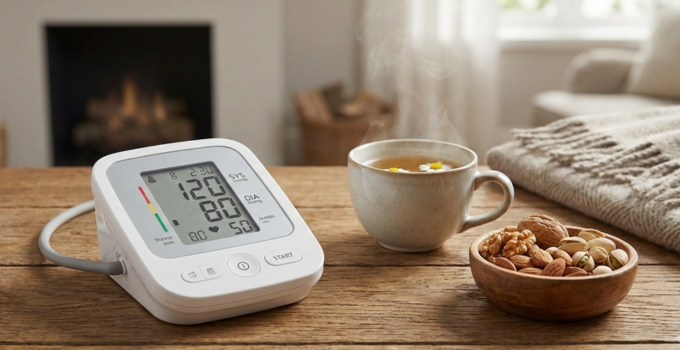
Cold causes blood vessels to constrict, which helps the body conserve heat. As a direct result, there is an increase in resistance (or resistance to blood flow) as well. Therefore, during the winter months, blood pressure generally rises slightly above normal levels.
Many people find this fluctuation bothersome, but especially those individuals who have a diagnosis of hypertension (high BP). In most instances, reading variations are correlated with temperature, physical activity level and food intake.
Blood pressure changes are often managed through with regular monitoring (both daily and weekly), a small amount of sodium intake, maintaining a warm environment, and participating in light physical activity; these often assist you more than an unnecessary dose increase.
According to a large population-based study published in the Journal of Hypertension, average systolic and diastolic blood pressure levels are consistently higher in winter compared to summer, even among individuals taking regular antihypertensive treatment.
3. Heart health risks in winter
Cold weather adds a layer of activity to your Heart. It must work harder to maintain your Body Temperature. During the winter months, you begin to experience an Increase in Blood Pressure. So there should be no surprise to know that your Heart Rate decreases slightly. Increased demand for oxygen in your body also occurs.
This is another reason for the higher incidence of Heart Attacks during the winter months, specifically during the early morning hours when the Temperature is at its lowest level. Symptoms such as chest pain, shortness of breath, jaw pain, sweating, or unexplained fatigue should never be ignored.
Medications, especially those for heart patients, should be taken consistently throughout the winter months. Medications should be taken consistently due to Changes in Your Routine or due to Feeling Symptom-Free.
4. Winter asthma care and breathing issues
Asthma patients are sensitive to Cold, Dry Air, as it irritates their airways, causing coughing, wheezing, and chest tightness. In the winter, Asthma patients should focus on preventing airway irritation (which can trigger the above-mentioned symptoms).
A few simple steps can help reduce airway irritation during winter:
Using a face covering Over Your Mouth And Nose When Outdoors Will Increase Heat From Your Exhaled Breath And Allow You To Breathe Warmer Air Into Your Airways.
Reducing exposure to smoke and dust In The Home.
Regularly Use Prescribed Inhalers To Maintain Stable Airways.
Foods That Should Be Avoided By Asthma Patients During The Winter Months Are:
Cold Drinks
Iced, Cold Foods
Heavy Fried Foods
These foods may worsen throat irritation and coughing for some people.

5. Psoriasis flares up in winter
Skin often struggles during winter. Dry air removes moisture quickly. Hot baths strip natural oils. Reduced sunlight affects skin balance.
A psoriasis flare-up in winter usually occurs because the skin loses moisture, not because the disease suddenly worsens. Tightness, itching, and scaling become more noticeable.
Regular moisturising, short lukewarm baths, and gentle cleansing help maintain skin comfort through colder months.

What Does Not Really Change in Winter
1. Your disease itself
Typically, when someone has a winter flare-up, their symptoms are worse than during other seasons, while the actual underlying disease is stable. Cold weather can intensify the symptoms caused by stiffening, dryness and lack of activity.
Many people misinterpret their seasonal discomfort as worsening of their disease. By understanding the differences between a winter flare-up and worsening of the disease, you can reduce anxiety and the risk that an unnecessary treatment change will be made.
2. Medication requirements
It is uncommon for medication to change because of only one season. When managing diabetes in the winter, the focus tends to be on regular meals, exercise, and staying hydrated, rather than adjusting medication dosages.
Making medication changes without medical supervision often leads to greater problems than would otherwise occur. Therefore, maintaining medication stability is generally more important than reactionary medication adjustments to winter seasonal symptoms.
According to the National Institutes of Health (NIH), colder temperatures cause blood vessels to constrict, which can increase blood pressure and raise cardiovascular workload, explaining why heart-related events occur more frequently during winter months.
Common Winter Health Patterns for Elderly and Adults
1. Stay active indoors
Physical activity and exercise promote blood flow, enhance joint range of motion, improve cardiovascular function, and regulate blood glucose levels; therefore, maintaining regular physical activity (exercise) is vital to sustained health.
To stay healthy during the winter months, seniors often find it easier to engage in simple indoor exercises, such as walking around their home, stretching, and practising yoga.

2. Eat smart, not heavy
A winter diet for heart patients focuses on warm, home-cooked food rather than fried snacks and salty treats. Balanced meals support blood pressure, cholesterol, and energy levels.
People with diabetes benefit from regular meals, even when their appetite changes on colder days.
3. Hydration still matters
Your water requirements do not decrease because of reduced thirst. When dehydrated, you experience increased joint pain and fatigue, along with worsening cough symptoms and an increased likelihood of constipation. Using warm water or herbal beverages to keep hydrated is a more pleasant experience.
4. Use natural remedies wisely
Some Natural remedies for winter cough include using honey and warm water, and drinking ginger tea or turmeric milk regularly for added comfort and relief from throat irritation. Anytime you have a chronic cough, see your doctor.
5. Dress for warmth, not style
Layered clothing helps regulate body temperature. Cold exposure increases strain on the heart and lungs. Keeping hands, feet, and chest warm reduces stiffness and discomfort.
FAQs
1. Why does joint pain increase in winter?
Cold temperatures reduce blood flow to joints and tighten surrounding muscles. Reduced activity in winter also contributes to stiffness and pain.
2. How to control high blood pressure in winter?
Monitor blood pressure regularly, reduce salt intake, stay physically active indoors, manage stress, and take medicines consistently without skipping doses.
3. Which oil is best for joint pain in winter?
Warm oils like sesame oil or mustard oil are commonly used for massage and may help improve circulation and reduce stiffness.
4. Do arthritis meds change in winter?
Usually no. Arthritis medicines remain the same unless symptoms significantly worsen. Any change should be guided by a doctor.
5. Can cold weather trigger a heart attack?
Yes, cold weather increases blood pressure and heart workload, raising the risk of heart attacks, especially in people with existing heart disease.
6. Why does the heart rate increase in cold?
The body works harder to maintain temperature in cold weather, causing blood vessels to narrow and the heart rate to rise.
7. Best inhaler for asthma in winter for Indians?
The best inhaler depends on the individual’s asthma type and severity. It should be decided by a doctor and used consistently through winter.
8. What is the difference between a winter flare-up and worsening disease?
A winter flare-up is a temporary increase in symptoms caused by cold weather or lifestyle changes. Disease worsening is characterised by persistent symptoms even after winter ends.
Final Thoughts
Winter does not usually make chronic conditions worse. It makes routines weaker. Less movement, skipped medicines, poor hydration, and ignored symptoms explain most winter discomfort. When people stay aware and consistent, winter becomes manageable rather than frightening. The body responds better to routine than to temperature, every single time.
Read Also
References
Tiina M Ikäheimo, Cardiovascular diseases, cold exposure and exercise. Temperature (Austin). 2018 Feb 1;5(2):123–146. doi: 10.1080/23328940.2017.1414014
Auda Fares, Winter Cardiovascular Diseases Phenomenon. N Am J Med Sci. 2013 Apr;5(4):266–279. doi: 10.4103/1947-2714.110430
Jie-Fu Fan, Yu-Chen Xiao et.,al. A systematic review and meta-analysis of cold exposure and cardiovascular disease outcomes. Front Cardiovasc Med. 2023 Mar 27;10:1084611. doi: 10.3389/fcvm.2023.1084611.
Disclaimer: The content in this blog is for general informational purposes only and is not a substitute for professional medical advice, diagnosis, or treatment. Always consult your doctor or a registered dietitian before making any changes to your diet, especially if you have a medical condition or are taking prescribed medication. While the information is based on trusted sources, individual needs and results may vary. MrMed does not promote or endorse any specific food or treatment mentioned unless explicitly stated.












Comments