

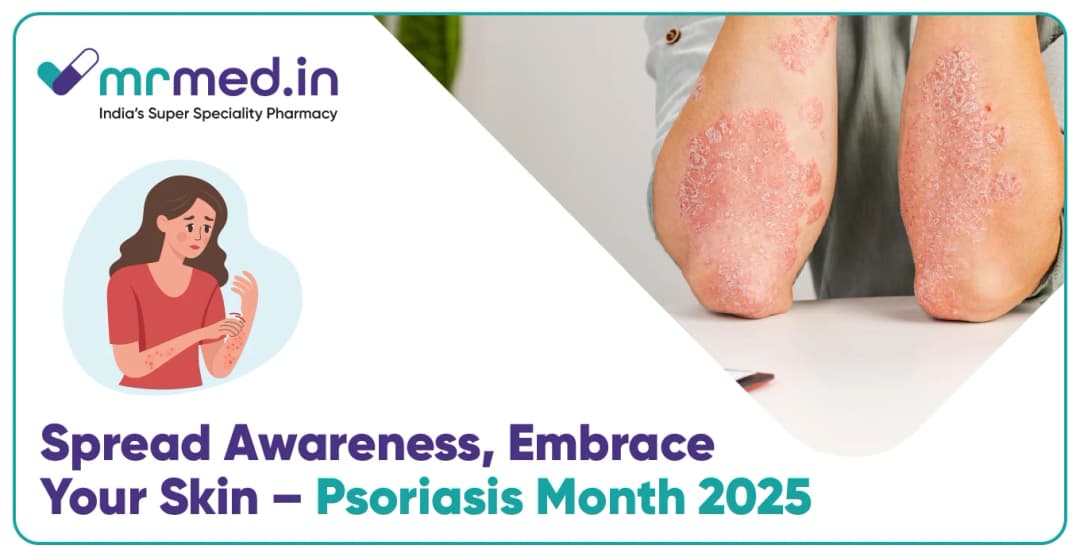
Psoriasis Awareness Month





Last updated on 02 Jan 2026
Spread the Awareness: It’s Time to Love the Skin You’re In
Welcome back! Today we’re diving into a topic that deserves the spotlight every single year, Psoriasis. For those who live with it, psoriasis is more than just a skin condition, it’s something that can shape confidence, lifestyle, and even mental health. That’s why every August, people across the globe come together to mark Psoriasis Awareness Month 2025.
If you’ve ever wondered why this month matters, what the latest updates are, or how you can be a part of the movement, you’re in the right place. Let’s unpack it all together.
Theme of Psoriasis Awareness Month 2025
Each year comes with a fresh theme that reflects the challenges and opportunities faced by the psoriasis community. For Psoriasis Awareness Month 2025, the global theme is:
“Equity in Care: Closing the Gap for Psoriasis Patients”
The focus this year is on ensuring that everyone, regardless of their location or resources, can access timely, affordable, and effective treatment.
-
In India alone, it affects 1–2% of the population, cutting across urban and rural boundaries.
-
Many patients still face delayed diagnosis or limited treatment access, especially in low-resource settings.
This theme aims to bridge those gaps by encouraging healthcare providers, policymakers, and patient communities to work together.
CSIR Central Institute of Medicinal and Aromatic Plants (CIMAP) has developed a lavender-based herbal cream tested in 2025 showed effectiveness similar to 0.1% steroid creams while being non-irritating, offering a promising alternative for safe topical treatment
What Exactly Is Psoriasis?
Think of your skin cells as a production line. Normally, they grow and shed in about 30 days. In psoriasis, the immune system sends mixed signals, speeding up this cycle to just 3–5 days. The result? Cells pile up, forming red, itchy, and scaly patches.
-
It’s not contagious.
-
It can show up on the elbows, knees, scalp, lower back, or even nails.
-
It has different types: plaque, guttate, pustular, inverse, erythrodermic.
And here’s the tough part: psoriasis is lifelong. But that doesn’t mean it can’t be managed. With the right treatment and care, people live healthy, confident lives.

Dr. Anthony P. Fernandez (Director of Medical Dermatology) and Dr. Jenny Murase (Director Medical Consultative Dermatology) note that plaque psoriasis is the most common type and that psoriasis affects multiple body areas. It is chronic and genetic, and may increase the risk of cardiovascular and mental health issues.
Causes of Psoriasis: What Really Triggers It?
The exact cause still puzzles scientists, but two major factors are always in play:
|
Factor |
How it Contributes |
|
Immune System |
The immune system mistakenly attacks healthy skin cells, leading to inflammation and overproduction of skin cells. |
|
Genetics |
If your parents or grandparents had psoriasis, your risk increases significantly. |
Common Psoriasis Triggers You Should Know
Even if you carry the genetic risk, psoriasis flare-ups often need a trigger.
-
Stress: Mental stress can make flare-ups worse.
-
Injury: Cuts, burns, or even tattoos may cause new patches (called Koebner phenomenon).
-
Infections: Strep throat is a classic trigger, especially for guttate psoriasis.
-
Smoking & Alcohol: Both worsen severity and frequency.
-
Medications: Lithium, beta-blockers, and antimalarials are known culprits.
-
Weather: Cold, dry winters often aggravate psoriasis.
The takeaway: Managing triggers is just as important as treatment.
Recognizing the Symptoms
Psoriasis looks different depending on skin tone and type, but here are the common signs:
-
Red patches with silvery-white scales (light skin) or purple/brown with gray scales (dark skin).
-
Itchy, painful plaques.
-
Cracked, bleeding skin.
-
Scalp flaking (often mistaken for dandruff).
-
Thick, ridged nails.
-
Joint pain and stiffness (possible psoriatic arthritis).
As per Indian Dermatology Online Journal a 2024 study indicates that 8.7% of individuals with psoriasis in India also have concomitant psoriatic arthritis.
Treatment for Psoriasis in 2025
Here’s the hopeful part: while there’s still no answer to “how to get rid of psoriasis permanently,” treatment has advanced massively by 2025.
1. Topical Treatments
-
Corticosteroid creams
-
Vitamin D analogs (calcipotriol)
-
Salicylic acid lotions
-
Moisturizers
2. Phototherapy
-
Narrowband UVB therapy remains a safe and effective option.
-
PUVA (psoralen + UVA) is used for severe cases.
3. Systemic Medications
-
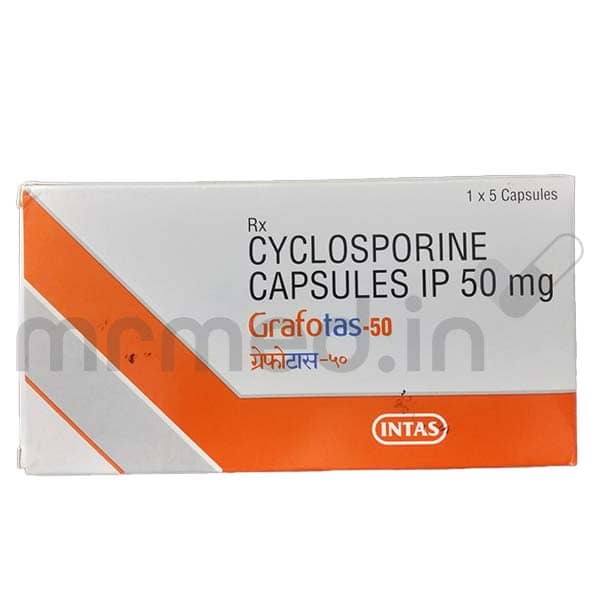
Methotrexate, cyclosporine, acitretin (traditional options).
-
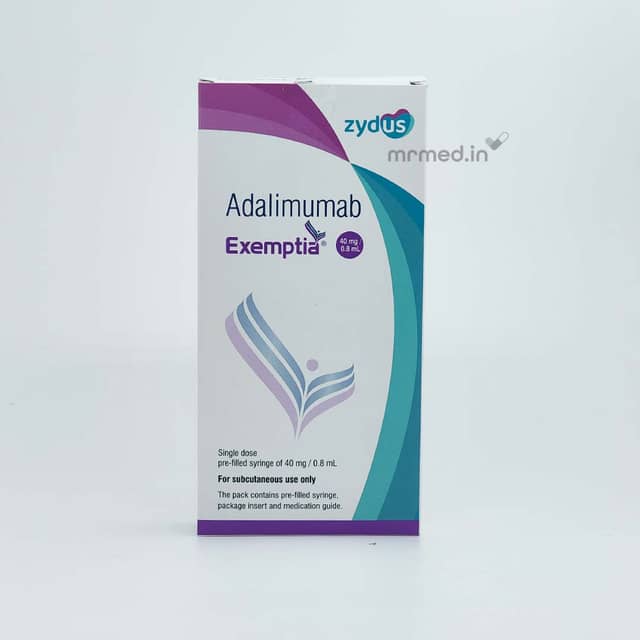
Biologics targeting immune pathways (IL-17, IL-23, TNF blockers).
4. New in 2025
-
Oral TYK2 inhibitors (a newer class of targeted therapy) approved in India this year. They promise fewer side effects with high efficacy.
|
Treatment Type |
Best For |
|
Topical creams |
Mild psoriasis |
|
Phototherapy |
Moderate cases |
|
Biologics & TYK2 inhibitors |
Severe, resistant cases |
Living Better With Psoriasis: Prevention & Self-Care
While flare-ups can’t be stopped entirely, lifestyle tweaks make a huge difference:
-
Moisturize daily (thick creams or ointments).
-
Manage stress (yoga, meditation, journaling).
-
Avoid triggers (smoking, alcohol, harsh soaps).
-
Eat anti-inflammatory foods (omega-3 rich fish, leafy greens, berries).
-
Exercise regularly to keep weight and joint health in check.
-
Stay sun-safe: a little sun helps, but too much causes burns.
Psoriasis and Mental Health
One thing that’s often overlooked is how psoriasis affects the mind. People may feel embarrassed, isolated, or judged. In fact, studies show people with psoriasis have higher rates of anxiety and depression.
This is where Psoriasis Awareness Month makes a difference, it not only spreads medical knowledge but also pushes society toward empathy and acceptance.
Five Must-Know Facts About Psoriasis
-
Plaque psoriasis is the most common type, affecting nearly 80–90% of patients.
-
Psoriatic arthritis develops in about 30% of people with psoriasis.
-
It’s not contagious, but stigma still exists.
-
Children can develop guttate psoriasis after throat infections.
-
Climate matters flare-ups are worse in cold, dry weather.
Global and Indian Perspective: Why Psoriasis Month 2025 Matters
-
World Psoriasis Awareness Month 2025 is not just about skin, it’s about equity in healthcare.
-
In India, access to biologics and advanced treatments is still limited to urban centers. Spreading awareness helps push for insurance coverage and government support.
-
Globally, the psoriasis awareness ribbon (teal and lavender) is a unifying symbol of hope and solidarity.
How You Can Spread Awareness
-
Share your story on social media with hashtags like #PsoriasisAwarenessMonth2025.
-
Join local or online events organized by the National Psoriasis Foundation (NPF) or Indian dermatology groups.
-
Wear the psoriasis awareness ribbon to show support.
-
Educate friends and family about the condition—it’s not “just a rash.”
FAQS
1. What is psoriasis disease?
Psoriasis is a chronic autoimmune skin condition where skin cells multiply too quickly, causing red, scaly patches. It is long-term but not contagious.
2. How to cure psoriasis permanently?
There is no permanent cure for psoriasis. Treatments like biologics, oral medicines, phototherapy, and lifestyle changes can effectively manage symptoms and reduce flare-ups.
3. What is the best cream to treat psoriasis?
Topical corticosteroids and vitamin D analog creams are most commonly prescribed. Other options include coal tar, salicylic acid, and moisturizers to relieve scaling and itching.
4. Is psoriasis dangerous?
Psoriasis is not life-threatening but can be serious if left untreated. It may lead to complications like psoriatic arthritis, cardiovascular risk, or mental health issues.
5. How to cure scalp psoriasis permanently?
Scalp psoriasis cannot be cured permanently. However, medicated shampoos, topical steroids, vitamin D creams, and biologics can control and prevent recurrences.
6. What is the symbol for psoriasis awareness?
The psoriasis awareness ribbon is teal and lavender, symbolizing unity and support for people living with psoriasis worldwide.
Final Thoughts
Psoriasis Awareness Month 2025 is a reminder that living with psoriasis doesn’t define anyone, it’s only one part of who they are. While there’s still no permanent cure, the leaps in treatment and the power of awareness are changing lives every day.
So let’s keep the conversation going. Whether you’re a patient, a caregiver, or just someone who wants to make the world kinder, your voice matters.
Together, we can spread the awareness, fight stigma, and remind everyone—it’s always time to love the skin you’re in.
Read Also
References
-
EClinicalMedicine. The burden of psoriasis: a call for awareness. EClinicalMedicine. 2021;38:101114. Published 2021 Aug 26. doi:10.1016/j.eclinm.2021.101114https://pmc.ncbi.nlm.nih.gov/articles/PMC8413233/
-
Malhotra K, Aggarwal P, Malhotra S, Goyal K. Evaluating the Global Digital Impact of Psoriasis Action Month and World Psoriasis Day: Serial Cross-Sectional Study. JMIR Dermatol. 2023;6:e49399. Published 2023 Sep 4. doi:10.2196/49399 https://pmc.ncbi.nlm.nih.gov/articles/PMC10507516/
Disclaimer: The content in this blog is for general informational purposes only and is not a substitute for professional medical advice, diagnosis, or treatment. Always consult your doctor or a qualified healthcare professional before starting or adjusting any medication, including Mounjaro injections. Individual responses to treatment may vary, and the information provided is based on trusted sources but may not apply to every patient. MrMed does not promote or endorse the use of any specific medication unless explicitly stated.















Comments