








Quick Summary
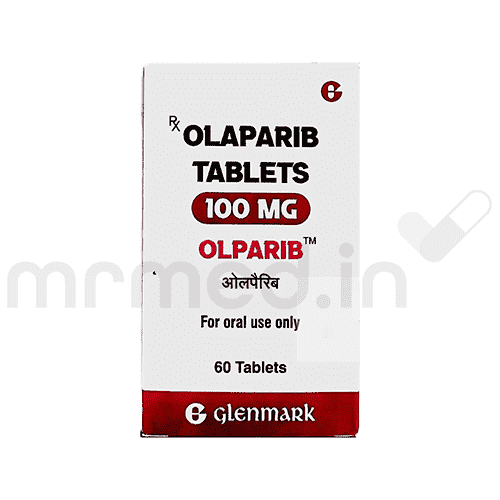
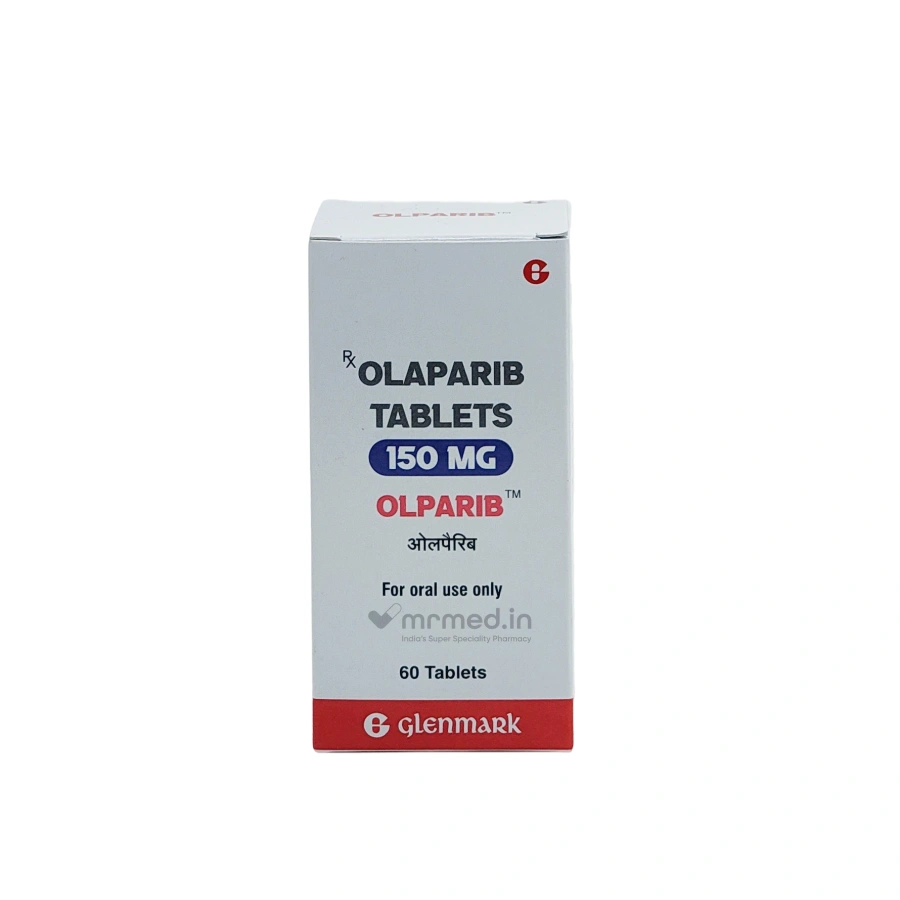
Olparib 150mg Tablet

Last updated on 09 Nov 2026 | 04:44 AM (IST)
₹7492
MRP: ₹9136
(You Save ₹1644)
60 TABLET(s) IN A BOTTLE

18% OFF
₹7492
MRP: ₹9,136.00
Inclusive of all taxes
18% Off



Dispatch: Today
Care delivered without the wait. Your order is prioritized for rapid dispatch to ensure it reaches your doorstep on time.
Substitutes
Parbraze 150mg Tablet
ABBOTT
₹ 70.65/tablet
43% cheaper
Bracaloc 150mg Tablet
SAMARTH LIFE SC...
₹ 91.40/tablet
26% cheaper
Olanamo 150mg Tablet
SHIVNAAM TRADEL...
₹ 96.94/tablet
22% cheaper
Lyntero 150mg Tablet
HETERO HEALTHCA...
₹ 98.70/tablet
20% cheaper
Better Service Satisfied Customers
Introduction
Olparib 150mg Tablet contains Olaparib, a targeted anticancer medicine that belongs to a group called PARP inhibitors. It is used to treat certain cancers in people whose tumours have changes in the BRCA genes or in related DNA repair genes. Olparib 150mg Tablet is supplied as a bottle of 60 tablets and is marketed by Glenmark.
Uses of Olparib 150mg Tablet
Olparib 150mg Tablet may be prescribed to:
Treat ovarian cancer: It may be used as maintenance treatment for ovarian, fallopian tube or primary peritoneal cancer after the cancer has responded to platinum-based chemotherapy. This includes cancers with BRCA gene changes and, with bevacizumab, cancers with a certain type of DNA repair deficiency.
Treat breast cancer: It may be used in HER2-negative breast cancer with an inherited BRCA gene change, either as treatment after surgery in high-risk early breast cancer or for locally advanced or metastatic breast cancer.
Treat pancreatic cancer: It may be used as maintenance treatment for metastatic pancreatic cancer with an inherited BRCA gene change, after the cancer has not progressed on first-line platinum chemotherapy.
Treat prostate cancer: It may be used in metastatic castration-resistant prostate cancer with BRCA or related gene changes, after earlier hormone treatment, or together with abiraterone in some cases.
The approved uses and the need for genetic testing depend on the type of cancer. Your oncologist will decide whether Olparib 150mg Tablet is suitable for you.
How Olparib 150mg Tablet works
Olparib 150mg Tablet contains Olaparib, which blocks enzymes called PARP (poly ADP-ribose polymerase). These enzymes help cells repair damage to their DNA.
Cancer cells with BRCA gene changes already have a weakened DNA repair system. When PARP is also blocked, damage builds up in the cancer cells and they die. Normal cells have a working backup repair system, so they are less affected.
Interaction of Olparib 150mg Tablet with other drugs
Tell your doctor about all prescription medicines, over-the-counter medicines, supplements and herbal products you are taking.
Antifungal, antibiotic and HIV medicines that block CYP3A: Medicines such as itraconazole, clarithromycin, ritonavir-boosted medicines, erythromycin, diltiazem, fluconazole and verapamil can raise Olaparib levels. They should be avoided, or your doctor will lower the dose.
Medicines that speed up CYP3A: Rifampicin, phenytoin, carbamazepine, phenobarbital, St. John’s wort and efavirenz can lower Olaparib levels and make it less effective. They should be avoided.
Grapefruit juice: It can raise Olaparib levels and should be avoided during treatment.
Other anticancer medicines: Using them together can increase the effect on the bone marrow and the risk of low blood counts.
Hormonal contraceptives: Olaparib may reduce their effect, so an extra non-hormonal method is advised.
Some other medicines: Medicines such as simvastatin, ciclosporin and tacrolimus may need closer monitoring when used with Olaparib.
Vaccines: Check with your doctor before any vaccination, especially live vaccines.
Do not start or stop any medicine without medical advice.
Storage conditions
Store Olparib 150mg Tablet in the original package at room temperature (20°C to 25°C).
Keep it out of reach from children.
How to take Olparib 150mg Tablet
The medicine will be prescribed to you by a healthcare professional in a hospital setting. Olparib 150mg Tablet is available as a tablet to be taken with or without food, as directed by your healthcare provider. The dose will be decided by your healthcare professional based on your conditions. Avoid crushing, opening, or dissolving the tablet and swallow it whole with a glass of water. Take the Olparib 150mg Tablet at the same time every day.
Safety Advice for Olparib 150mg Tablet

Pregnancy
Olparib 150mg Tablet can harm an unborn baby and should not be used during pregnancy. A pregnancy test is advised before treatment. Women who can become pregnant should use two reliable forms of contraception during treatment and for 6 months after the last dose. Men should use a condom during treatment and for 3 months after the last dose.

Breast Feeding
It is not known whether Olaparib passes into breast milk. Do not breastfeed during treatment and for 1 month after the last dose.

Lungs
Olaparib can rarely cause lung inflammation (pneumonitis). It can also be linked to blood clots in the lungs, especially in people with prostate cancer. Tell your doctor if you have a lung condition, and report new or worsening cough, breathlessness, chest pain or fever at once.
Liver
Olaparib can rarely cause lung inflammation (pneumonitis). It can also be linked to blood clots in the lungs, especially in people with prostate cancer. Tell your doctor if you have a lung condition, and report new or worsening cough, breathlessness, chest pain or fever at once.

Alcohol
There is no direct interaction listed between alcohol and Olaparib. Alcohol can worsen nausea and tiredness and can strain the liver, so ask your doctor whether it is safe for you.

Driving
Olparib 150mg Tablet can cause tiredness, weakness and dizziness. Avoid driving or using machinery if you feel unwell.
Side Effects
Common side effects of Olparib 150mg Tablet may include:
Nausea and vomiting
Diarrhoea and indigestion
Tiredness and weakness
Loss of appetite
Headache
Dizziness
Change in taste
Cough and shortness of breath
Anaemia and other low blood counts (low white blood cells or platelets)
Mouth ulcers
Skin rash
Higher creatinine levels in kidney blood tests
Nausea often starts in the first weeks of treatment and may improve. Tell your doctor if it is troublesome, as the doctor may suggest ways to manage it.
Serious side effects
Seek medical attention if you develop:
Persistent tiredness, paleness, breathlessness, unusual bruising or bleeding, or repeated infections, which may be signs of low blood counts or a rare bone marrow problem such as myelodysplastic syndrome or leukaemia.
Fever or signs of infection.
New or worsening cough, shortness of breath or fever, which may be signs of lung inflammation.
Swelling or pain in a leg, sudden breathlessness or chest pain, which may be signs of a blood clot.
Yellowing of the skin or eyes, or dark urine.
Swelling of the face, lips, tongue or throat, or a severe allergic reaction.
Expert tips
Regular monitoring: Olparib 150mg Tablet can reduce blood cell counts, so routine blood tests should be done at regular intervals to track your health.
Sun protection: Avoid direct sunlight while on this medication and apply sunscreen with an SPF of at least 50 before going outdoors.
Do not stop abruptly: Never discontinue Olparib 150mg Tablet without consulting your doctor, even if symptoms improve.
Avoid grapefruit juice: It can increase the drug’s concentration in your blood, leading to potential side effects.
Inform your doctor: Always notify your healthcare provider about any other anticancer medicines or treatments you are currently using.
Stay hydrated: Maintain adequate fluid intake, as dehydration can worsen side effects such as diarrhea or other gastrointestinal issues.
Follow medical advice: Continue taking the medicine as prescribed and do not alter the dose or frequency without professional guidance.
Attend follow-ups: Keep all scheduled appointments and follow-up visits with your doctor to ensure treatment effectiveness and timely management of side effects.
Additional note: With proper monitoring and adherence, Obrenza 100mg Tablet can serve as an effective option for managing certain cancer types.
FAQs
Q1.
Can Olparib 150mg Tablet be taken during pregnancy or breastfeeding?
Olparib 150mg Tablet may harm an unborn baby and should not be used during pregnancy. It is also not recommended while breastfeeding, as it may pass into breast milk and harm the nursing infant.
Q2.
What are Olparib 150mg Tablet's typical side effects?
Nausea, vomiting, lethargy, diarrhea, appetite loss, and blood cell count abnormalities are typical adverse effects.
Q3.
What is Olparib 150mg Tablet used for?
Olparib 150mg Tablet contains Olaparib and is used to treat certain ovarian, breast, pancreatic and prostate cancers, usually in people whose tumours have BRCA or related gene changes.
Q4.
Is Olparib 150mg Tablet used as a standalone treatment in cancers?
Olparib 150mg Tablet is usually indicated as maintenance therapy after a person completes a platinum-based chemotherapy regimen for ovarian cancer. However, newer studies are evaluating its solitary efficacy in treating different types of cancers.
Q5.
Can I drive or operate machinery while taking Olparib 150mg Tablet?
Olparib 150mg Tablet may cause side effects such as dizziness or fatigue, which could impair your ability to drive or operate machinery safely. If you're unsure, it's best to consult with your healthcare provider for personalized advice based on your specific situation.
Q6.
What should I do if I miss a dose of Olparib 150mg Tablet?
Take your next dose at the usual time. Do not take a double dose to make up for the missed one.
Q7.
Can I drink grapefruit juice while taking Olparib 150mg Tablet?
No. Grapefruit juice can raise the level of Olaparib in your body and increase side effects.
Fact Box
Molecule name | Olaparib |
Therapeutic class | Antineoplastic agent |
Pharmacological class | Poly (ADP-ribose) polymerase (PARP) inhibitor |
Indications | Ovarian, breast, pancreatic and prostate cancers with BRCA or related gene changes |
References
Disclaimer
MrMed’s primary intention is to ensure that its consumers get information that is reviewed by experts, accurate and trustworthy. The information and contents of this website are for informational purposes only. They are not intended to be a substitute for professional medical advice, diagnosis, or treatment. Please seek the advice of your doctor and discuss all your queries related to any disease or medicine. Do not disregard professional medical advice or delay in seeking it because of something you have read on MrMed. Our mission is to support, not replace, the doctor-patient relationship.
Did you find this information helpful?
Author Details

Written By
Vishishta
M.Sc Microbiology

Reviewed By
Dr. Tejashwin Adiga
MBBS
Last updated : 09 Nov 2026 | 04:44 AM (IST)

Want to know more?
Read Our Editorial Policy