










Quick Summary
Piptaz 4.5gm Injection

Last updated on 28 Oct 2026 | 09:01 AM (IST)
₹298
MRP: ₹420.5
(You Save ₹122.5)
1 VIAL(s)


Piptaz 4.5gm Injection
Salt Composition
PIPERACILLIN,TAZOBACTAMMarketer
VHB LIFE SCIENCES INC
29% OFF
₹298
MRP: ₹420.50
Inclusive of all taxes
29% Off



Dispatch: Today
Care delivered without the wait. Your order is prioritized for rapid dispatch to ensure it reaches your doorstep on time.
Substitutes
Microtaz 4.5gm Injection
MICRO LABS LTD
₹ 148.00/injection
50% cheaper
Ortazilin 4.5gm Injection
ORCHID PHARMA L...
₹ 170.00/injection
42% cheaper
₹ 170.00/injection
42% cheaper
Tapic EM 4.5gm Injection
EMCURE PHARMACE...
₹ 173.00/injection
41% cheaper
Better Service Satisfied Customers
Introduction
Piptaz 4.5gm Injection contains Piperacillin 4 g and Tazobactam 0.5 g, a combination of a penicillin-class antibiotic and a beta-lactamase inhibitor. It is supplied as a single vial of powder for injection and is marketed by VHB Life Sciences. It is a broad-spectrum antibiotic for serious bacterial infections.
Piptaz is given into a vein by a healthcare professional, usually in a hospital. Piperacillin kills bacteria, and tazobactam protects it from enzymes that some bacteria use to resist it. It works only against bacterial infections and does not work against viruses such as colds or influenza
Uses of Piptaz 4.5gm Injection
Piptaz 4.5gm Injection is used to treat:
Intra-abdominal infections: Including complicated appendicitis and peritonitis.
Pneumonia: Including hospital-acquired pneumonia and moderate community-acquired pneumonia.
Skin and skin structure infections: Including cellulitis, abscesses and diabetic foot infections.
Female pelvic infections: Including infection of the womb lining after childbirth and pelvic inflammatory disease.
Complicated urinary tract and bloodstream infections: As listed in European product information.
Piptaz is used only for infections that are proven or strongly suspected to be caused by bacteria. Dosing for children is set by the doctor according to weight and the type of infection.
How Piptaz 4.5gm Injection Works
Piperacillin is a penicillin-class antibiotic. It stops bacteria from building their cell walls, which kills them.
Some bacteria make enzymes called beta-lactamases that break down penicillins. Tazobactam blocks these enzymes, so piperacillin can work against bacteria that would otherwise resist it.
Interaction of Piptaz 4.5gm Injection with Other Medicines
Tell your doctor about all prescription medicines, over-the-counter medicines, supplements and herbal products you use.
Probenecid: It slows the removal of piperacillin and tazobactam and prolongs their effect. It should not be combined unless the benefit outweighs the risk.
Vancomycin: Using vancomycin with piperacillin and tazobactam increases the chance of acute kidney injury, so kidney function is monitored.
Aminoglycoside antibiotics: These must be prepared and given separately, because mixing can inactivate them. Piptaz can lower tobramycin levels in people on haemodialysis.
Blood thinners: Heparin and oral anticoagulants can add to the risk of bleeding, so clotting tests are monitored.
Vecuronium and methotrexate: Piptaz can prolong the muscle-relaxing effect of vecuronium and similar medicines, and it can reduce the removal of methotrexate. Levels and effects are monitored.
Storage Conditions
Store the unopened vial below 25°C.
Protect the vial from light and keep it in the original carton.
The prepared solution is made by a healthcare professional and used within the time set by the hospital pharmacy. Any unused solution is discarded.
Do not use the vial after the expiry date.
Keep out of sight and reach of children and pets.
How to Use Piptaz 4.5gm Injection
Piptaz 4.5gm Injection is given only by a doctor or nurse as an intravenous infusion, usually over at least 30 minutes. The dose, how often it is given and how long treatment lasts depend on the infection, your kidney function and your weight. The dose is reduced in people with reduced kidney function.
The powder is dissolved and diluted by a healthcare professional using a suitable fluid.
It is not mixed in the same bag or syringe with other medicines, especially aminoglycoside antibiotics.
Blood tests for kidney function, blood counts and potassium may be done during treatment.
Complete the full course your doctor prescribes, even if you feel better.
Tell your nurse straight away if you feel unwell, itchy or short of breath during the infusion.
Safety Advice

Pregnancy
Piptaz should be used in pregnancy only if clearly needed. Animal studies did not show structural abnormalities in the offspring at the doses tested. Tell your doctor if you are pregnant, planning a pregnancy or think you may be pregnant.

Breast Feeding
Piperacillin passes into breast milk in low amounts. Your doctor will decide whether to continue breastfeeding or to use Piptaz.
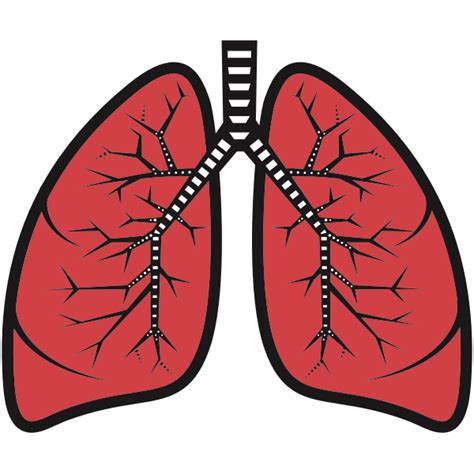
Lungs
Piptaz is used to treat pneumonia. Tell your doctor if you have cystic fibrosis, because fever and rash are more common in this condition. Report new wheezing or breathlessness promptly, because it can be a sign of an allergic reaction.

Liver
Liver blood tests can become abnormal during treatment. Tell your doctor if you have a liver condition.

Alcohol
No interaction with alcohol is listed. Because Piptaz is given in hospital for serious infections, ask your doctor what is advisable for you.

Driving
Piptaz can cause headache, dizziness and, rarely, seizures. Do not drive or use machines if you feel dizzy, drowsy or unwell.
Side Effects
Common side effects of Piptaz 4.5gm Injection may include:
Diarrhoea
Nausea
Vomiting
Constipation
Headache
Trouble sleeping
Rash or itching
Fever
Pain or swelling at the drip site
Your doctor may also see changes in blood tests, such as liver enzymes, kidney tests or potassium.
Serious side effects
Seek medical attention if you develop:
A severe allergic reaction, such as swelling of the face, lips or throat, difficulty breathing or a widespread rash.
Severe skin reactions, such as blistering, peeling or painful mouth sores.
Severe or persistent diarrhoea, which can start during treatment or weeks after it ends.
Unusual bleeding or bruising.
Fits (seizures), particularly in people with reduced kidney function.
Passing much less urine, or swelling of the legs or face.
High fever with swollen glands, tiredness, rash or bruising, which can be signs of a rare immune condition called haemophagocytic lymphohistiocytosis.
Expert Tips
Tell your doctor if you have ever had an allergic reaction to penicillins, cephalosporins, carbapenems or other beta-lactam antibiotics.
Complete the full course, even if you feel better, to help prevent the infection coming back.
Report diarrhoea straight away and do not take anti-diarrhoeal medicines without medical advice.
Tell your doctor if you have kidney disease or are on dialysis, because the dose is adjusted.
Tell your doctor if you take blood thinners, vancomycin, methotrexate or probenecid.
Piptaz contains sodium. Tell your doctor if you are on a sodium-restricted diet.
Blood potassium, kidney function and blood counts are checked, so keep all test appointments.
Piptaz can cause false positive results in some tests, such as urine glucose tests that use copper reduction and the Aspergillus galactomannan test. Mention your treatment to the laboratory.
Piptaz does not treat viral infections.
FAQs
Q1.
What is Piptaz 4.5gm Injection used for?
Piptaz contains piperacillin and tazobactam and is used to treat serious bacterial infections of the abdomen, lungs, skin and soft tissue, and female pelvic organs. It is also used for some urinary tract and bloodstream infections.
Q2.
How is Piptaz given?
It is given into a vein by a doctor or nurse, usually as an infusion over at least 30 minutes. It cannot be taken by mouth or injected by yourself.
Q3.
How long will I need Piptaz?
Your doctor decides the length of the course based on the infection and how you respond. Complete the full course as prescribed.
Q4.
Is Piptaz a penicillin?
Piperacillin is a penicillin-class antibiotic. If you are allergic to penicillins, cephalosporins or other beta-lactam antibiotics, tell your doctor before treatment.
Q5.
What are the common side effects of Piptaz?
Common side effects include diarrhoea, nausea, vomiting, constipation, headache, trouble sleeping, rash, fever and pain at the drip site. Report any severe or unusual symptoms.
Q6.
Can Piptaz be used in pregnancy or breastfeeding?
Only if clearly needed, as decided by your doctor. Tell your doctor if you are pregnant, planning a pregnancy or breastfeeding.
Fact Box
Molecule name | Piperacillin + Tazobactam |
Therapeutic class | Antibacterial (anti-infective) |
Pharmacological class | Penicillin-class antibiotic with a beta-lactamase inhibitor |
Indications | Bacterial infections of the abdomen, lungs, skin and soft tissue, and female pelvic organs |
References
Disclaimer
MrMed’s primary intention is to ensure that its consumers get information that is reviewed by experts, accurate and trustworthy. The information and contents of this website are for informational purposes only. They are not intended to be a substitute for professional medical advice, diagnosis, or treatment. Please seek the advice of your doctor and discuss all your queries related to any disease or medicine. Do not disregard professional medical advice or delay in seeking it because of something you have read on MrMed. Our mission is to support, not replace, the doctor-patient relationship.
Did you find this information helpful?
Author Details

Written By
Vishishta
M.Sc Microbiology

Reviewed By
Dr. Tejashwin Adiga
MBBS
Last updated : 28 Oct 2026 | 09:01 AM (IST)

Want to know more?
Read Our Editorial Policy