Sourced from:Manufacturer Authorized Distributor

Quick Summary
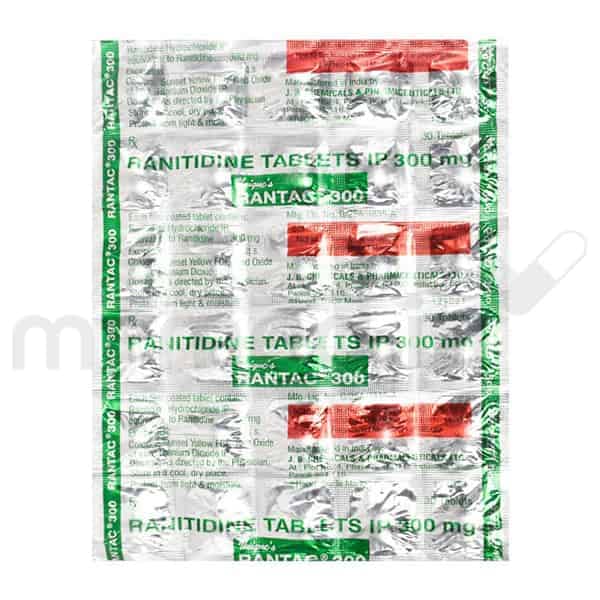
Rantac 150mg Tablet

Last updated on 27 Oct 2026 | 06:42 AM (IST)
₹50
MRP: ₹55.81
(You Save ₹5.81)
30 TABLET(s) IN A STRIP
Sourced from:Manufacturer Authorized Distributor


10% OFF
₹50
MRP: ₹55.81
Inclusive of all taxes
10% Off



Dispatch: Today
Care delivered without the wait. Your order is prioritized for rapid dispatch to ensure it reaches your doorstep on time.
Better Service Satisfied Customers
Introduction
Rantac 150mg Tablet contains Ranitidine 150 mg (as ranitidine hydrochloride), a medicine that belongs to a group called H2 receptor antagonists, or histamine-2 blockers. Rantac tablet reduces the amount of acid made by the stomach. It is used for conditions where reducing stomach acid helps, such as duodenal ulcer, gastric ulcer and acid reflux. It is a prescription medicine.
Uses of Rantac 150mg Tablet
Rantac 150 Tablet is used to:
Treat duodenal ulcer and benign gastric ulcer: This includes ulcers linked to anti-inflammatory painkillers (NSAIDs).
Prevent ulcers caused by NSAIDs: It may be prescribed for people with a history of peptic ulcer who need to take NSAIDs.
Treat acid reflux: It is used for reflux oesophagitis, for long-term management of healed oesophagitis and for relief of heartburn in gastro-oesophageal reflux disease (GERD).
Treat other acid-related conditions: These include ulcers after surgery, Zollinger-Ellison syndrome and other conditions where reducing stomach acid is beneficial.
How Rantac 150mg Tablet Works
Ranitidine blocks histamine-2 receptors on the acid-producing cells of the stomach lining. This reduces both the volume of stomach acid and its acid and pepsin content. A single 150 mg dose suppresses stomach acid for about 12 hours. Lower acid helps ulcers heal and relieves heartburn and other reflux symptoms.
Interaction of Rantac 150mg Tablet with Other Medicines
Tell your doctor about all medicines, supplements and herbal products you take before starting Rantac.
Warfarin and similar blood thinners: Changes in blood clotting time have been reported, so your doctor may monitor you closely.
Ketoconazole, atazanavir, delavirdine and gefitinib: Ranitidine changes stomach acidity, which can reduce how well these medicines are absorbed.
Triazolam and midazolam: Their absorption may increase. Your doctor may adjust the dose.
Glipizide (a diabetes medicine): Its levels can change, so your doctor may monitor your blood sugar.
Procainamide: High doses of ranitidine may increase its level in the blood.
NSAID painkillers: Your doctor will monitor you regularly if you take them with Rantac, especially if you are older or have had an ulcer.
Amoxicillin and metronidazole: Taking them with ranitidine has been linked with antibiotic-associated diarrhoea.
Storage Conditions
Do not store Rantac 150mg Tablet above 30°C.
Keep it in the original pack, away from heat and moisture. Do not leave it in a hot place such as a car or near a stove.
Do not use the tablets after the expiry date.
Keep the medicine out of the reach of children.
Follow any additional storage instructions printed on the product packaging.
How to Use Rantac 150mg Tablet
Use Rantac 150mg Tablet exactly as prescribed by your doctor.
The usual adult dose for ulcers is 150 mg twice a day, in the morning and evening, or 300 mg at night. Doses do not need to be timed with meals, and your doctor may advise a time that suits your symptoms. Swallow the tablet whole with water. Most ulcers heal within 4 weeks, and some need a further 4 weeks of treatment. For GERD symptoms, a short course of about 2 weeks may be advised. People with severe kidney problems need a lower dose, and doses in children are based on body weight.
Do not take Rantac for longer than your doctor advises. If you miss a dose, take it when you remember. If it is almost time for the next dose, skip the missed dose. Do not take two doses together.
Safety Advice

Pregnancy
Ranitidine crosses the placenta. It should be used during pregnancy only if your doctor considers it essential. Tell your doctor if you are pregnant or planning a pregnancy.

Breast Feeding
Ranitidine passes into breast milk. It should be used while breastfeeding only if your doctor considers it essential.

Lungs
Tell your doctor if you have a lung condition and report fever, cough or breathing difficulty.
Liver
Temporary changes in liver tests can occur, and hepatitis with or without jaundice has been reported rarely. Tell your doctor if you have liver disease, and report yellowing of the skin or eyes.

Alcohol
The prescribing information does not list a specific interaction with alcohol. Alcohol can irritate the stomach lining and worsen ulcers and reflux, so it is best to avoid or limit it. Talk to your doctor about alcohol use.

Driving
Rantac is not known to affect the ability to drive or use machines. Headache and dizziness have been reported rarely, so do not drive if you feel dizzy.
Side Effects
Common side effects of Rantac 150 Tablet may include:
Headache
Dizziness
Nausea
Constipation
Diarrhoea
Abdominal pain
Skin rash
Some of these effects improve as treatment continues.
Serious side effects
Seek medical attention if you develop:
Swelling of the face, lips, tongue or throat, rash, fever or difficulty breathing, which can be signs of a severe allergic reaction.
Yellowing of the skin or eyes with dark urine, which can be a sign of hepatitis.
Confusion, depression or hallucinations, which are more likely in older or severely ill people.
Slow or irregular heartbeat.
Unusual bruising, bleeding or frequent infections, which can be signs of blood count changes.
Severe stomach pain, which can be a sign of pancreatitis.
Black or bloody stools, vomiting blood, difficulty swallowing, persistent vomiting or unexplained weight loss. Ranitidine can hide symptoms of a serious stomach problem, so these need medical review.
Expert Tips
Use Rantac exactly as prescribed and do not take it for longer than advised without review.
Ask your doctor whether another acid-reducing medicine may suit you, in view of the regulatory concerns about NDMA in ranitidine. Do not stop prescribed ranitidine without medical advice.
Check the expiry date, store the tablets below 30°C and keep them away from heat.
Stop smoking if you smoke, because smoking is linked with more ulcer relapses.
Avoid heavy, spicy or oily meals and late-night eating if they trigger heartburn.
Tell your doctor if you take NSAID painkillers, warfarin or other regular medicines.
Tell your doctor if you have ever had acute porphyria, because ranitidine should be avoided in this condition.
See your doctor if symptoms return, do not improve or come with weight loss or difficulty swallowing.
FAQs
Q1.
What is Rantac 150mg Tablet used for?
Rantac 150 tablet contains Ranitidine and is used to treat duodenal ulcer, gastric ulcer and acid reflux, and to prevent ulcers caused by NSAID painkillers. The Rantac tablet uses also include other conditions where reducing stomach acid is helpful.
Q2.
How to take Rantac 150 tablet?
Take Rantac 150 tablet exactly as prescribed, swallowed whole with water. Doses do not need to be timed with meals, and your doctor may suggest taking it in the morning and evening, or at night.
Q3.
What is the Rantac 150 tablet dosage?
The usual adult dose for ulcers is 150 mg twice a day or 300 mg at night. The dose and the length of treatment depend on your condition, so follow your doctor’s instructions.
Q4.
Should I take Rantac 150 before or after food?
The prescribing information says doses do not need to be timed in relation to meals. Your doctor may advise a time that works best for your symptoms.
Q5.
How long does Rantac take to work?
A single 150 mg dose reduces stomach acid for about 12 hours. Most duodenal and gastric ulcers heal within 4 weeks of treatment, and some need longer.
Q6.
Is Rantac safe, given the news about ranitidine being withdrawn?
The US FDA and the European Medicines Agency took action in 2020 because of an impurity called NDMA that can increase in ranitidine over time and with heat. In India, ranitidine remains available on prescription and the CDSCO has asked manufacturers to monitor NDMA levels. Speak to your doctor about whether Rantac is right for you.
Q7.
Can I take Rantac with painkillers such as NSAIDs?
Ranitidine is sometimes prescribed to prevent ulcers in people who need NSAIDs. Your doctor will monitor you regularly if you take both, especially if you are older or have had an ulcer.
Q8.
What should I do if I miss a dose of Rantac 150 tablet?
Take it as soon as you remember. If it is almost time for your next dose, skip the missed dose and continue as usual. Do not take two doses together.
Q9.
What is the price of Rantac 150 tablet?
The current price (MRP) of Rantac 150 tablet is shown on this product page. Prices can change, so please check the page at the time of ordering.
Fact Box
Molecule name | Ranitidine |
Therapeutic class | Acid reducer (anti-ulcer medicine) |
Pharmacological class | H2 receptor antagonist (histamine-2 blocker) |
Indications | Duodenal ulcer; Gastric ulcer; Acid reflux disease; Prevention of NSAID-associated ulcers |
References
Disclaimer
MrMed’s primary intention is to ensure that its consumers get information that is reviewed by experts, accurate and trustworthy. The information and contents of this website are for informational purposes only. They are not intended to be a substitute for professional medical advice, diagnosis, or treatment. Please seek the advice of your doctor and discuss all your queries related to any disease or medicine. Do not disregard professional medical advice or delay in seeking it because of something you have read on MrMed. Our mission is to support, not replace, the doctor-patient relationship.
Did you find this information helpful?
Author Details

Written By
Vishishta
M.Sc Microbiology

Reviewed By
Dr. Tejashwin Adiga
MBBS
Last updated : 27 Oct 2026 | 06:42 AM (IST)

Want to know more?
Read Our Editorial Policy