ADHD
Attention-deficit/hyperactivity disorder (ADHD) is a developmental condition that affects attention, activity levels, and impulse control. Symptoms can include difficulty staying focused, restlessness, acting without thinking, and problems with organisation or completing tasks. ADHD usually begins in childhood but can continue into adolescence and adulthood.
ADHD can affect people differently and may interfere with school, work, relationships, and everyday activities. Treatment depends on factors such as age, symptoms, overall health, and how the condition affects daily functioning.
Quick Facts
Condition | ADHD |
Type | Developmental condition |
Affects | Attention, activity levels and impulse control |
Common symptoms | Inattention, hyperactivity and impulsivity |
Diagnosis | Clinical assessment of symptoms and their effect on daily life |
Treatment | Medicines, psychotherapy and behavioural interventions |
Specialists | Psychiatrists, paediatricians, neurologists and other specialists |
How Does ADHD Affect Daily Life?
ADHD symptoms can affect a person's ability to focus, organise tasks, manage time, control impulses, and complete activities. In children, these difficulties may affect school performance, relationships, and behaviour. In adults, ADHD may make it harder to manage work, appointments, household tasks, and relationships.
Symptoms can change with age. Hyperactivity and impulsivity may become less noticeable in some people, while difficulties with attention, organisation, and time management may continue into adulthood.
FAQs
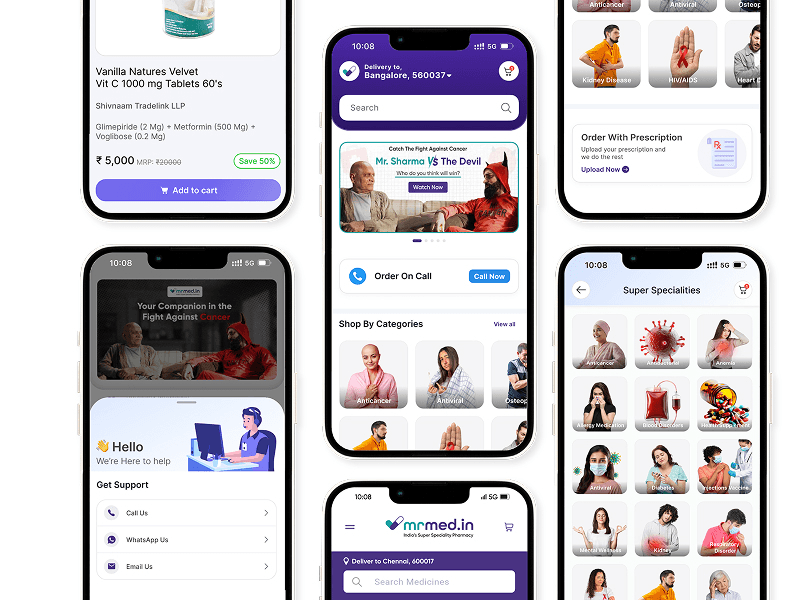
Q1. How can I order ADHD medicines from MrMed?
Search for your prescribed medicine on MrMed and provide the required prescription details when placing an order.
Q2. Can ADHD medicines interact with other medicines or supplements?
Yes. ADHD medicines may interact with prescription medicines, over-the-counter medicines, and herbal supplements.
Before starting treatment:
Tell your doctor about all the medicines and supplements you take.
Do not start or stop any medicine without medical advice.
Q3. What are the common side effects of ADHD medicines?
Side effects depend on the medicine. Some may include:
Loss of appetite
Difficulty sleeping
Headache
Stomach discomfort
Increased heart rate or blood pressure
Talk to your doctor if you have severe or persistent side effects.
Q4. What precautions should I take while using ADHD medicines?
Follow the prescribed dose and schedule. You should also:
Tell your doctor about other medicines and supplements you take.
Inform them about other health conditions.
Follow any recommended monitoring of blood pressure, heart rate, or other health measures.
Do not change the dose or stop treatment without medical advice.
Q5. How are ADHD medicines safely delivered?
MrMed follows the required storage, handling, packing, and transportation practices for medicines. Medicines with specific storage requirements are handled accordingly during delivery.
Q6. What are the signs and symptoms of ADHD?
ADHD symptoms mainly involve inattention, hyperactivity, and impulsivity. They may include:
Difficulty paying attention or staying focused
Forgetfulness or frequently losing things
Difficulty organising tasks or managing time
Restlessness or excessive activity
Talking excessively or interrupting others
Acting without thinking or having difficulty controlling impulses
For an ADHD diagnosis, symptoms need to be persistent, occur in more than one setting, and interfere with daily functioning.
Q7. Can adults have ADHD?
Yes. Although ADHD symptoms begin in childhood, they can continue into adolescence and adulthood. Adults may experience difficulties with attention, organisation, time management, restlessness, impulsivity, and completing daily tasks.
Q8. Can ADHD be cured?
There is currently no cure for ADHD. However, treatment can help reduce symptoms and improve daily functioning. Treatment may include medicines, psychotherapy, and behavioural interventions. Some people may need a combination of treatments depending on their symptoms and needs.