Severe Hypoglycemia
Severe hypoglycaemia is a serious condition in which blood glucose levels fall so low that a person cannot safely treat the episode themselves and may need help from another person. It most commonly occurs in people with diabetes who use insulin or certain glucose-lowering medicines.
Severe hypoglycaemia can cause confusion, seizures, loss of consciousness, and other serious complications. Treatment requires prompt correction of low blood glucose, while long-term management focuses on identifying and preventing future episodes.
Quick Facts
Condition | Severe Hypoglycaemia |
Type | Medical emergency caused by very low blood glucose |
Affects | Brain and other organs that depend on glucose for energy |
Commonly associated with | Diabetes treatment, missed meals, excessive physical activity, alcohol, or other factors that lower blood glucose |
Symptoms | Confusion, abnormal behaviour, seizures, loss of consciousness, and difficulty responding |
Treatment | Glucagon or intravenous glucose, followed by correction of the underlying cause |
Specialists | Endocrinologists, diabetologists and other healthcare professionals |
How Does Severe Hypoglycaemia Affect the Body?
The brain relies heavily on glucose for energy. When blood glucose becomes severely low, the brain cannot function normally. A person may become confused, behave unusually, have difficulty speaking or moving, develop seizures, or lose consciousness.
Severe hypoglycaemia is most often associated with insulin or certain other diabetes medicines, particularly when food intake, physical activity, or medication doses are not balanced. It can also occur because of alcohol consumption, illness, or other medical conditions.
Immediate treatment is needed. Glucagon can raise blood glucose when a person cannot take glucose by mouth, while intravenous glucose may be given in a medical setting. Once the episode has been treated, the cause should be assessed and the diabetes treatment plan may need adjustment to reduce the risk of another episode.
FAQs
Q1. How can I order Severe Hypoglycaemia medicines from MrMed, and do I need a prescription?
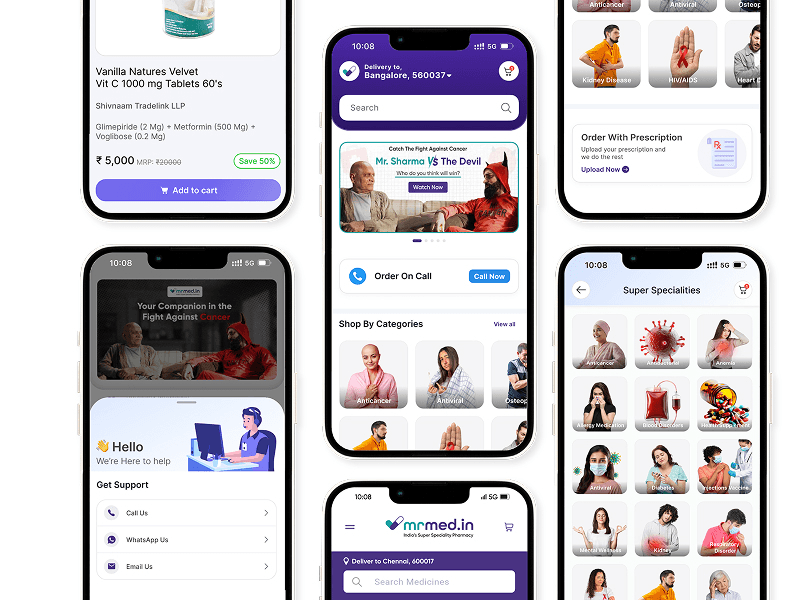
Search for your prescribed medicine on MrMed and provide the required prescription details when placing an order. Medicines used to treat or prevent severe hypoglycaemia may require a prescription and medical supervision.
Q2. Can Severe Hypoglycaemia medicines interact with other medicines or supplements?
Yes. Some medicines and supplements can affect blood glucose levels or alter the effects of diabetes medicines. Tell your doctor about everything you take.
Q3. What are the common side effects of Severe Hypoglycaemia medicines?
Side effects depend on the treatment used. Glucagon may cause nausea, vomiting, headache, or injection-site reactions. Your healthcare professional can explain the expected effects of your prescribed treatment.
Q4. What precautions should I take while using Severe Hypoglycaemia medicines?
Use diabetes medicines exactly as prescribed and monitor your blood glucose as advised. Do not skip meals when this is relevant to your treatment, and learn how to recognise and respond to low blood glucose. People at risk of severe episodes may be advised to keep glucagon available.
Q5. How are Severe Hypoglycaemia medicines safely delivered?
MrMed follows the required storage, handling, packing, and transportation practices for medicines. Medicines with specific storage requirements are handled accordingly during delivery.
Q6. What are the symptoms of Severe Hypoglycaemia?
Symptoms can include:
Confusion or unusual behaviour
Difficulty speaking or responding
Severe weakness
Seizures
Loss of consciousness
Inability to treat low blood glucose without assistance
Q7. What causes Severe Hypoglycaemia?
Severe hypoglycaemia can occur when blood glucose falls too low, often because of insulin or certain diabetes medicines. Missed meals, increased physical activity, alcohol, illness, or incorrect medicine dosing can also contribute.
Q8. Can Severe Hypoglycaemia be cured?
A severe hypoglycaemic episode can usually be treated by promptly raising blood glucose. Preventing another episode involves identifying the cause and adjusting medicines, meals, activity, or other contributing factors with guidance from a healthcare professional.