

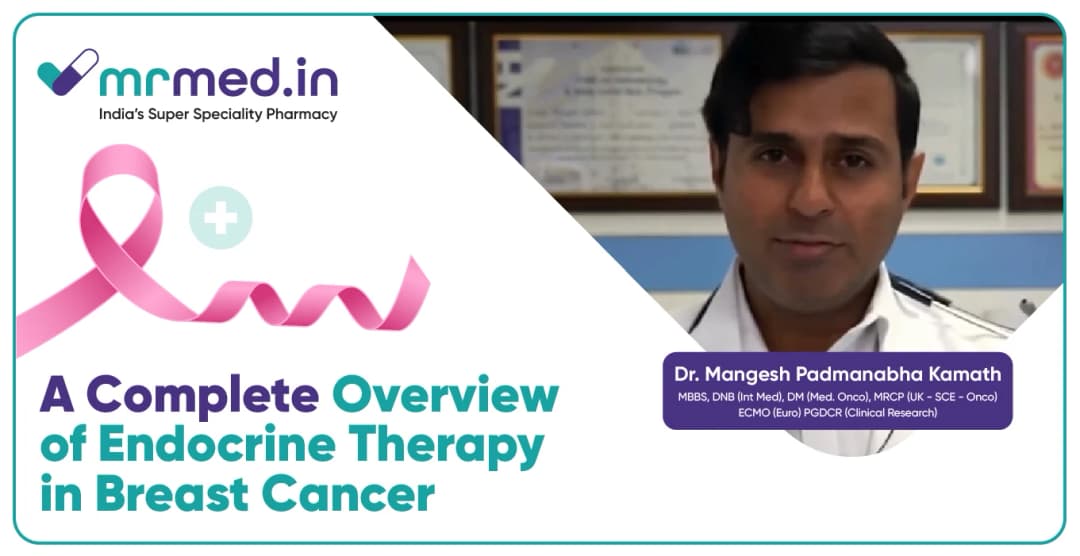
A Complete Overview of Endocrine Therapy in Breast Cancer





Last updated on 02 Jan 2026
Endocrine therapy, also called hormonal therapy, is one of the most important treatment options in breast cancer care. Unlike chemotherapy or radiation, which directly destroy cancer cells, endocrine therapy works by targeting the hormones that fuel the growth of certain types of breast cancer. Mangesh P. Kamath, a Consultant medical oncologist, explains that this approach is especially effective in hormone receptor–positive cancers, which rely on estrogen or progesterone for growth. By reducing or blocking the effects of these hormones, endocrine therapy slows down or even stops the cancer from developing further.
How Endocrine Therapy Works
In many cases of breast cancer and in men, prostate cancer, as well as hormones, act as the driving force behind tumour growth. For example, in a postmenopausal woman with obesity, excess fat tissue may produce higher levels of estrogen, which can stimulate breast cancer cells. Endocrine therapy uses special medications or injections that mimic natural hormones but without triggering cancer cell activity. Instead, they block the hormone’s effect, depriving cancer cells of the fuel they need to grow.
There are different categories of hormonal agents. Some medications, such as selective estrogen receptor modulators (SERMs), bind to estrogen receptors in breast tissue but do not activate them. Others, such as aromatase inhibitors, reduce the body’s estrogen production. There are also injectable agents called luteinizing hormone–releasing hormone (LHRH) agonists, which suppress estrogen production from the ovaries. Together, these drugs provide a multi-pronged approach to controlling breast cancer growth.
When Is Endocrine Therapy Used?
Endocrine therapy is effective in both early-stage and advanced breast cancer.
-
Early-Stage Breast Cancer: After surgery and sometimes after chemotherapy or radiation, endocrine therapy is prescribed for several years to reduce the risk of recurrence. By targeting and controlling microscopic cancer cells that may remain in the body, this therapy significantly reduces the likelihood of the disease recurring.
-
Advanced Breast Cancer: In cases where the cancer has spread beyond the breast to other organs, endocrine therapy is often used as a first-line treatment. In fact, for many patients, hormonal therapy can delay or even replace chemotherapy, offering effective disease control with fewer side effects.
Integration With Other Treatments
While endocrine therapy plays a key role, it is often combined with other modalities like surgery, chemotherapy, and targeted therapy depending on the cancer’s stage and biology. For example, a woman may undergo surgery, then receive radiation therapy, followed by hormonal medications. Here, breast cancer radiation is used to destroy localised tumour cells, while endocrine therapy continues working long-term to suppress hormone-driven growth.
Patient Care Considerations
Managing the overall treatment journey also involves supportive measures. Patients receiving both radiation and hormonal agents should pay attention to:
-
Skin Care Tips During Radiation Therapy to Protect Sensitive Areas.
-
Following breast cancer radiation therapy, precautions to minimise irritation.
-
Monitoring for side effects of breast radiation treatment, such as fatigue and skin redness, while continuing hormone pills or injections.
-
Adopting cancer nutrition practices, such as protein-rich meals and antioxidant-rich foods, which support healing and immune strength.
-
Making cancer lifestyle adjustments, including regular exercise, stress reduction, and quitting smoking.
-
Taking steps to protect healthy tissue during radiation, ensuring side effects are minimised.
-
Learning strategies for managing fatigue in radiation therapy so that energy levels remain steady during treatment.
-
Caregivers should follow safety tips during radiation treatment, as home care and emotional support are essential alongside medical therapies.
By combining endocrine therapy with these supportive strategies, patients can better tolerate treatment and maintain quality of life.
Duration of Endocrine Therapy
One of the defining aspects of endocrine therapy is its long-term use. In early breast cancer, patients may be advised to continue hormonal medications for 5 to 10 years to ensure maximum benefit. In advanced cases, the treatment may be ongoing as long as it controls the disease. Compliance is extremely important; skipping doses or stopping prematurely reduces effectiveness.
Advantages and Challenges
The biggest advantage of endocrine therapy is its targeted approach. Unlike chemotherapy, it generally causes fewer systemic side effects, such as hair loss or severe nausea. However, patients may experience hot flashes, joint pain, or bone thinning depending on the drug used. Fortunately, these side effects can usually be managed with lifestyle adjustments, supplements, or additional medications.
Final Thoughts
Endocrine therapy is a cornerstone of breast cancer treatment, offering a safe and effective way to control hormone-driven cancers. Whether used after surgery to prevent recurrence or as a first-line therapy in advanced disease, it plays a crucial role in enhancing outcomes and improving quality of life. With proper adherence and supportive care, many patients can derive significant benefits from this treatment approach.
Read also
Cost of Breast Cancer Treatment in India
Disclaimer: The information provided in this article is for general awareness and educational purposes only. It should not be taken as a substitute for professional medical advice, diagnosis, or treatment. Always consult your doctor or a qualified healthcare provider with any questions regarding cancer treatment, side effects, or any medical condition. Do not ignore professional advice or delay seeking care because of information presented here. While insights are shared by Dr Mangesh P. Kamath based on reliable sources, individual patient needs may vary. MrMed does not endorse or promote any specific medicine, product, or treatment unless clearly stated.












Comments