

Optimal Nutrition During Chemotherapy: A Guide for Vegetarians and Non-Vegetarians




Last updated on 24 Aug 2026
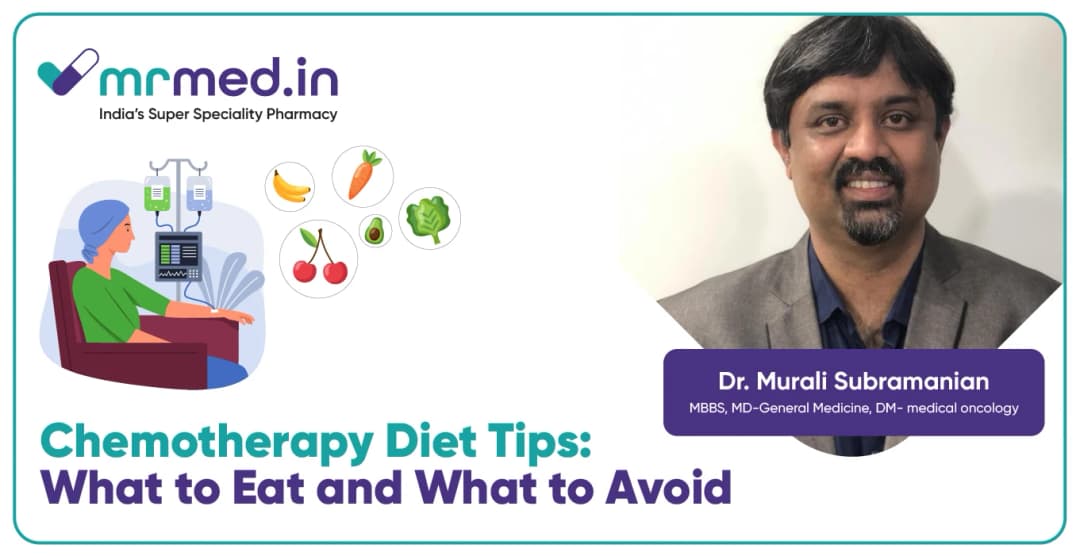
Dr. Murali Subramanian, a Medical Oncologist, explains that nutrition plays a crucial role during and after chemotherapy. In the initial days following treatment, many patients experience nausea for the first two to three days, followed by a decrease in appetite for up to a week. During this time, a carefully planned chemotherapy diet plan can help manage side effects, maintain strength, and support recovery.
Importance of a Protein-Rich Diet for Cancer Patients
Protein is crucial during chemotherapy because it helps repair tissues, maintain muscle strength, and support the immune system. A protein-rich diet for cancer patients should include both vegetarian and non-vegetarian sources.
Vegetarian options: Milk, paneer, tofu, lentils, soya, and nuts are all excellent protein sources that are easy to digest.
Non-vegetarian options: Eggs, fish, and lean meats such as chicken provide high-quality protein and essential amino acids.
Meals should be bland and lightly seasoned, avoiding spices, heavy oils, or deep-fried items that may worsen nausea or indigestion.
Foods to Avoid During Chemotherapy
Understanding the foods to avoid during chemo is just as important as knowing what to include. Dr. Subramanian advises patients to stay away from:
Red meat, which has been associated with higher cancer risks.
Grilled or smoked foods, including smoked fish, as they can contain harmful compounds.
Highly processed foods, which may burden the digestive system.
Instead, patients should focus on antioxidant-rich foods like fresh fruits, green vegetables, and whole grains. These foods strengthen the immune system, reduce oxidative stress, and promote healing.
Hydration and Gentle Foods for Chemo Mouth Sores
Adequate hydration for chemo patients is vital to prevent fatigue, dehydration, and nausea. Water, fresh fruit juices, soups, and herbal teas help keep the body hydrated and flush out toxins.
When dealing with mouth sores, gentle foods for chemo mouth sores, such as oatmeal, yoghurt, soft fruits, smoothies, and vegetable soups, can be soothing and nutritious. Small, frequent meals throughout the day are easier to tolerate than large portions, and healthy snacks like bananas or nuts can help maintain energy levels.
Vegetarian Diet and Chemotherapy Nutrition Tips
A carefully planned vegetarian diet during chemotherapy can provide all the essential proteins, vitamins, and minerals required for recovery. Dr. Subramanian highlights that chemotherapy nutrition tips like meal timing, balanced nutrients, and variety can significantly improve comfort and energy during treatment.
Incorporating antioxidant-rich foods, maintaining hydration, and ensuring a steady intake of proteins can minimise side effects, support healing, and improve overall well-being.
People Also Ask (FAQs)
1. What are the best foods for chemo patients with nausea?
Bland, soft foods such as rice, toast, bananas, and soups are ideal. Avoid spicy or greasy meals that can worsen nausea.
2. How much protein should a cancer patient consume daily?
Protein needs vary by individual, but generally, patients should aim for at least 1.0–1.5 grams of protein per kilogram of body weight per day. Consult your oncologist or dietitian for personalised advice.
3. Can a vegetarian diet during chemotherapy meet all nutritional needs?
Yes, with proper planning. Include diverse protein sources like legumes, soy, and dairy, along with fruits and vegetables for balanced nutrition.
Conclusion
What to eat after chemotherapy should center around gentle, nutrient-dense foods, with an emphasis on protein and antioxidants. Avoiding red meat, smoked foods, and processed items helps reduce risks and discomfort. By following these chemotherapy nutrition tips, patients can better manage nausea, stay hydrated, and maintain strength, ultimately supporting their recovery journey and overall well-being.
Watch Also
Disclaimer: The information provided in this article is for general awareness and educational purposes only. It should not be taken as a substitute for professional medical advice, diagnosis, or treatment. Always consult your doctor or a qualified healthcare provider with any questions regarding chemotherapy, nutrition, or any medical condition. Do not ignore professional advice or delay seeking care because of information presented here. While insights are shared by Dr. Murali Subramanian and based on reliable sources, individual patient needs may vary. MrMed does not endorse or promote any specific food, product, or treatment unless clearly stated.











Comments