

What Are the Different Surgeries to Treat Ovarian Cancer?





Last updated on 02 Jan 2026
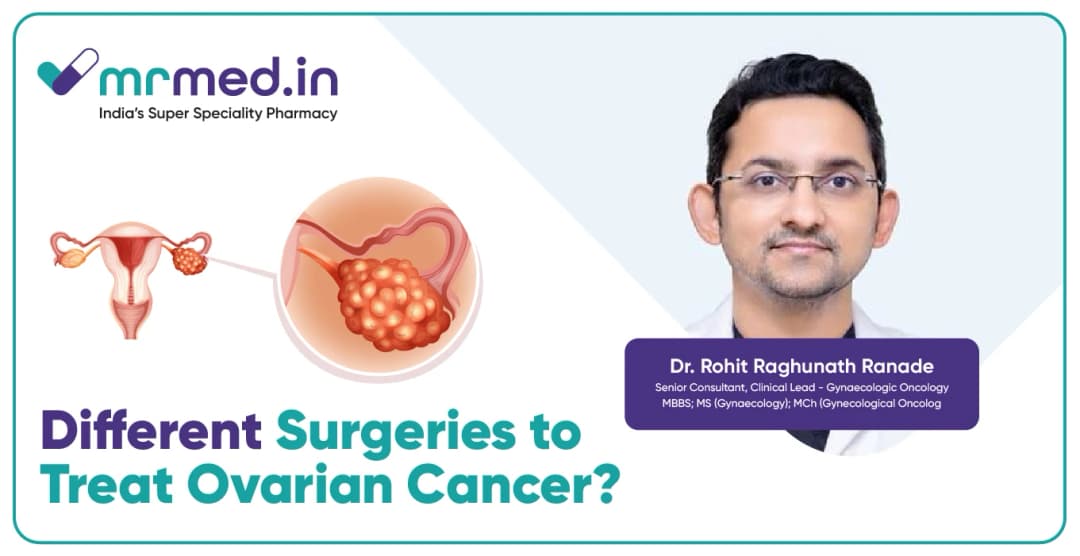
Dr Rohit Raghunath, Senior Consultant and Clinical Lead Gynaecologic Oncology (MBBS, MS, MCh), explains that ovarian cancer is becoming increasingly common, and timely diagnosis plays a crucial role in achieving better treatment outcomes. The type of ovarian cancer surgery performed depends largely on the stage of the disease at the time of diagnosis. In the early stages, Stage 1, Stage 2, and select cases of early Stage 3, the standard approach is known as primary cytoreductive surgery, also referred to as upfront surgery. This means the patient undergoes surgery before any other treatment to remove as much cancer as possible from the body.
Primary Cytoreductive Surgery: The First Step in Treatment
In primary cytoreductive surgery, doctors perform the removal of the ovarian masses, the uterus through a hysterectomy, and nearby tissues such as the omentum and lymph nodes. In some cases, an oophorectomy (removal of the ovaries) is also done to ensure all potentially affected organs are treated. The aim is to achieve “optimal cytoreduction,” meaning no visible tumor remains after the procedure.
The technique used may vary between laparotomy (open surgery) and laparoscopy (minimally invasive surgery). The differences between laparotomy and laparoscopy include incision size, hospital stay duration, and overall recovery after ovarian cancer surgery. Laparoscopy often allows faster healing, but laparotomy may be necessary for more extensive disease.
Interval Cytoreductive Surgery and Neoadjuvant Chemotherapy
For women presenting with advanced ovarian cancer, particularly in very advanced Stage 3 or Stage 4 disease, interval cytoreductive surgery is preferred. In this approach, patients receive chemotherapy for ovarian cancer first, specifically, neoadjuvant chemotherapy to shrink the tumor. After about three cycles, the patient is re-evaluated, and surgery is performed to remove the remaining cancerous tissue.
This approach reduces surgical complications and improves the effectiveness of the operation. The combination of neoadjuvant chemotherapy and interval cytoreductive surgery has been shown to improve both survival rates and quality of life in ovarian cancer treatment.
Advanced Techniques: HIPEC in Ovarian Cancer
In some cases of advanced ovarian cancer surgery, an advanced treatment method called HIPEC (Hyperthermic Intraperitoneal Chemotherapy) is used. This procedure follows cytoreductive surgery for ovarian cancer, where heated chemotherapy is infused directly into the abdominal cavity. Delivered at approximately 48°C, this high-pressure, high-temperature chemotherapy effectively kills residual cancer cells that may not be visible to the naked eye.
The benefits of HIPEC in ovarian cancer treatment include enhanced local control, reduced recurrence, and minimal systemic side effects since the chemotherapy acts directly on the affected tissues. Unlike intravenous chemotherapy, HIPEC focuses on the tumor area itself, offering a targeted and more potent effect.
Recovery and Risks of Ovarian Cancer Surgery
Recovery after ovarian cancer surgery depends on multiple factors including the patient’s age, stage of cancer, and overall health. While some women recover within a few weeks, others—especially those who undergo laparotomy may need several months for complete recovery. Patients can usually resume light activities soon after surgery, gradually returning to normal routines.
However, as with any major operation, there are potential risks. The risks of ovarian cancer surgery may include bleeding, infection, bowel disturbances, and fatigue. It’s essential to have close follow-up care and guidance from your oncologist to manage these side effects effectively. Understanding how interval debulking surgery works and being aware of the potential complications can help patients make informed decisions about their ovarian cancer treatment.
Making Informed Decisions
When deciding between options like oophorectomy, hysterectomy, or cytoreductive surgery, every patient’s case is unique. Discussing the treatment approach with an experienced oncologist like Dr. Rohit Raghunath ensures that decisions align with your medical condition, stage of disease, and personal needs. Modern advancements, including HIPEC and interval debulking surgery, have significantly improved the prognosis for women with ovarian cancer.
FAQs
-
What is cytoreductive surgery for ovarian cancer?
Cytoreductive surgery removes as much visible tumor as possible to improve the effectiveness of chemotherapy and overall treatment outcomes in ovarian cancer. -
How does interval debulking surgery work?
Interval debulking surgery is done after chemotherapy to remove shrunken tumors, helping achieve better disease control in advanced ovarian cancer. -
What are the risks of ovarian cancer surgery?
Risks include bleeding, infection, and injury to nearby organs, though most are manageable with skilled surgical care and proper recovery.
Watch also
Disclaimer: The information provided in this article is for general awareness and educational purposes only. It should not be taken as a substitute for professional medical advice, diagnosis, or treatment. Always consult your doctor or a qualified healthcare provider with any questions regarding ovarian cancer, surgery options, or related treatments. Do not ignore professional advice or delay seeking care because of information presented here. While insights are shared by Dr Rohit Raghunath and based on reliable medical sources, individual patient needs and outcomes may vary. MrMed does not endorse or promote any specific hospital, product, or treatment unless it is clearly stated.












Comments