

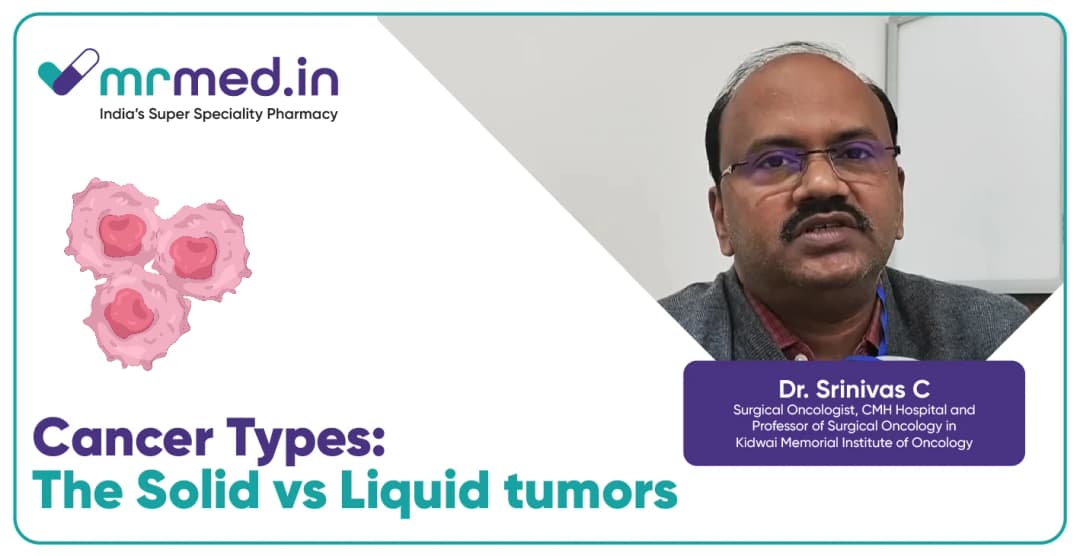
Solid Tumors vs Liquid Tumors: Understanding the Difference





Last updated on 02 Jan 2026
Tumors can develop in different parts of the body, and understanding their origin is essential for proper diagnosis and treatment. Solid tumors are growths that arise from the body’s solid organs and can occur anywhere from head to toe, including the skin. These tumors usually form a mass in a specific organ, allowing doctors to identify the site of origin. For instance, a solid tumor can begin in the lung, thyroid, pancreas, oral cavity, or bones. Knowing where a tumor starts helps doctors plan targeted treatment and understand how it may behave.
Understanding Liquid Tumors
According to Dr. Srinivas C, Surgical Oncologist and Professor at the Department of Surgical Oncology, Kidwai Cancer Institute, and consultant at Chinmaya Mission Hospital, liquid tumors are fundamentally different from solid ones. These cancers, also known as hematological malignancies, affect the blood, bone marrow, or lymphatic system instead of forming a single lump or mass in an organ.
Because they circulate throughout the body, liquid tumors can appear in multiple locations simultaneously, marking a clear distinction between solid and liquid tumors.
Types of Tumors: Solid vs. Liquid
Cancers are broadly classified into solid tumors and liquid tumors:
Solid Tumors: Found in organs such as the liver, breast, lung, or bones, typically forming a distinct mass.
Liquid Tumors: Include leukemia, lymphoma, and multiple myeloma, which originate in the blood or bone marrow and spread through the bloodstream or lymphatic system.
Each cancer type requires a unique diagnostic and treatment approach.
Solid tumors are usually detected through imaging tests or biopsies.
Liquid tumors are identified using blood tests, bone marrow examinations, or lymph node evaluations.
What Are Hematological Malignancies?
Hematological malignancies refer to cancers that originate in the blood-forming tissues, such as the bone marrow or lymphatic system. Unlike solid tumors that remain confined to a specific organ, these cancers spread through the bloodstream, affecting various parts of the body simultaneously.
Understanding solid organ cancers vs. blood cancers helps patients recognize why their symptoms, progression, and treatments differ. This knowledge empowers patients to make informed decisions and better engage in their care journey.
Frequently Asked Questions (FAQs)
Are liquid tumors curable?
Many liquid tumors, such as certain types of leukemia and lymphoma, are treatable and sometimes curable, especially when detected early and managed with targeted therapies.How are liquid tumors diagnosed?
They are usually diagnosed through blood tests, bone marrow biopsies, or lymph node evaluations to identify abnormal cells or blood markers.What are the treatment options for liquid tumors?
Treatment may include chemotherapy, targeted therapy, immunotherapy, or stem cell transplantation, depending on the specific type and stage of cancer.
conclusion
Recognizing whether a tumor is a solid tumor or a liquid tumor is vital for effective cancer care. Solid tumors arise from specific organs, while liquid tumors circulate through the blood or lymphatic system. Understanding the difference between solid and liquid tumors allows doctors to plan the right treatment, monitor progress accurately, and improve outcomes. Patients who are aware of these distinctions can actively participate in their care, make informed decisions, and better understand the nature of their disease.
Watch Also
1. Are Solid Tumor Difficult To Treat?
Disclaimer: The information in this guide is intended for general awareness and educational purposes only. It should not be considered a substitute for professional medical advice, diagnosis, or treatment. Always seek the guidance of your doctor or a qualified healthcare provider with any questions you may have about solid tumors, liquid tumors, or any other medical condition. Do not ignore professional advice or delay seeking care because of something you have read here. While insights are provided by Dr. Srinivas C and based on trusted sources, individual cases may differ. MrMed does not promote or endorse any specific procedure, product, or treatment unless clearly mentioned.












Comments