

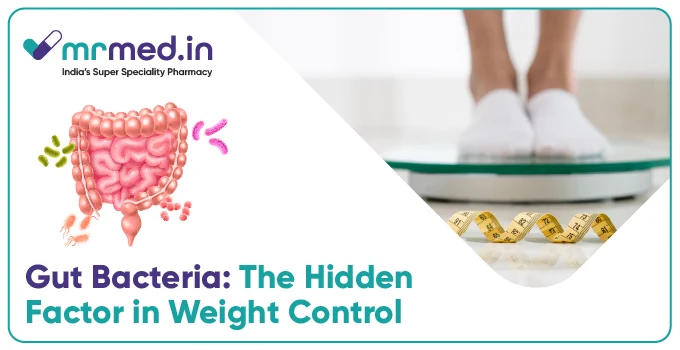
Gut Health and Weight Loss: Do Gut Bacteria Play a Role?





Last updated on 02 Jan 2026
We often hear about eating less or exercising more when trying to lose weight. But have you ever wondered why some people follow every rule and still struggle to shed kilos? It turns out, the answer might lie in your gut.
Inside our digestive system live billions of tiny organisms called gut bacteria. These microbes are not just there to aid in digestion. They also play a big role in how hungry you feel, how your body stores fat, and how efficiently you burn calories. If your gut is out of balance, it can affect everything—from mood and immunity to weight loss.
In this blog, we’ll explore how gut health connects to body weight, how your gut bacteria influence hunger and metabolism, and whether taking probiotics or eating gut-friendly foods can truly help you slim down.
What Is Gut Health and Why Does It Matter?
Gut health refers to how well your digestive system functions, especially the balance of bacteria living in your intestines. This bacteria help break down food, absorb nutrients, and support your immune system. But that’s not all they also talk to your brain and control how your body manages weight.
When your gut bacteria are balanced, you’re more likely to feel energetic, digest food smoothly, and maintain a healthy weight. But when this balance is disturbed, you might experience bloating, fatigue, sugar cravings, and slow metabolism.
This balance is especially important for people trying to lose weight. An unhealthy gut can block progress, even with diet and exercise.

How Gut Bacteria Affect Weight Loss
Many recent studies, including research published on PubMed, have demonstrated that gut microbes can influence the way your body stores fat and its response to hunger signals.
Here’s how your gut bacteria weight loss can help (or hurt) your efforts:
-
Hunger regulation: Some gut bacteria make chemicals that signal your brain when you’re full. An imbalance may lead to overeating.
-
Fat storage: Certain bacteria promote fat storage, while others help your body use fat for energy.
-
Sugar cravings: Harmful bacteria feed on sugar and may increase your desire for junk food.
So, a healthier gut may lead to more effective and lasting weight loss results.
Dr Manohar K, Consultant Physician and Diabetologist at Manipal Hospital, Bengaluru. In studies have shown that the gut microbiome can influence how your body stores fat, handles hunger signals, and burns energy for gut bacteria weight loss.
Do Probiotics Help You Lose Belly Fat?
Probiotics are live bacteria that are good for your gut. You’ll find them in foods like curd (dahi), fermented pickles, and paneer, or in supplement form. Many people ask, “Do probiotics help you lose belly fat?” The short answer is: they might.
Some strains of probiotics, especially Lactobacillus gasseri and Bifidobacterium, have shown positive effects on reducing belly fat in small studies. These bacteria may reduce bloating, improve digestion, and increase metabolism—all important for weight control.
However, results vary from person to person. Probiotics aren’t magic pills. They work best as part of a gut-friendly lifestyle, including healthy food and daily movement.
Best Probiotics for Weight Loss in India
If you're in India and looking for probiotic supplements for weight loss in india, it's important to choose products that contain well-researched strains. Look for supplements that list:
-
Lactobacillus gasseri
-
Lactobacillus rhamnosus
-
Bifidobacterium breve
-
Lactobacillus plantarum
These strains have been studied for their benefits in gut balance and weight control. Some brands available in India offer blends of these strains in capsule or sachet form. Always consult your doctor before starting any health supplement, especially if you have a medical condition.
How to Improve Gut Health for Weight Loss
If you’re wondering how to improve gut health weight loss, start with simple lifestyle habits that support a healthy gut environment:
-
Eat more fiber: Foods like fruits, oats, whole grains, and legumes feed the good bacteria in your gut.
-
Add fermented foods: Include curd, idli, dosa, pickles, and buttermilk in your meals.
-
Avoid excess sugar: Too much sugar feeds harmful bacteria and can slow your weight loss progress.
-
Stay hydrated: Drinking enough water helps digestion and supports gut movement.
-
Sleep well: Poor sleep harms your gut and increases cravings.
These steps may seem small, but they can make a big difference over time.

How Gut Microbes Influence Appetite and Metabolism
Your gut is deeply connected to your brain and hormones. This means gut bacteria can actually change how hungry you feel and how quickly your body burns calories.
For example:
-
Some gut bacteria produce short-chain fatty acids, which control hunger hormones like ghrelin and leptin.
-
When your gut is healthy, these signals work better, and you feel full after eating.
-
A poor gut microbiome may confuse your hunger cues, leading to overeating.
Studies from sources like the National Institutes of Health have shown that people with obesity often have a very different gut bacteria and weight loss mix compared to those with a healthy weight.
This proves that gut microbes don’t just help digest food—they also shape your body’s response to food.
Dr Pal (Palaniappan Manickam), Indian-American gastroenterologist known as “Dr Pal” said There’s a symbiotic relationship in your gut. Good bacteria help digest food, control immunity, and decide whether you feel happy or anxious.
Does Gut Health Help Everyone Lose Weight?
Not everyone sees fast results just by improving gut health. But for many people, it makes weight loss easier, more sustainable, and more natural. Instead of fighting cravings or struggling with low energy, a healthy gut helps your body do what it’s designed to do.
It’s especially helpful for those who feel stuck even after dieting and exercising. Focusing on gut health and weight loss strategies could give them a missing piece of the puzzle.
FAQs
1. How does gut health affect weight loss?
Gut health plays a big role in weight loss by influencing hunger hormones, digestion, fat storage, and metabolism. When your gut bacteria are balanced, you may feel full faster, have fewer cravings, and burn calories more efficiently.
2. Can bad gut health cause weight gain?
Yes, an unhealthy gut can lead to weight gain. Imbalanced gut bacteria can cause sugar cravings, slow metabolism, and more fat storage—making it harder to lose weight even with diet and exercise.
3. Do probiotics really help with belly fat loss?
Some studies show probiotics, especially certain strains like Lactobacillus gasseri and Bifidobacterium breve, may help reduce belly fat by improving digestion, reducing bloating, and balancing hunger hormones. Results can vary for each person.
4. Which are the best probiotics for weight loss in India?
Probiotics containing Lactobacillus gasseri, Lactobacillus rhamnosus, Bifidobacterium breve, and Lactobacillus plantarum are commonly recommended for gut health and weight management in India.
5. What are some Indian foods that improve gut health?
Fermented foods like curd (dahi), buttermilk (chaas), idli, dosa, pickles, and paneer are excellent for improving gut health naturally in India.
6. Can improving gut health help reduce belly fat faster?
Improving gut health can make it easier to lose belly fat by reducing bloating, improving digestion, and supporting better fat metabolism, but it’s not a quick fix. Pair it with healthy eating and exercise for best results.
7. How long does it take to see weight loss results from probiotics?
Visible changes from probiotics can take 4 to 8 weeks, depending on your gut health, lifestyle, and consistency. They work best when combined with a gut-friendly diet and regular activity.
8. which gut bacteria causes weight loss
Some helpful gut bacteria like Akkermansia and Lactobacillus can support weight loss by improving digestion and burning fat. Having more of these good bacteria may help your body stay healthy and manage weight better.
Read Also
1. 10 Ways To Lose Weight Naturally
2. Irritable Bowel Syndrome (IBS) Awareness Month
References
-
Davis CD. The Gut Microbiome and Its Role in Obesity. Nutr Today. 2016 Jul-Aug;51(4):167-174. doi: 10.1097/NT.0000000000000167. PMID: 27795585;PMCID:PMC5082693.https://pmc.ncbi.nlm.nih.gov/articles/PMC5082693/
Disclaimer: The content in this blog is for general informational purposes only and is not a substitute for professional medical advice, diagnosis, or treatment. Always consult your doctor or a registered dietitian before making any changes to your diet, especially if you have a medical condition or are taking prescribed medication. While the information is based on trusted sources, individual needs and results may vary. MrMed does not promote or endorse any specific food or treatment mentioned unless explicitly stated.













Comments