


What Are The 10 Ways To Lose Weight Naturally?





Last updated on 24 Mar 2026
Natural weight loss focuses on sustainable lifestyle changes rather than quick fixes. A balanced diet, regular exercise, proper sleep, and stress management help reduce excess weight and lower the risk of chronic diseases. Small, consistent habits like portion control, hydration, and reducing sugar intake play a key role in achieving and maintaining a healthy weight.
Key Takeaways
|
Does the weighing scale stress you out every time you step on it?
Does your favourite dress feel tighter than it used to?
Do you get out of breath just climbing two flights of stairs?
If you answered yes to any of these, you are not alone. Millions of people struggle with weight every single day, and the good news is that losing it does not have to mean crash diets or punishing gym sessions.
Natural weight loss is as much a mental journey as a physical one. It goes far beyond hitting the gym or squeezing into a smaller dress size. Done right, it builds the foundation for a healthier, more energised life that you can actually sustain.
This guide walks you through ten simple, practical, and evidence-backed ways to lose weight naturally and keep it off for good.
Why Does Losing Weight Matter?
Losing weight does more than change how you look.
Even losing 5 kg in body weight will improve blood pressure, cholesterol, and blood sugar levels. These changes directly reduce your risk of chronic diseases linked to obesity and support better health throughout your body.
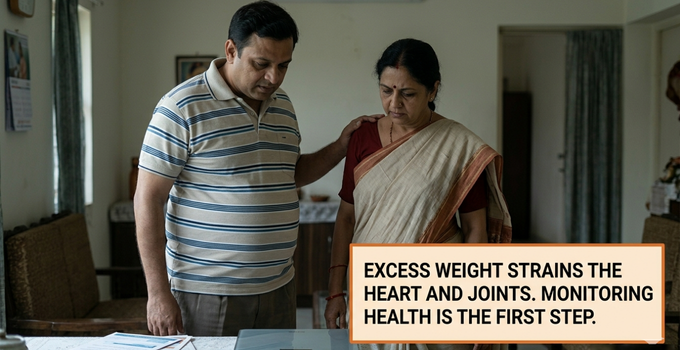
The Health Risks of Excess Weight
Excess weight strains nearly every system in your body, not just your waistline. Fat deposits in the arteries raise blood pressure and restrict blood flow, increasing the risk of coronary heart disease and ischaemic stroke. Excess fat also impairs blood sugar regulation, increasing the risk of type 2 diabetes.
Your joints take a heavy hit as well. Constant pressure on the knees, hips, and lower back increases cartilage breakdown and the risk of osteoarthritis. Research in the Indian Journal of Orthopaedics found that obese people are up to four times more likely to develop knee osteoarthritis than those at a healthy weight.
Your muscles suffer too. An AIIMS study found that a growing concern among urban Indians is inactivity and poor diet. Obese individuals may develop sarcopenic obesity. In this form of obesity, the body has high body fat with low muscle mass. This causes less mobility and makes everyday tasks harder.
Obesity interferes with Vitamin D absorption, which causes your bones to grow weaker. Did you know Vitamin D is a nutrient already deficient in a large share of India's population, according to the Indian Journal of Endocrinology and Metabolism, weakening bones and raising fracture risk.
The scale of the problem is significant. The ICMR reports that over 135 million Indians currently live with obesity, with urban populations seeing the sharpest rise.
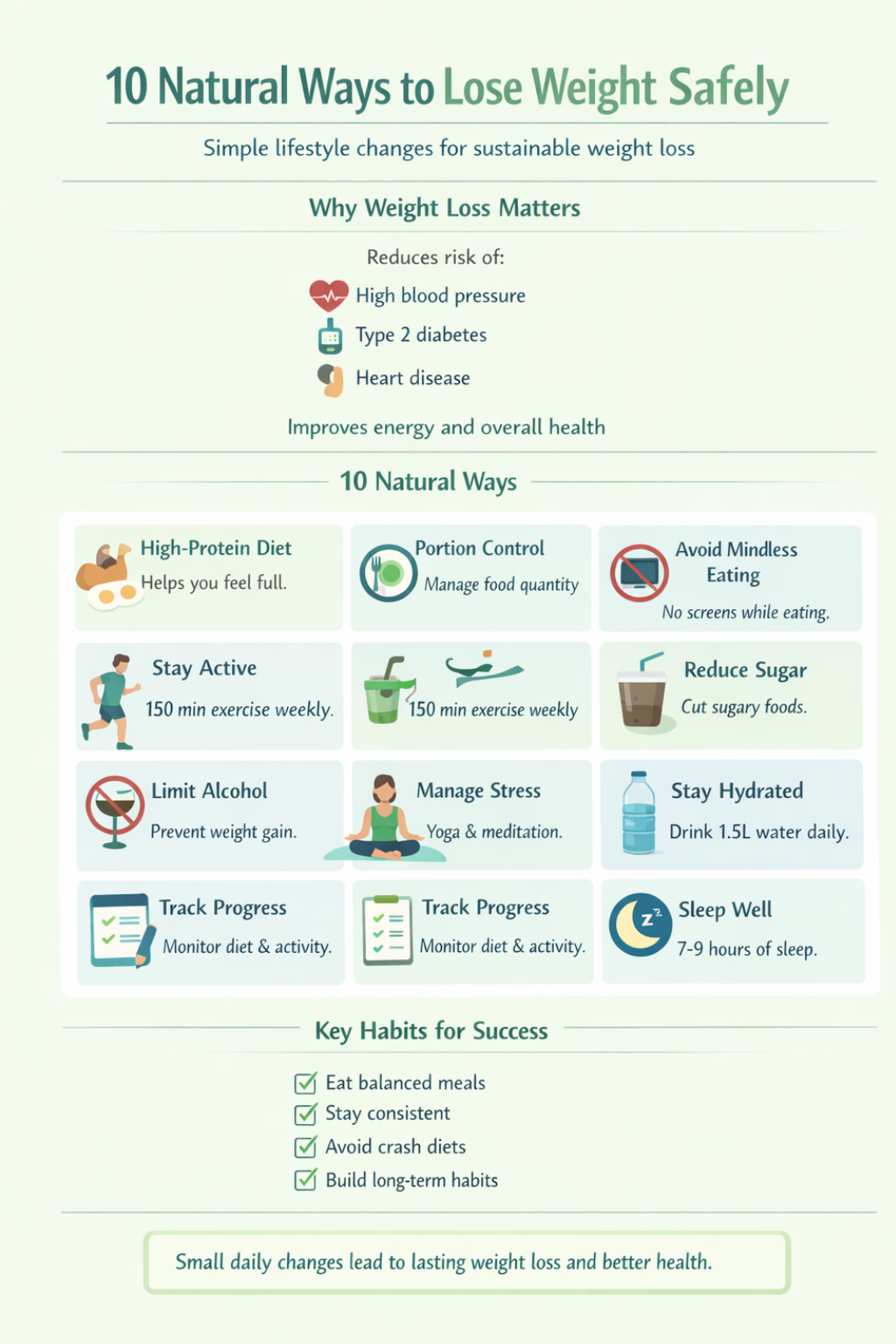
10 Ways to Lose Weight Naturally
1. Eat a High-Protein Diet
Protein is the most satiating macronutrient, producing a greater feeling of fullness than carbohydrates or fats. A protein-rich diet helps reduce overall calorie intake, prevents weight regain after loss, and preserves lean muscle mass during fat loss. Whey protein supplements offer an excellent high-protein option that supports fat loss particularly well in individuals with obesity.
2. Practise Portion Control
Mindful awareness of how much you eat at restaurants, from packaged foods, and at home plays a central role in reaching and maintaining a healthy weight. Portion control plates and measuring tools help regulate intake without the need for strict calorie counting, making them practical long-term aids for weight management.
3. Avoid Mindless Eating
Eating in front of the television or other screens consistently leads to overeating. When attention shifts away from eating, the body's hunger and fullness signals become harder to detect. Eating without distractions allows you to listen to your body and stop eating when genuinely full.

4. Stay Physically Active
Regular physical activity burns calories, creates a calorie deficit, and supports overall health well beyond weight loss alone. Aim for at least 150 minutes of moderate exercise per week, such as cycling, walking, or active household chores. Consistent movement helps the body use the calories consumed through diet and drives sustainable weight loss over time.
5. Cut Down on Sugar
Sugar is one of the primary drivers of weight gain. Reducing or limiting sugar in your diet supports weight loss and simultaneously lowers the risk of cardiovascular disease and type 2 diabetes. Cutting back on sugary drinks, processed snacks, and added sugars in cooking delivers some of the fastest and most noticeable results in any natural weight loss plan.
6. Limit Alcohol Consumption
Heavy alcohol consumption is directly associated with an elevated risk of weight gain and obesity. Alcohol also associates with serious health complications, including liver disease and heart problems. Reducing alcohol intake supports both healthy weight management and broader long-term health.
7. Manage Stress Actively
Chronic stress triggers the release of cortisol, a hormone that promotes fat deposition and drives excessive food consumption. Regularly engaging in stress management practices such as yoga, meditation, and breathing exercises lowers cortisol levels, reduces emotional eating, and supports healthy weight management.

8. Stay Well Hydrated
Drinking at least 1.5 litres of water per day supports weight loss by reducing appetite and increasing the rate of fat breakdown. Staying hydrated during exercise further supports performance and helps the body eliminate waste more effectively. Replacing sugary drinks with water is one of the simplest and most impactful dietary changes you can make.

9. Monitor Your Progress
Self-monitoring of food intake and physical activity builds awareness of current habits and highlights areas for improvement. Online diet trackers and physical activity apps provide motivation, accountability, and clear insight into your progress. Regularly reviewing your habits helps you stay on track and make adjustments when needed.
10. Prioritise Quality Sleep
Your sleep-wake cycle plays a direct role in regulating body weight and metabolic health. Inadequate sleep increases oxidative stress and triggers metabolic changes that promote weight gain and raise the risk of obesity. Prioritising seven to nine hours of quality sleep each night supports the hormonal balance your body needs to manage weight effectively.
Frequently Asked Questions
1. What is the most effective natural way to lose weight?
No single method works best for everyone. Combining a high-protein diet, regular physical activity, adequate sleep, and stress management delivers the most consistent and sustainable results for most people.
2. How much exercise do you need to lose weight naturally?
At least 150 minutes of moderate exercise per week creates the calorie deficit needed to drive weight loss. Activities such as walking, cycling, and swimming all count towards this target.
3. Does drinking water really help with weight loss?
Yes. Drinking at least 1.5 litres of water daily reduces appetite, increases fat breakdown, and supports metabolic function. Replacing sugary drinks with water also significantly reduces daily calorie intake.
4. How does stress affect body weight?
Chronic stress raises cortisol levels, which promotes fat deposition and increases food cravings, particularly for high-calorie foods. Managing stress through yoga, meditation, and breathing exercises actively supports healthy weight management.
5. Can poor sleep cause weight gain?
Yes. Inadequate sleep disrupts metabolic function, elevates cortisol levels, and increases levels of appetite-stimulating hormones. Consistently poor sleep makes weight loss significantly harder and raises the long-term risk of obesity.
6. Is it necessary to consult a doctor before starting a weight loss plan?
Consulting a doctor or a registered dietitian before beginning a weight-loss programme is strongly advised, particularly if you have existing health conditions. A personalised plan based on your specific health profile delivers safer and more effective results.
What's Worth Remembering
Losing weight naturally is about consistency, not perfection. Quick fixes rarely last, but simple habits followed daily create lasting results. A balanced diet, regular physical activity, good sleep, and stress management work together to support a healthy weight. Even small changes, maintained over time, can significantly improve overall health and reduce disease risk.
Read Also
References
World Health Organization. Obesity and overweight [Internet]. 2024 [cited 2026 Mar 21]. Available from: https://www.who.int/news-room/fact-sheets/detail/obesity-and-overweight
National Institutes of Health. Healthy eating for a healthy weight [Internet]. 2023 [cited 2026 Mar 21]. Available from: https://www.nhlbi.nih.gov/health/educational/lose_wt
Centers for Disease Control and Prevention. Healthy weight, nutrition, and physical activity [Internet]. 2024 [cited 2026 Mar 21]. Available from: https://www.cdc.gov/healthyweight/index.html
Harvard T H Chan School of Public Health. Diet and weight loss [Internet]. 2023 [cited 2026 Mar 21]. Available from: https://www.hsph.harvard.edu/nutritionsource/healthy-weight/
Disclaimer: The content in this blog is for general informational purposes only and is not a substitute for professional medical advice, diagnosis, or treatment. Always consult your doctor or a registered dietitian before making any changes to your diet, especially if you have a medical condition or are taking prescribed medication. While the information is based on trusted sources, individual needs and results may vary. MrMed does not promote or endorse any specific food or treatment mentioned unless explicitly stated.
















Comments