

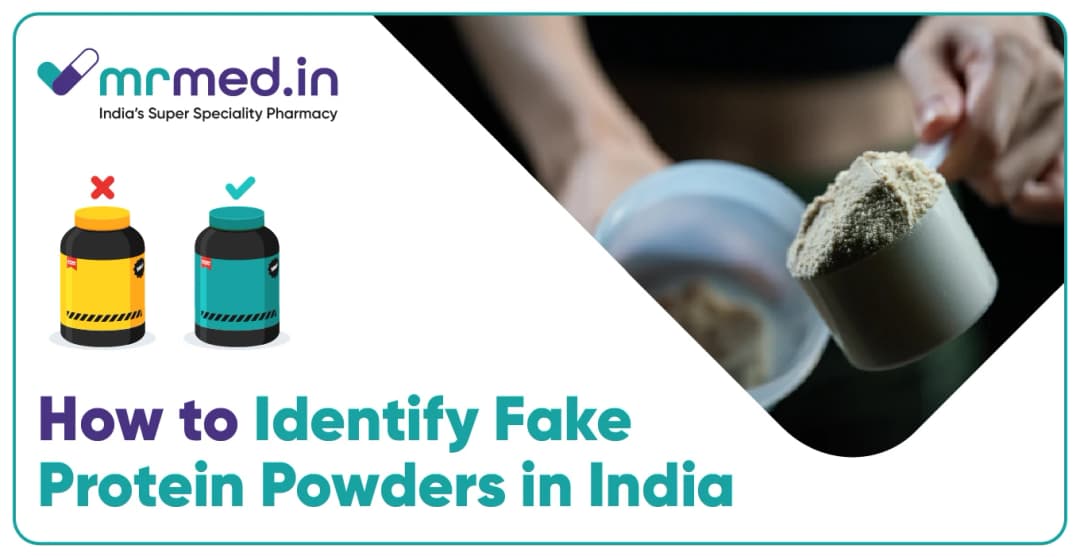
Protein Powders in India: How to Spot Fakes and Stay Safe





Last updated on 02 Jan 2026
Protein powders have become a popular addition to the diets of fitness enthusiasts, athletes, and everyday individuals looking to manage weight or improve nutrition. With gyms and sports culture booming across India, demand for supplements has skyrocketed. But with rising demand comes a major challenge: counterfeit products. Fake protein powders are flooding the market, putting consumer health at risk. This article explores how to spot fakes, what makes genuine protein safe, and how you can protect yourself while achieving your health goals.
Why Protein Powders Are So Popular
Protein plays an important role in repairing muscles, improving strength, and supporting immunity. With busy lifestyles and limited protein in typical Indian diets, powders have become a convenient option. Some people use them for muscle gain, while others prefer them for weight management or to meet daily nutritional needs.
The Rising Problem of Counterfeit Protein Powders in India
The supplement industry in India has grown rapidly. Unfortunately, fake supplements have kept pace. Counterfeiters often copy packaging designs of reputable brands, making it very tough for consumers to identify fakes.
-
According to the WHO (2024), about 1 in 10 nutritional or medical products sold globally is counterfeit, with a higher impact in developing countries.
-
In India, the Ministry of Health and Family Welfare (2023) revealed that nearly one-third of seized nutrition supplements were fake or substandard.
Health Risks of Fake Protein Powder
Consuming fake protein powder India is not just a waste of money; it’s a health hazard. Some fake protein powder side effects include:
-
Digestive problems: bloating, nausea, diarrhoea.
-
Stress on the kidneys and liver due to harmful fillers.
-
Risk of steroids or banned substances mixed in.
-
Allergic reactions from unknown additives.
-
Long-term damage, including organ dysfunction.
Unlike authentic products, fake supplements are not tested for safety.
How Much Protein Do You Really Need?
Many people overuse protein powders, assuming “more is better.” The truth is:
-
General adults: 0.8–1.0 grams of protein per kg body weight.
-
Active gym-goers/athletes: 1.2–2.0 grams per kg body weight.
-
Elderly individuals: Higher intake may support muscle health.
Using powders beyond your requirement may cause unnecessary stress on organs.
How to know if the protein powder is fake

Consumers often wonder: How to know fake protein powder? Here are practical ways:
-
Check packaging: Look for spelling mistakes, poor print, or tampered seals.
-
Authentication codes: Genuine brands provide QR codes, holograms, or scratch codes.
-
Protein powder testing at home: Mix in water—real powder dissolves smoothly; fake ones clump.
-
Texture check: Originals feel fine and consistent, while fakes may feel sandy.
-
Smell and taste: Overly sweet or chemical flavours may indicate a fake.
-
Verify online: Use batch numbers or codes on the brand’s website.
Why Consumers Fall for Fakes
-
Attractive discounts and offers.
-
Limited awareness about checking authenticity.
-
Buying from unverified sellers or small stores.
-
It is assumed that all powders are safe regardless of source.
Types of Protein Powders Available in India
Dr Anoop Misra, Chairman, Fortis Centre for Diabetes, Obesity and Cholesterol (Fortis-C-DOC), New Delhi, warns: “Fake supplements are a silent danger. They not only fail to deliver results but also damage long-term health. Consumers should verify every product through labels and buy only from certified suppliers.”
The Indian market offers a variety of protein supplements:
-
Whey protein is fast–absorbing, making it best for muscle recovery.
-
Casein protein is a slow–digesting protein, useful before bedtime.
-
Plant-based proteins, such as soy, pea, or hemp-based options, are suitable for vegans.
-
Sugar-free options – Suitable for diabetics and calorie-conscious users, and Protein powder for weight loss.
Each type serves different goals, but fakes exist across all categories.
Table: Original vs Fake Protein Powder( How to know fake protein powder)
|
Feature |
Original Protein Powder |
Fake protein supplements |
|
Packaging |
Clear labelling, holograms, batch codes |
Spelling errors, tampered seals |
|
Authentication |
QR codes, scratch labels, barcodes |
Missing or fake authentication |
|
Mixability |
Dissolves easily in water/milk |
Forms clumps, leaves residue |
|
Texture |
Smooth and fine |
Coarse, sandy, or uneven |
|
Taste & Smell |
Mild and consistent flavour |
Overly sweet or chemical-like |
|
Price |
Standardised and moderate variations |
Too cheap or heavily discounted |
|
Source |
Authorised sellers, brand websites |
Unverified shops or shady websites |
How to Authenticate Whey Protein in India
To avoid buying counterfeits:
-
Purchase only from authorised brand outlets.
-
Use QR codes or scratch stickers to verify.
-
Match import stickers with manufacturer details.
-
Never buy unsealed jars or products without invoices.
Practical Tips to Stay Safe
-
Research before buying any supplement.
-
Stick to official websites or big pharmacies.
-
Be cautious of too-good-to-be-true discounts.
-
Contact brands directly for verification.
-
Educate gym friends or family members about fakes.
Protein Powder Testing: Why It Matters
With the growing issue of counterfeit supplements, protein powder testing is one of the most reliable ways to ensure you’re consuming an authentic and safe product. Testing can detect the nutritional composition, presence of harmful additives, and confirm if the protein content matches what’s printed on the label.
Different labs and organisations offer authenticity testing in India, which includes:
-
Nutritional analysis – to verify actual protein percentage.
-
Adulteration check – to identify harmful fillers like starch or flour.
-
Microbiological test – to detect contamination by bacteria or fungi.
-
Heavy metal testing – to ensure no traces of lead, mercury, or arsenic.
Whey Protein Test: Simple Checks at Home
While professional testing is the gold standard, you can still do a quick whey protein test at home to spot fakes:
-
Mixability Test: Add one scoop to a glass of water without stirring. Genuine whey will start dissolving, while fake protein clumps and floats.
-
Foam Test: Shake the mixture well. Real whey produces foam that settles quickly; fake powders may leave excessive foam for a long time.
-
Taste & Smell Test: Authentic whey has a mild, consistent taste, whereas fakes may taste overly sweet, bitter, or chemical-like.
-
Burn Test: Carefully place a small sample on a spoon and heat it. Pure whey protein tends to char slightly, while fake powders with added starch may burn with a different smell.
FAQs
Q1. How can I check if my protein powder is fake?
Look for QR codes, holograms, batch numbers, and check how it mixes in water.
Q2. What are the side effects of fake protein powders?
They can cause digestive distress, liver/kidney stress, and even contain harmful chemicals.
Q3. Can sugar-free protein powders be trusted?
Yes, but only when bought from authentic sellers. Counterfeits exist in this category, too.
Q4. Is whey protein safe for long-term use?
Yes, if taken in moderation and purchased from trusted sources.
Q5. Where should I buy authentic protein powders in India?
From official brand websites, reputed pharmacies, or verified e-commerce platforms.
Final Thoughts
The Indian fitness market is booming, but so is the circulation of counterfeit supplements. Spotting fake protein powders is no longer optional; it’s a necessity. By learning how to test authenticity, avoiding suspicious sellers, and following safe buying practices, you can ensure you’re consuming only genuine supplements that support your health.
Your health and fitness journey deserves the best. Choose wisely, stay informed, and spread awareness to protect yourself and others.
Read also
References
-
https://www.protyze.com/blogs/tips-and-tricks/how-to-spot-fake-or-low-quality-supplements-in-india
- https://www.quora.com/Are-there-fake-protein-powders-If-so-how-can-I-avoid-them
Disclaimer: The content in this blog is for general informational purposes only and is not a substitute for professional medical advice, diagnosis, or treatment. Always consult your doctor or a registered dietitian before making any changes to your diet, especially if you have a medical condition or are taking prescribed medication. While the information is based on trusted sources, individual needs and results may vary. MrMed does not promote or endorse any specific food or treatment mentioned unless explicitly stated.











Comments