

How to Identify Genuine CBD Products and Avoid Fakes





Last updated on 02 Jan 2026
Key Takeaways
|
Cannabidiol (CBD), a mildly psychoactive compound found in the cannabis plant, has become increasingly popular for wellness, stress relief, sleep improvement, and pain management, but the booming demand has also opened the door to counterfeit products. Many buyers struggle with questions like how to identify genuine CBD, how to tell if CBD is real, or whether their CBD is real, especially when purchasing from online marketplaces.
Fake CBD can be ineffective at best and dangerous at worst. This guide helps you spot authentic products, read lab reports, verify certificates, and confidently choose safe options.
What Makes a CBD Product “Genuine”?
Under the NDPS Act, cannabis resin, flowering tops, and high-THC extracts are strictly prohibited.
The authenticity of CBD Products depends on clear manufacturing standards, transparent testing, and quality control. Real, high-quality CBD is extracted from certified hemp and undergoes multiple rounds of testing.
Hemp Source & Extraction Quality
Genuine CBD is made from organically grown hemp without pesticides or heavy metals.
Cold CO₂ extraction or ethanol extraction ensures purity and consistent potency.
Fake manufacturers skip extraction quality, producing low-grade or diluted oils.
If a product does not mention hemp origin, extraction method, or testing, it is unlikely to be genuine CBD oil.
Full-Spectrum, Broad-Spectrum, and Isolate
Authentic CBD products clearly mention whether they are full-spectrum, broad-spectrum, or isolate.
Fake brands avoid transparency and use vague phrases like “hemp extract” without specifying composition.
A proper label supports CBD purity test claims and proves the product contains real cannabinoids.
Checking the Certificate of Analysis (COA)
One of the strongest indicators of authenticity is the CBD Certificate of Analysis (COA). This independent report shows the cannabinoid profile, potency, and safety test results.
A COA states exactly how much CBD, THC, and other compounds are present.
A genuine report is issued by a third-party accredited lab.
Brands should provide QR codes or website links for instant access.
Fake companies often avoid sharing a COA because their products fail purity or potency checks.
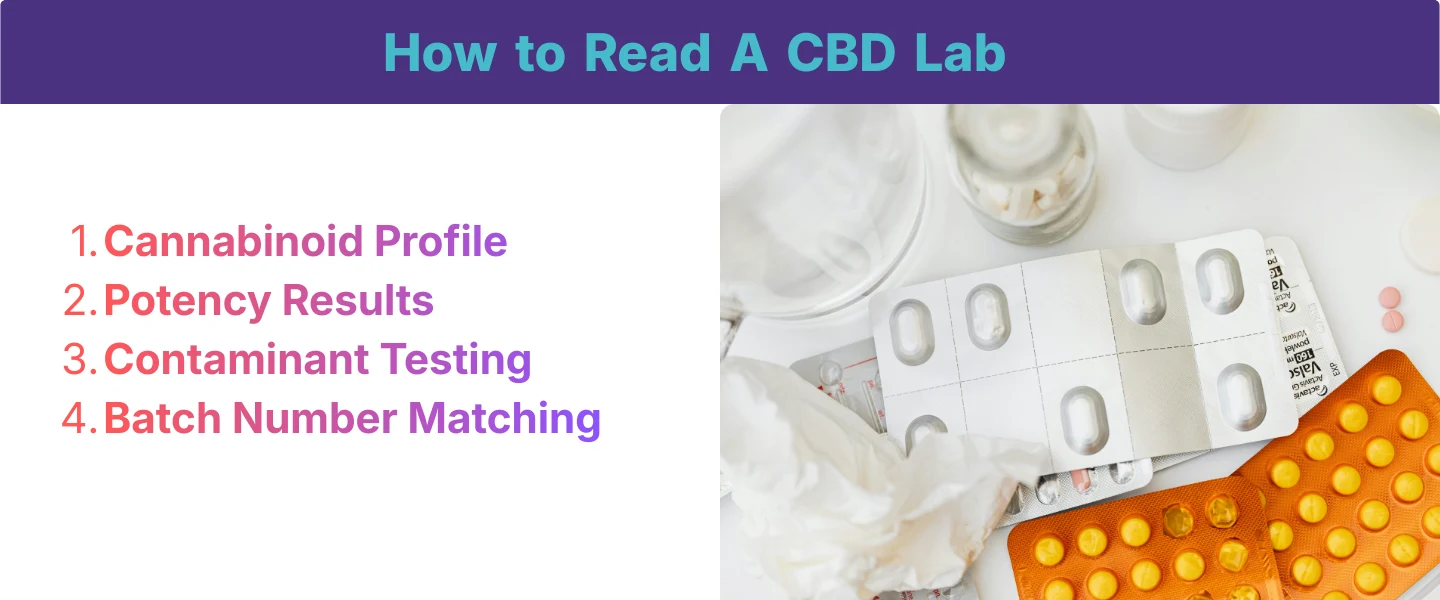
How to Read a CBD Lab Report
The growth rate for hemp and CBD-related products in India is estimated at over 20% annually, reflecting rapid consumer uptake and increased interest in wellness and alternative therapies
A standard CBD lab report contains:
1. Cannabinoid Profile
Shows CBD, CBG, CBN, and THC percentages. If CBD is missing, the product is fake.
2. Potency Results
Confirms the strength matches the product label. If the label says 1000mg but the report shows 50mg, it is fake.
3. Contaminant Testing
Look for pesticides, heavy metals, bacteria, mould, and solvents.
4. Batch Number Matching
The batch number on the COA should match the bottle critical for COA verification of CBD.
Understanding how to read CBD lab reports empowers buyers to make informed decisions.
COA Verification Steps
Indian doctors say CBD oil should only be used under medical supervision. They warn that buying unregulated or untested products can be risky and stress that CBD must come from licensed manufacturers with proper safety documents.
To verify authenticity:
Scan the QR code or visit the lab’s website.
Check if the lab is ISO-accredited.
Confirm the report is recent (not older than 6–12 months).
Match batch number, expiry, and brand name.
Ensure “Pass” marks for contaminants.
If a seller avoids sharing third-party lab results for CBD oil in India, that is a clear warning sign.
Packaging, Labels & Batch Information
Observers of the NDPS Act and hemp-regulation framework note that while industrial hemp and low-THC CBD products are potentially legal, import/export, manufacturing licence, and compliance with the Drugs and Cosmetics Act (or AYUSH licensing for herbal/CBD products) remain mandatory for a product to be legitimately sold.
High-quality CBD products include:
Batch or lot numbers
Expiry dates
Ingredient list
Extraction method
Dosage instructions
Contact details of the manufacturer
Fake companies use low-quality labels, spelling errors, and generic packaging.
A proper CBD authenticity test begins with checking packaging integrity.
Brands selling genuine products always state if the product is full-spectrum and clearly mention cannabinoid percentages.
Red Flags That Indicate Fake CBD
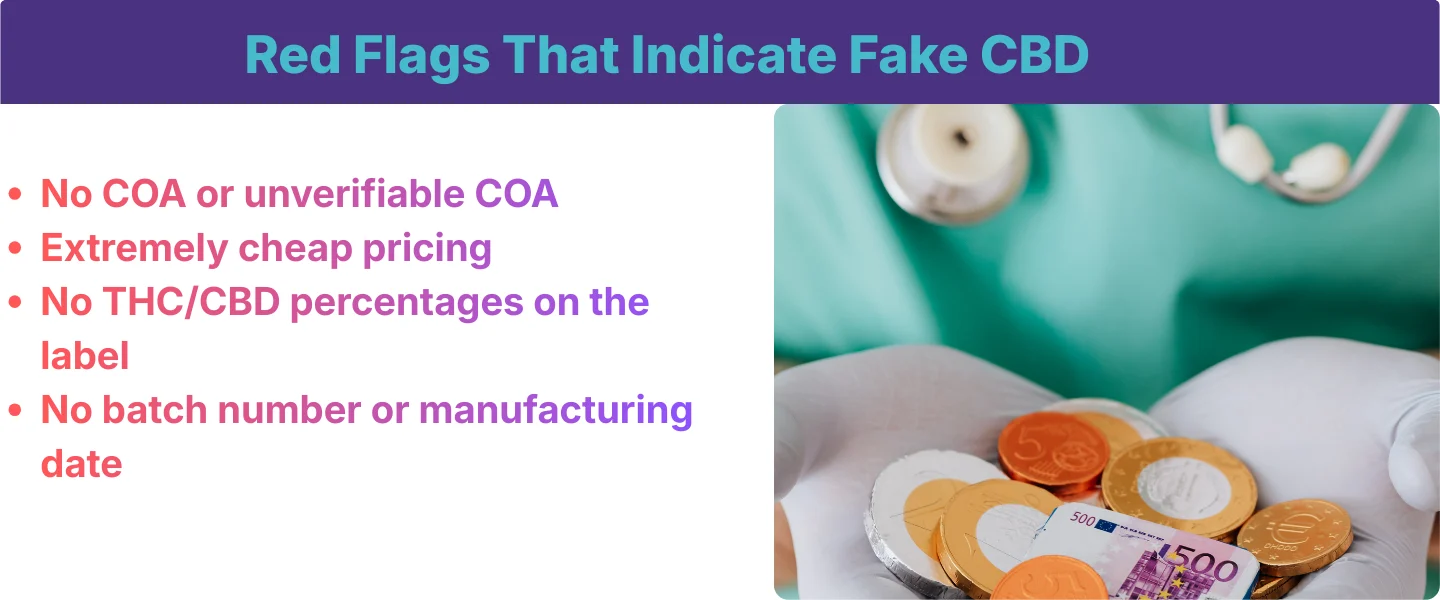
When learning how to spot fake CBD products, look for the following:
No COA or unverifiable COA
Extremely cheap pricing
No THC/CBD percentages on the label
No batch number or manufacturing date
Suspicious fragrance or cloudy texture
Claims like “cures everything”
Selling through unauthorised or unknown websites
Fake CBD can cause fake CBD symptoms such as:
Drowsiness
Nausea
No noticeable therapeutic effect
Counterfeit CBD may contain synthetic cannabinoids or contaminants, making verification essential.
Where to Buy Safe, Tested CBD in India
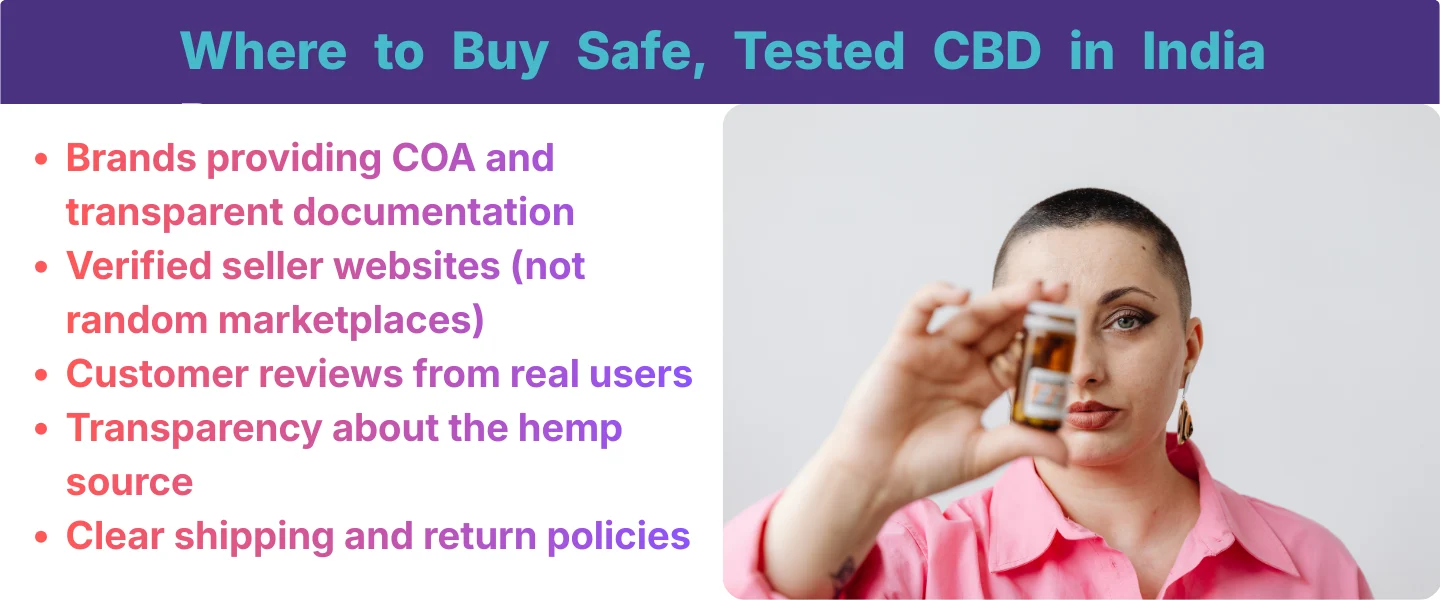
Consumers often ask where to buy genuine CBD in India or buy lab-tested CBD oil in India safely.
Reliable indicators include:
Brands providing COA and transparent documentation
Verified seller websites (not random marketplaces)
Customer reviews from real users
Transparency about the hemp source
Clear shipping and return policies
Trusted sellers also offer guidance on how to check original CBD oil in India and maintain strong quality control.
Look for trusted CBD brands in India with consistent testing records.
Always avoid anonymous marketplace sellers claiming to sell “pure CBD” at extremely low prices.
Legality of CBD in India
Many buyers ask whether CBD oil is legal in India.
Under the NDPS Act, CBD derived from hemp with low THC (typically <0.3%) is legal when sold with proper licensing and prescriptions (for medical use). Ayurvedic preparations like Vijaya extracts are legally permitted if manufactured under AYUSH guidelines.
Buying from legitimate sellers ensures compliance with safety and legal standards.
FAQs
1. How do I identify genuine CBD?
Check the COA, verify batch numbers, confirm third-party testing, and review potency levels. Lack of documentation suggests fake products.
2. What is a CBD Certificate of Analysis (COA)?
It is a lab-issued document showing cannabinoid content, purity levels, and safety results.
3. Can I use a CBD testing kit at home?
A basic CBD testing kit may detect cannabinoids, but only a lab test confirms purity and safety.
4. What are fake CBD symptoms after use?
Headache, nausea, no therapeutic effect, throat irritation, or dizziness are often due to contaminants or zero CBD content.
5. How do I know if my CBD is real?
Use COA verification, check packaging, verify THC and CBD amounts, and buy only from reputable brands and authorised retailers.
Final Thoughts
Choosing high-quality CBD begins with awareness, verification, and careful brand selection. By checking lab reports, COA authenticity, and packaging details, you can confidently avoid counterfeit products and ensure safety. Reliable CBD starts with transparency; always choose brands that prove purity rather than just claiming it.
Read also
What Science Says About Cannabis and Heart Disease and Its Benefits
References
Disclaimer: The information shared in this blog is meant for general educational purposes only and should not be taken as medical advice. Always consult a qualified healthcare professional for diagnosis, treatment, or medical guidance related to your health. The content is based on reliable sources, but it may not be suitable for every individual’s condition. We do not assume responsibility for any actions taken based on this information. Readers are encouraged to exercise caution and use their discretion when making healthcare decisions.












Comments