

Vitamin B12 Deficiency and Weight Gain





Last updated on 06 Apr 2026
You eat clean, work out regularly, and drink more water than coffee. Yet your weight simply will not budge. Before blaming willpower or your workout routine, consider this: your body might be lacking a nutrient that quietly fuels your metabolism and energy levels. That nutrient is vitamin B12.
Low B12 levels can cause fatigue, a sluggish metabolism, mood swings, and unexpected weight gain, yet most people never connect the two. This guide explores how vitamin B12 deficiency affects your energy and metabolism, the signs your body sends when levels drop, and what you can do through food, lifestyle changes, or supplements to turn things around.
Key Takeaways
|
Why Is Vitamin B12 Important?
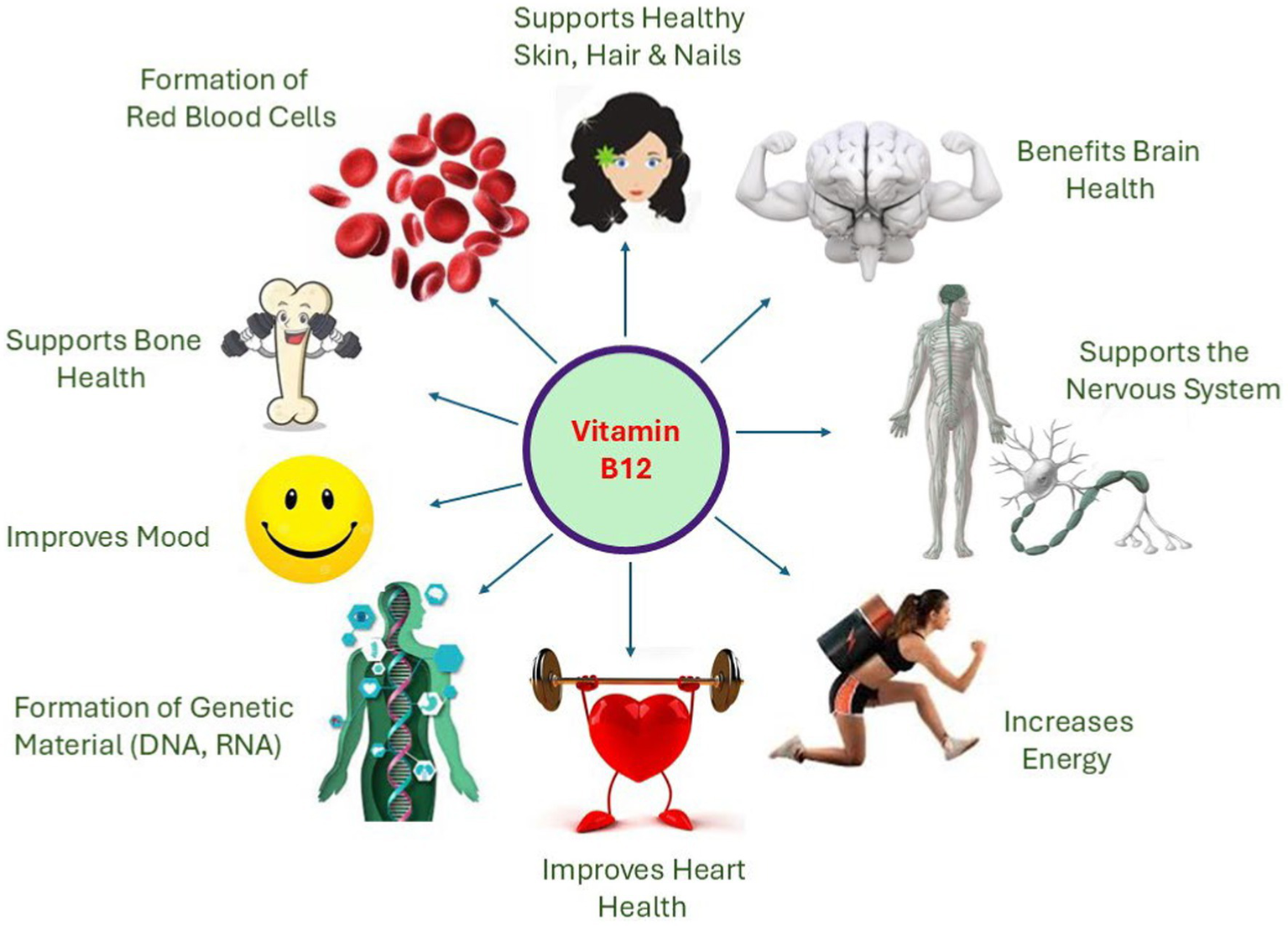
Vitamin B12, also known as cobalamin, plays a far-reaching role in how the body functions. It supports red blood cell formation, maintains healthy nerve function, protects brain health, and drives the metabolic processes that convert food into energy.
Dr Alok Chopra, Cardiologist director of Fortis Hospital, told Hindustan Times that vitamin B12 deficiency is one of the most ignored causes of chronic fatigue and metabolic slowdown in Indians, often going undetected for years, particularly in vegetarians.
Can B12 Deficiency Really Cause Weight Gain?
B12 itself does not directly cause weight gain. However, when levels fall too low, the body slows down significantly. Fatigue sets in, metabolism drops, and the body's capacity to burn fat decreases. Add fatigue-driven cravings and emotional eating to this mix, and the connection between low B12 and unexplained weight gain becomes much clearer.
What Are the Symptoms of B12 Deficiency?
The ICMR-NIN Dietary Guidelines for Indians 2024, released in May 2024, The guidelines recommend consuming dairy products, eggs, and fortified foods as essential strategies for vegetarians and note that B12 is a micronutrient that cannot be reliably obtained from plant-based foods alone.
The body signals a B12 deficiency in several ways, though not everyone experiences all symptoms. Common signs include unexplained weight gain or persistent difficulty managing weight, constant fatigue even after adequate sleep, brain fog and forgetfulness, tingling or numbness in the hands and feet, mood swings or depressive thoughts, pale or yellowish skin, and shortness of breath or dizziness.
Some people experience weight issues as the dominant symptom, while others notice nerve-related symptoms first. The body's way of flagging deficiency varies from person to person, which is why testing remains the only reliable way to confirm it.
How Does B12 Affect Metabolism and Weight?
B12 acts as a metabolic engine. It helps the body convert food, particularly fats and proteins, into usable energy. When B12 levels are low, this process slows dramatically. Cells struggle to perform, and the body begins storing calories rather than burning them.
Low B12 also affects thyroid function, and thyroid health plays a direct role in regulating body weight and metabolic rate. This creates a compounding effect where energy drops, fat storage increases, and weight management becomes progressively harder despite consistent effort.
What Causes B12 Deficiency?
A meta-analysis of 20 Indian studies published between 2001 and 2023 found that the pooled national frequency of inadequate vitamin B12 levels is 51%, with rates exceeding 65% among vegetarians and 67% among pregnant women.
Several factors reduce B12 levels or impair the body's ability to absorb it effectively.
Vegetarian and vegan diets lack animal products, which are the primary natural sources of B12. Poor gut health conditions including IBS, Crohn's disease, and chronic acidity, reduce the body's ability to absorb the vitamin. Long-term use of medications, including antacids and metformin, interferes with B12 absorption, making regular monitoring important for people on these drugs.
Age reduces stomach acid production, which is needed for B12 absorption, thereby increasing older adults' risk. Excessive alcohol consumption damages the stomach lining and further reduces B12 levels over time.
How to Treat B12 Deficiency and Support Weight Management

Here’s how to treat the deficiency and maybe even watch the stubborn weight slide off:
Get Tested: First, check your B12 levels through a blood test.
Start Supplements: Your doctor may suggest oral B12 or injections if levels are severely low.
Eat a Vitamin B12-rich diet: Include eggs, dairy, fish, chicken, liver, and fortified cereals.
Fix Your Gut: Work on digestive health with probiotics and reduce inflammation.
Track Your Progress: Monitor energy, sleep, mood, and yes, your weight.
Most adult women need about 2.4 micrograms (mcg) of vitamin B12 every day to stay healthy. If you’re pregnant or breastfeeding, that number goes up slightly to around 2.8 mcg because your body’s doing double duty! For adult men, the daily target is around 2.6 mcg.
Thankfully, it’s not a huge amount, but hitting that number consistently is key to keeping your energy, brain, and metabolism in check.
How Much B12 Do You Need Daily?
Adult women require approximately 2.4 mcg of vitamin B12 daily. This increases to around 2.8 mcg during pregnancy and breastfeeding. Adult men need approximately 2.6 mcg daily. These amounts are not large, but hitting them consistently is what keeps energy, brain function, and metabolism on track.
Which Foods Are High in Vitamin B12?
A well-planned diet covers B12 needs for most people who eat animal products. The richest food sources include eggs, particularly the yolks; cow's milk; paneer; yoghurt; chicken; turkey; salmon; sardines; tuna; and beef liver, which is one of the most concentrated B12 sources available.
For vegetarians, dairy and eggs provide meaningful amounts. For vegans, fortified cereals, fortified soy products, and B12 supplements are not optional. They are essential to avoid deficiency.
Frequently Asked Questions
1. How does B12 deficiency contribute to weight gain?
B12 deficiency slows metabolism and reduces the body's ability to efficiently convert food into energy. This leads to fatigue, decreased physical activity, and increased fat storage. Emotional eating driven by low mood and exhaustion further compounds the effect over time.
2. Does B12 deficiency directly cause weight gain?
Not directly. However, the combination of sluggish metabolism, low energy, poor mood, and increased cravings that accompanies B12 deficiency creates conditions that make weight gain far more likely.
3. What is vitamin B12 good for beyond metabolism?
B12 supports healthy nerve function, brain health, red blood cell production, mood regulation, and energy levels. It is essential for the normal functioning of nearly every system in the body.
4. Is it safe to take vitamin B12 daily?
Yes. B12 is water-soluble, meaning the body excretes any excess through urine. Daily supplementation is generally safe, but always follow your doctor's guidance, particularly if you are using high-dose supplements or injections.
5. Does vitamin B12 increase appetite?
Not directly. However, restoring B12 levels improves energy and reduces fatigue, which may, in turn, indirectly influence appetite and motivation. For most people, the primary effect is improved energy rather than increased hunger.
6. How long does it take to see improvement after treating B12 deficiency?
Energy and mood often begin improving within a few weeks of starting supplementation. Neurological symptoms may take several months to resolve. Weight management improvements depend on how consistently diet, lifestyle, and supplementation are addressed together.
Read Also
References
Healthline. Vitamin B12 Deficiency and Weight Gain. Available at: https://www.healthline.com/nutrition/vitamin-b12-deficiency-and-weight-gain.
PubMed. Vitamin B12 Deficiency and Metabolic Function. Available at: https://pubmed.ncbi.nlm.nih.gov/23892832/.
PubMed. Vitamin B12 Status in India. Available at: https://pubmed.ncbi.nlm.nih.gov/26912492/.
Disclaimer: The information in this article is intended for general informational purposes only and does not constitute medical or nutritional advice. Vitamin B12 deficiency symptoms and their effects on weight vary between individuals. Always consult a qualified healthcare professional before beginning supplementation or making significant changes to your diet, particularly if you have an existing health condition or take prescribed medication.













Comments