

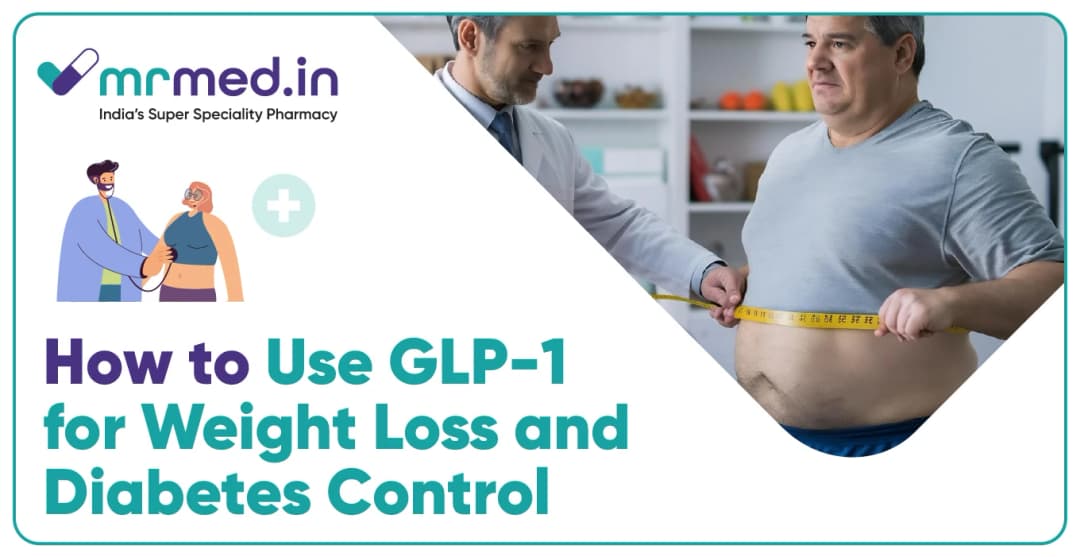
What is GLP-1? Understanding Its Role in Weight Loss and Diabetes Management





Last updated on 02 Jan 2026
GLP-1 has recently become one of the most discussed topics in health and wellness, particularly for managing diabetes and promoting long-term weight loss. It’s not just a trend; GLP-1 is actually a natural hormone in the body that plays a crucial role in controlling blood sugar, appetite, and metabolism.
In simple terms: Think of GLP-1 as your body’s “health signal.” It tells your pancreas when to release insulin, signals your liver to stop making extra sugar, and helps your brain know when you’re full after a meal.
With the rise of GLP-1–based medicines, millions of people worldwide are now seeing better control of type 2 diabetes and more sustainable weight management.
Understanding GLP-1 and Its Functions

India ranks third globally for obesity and second for type 2 diabetes, highlighting the urgency of effective interventions like GLP-1–based therapies.
GLP-1 stands for Glucagon-Like Peptide-1, a hormone produced in the intestines after eating. It plays multiple roles in regulating the digestive and metabolic systems:
Enhancing insulin secretion: GLP-1 stimulates the pancreas to release insulin in response to rising blood glucose levels.
Suppressing glucagon release prevents the liver from releasing excessive glucose into the bloodstream.
Delaying gastric emptying: Food moves more slowly from the stomach into the intestines, resulting in a longer feeling of satiety.
Influencing the brain: It signals to the brain’s appetite centres, helping reduce food cravings.
By targeting these functions, GLP-1 helps maintain stable blood sugar levels and reduces the likelihood of overeating.
The Science Behind GLP-1 and Blood Sugar Control
Dr Shashank R. Joshi, Padma Shri Awardee, Senior Endocrinologist at Lilavati, explains, “GLP-1 receptor agonists represent a paradigm shift in diabetes care. They not only improve glycaemic control but also help with meaningful weight reduction and cardiovascular risk management. For Indian patients, affordability and awareness are challenges, but when used under proper supervision, GLP-1 therapies can be life-changing.”
For individuals with type 2 diabetes, one of the biggest challenges is high post-meal glucose spikes. GLP-1 reduces these spikes by:
Stimulating insulin when blood sugar rises.
Preventing excess glucose release from the liver.
Slowing food absorption for steadier energy.
This means fewer fluctuations, lower risk of long-term complications, and more balanced energy levels throughout the day.
GLP-1 in Diabetes Management
Doctors increasingly prescribe GLP-1RA drugs (GLP-1 receptor agonists) that mimic the natural GLP-1 hormone for type 2 diabetes treatment in India and globally. These medicines help with appetite regulation and control of blood glucose levels, enabling patients to:
Improve HbA1c (average blood glucose levels over 3 months)
Achieve better fasting and post-meal glucose control.
Reduce the need for high doses of insulin or additional medications.
Lower the risk of heart disease, a major concern for people with diabetes
Clinical studies show that GLP-1–based drugs can reduce the risk of cardiovascular events such as heart attacks and strokes in high-risk diabetic patients.
GLP-1 and Weight Loss Benefits
One of the most remarkable effects of GLP-1 receptor agonists is their ability to support GLP-1 for weight loss. They are now recognised as highly effective anti-obesity drugs because they:
Suppressing appetite through brain signalling
Helping patients feel fuller after smaller meals
Reducing food cravings, particularly for high-fat or sugary foods
Promoting steady weight reduction over months of therapy
Unlike diet-based methods that only offer temporary results, GLP-1 treatments directly target appetite regulation at the biological level, making weight loss more sustainable and long-lasting.
GLP-1 Medications: Current Options
The ICMR Guidelines GLP-1 drugs list India for Management of Type 2 Diabetes (2018) lists Exenatide, Liraglutide, Lixisenatide, and Dulaglutide among approved GLP-1 receptor agonists in India.
Several GLP-1 receptor agonists are already in use worldwide. Commonly prescribed ones include:
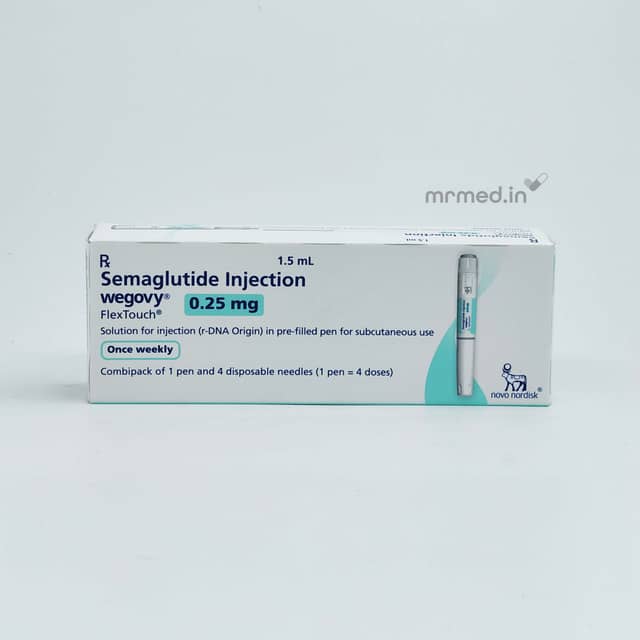
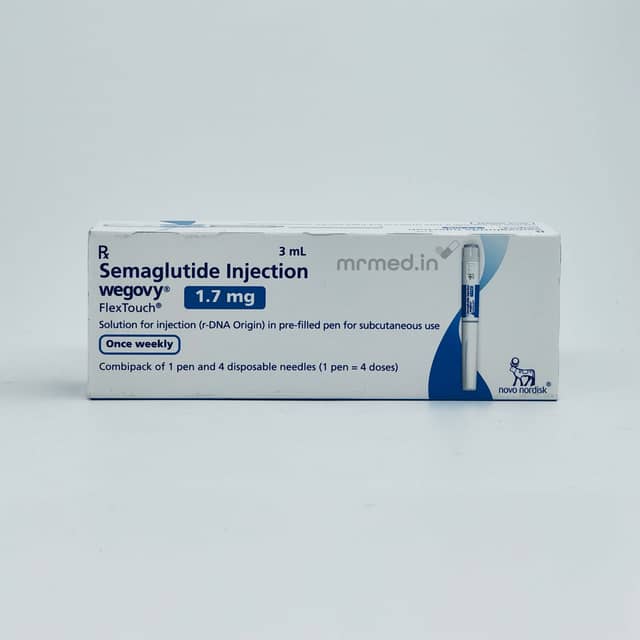
Semaglutide (Ozempic®, Wegovy®)
Liraglutide (Victoza®, Saxenda®)
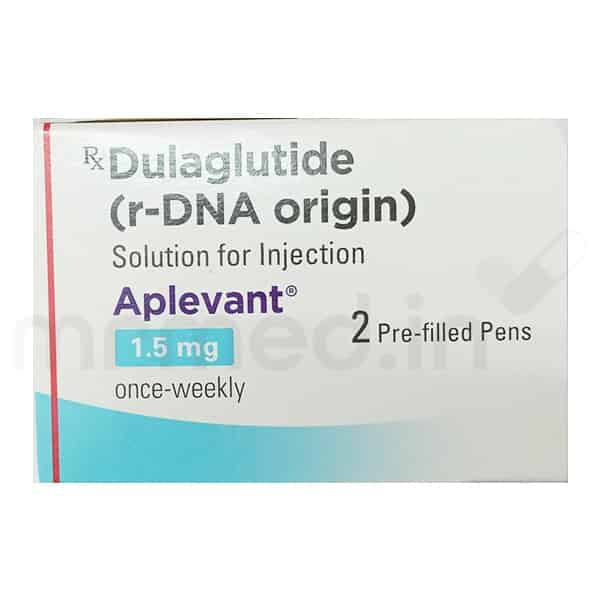
Dulaglutide (Trulicity®)
Exenatide (Byetta®, Bydureon®)
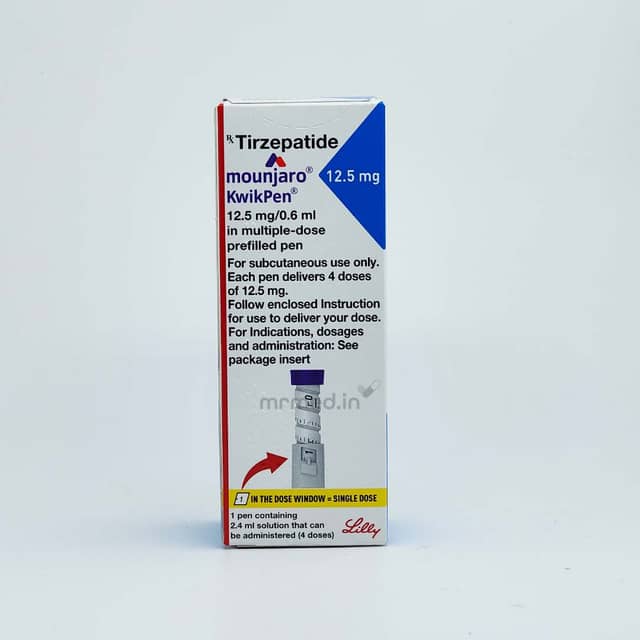
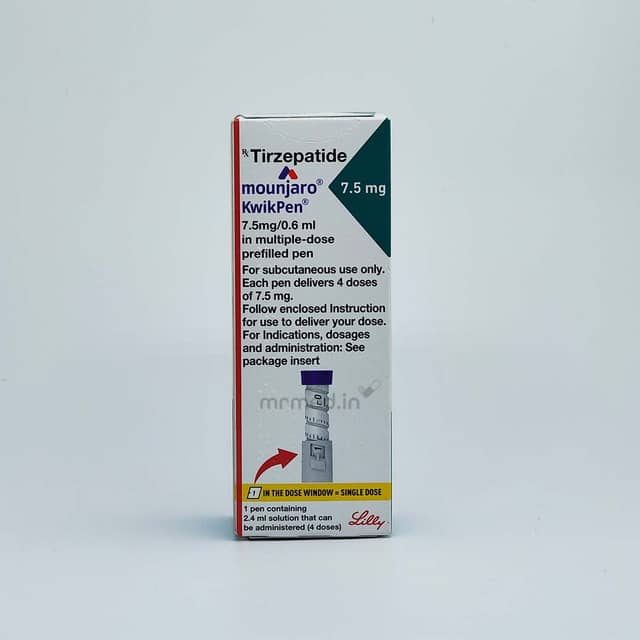
Tirzapatide ( Yurpeak Kwikpen®, Mounjaro®)
A common question patients ask is: “Is tirzepatide a GLP-1?”
The answer: Tirzepatide (brand name Mounjaro®, Yurpeak Kwikpen®) is not just a GLP-1 agonist; it is a dual GIP and GLP-1 receptor agonist, meaning it targets two different hormones for even greater blood sugar control and weight loss benefits. This makes it one of the most advanced drugs available today.
Comparing GLP-1 to Other Diabetes and Weight Loss Treatments
Traditional diabetes medications like metformin or sulfonylureas mainly target blood sugar without addressing appetite or weight. Insulin therapy is effective but can sometimes cause weight gain. GLP-1 and dual-agonist medicines, such as Yurpeak Kwikpen, offer broader benefits by controlling blood glucose while also supporting weight loss.
This dual action sets them apart, making them a preferred option for patients struggling with both diabetes and obesity.
A frequent question among patients is “semaglutide vs liraglutide”; both are effective. Still, semaglutide often shows greater weight-loss efficacy, while liraglutide has a longer history of use and proven cardiovascular benefits. Additionally, dual-agonist therapies like Yurpeak Kwikpen, which contain tirzepatide, are increasingly preferred for patients who need greater metabolic improvements, as they typically deliver better blood sugar control and more significant weight reduction than traditional GLP-1 medicines. Doctors base their decisions on the patient’s health profile, metabolic goals, and safety considerations.
Feature | Semaglutide | Liraglutide |
|---|---|---|
How often to take | Once weekly | Once daily |
Blood sugar control | Stronger effect | Good effect |
Weight loss | Higher (more effective) | Moderate |
Heart benefits | Proven | Proven |
Cost | Usually higher | Comparatively lower |
Potential Side Effects and Considerations
Like any therapy, GLP-1 receptor agonists are not without side effects. Common issues include:
Nausea and vomiting (especially when starting therapy).
Constipation or diarrhoea.
Reduced appetite, which may feel uncomfortable for some patients.
Rare risks such as pancreatitis or gallbladder issues.
Most side effects are temporary and improve as the body adjusts. Doctors usually recommend starting with lower doses and gradually increasing them to improve tolerance.
Who Can Benefit Most from GLP-1 Therapy?
Patients who may benefit include:
Adults with type 2 diabetes not controlled by first-line medications.
Individuals with obesity (BMI ≥30) or overweight (BMI ≥27 with complications).
Individuals at high cardiovascular risk also require effective management of their glucose levels.
Those seeking sustainable, medically supported weight loss.
GLP-1 therapies are generally not recommended for patients with type 1 diabetes, a history of medullary thyroid carcinoma, or pancreatitis.
Lifestyle Changes Alongside GLP-1 Therapy
While GLP-1 receptor agonists are effective, they are not a magic solution. For best results, they must be combined with:
A balanced diet rich in whole grains, vegetables, lean proteins, and healthy fats.
Regular physical activity, including both aerobic and strength training.
Adequate hydration and sleep hygiene.
Stress management techniques, such as yoga or meditation.
Together, these amplify the benefits of Mounjaro for weight loss in India and other GLP-1–based treatments.
Research and Future of GLP-1 Medicines
Dr Ambrish Mithal, a leading Indian endocrinologist, emphasises that we are just at the beginning of the GLP-1 era, and newer molecules will likely be easier to use and safer over time. But to safeguard muscle mass during rapid weight loss, patients must combine a high-protein diet with resistance training.”
The success of GLP-1 therapies has sparked global research into new formulations and combined drugs. Scientists are exploring:
Oral GLP-1 agonists for easier use.
Dual and triple agonists targeting multiple hormones for greater effect.
Long-acting injections require fewer doses per month.
Combination therapies with other metabolic drugs.
These innovations may make treatment more accessible, convenient, and effective for millions of people in the future.
FAQs
1. How fast does GLP-1 work?
Most patients begin to notice changes in their appetite and glucose levels within a few weeks, although weight loss typically becomes more noticeable after 8 to 12 weeks.
2. Are GLP-1 therapies safe for long-term use?
Clinical trials support their safety when monitored by healthcare providers, with many patients using them successfully for years.
3. Can GLP-1 replace insulin?
Not always. For some patients, especially those with advanced type 2 diabetes, insulin may still be necessary. However, GLP-1 can reduce insulin dependence.
4. Are GLP-1 drugs covered by insurance?
Coverage varies by country and insurance provider. In India, the availability and cost of these products remain concerns, despite rising global demand.
5. Can lifestyle changes alone match GLP-1’s effects?
Lifestyle modifications are always important, but GLP-1 offers biological support that can make weight loss and diabetes control easier and more consistent.
Final Thoughts
GLP-1 is more than just a hormone; it’s a powerful tool in modern medicine that is reshaping how we approach weight loss and diabetes care. By mimicking natural biological processes, GLP-1 therapies promote healthier eating patterns, improved blood sugar control, and enhanced overall well-being.
While not suitable for everyone, these treatments represent a significant advancement in addressing two of today’s most pressing health challenges. With ongoing research and growing access, GLP-1 could transform the future of metabolic health worldwide. Always consult your doctor before starting GLP-1 therapy to understand which option is best for you.
Read also
References
Disclaimer: The content in this blog is for general informational purposes only and is not a substitute for professional medical advice, diagnosis, or treatment. Always consult your doctor or a registered dietitian before making any changes to your diet, especially if you have a medical condition or are taking prescribed medication. While the information is based on trusted sources, individual needs and results may vary. MrMed does not promote or endorse any specific food or treatment mentioned unless explicitly stated.














Comments