

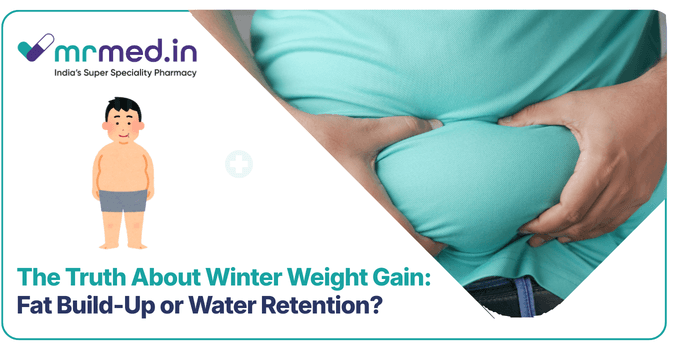
The Truth About Winter Weight Gain: Fat Build-Up or Water Retention?





Last updated on 10 Feb 2026
Winter weight gain is often caused by water retention rather than true fat build-up. Cold weather, reduced activity, higher salt intake, and lower thirst can lead to temporary fluid retention. This causes Winter bloating and short-term changes on the scale that usually improve with hydration and movement.
Key Takeaways
|
Winter impacts our daily routines, hydration, and level of activity. During colder months, many of us consume heavier foods, move less, and drink less water. These can cause you to retain fluid and feel bloated, leading to weight gain on the scale. In many instances, this is a transient change that resolves once hydration and routine activity are restored. A better understanding of this fact will diminish unnecessary panic and enable us to establish healthier seasonal practices.
Winter often brings heavier meals, warm drinks, and less time outdoors. Many people move less, snack more, and feel hungrier during colder months. It is common to notice a slight increase on the scale or feel more bloated than usual. While this can seem like fat gain, the body often responds to winter in more complex ways.
The truth is that winter weight gain does not always mean fat gain. Seasonal weight gain changes affect hydration, digestion, movement, and fluid balance. To understand what is really happening, it helps to separate fat build-up from water retention.
What Is Winter Weight Gain and How Does Water Retention Play a Role?
Winter weight gain refers to seasonal increases in body weight during colder months. This increase may come from changes in activity, eating habits, digestion, or fluid balance rather than from fat gain alone. In fact, the growth is attributable to water retention in winter rather than body fat.
Water retention happens when the body is unable to remove excess fluid. During winter, decreased thirst, a tendency toward comfort foods, reduced activity, and slowed circulation can lead to fluid retention, causing bloating or puffy areas around the abdomen, face, hands, and feet.
Some of the common reasons for these increased body weights during winter include:
Reduced physical activity in winter
Slower digestion during winter
Increased levels of carbohydrate and salt intake during winter
Dehydration and water retention
Overall, those contributors can alter the balance of fluids within your body and how you process food, which is why winter-weighted gain can fluctuate more than a more gradual increase during other times of the year.
Many studies in 2020 show that body weight tends to increase in winter compared with other seasons. A long-term study reported that weight typically peaks in winter and falls in summer, with seasonal fluctuations of around ~0.5 kg on average in adults.

Fat Gain vs Water Weight: How to Tell the Difference
It is easier to interpret your winter weight change if you know the difference between fat gain and water weight.
Fat gain happens gradually from having a calorie intake greater than calorie expenditure, so it doesn’t vary that much from day to day. In contrast, water weight can fluctuate daily due to hydration levels, salt intake, hormone fluctuations, and physical activity.
Most of the time, when you gain weight suddenly over a few days, it is due to an increase in water weight, evidenced by:
Stomach bloating occurs when you gain weight in winter.
Puffiness of face and fingers.
A rapid weight loss occurs when you become hydrated or engage in physical activity.
This pattern of weight gain suggests that a large percentage of winter weight gain is temporary and not permanent fat storage.
Why Water Retention Increases During Winter
Cold weather disrupts the body’s fluid balance, making it easier for water to accumulate in tissues.
In winter, several factors can cause an increase in fluid retention due to:
Low level of thirst despite being dehydrated or retaining fluids due to not drinking enough cold fluids
The presence of carbohydrates in food causes glycogen to hold onto water in the body, a process known as carb water retention.
Increased salt consumption due to the consumption of soups, processed foods, etc.
Reduced sweating as a means to lose excess water through sweat
All of these factors can lead to more noticeable bloating during the winter months and a temporary weight gain that usually reduces once hydration and activity levels improve.
How Winter Eating Habits Affect Weight
Winter usually changes how people eat because colder temperatures make them crave warm, rich, and calorie-dense comfort foods. Although these types of food may temporarily satisfy you, they can increase overall energy consumption.
The common winter food patterns include:
More high-salt soups
More consumption of sweets and baked products
Snacking repetitively inside
More significant food portions
These habits will gradually lead to consuming even more calories, and with lower levels of activity, the excess will be stored as fat for a longer period.
According to Dr Manjusha Agarwal, Senior Consultant, Gleneagles Hospital, Parel, Mumbai.“The changing seasons affect digestion and metabolism, leading to a metabolic slowdown in winter. Cold weather can increase cravings for calorie-dense foods and reduce signals of hydration, which, if unmanaged, can contribute to unnecessary weight gain.

How Reduced Physical Activity Affects Winter Weight
Winter brings cold temperatures, shorter days, and a tendency to spend more time indoors, all of which contribute to fewer daily movements than during other seasons, yet many people do not realise this.
Common patterns associated with the winter months include:
Decrease in the number of steps taken on a daily basis
Decrease in the amount of time spent outdoors
An increased number of hours each day spent sitting
Small decreases in activity can add up quickly, contributing to a sluggish metabolism in winter. When the amount of food eaten remains constant, but daily activity decreases, the body must become more efficient at storing energy and will begin to store excess calories as fat or water.
Why Belly Bloating Feels Worse in Winter
Many experience belly bloating in winter that feels worse than gaining weight. This is because your body digests food more slowly and moves food through the gut more slowly in colder months.
Due to this slow digestion in winter, food stays in the digestive system longer and produces:
Gas
Pressure on the abdomen
Temporary expansion of the stomach
Cold weather also reduces the amount of blood circulating through the gut, further slowing digestion. This is why you may continue to experience belly-bloating even when you haven't overeaten.
When Winter Weight Gain May Signal a Health Problem
Weight changes during winter are usually harmless and temporary. However, sudden or unusual weight gain may sometimes indicate an underlying health issue. However, if you have experienced sudden or unexpected weight gain, consult your doctor to determine whether this means a potential medical problem.
Some indications that you should see a doctor include:
An increase in the size of your legs, ankles, or face
Difficulty breathing and weight gain at the same time
An unexplained increase in weight with no change to diet or physical activity
Constant fatigue and being uncomfortable with cold temperatures
Swelling that is still present after moving around and drinking fluids
Fluid retention can sometimes occur from problems with your thyroid gland, kidneys, or heart. Your doctor will help determine the cause of your fluid retention.
How to Manage Winter Weight Without Extremes
Little daily habits, including exercise for winter weight control, can help keep winter weight manageable without resorting to diets or intense exercise.
Morning
Drink a glass of warm water
Do some light stretching or take a brief walk indoors
Afternoon
Take a short walk after meals
Drink even if you’re not thirsty.
Evening
Choose a lighter dinner of vegetables and protein
Avoid the big snacks late at night
Do gentle stretching before bed
These small, consistent acts can help prevent you from gaining water weight and fat accumulation throughout the season.

Frequently Asked Questions (FAQs)
1. Is winter weight gain always fat gain?
No. Winter weight gain often includes water retention and bloating rather than true fat gain.
2. Why does the scale go up quickly in winter?
Fluid retention, carbohydrate storage, and reduced activity cause rapid changes.
3. Does dehydration cause weight gain?
Yes. Dehydration can trigger water retention, increasing scale weight.
4. Will winter weight go away on its own?
For many people, weight stabilises as hydration and activity improve.
5. Does your body gain weight in winter?
Yes, people may gain weight in winter, but it is often due to temporary water retention and reduced activity rather than actual fat gain.
Key Points to Remember
Weight gain in winter is typically due to brief shifts in hydration, digestion, activity, and eating patterns. In most instances, the added weight on the scale is water weight rather than actual fat gain.
Excessive weight fluctuations can be avoided by staying hydrated, staying active, and eating appropriately. Instead of responding to the day-to-day, it is better to focus on long-term habits. And with a little tweaking, it is possible to control or lose most of the seasonal weight gain without starving yourself or living in the gym.
Read Also
References
Pellegrini CA, Verba SD, Otto AD, Helsel DL, Davis KK, Jakicic JM. The comparison of a continuous glucose monitoring system and self-reported dietary intake on seasonal weight changes in adults. PLoS One. 2020;15(4):e0232152.
Yanovski JA, Yanovski SZ, Sovik KN, Nguyen TT, O’Neil PM, Sebring NG. A prospective study of holiday weight gain. N Engl J Med. 2000;342(12):861–867.
Visscher TLS, Seidell JC. The public health impact of obesity. Annu Rev Public Health. 2001;22:355–375.
Disclaimer: The content in this blog is for general informational purposes only and is not a substitute for professional medical advice, diagnosis, or treatment. Always consult your doctor or a registered dietitian before making any changes to your diet, especially if you have a medical condition or are taking prescribed medication. While the information is based on trusted sources, individual needs and results may vary. MrMed does not promote or endorse any specific food or treatment mentioned unless explicitly stated.












Comments