

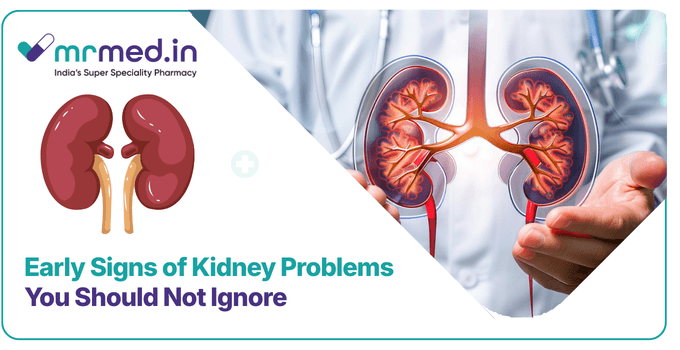
Early Signs of Kidney Problems You Should Not Ignore





Last updated on 21 Feb 2026
Kidney problems in the early stages may have subtle, easy-to-miss warning signs, such as abdominal swelling, fatigue, or changes in urination. These symptoms occur when the kidneys have difficulty filtering waste products and regulating fluid balance. The earlier they are spotted, and the sooner a patient makes lifestyle changes to improve their health, the sooner serious kidney damage can be avoided.
Key Takeaways
|
Kidney issues tend to progress slowly, so few pay attention to the initial warning signs. Swelling, fatigue, or urine that looks unusual can appear harmless but may be a sign that the kidneys are under stress. Regular check-ups, a healthy lifestyle, and early treatment can help protect kidney function and prevent long-term consequences.
Your kidneys work quietly every day to filter waste, balance fluids, and keep your blood clean. Most people never think about them until a problem appears. The trouble is that the early signs of kidney problems are often mild and easy to miss. Many people confuse them with tiredness, dehydration, or minor illnesses. Understanding kidney problems symptoms at an early stage can help you take action sooner and recognise the signs that your kidneys are failing.
This blog explains the symptoms of kidney disease in the early stages, what causes them, how to reduce the risk, what to avoid, when to see a doctor, and the kidney disease symptoms you should know.
What Are the Early Signs of Kidney Problems?
The early signs of kidney problems usually develop slowly, which is why many people ignore them. These symptoms of kidney disease in the early stages may not feel serious at first, but they can signal early kidney failure symptoms and chronic kidney disease early signs.
Here are 10 common and subtle signs of kidney issues, including early signs of chronic kidney disease, that many people ignore.
1. Changes in urination
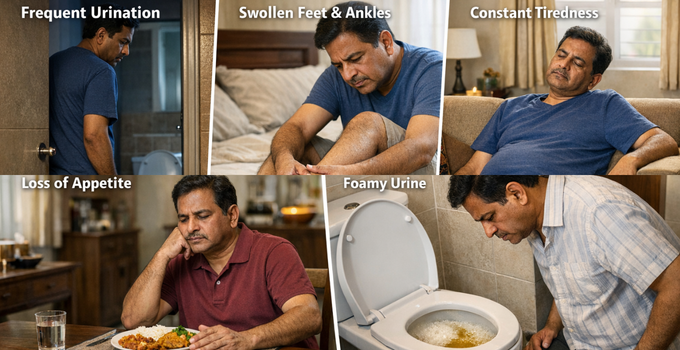
Any changes in your urination habits are a common symptom of kidney disease. You may find yourself using the restroom more often at night, urinating significantly less than usual, urinating a darker colour than usual, or urinating more than usual (which may appear to contain bubbles). These are some of the most common urinary symptoms that kidney disease patients notice in the early stages.
2. Swelling in feet, ankles, or face
If you have chronic kidney disease and have kidney failure, your kidneys do not filter out excess fluid from your body, so that excess fluid can accumulate in your feet, ankles or face. These are one of the early symptoms of chronic kidney disease.
3. Constant tiredness
If your kidneys are not filtering properly, toxins remain in your blood, prolonging your tiredness and leaving you feeling weak and/or fatigued even after a full night's sleep. It is a symptom of kidney failure that is typically ignored by many individuals.
4. Loss of appetite
Some people experience decreased appetite for food once they develop chronic kidney disease; you will feel full quicker than normal and lose interest in eating. You may also have some mild nausea.
5. Foamy or bubbly urine
If you have foamy urine, you may be leaking protein (a sign of an underlying kidney issue). It is common with urinary tract problems.
6. Dry and itchy skin
If there is an imbalance in the minerals in your blood, your skin may also show signs of kidney disease, becoming dry or itchy.
7. Trouble concentrating
If waste products build up in your blood, your brain can also be affected, leading to concentration issues, forgetfulness, and confusion.
8. Muscle cramps
Kidney diseases can cause changes in the levels of minerals in your body (like calcium and potassium). As a result, you may experience painful muscle cramps (especially at night).
9. Back or side pain
The pain from a kidney injury is typically felt on one or both sides of your lower back. You may feel dull or sharp pains. You may feel dull or sharp pains, which are common kidney pain and symptoms linked to infections or kidney stones.
10. Shortness of breath
When a person has fluid buildup around their lungs or low red blood cell levels, it can make it very difficult for them to breathe properly. Difficulty catching your breath can be a sign of kidney failure.

These symptoms of kidney disease in the early stages may appear slowly, so regular health checks are important.
Dr Seeta Mutalik, Consultant Nephrologist at HCG Suchirayu Hospital, Hubli, said that swelling that comes and goes is not normal. It is often the body’s first alarm that the kidneys are struggling.
Why Do These Symptoms Happen?
The kidneys act like natural filters. They remove waste, control fluid levels, and balance important minerals. When kidney function drops, these tasks are affected.
Here is what happens inside the body:
Kidney function problem | What it causes | Symptoms you may notice |
Waste build-up in the blood | Toxin accumulation | Fatigue, poor focus |
Fluid retention | Extra fluid in tissues | Swelling in the feet or face |
Protein leakage | Damaged filters | Foamy urine |
Low red blood cells | Reduced oxygen supply | Weakness, breathlessness |
Mineral imbalance | Disturbed electrolyte levels | Muscle cramps, itchy skin |
Understanding these causes helps you recognise when kidney failure symptoms first appear.
How Can You Reduce the Risk of Kidney Problems?
A number of kidney-related symptoms are related to your way of living. You can help maintain your kidneys' health and limit kidney disease by making small changes to your daily routine.
Here are some simple things to do that will be helpful:
1. Keep Your Blood Pressure & Blood Sugar In Check
High blood pressure and diabetes are both leading causes of kidney disease
2. Drink A Lot Of Water:
Drinking water helps your kidneys properly remove waste from your body.
3. Eat Healthy Foods:
Eat more fresh foods instead of relying on packaged or processed foods.
4. Be Physically Active:
Exercise regularly to improve blood flow and overall health.
5. Limit Smoking & Alcohol:
Smoking and drinking can both harm your blood vessels, resulting in your kidneys functioning poorly.
If you notice early signs of kidney problems and take preventive steps, you will lower your long-term risk.

What to Avoid When You Have Kidney Problems
If you already have symptoms of kidney problems, certain foods and habits can make them worse.
Foods and habits to limit
Too much salt
Excessive salt intake can lead to increased swelling and high blood pressure.Processed and packaged foods
Generally, they have high levels of sodium and preservatives.Sugary drinks and sweets
High levels of sugar in the blood can damage your kidneys.Frequent use of painkillers
Some medications can damage kidney tissue.High-protein fad diets
It can place additional strain on already weakened kidneys.
If you limit intake of these triggers, you may be able to slow the progression of early symptoms of chronic kidney disease.
Foods and Drinks That Support Kidney Health
Eating the right foods can support kidney function and help manage early symptoms.
Kidney-friendly choices
Apples, berries, grapes
Cabbage, cauliflower, cucumbers
Whole grains (e.g. whole oats)
Healthy fats (e.g. olive oil)
Adequate fluids (water), unless your doctor tells you to limit fluids
Drinks that may help
Plain water
Coconut water (in moderation)
Herbal tea (without added sugar)
Eating a healthy, balanced diet can help manage early signs and symptoms of kidney failure and boost your energy levels.

When Should You See a Doctor?
Many people delay medical advice because early kidney symptoms seem mild. Recognising the signs your kidneys are failing and seeking care early can slow the progression of kidney disease.
You should seek medical attention if you see any of the following:
Rapid swelling that lasts longer than normal.
The presence of blood in your urine.
Extreme fatigue.
Chronic back/sideline discomfort.
Shortness of breath.
Noticeable changes in your urinary function.
Early medical attention can completely slow the progression of your kidney disease.
FAQs
1. What are the 3 early warning signs of kidney disease?
Swelling, frequent urination, and constant fatigue are the most common early signs.
2. What are the signs of dying from kidney failure?
Advanced kidney failure may cause severe weakness, confusion, fluid build-up, and breathing problems.
3. What are the first signs that your kidneys are struggling?
Changes in urination, swelling, and low energy are often the first symptoms.
4. Does dialysis cause mood swings?
Some people experience mood changes due to stress, fatigue, or fluid shifts during treatment.
5. What to avoid with kidney disease?
Avoid excess salt, sugary drinks, processed foods, and unnecessary painkillers.
6. Which of the following signs is associated with chronic kidney disease?
Persistent swelling, tiredness, and urinary changes are common early signs of chronic kidney disease.
7. How to tell if the kidneys are failing?
Symptoms such as swelling, confusion, shortness of breath, and reduced urine output may indicate advanced kidney disease.
What’s Worth Remembering?
Kidney problems often start silently, with subtle signs such as swelling, fatigue, or changes in urine. These early kidney failure symptoms are easy to ignore, but they can point to serious health concerns. Learning the symptoms of kidney disease and making simple lifestyle changes can help protect your kidneys. Early action can prevent long-term complications.
Read Also
References
National Kidney Foundation. Signs and symptoms of kidney disease [Internet]. New York: National Kidney Foundation; 2024 [cited 2026 Feb 19].
Levey AS, Coresh J. Chronic kidney disease. Lancet [Internet]. 2012 Jan 14 [cited 2026 Feb 19];379(9811):165–80.
Inker LA, Astor BC, Fox CH, et al. KDOQI US commentary on the 2012 KDIGO clinical practice guideline for the evaluation and management of CKD. Am J Kidney Dis. 2014;63(5):713–735.
Disclaimer: The content in this blog is for general informational purposes only and is not a substitute for professional medical advice, diagnosis, or treatment. Always consult your doctor or a registered dietitian before making any changes to your diet, especially if you have a medical condition or are taking prescribed medication. While the information is based on trusted sources, individual needs and results may vary. MrMed does not promote or endorse any specific food or treatment mentioned unless explicitly stated.
















Comments