

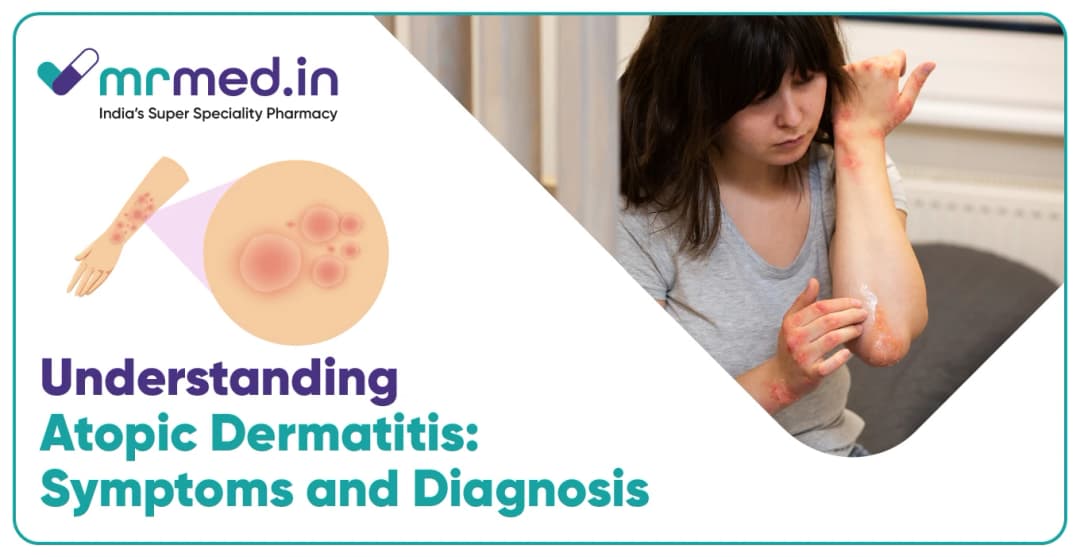
Atopic Dermatitis Symptoms, Stages, and Diagnosis: How to Identify It Early





Last updated on 02 Jan 2026
Atopic dermatitis is a chronic, inflammatory skin condition that can affect individuals of all ages, from infants to adults. It often starts early in life and can flare up multiple times. Because its symptoms can resemble those of other skin problems, recognising it early is crucial for timely care and to prevent complications. This guide explains what signs to look for, the stages of the condition, and how doctors confirm the diagnosis.
Understanding the Condition
Atopic dermatitis is part of a group of allergic conditions that may include asthma or hay fever. It weakens the skin’s natural barrier, making it dry, itchy, and sensitive. While it isn’t contagious, it can significantly affect quality of life if untreated.
Common Atopic Dermatitis Symptoms
Dr Rashmi Sarkar, Professor of Dermatology at Lady Hardinge Medical College, New Delhi, explains: “Early recognition of atopic dermatitis symptoms is key to long-term control. Moisturising daily, avoiding known triggers, and seeking timely medical advice can prevent severe flares and complications.”
Although the condition can look different in each person, some typical signs include:
-
Dry, scaly skin: Patches that feel rough and flaky.
-
Persistent itching: Often worse at night, leading to scratching.
-
Red or inflamed patches: Sometimes with oozing or crusting if scratched.
-
Thickened skin: Repeated scratching can cause the skin to appear leathery.
-
Swelling or small bumps: Especially on hands, feet, elbows, knees, and cheeks in children.
Many people first notice early signs of eczema, such as mild redness, itching, or a rash that doesn’t improve with moisturisers. Catching these signs can help reduce flare-ups and long-term damage.
Stages of Atopic Dermatitis
Doctors often describe the condition in three main stages:
1. Infant Stage
-
Usually begins between 2 and 6 months of age.
-
Rash may appear on the cheeks, scalp, or trunk.
-
Babies may be irritable and have trouble sleeping due to itching.
2. Childhood Stage
-
Spreads to elbows, knees, wrists, and ankles.
-
Skin becomes thicker because of scratching.
-
It may come and go with periods of improvement and flare-ups.
3. Adult Stage
-
Patches often appear on hands, eyelids, and around the neck.
-
The skin may appear very dry and thickened.
-
Chronic itching can lead to visible marks and emotional stress.
Early Signs vs Advanced Symptoms of Atopic Dermatitis
|
Stage |
Appearance & Feel |
Itching Level |
Other Clues |
|
Early Signs |
Dry, slightly red patches; mild scaling; may look rough |
Mild to moderate, often worse at night |
Skin feels tight; responds to moisturisers, but flares again |
|
Moderate Stage |
Red, inflamed patches; may ooze or crust; thicker skin begins |
Moderate to intense |
Scratching leads to visible marks; discomfort affects sleep |
|
Advanced Stage |
Thick, leathery plaques; deep cracks; possible dark or light spots |
Severe, persistent |
Increased risk of infection, bleeding, and emotional stress |
Diagnostic Tools and Tests

While atopic dermatitis is mostly diagnosed clinically, additional tools may assist:
-
SCORAD Index: Measures severity based on area affected, intensity, and subjective symptoms.
-
EASI (Eczema Area and Severity Index): Quantifies the extent and severity for clinical monitoring.
-
Patch Testing: Identifies allergic triggers contributing to flare-ups.
These tools are especially useful in research or complex cases.
How Doctors Confirm the Condition
People often wonder how eczema is diagnosed. There’s no single test; instead, doctors use several steps:
-
Detailed medical history: Includes family allergies, past rashes, and triggers like soaps or weather.
-
Physical exam: Doctors check the pattern and location of rashes.
-
Rule out other conditions: Sometimes a patch test or blood test is done to exclude allergies or infections.
-
Clinical guidelines: Dermatologists use standardised criteria, such as long-term itching and recurring rash patterns.
Differentiating from Other Skin Conditions
One common confusion is eczema vs psoriasis. Both cause red, itchy skin, but have key differences:
|
Feature |
Eczema (Atopic Dermatitis) |
Psoriasis |
|
Itch level |
Often intense, worsens at night |
Usually mild to moderate |
|
Appearance |
Red, dry, may ooze or crust |
Thick, silvery scales, well-defined edges |
|
Location |
Folds (elbows, knees), face, neck |
Scalp, elbows, knees, lower back |
|
Age of onset |
Common in babies and children |
It can occur at any age |
|
Trigger |
Allergies, irritants, and weather |
Immune response, genetics |
Recognising these differences can help you seek the right specialist sooner.
Impact on Quality of Life
In India, studies published in the Indian Journal of Dermatology (2023) indicate that atopic dermatitis affects approximately 5–15% of children and is on the rise due to pollution and urban lifestyles.
Beyond the physical discomfort, itching, and visible rashes can lead to:
-
Sleep problems: Night-time scratching can disrupt rest.
-
Emotional stress: Low self-esteem and anxiety in teens and adults.
-
Social discomfort: People may feel embarrassed about their appearance, particularly their skin.
Early recognition and treatment help reduce these long-term effects.
Risk Factors You Should Know
-
Family history: Allergies, asthma, or hay fever in parents.
-
Climate: Dry or cold weather can worsen symptoms.
-
Harsh soaps or detergents: Can trigger skin irritation.
-
Stress: Mental pressure often leads to flare-ups.
-
Environmental pollutants: Urban air pollution increases skin sensitivity.
Early Home Care and Prevention Tips
-
Keep skin moisturised: Use fragrance-free creams or ointments.
-
Avoid long, hot showers: Lukewarm water is gentler.
-
Wear soft fabrics: Cotton is generally preferable to wool or synthetics.
-
Use mild soaps: Avoid harsh cleansers and bubble baths.
-
Identify triggers: Keep a diary of flare-ups to spot irritants.
When to See a Dermatologist
Seek medical advice if you notice:
-
Persistent rash despite moisturisers.
-
Yellow crusting or oozing (possible infection).
-
Sleep loss due to itching.
-
Rapid worsening of existing patches.
FAQs
Q1. What are the first signs of this condition?
Mild redness, itching, and small dry patches that don’t go away with simple moisturisers are early indicators.
Q2. How is this different from psoriasis?
Psoriasis is characterised by thicker, scaly plaques with distinct edges, whereas eczema is typically itchier and often presents as either oozy or dry.
Q3. Can it be diagnosed with a blood test?
There’s no single blood test. Diagnosis is primarily clinical, but allergy tests may be performed to identify triggers.
Q4. Does it go away with age?
Some children outgrow it, but many continue to have flare-ups as adults, especially with triggers like stress or weather changes.
Q5. Can lifestyle changes help?
Yes. Regular moisturising, gentle skincare, stress management, and avoiding known irritants can reduce flare frequency.
Final Thoughts
Atopic dermatitis can be confusing because its rashes often mimic those of other skin conditions. Understanding its stages, recognising the symptoms to watch for, and obtaining a proper diagnosis can make a significant difference. If you spot unusual, persistent rashes or experience constant itching, it’s wise to consult a dermatologist early. Timely care not only brings relief but also prevents complications that can significantly impact daily life.












Comments