

Atopic Dermatitis (Eczema): Causes, Symptoms, Treatment & Prevention





Last updated on 02 Jan 2026
Atopic dermatitis, commonly known as eczema, is a long-lasting skin condition that causes dryness, itching, and irritation. It affects people of all ages, from babies with childhood eczema to adults who may experience recurring flare-ups. While the exact cause is not fully understood, genetics, immune system response, and environmental triggers play major roles.
Living with eczema can be frustrating, but the good news is that with the right treatment, skincare routine, and lifestyle changes, it can be managed effectively. This guide explores its causes, symptoms, treatments, prevention, and tips for living comfortably with healthier skin.
Basics & Awareness
The World Health Organisation (2024) reports that over 230 million people worldwide live with eczema, with rising cases in children. Access to treatment and preventive care remains a global health priority.
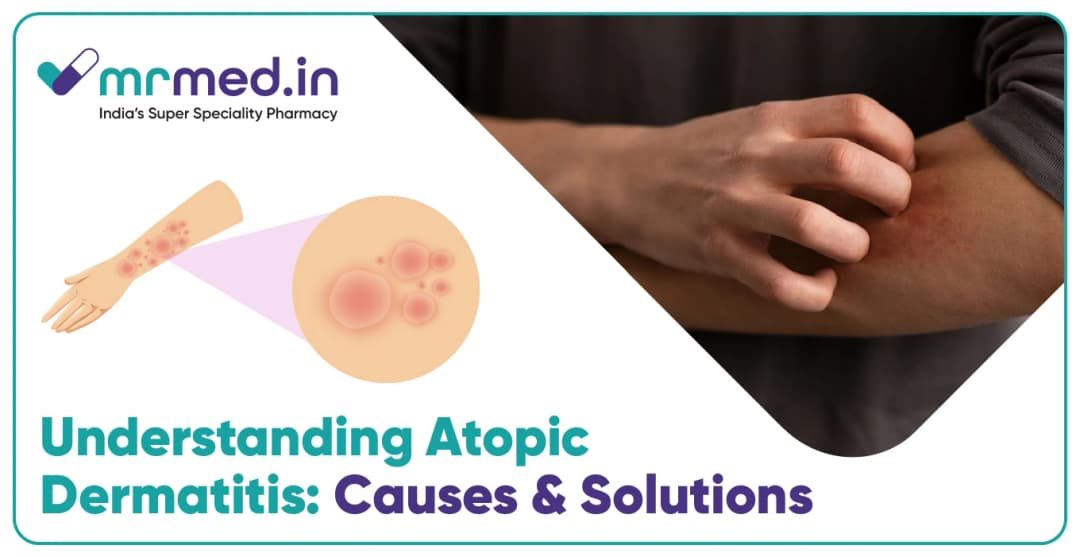
What is atopic dermatitis? Atopic dermatitis, commonly called eczema, is a chronic inflammatory skin disease that causes itchy, dry, and inflamed patches. Many people ask what atopic dermatitis is. It’s a condition where the skin barrier doesn’t work properly, leading to sensitivity, dryness, and irritation.
Though “eczema” is used broadly, atopic dermatitis is the most common type and usually starts in childhood but may persist or reappear in adulthood.
Difference Between Eczema and Dermatitis
-
Dermatitis simply means inflammation of the skin.
-
Eczema is a group of skin conditions, and atopic dermatitis is its most common form.
Who is Most at Risk?
-
Infants: Childhood eczema often appears in the first months of life.
-
Children & adolescents: Flare-ups are common during growth years.
-
Adults: Atopic dermatitis in adults can persist or reappear later in life.
-
Elderly: Thinner skin increases susceptibility.
Causes of Atopic Dermatitis
There isn’t one single cause. Eczema causes include:
-
Genetics: Runs in families with allergies or asthma.
-
Immune system dysfunction: Overreaction to triggers.
-
Environmental factors: Dust, pollen, pollution, and harsh soaps.
-
Lifestyle: Stress and poor skincare habits.
Symptoms & Diagnosis
Common Symptoms
Typical eczema symptoms are:
-
Intense itching (especially at night).
-
Dry, cracked, or scaly skin.
-
Red, inflamed patches.
-
Thickened skin from chronic scratching.
Atopic Dermatitis vs Psoriasis
Both are inflammatory skin conditions, but they differ in appearance and treatment.
-
Eczema: Itchy, red, sometimes oozing.
-
Psoriasis: Thick, silvery scales, well-defined plaques, less itching.
Understanding eczema vs psoriasis is key to proper care.
Stages of Atopic Dermatitis
-
Infant stage: Face, scalp, arms, legs.
-
Childhood stage: Elbows, knees, neck.
-
Adult stage: Hands, eyelids, flexures.
Diagnosis
Atopic dermatitis diagnosis involves:
-
Clinical exam.
-
Allergy patch or blood tests (IgE).
-
Rarely, a skin biopsy.
Treatment Options

Topical Treatments
The cornerstone of atopic dermatitis treatment:
-
Moisturisers & emollients (restore barrier).
-
Corticosteroid creams for flare-ups.
-
Calcineurin inhibitors for delicate areas.
-
The best cream for eczema is fragrance-free and rich in ceramides.
Oral Medications & Biologics
-
Dupilumab for eczema: A game-changer biologic.
-
Biologics for atopic dermatitis: New biologics in 2025 target immune pathways more precisely.
-
Short courses of oral steroids for severe flares.
Light Therapy
Phototherapy (UVB) is effective when topical medicines are ineffective.
Antibiotics & Antihistamines
-
Antibiotics for eczema infection.
-
Antihistamines for itching.
Lifestyle & Home Remedies
Skincare Routine
A gentle eczema skincare routine:
-
Short, lukewarm baths.
-
Mild cleansers.
-
Moisturise twice daily.
-
Avoid fragrances.
Diet and Eczema
The diet for eczema helps reduce flare frequency.
-
Eat: Omega-3, Probiotics, fruits, and vegetables.
-
Limit: Processed foods, dairy, and sugar (for sensitive individuals).
Stress and Flare-Ups
Stress is a powerful trigger. Relaxation, yoga, and sleep hygiene help prevent stress-driven flare-ups.
Home Remedies
Simple home remedies for eczema:
-
Oatmeal baths.
-
Coconut oil.
-
Aloe vera gel.
-
Wet wrap therapy for severe dryness.
These count as a natural treatment for atopic dermatitis
Triggers & Prevention
Environmental Triggers
Common eczema triggers: dust, soaps, detergents, smoke, and pollen.
Seasonal Eczema
-
Winter: Dryness worsens symptoms.
-
Summer: Heat and sweat cause irritation.
Preventing Flare-Ups in Children
How to prevent eczema flare ups includes:
-
Moisturise after bathing.
-
Keep nails trimmed.
-
Avoid scratchy fabrics.
Best Clothes for Eczema
Soft, breathable cotton is the best fabric for eczema. Avoid wool and synthetic fabrics.
Complications & Associated Conditions
Dr. Sharmila Tulpule, Senior Dermatologist, Mumbai, emphasises that Atopic dermatitis is not just skin deep; it impacts the immune system, daily functioning, and even mental health. The new generation of biologics in 2025 has transformed management, offering relief where traditional therapies fell short.”
Eczema is more than just itchy skin; it can affect overall health and quality of life.
Infections from Eczema
Scratching damages the skin, making it prone to eczema infection from:
-
Bacteria (Staphylococcus aureus).
-
Viruses (Herpes simplex, molluscum).
-
Fungi (Candida).
Sleep Problems
Constant itching often leads to poor sleep, daytime fatigue, and concentration issues.
Impact on Mental Health (Eczema Mental Health)
Living with eczema can impact mental health:
-
Higher risk of anxiety and depression.
-
Lower self-esteem, especially in visible areas (face, hands).
Eczema and Autoimmune Disorders
Some studies suggest links between atopic dermatitis and conditions like rheumatoid arthritis and inflammatory bowel disease. This is sometimes referred to as autoimmune eczema, though research is ongoing.
Other eczema complications
-
Chronic thickening of skin.
-
Scarring from repeated scratching.
-
Reduced quality of life.
Living with Atopic Dermatitis
Living with Atopic Dermatitis can be challenging, as the constant itch, skin irritation, and flare-ups often interfere with sleep, daily activities, and emotional well-being. The impact can be particularly distressing for children, who may struggle with confidence and social interactions. Adults, too, may face workplace stress and stigma due to visible skin symptoms.
Support, Awareness, and Global Health Priorities
Raising awareness is key to reducing stigma and ensuring access to treatment. Globally, health organisations stress the importance of affordable therapies, education, and early intervention to improve the quality of life for patients with eczema.
FAQs
1. Is eczema curable?
No, but it can be controlled with treatments and lifestyle.
2. What is the best cream for eczema?
Ceramide-rich, fragrance-free moisturisers are best.
3. Can food trigger eczema?
Yes. Dairy, gluten, and processed foods can trigger flare-ups in some people.
4. Can eczema cause infections?
Yes. Scratching increases the risk of bacterial, viral, or fungal infections.
5. Is atopic dermatitis genetic?
Yes, family history plays a major role.
Final Thoughts
Atopic dermatitis affects millions globally, but it can be managed with the right approach. Understanding causes, recognising eczema symptoms, and seeking timely atopic dermatitis treatment are key. Combining medical therapies, an eczema skincare routine, stress management, and lifestyle changes helps prevent flare-ups.
While eczema complications like infections, mental health issues, and autoimmune eczema are possible, awareness and early care reduce these risks. With biologics like dupilumab for eczema and innovative therapies in 2025, patients have more control over their condition than ever before.
Living with eczema is a journey, but one that can be navigated with knowledge, care, and support.
Read also
References
-
https://www.mayoclinic.org/diseases-conditions/atopic-dermatitis-eczema/symptoms-causes/syc-20353273
-
https://my.clevelandclinic.org/health/diseases/24299-atopic-dermatitis
Disclaimer: The content in this blog is for general informational purposes only and is not a substitute for professional medical advice, diagnosis, or treatment. Always consult your doctor or a registered dietitian before making any changes to your diet, especially if you have a medical condition or are taking prescribed medication. While the information is based on trusted sources, individual needs and results may vary. MrMed does not promote or endorse any specific food or treatment mentioned unless explicitly stated.












Comments