

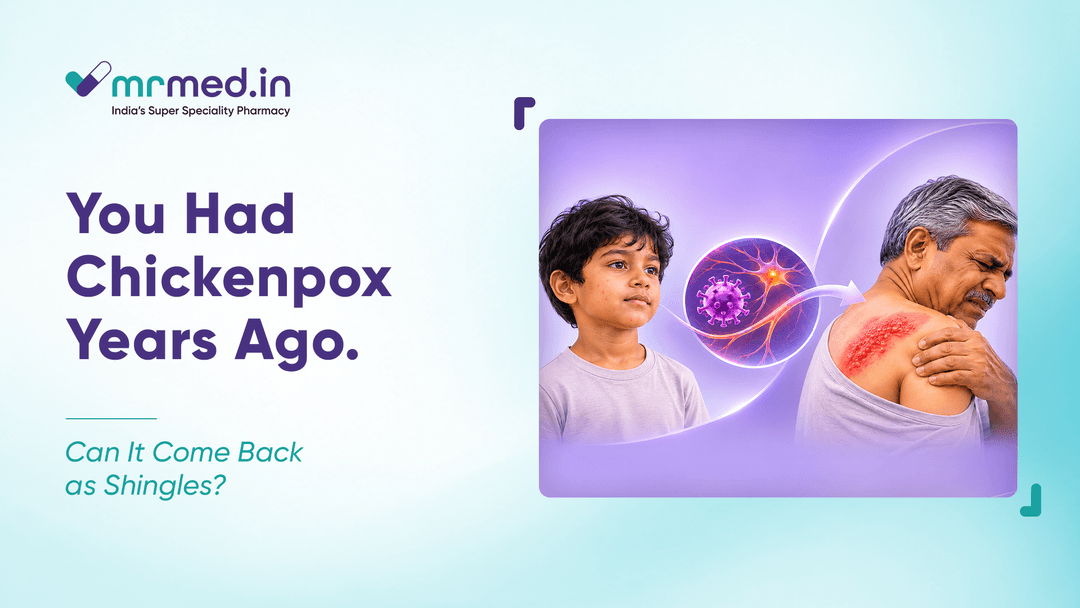
You Had Chickenpox Years Ago. Can It Come Back as Shingles?





Last updated on 06 Nov 2026
Most of us remember chickenpox as an uncomfortable childhood experience. The itchy red spots, fluid-filled blisters and the days spent away from school are memories many would rather forget. Once the blisters healed, it seemed like the illness was finally behind us.
But what if the virus responsible for chickenpox never actually left your body?
Years after recovering from chickenpox, the same virus can become active again, causing an infection known as shingles, or herpes zoster. It can cause a painful, blistering rash, sometimes accompanied by nerve pain that continues long after the skin has healed.
This connection between chickenpox and shingles is something many adults are unaware of. It becomes particularly important with age, as the immune system gradually changes and becomes less effective at keeping certain dormant viruses under control.
Understanding this connection can help you recognise the early signs of shingles, understand your risk and explore ways to prevent it.
Key Takeaways
|
The Childhood Virus That Never Really Leaves
Chickenpox and shingles are caused by the same virus, called the varicella-zoster virus (VZV).
During the first infection, VZV causes chickenpox, which typically results in an itchy rash with fluid-filled blisters.
Although the infection usually resolves, the virus does not completely disappear from the body.
Instead, it enters a dormant (inactive) state in nerve cells, particularly in clusters of sensory nerves called dorsal root ganglia. It can remain there for years or even decades without causing symptoms.
After you have had chickenpox, the virus stays in the body for the rest of your life,” explains Dr Sandeep Budhiraja, Medical Director, Max Healthcare. He explains that years later, the virus can reactivate and travel along nerve pathways to the skin, causing the characteristic painful shingles rash.
So, can chickenpox come back as shingles? Yes, but it is important to understand that shingles is not a second episode of chickenpox. It is a different condition caused by the reactivation of the same virus.
Why Shingles Becomes More Common With Age
Having had chickenpox does not automatically mean you will develop shingles. The virus can remain inactive throughout a person's lifetime. However, the likelihood of reactivation increases with age.
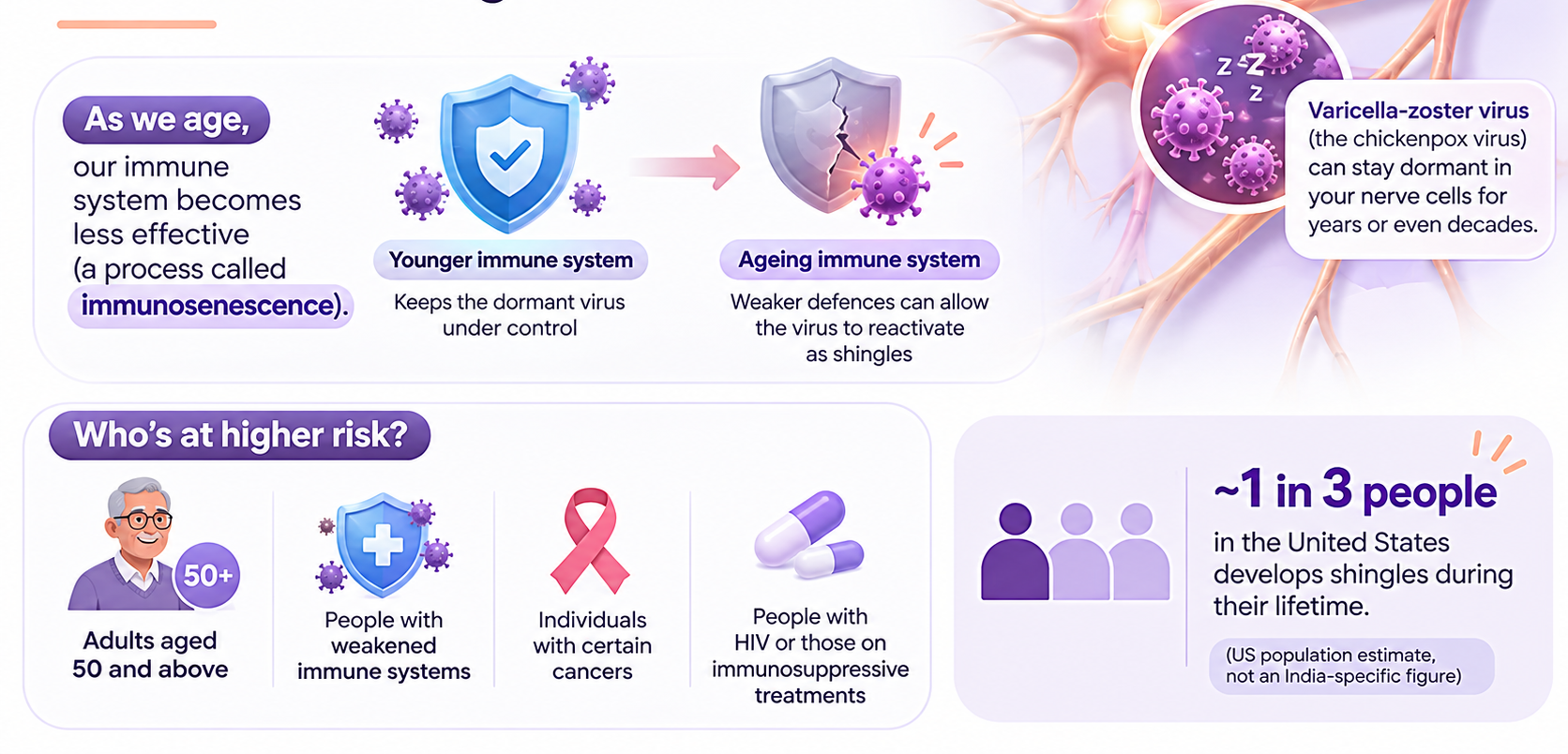
The important takeaway is that previous chickenpox infection remains relevant to your health even many years after recovery.
Early Signs and Symptoms of Shingles
One reason shingles can be overlooked initially is that the first symptoms may appear before the characteristic rash develops.
Some people experience unusual sensations in a particular area of the skin, which may initially be mistaken for muscle pain, irritation or another minor problem.
Early signs and symptoms of shingles include:
Tingling, itching or burning sensations in a specific area.
Sharp, shooting or stabbing nerve pain.
Increased skin sensitivity or numbness.
Headache, fever or general tiredness in some individuals.
A few days later, a rash may appear, usually on one side of the body or face. It often develops as a band or cluster of red patches containing small, fluid-filled blisters.
The blisters generally crust over within 7–10 days, although the skin may take around 2–4 weeks to heal.
Unlike the widespread itchy rash associated with chickenpox, shingles usually follows the pathway of an affected nerve and remains localised to one side of the body.
An important warning: A rash around the eye, forehead or nose needs urgent medical assessment because shingles involving the eye can threaten vision.
When the Pain Outlasts the Rash: Understanding Shingles Complications
For many people, shingles resolves within a few weeks. However, the effects can sometimes last much longer.
The most common complication is postherpetic neuralgia (PHN), a condition in which nerve pain continues even after the shingles rash has healed.
The affected nerves remain irritated or damaged, causing persistent pain in the area where the rash appeared.
Symptoms can look like this:
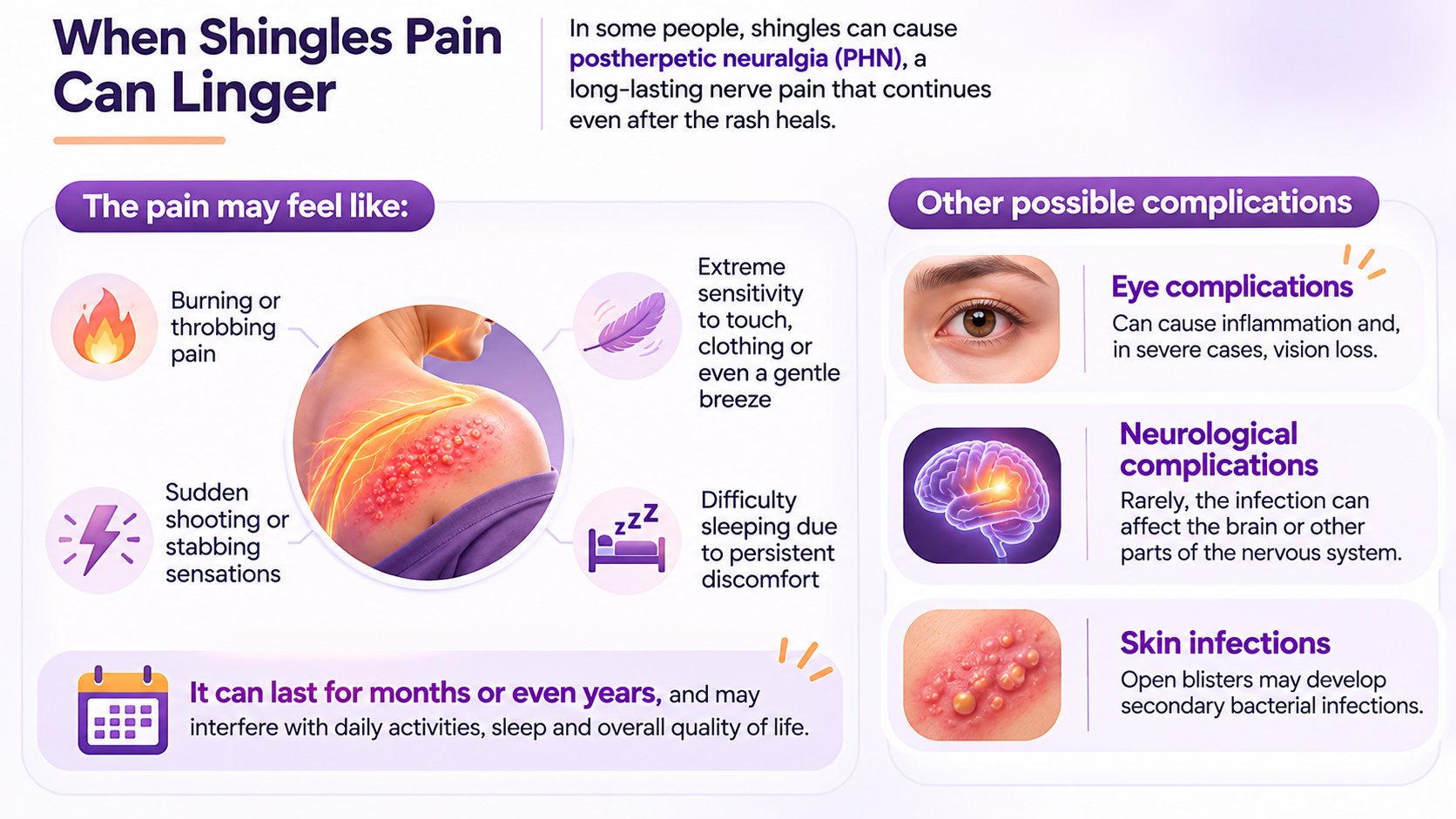
The risk of serious complications increases with age and is higher among people with weakened immune systems.
Chickenpox vs. Shingles: Understanding the Difference
Although both conditions are caused by the varicella-zoster virus, they are not the same illness. Understanding the difference helps explain why someone can experience shingles decades after recovering from chickenpox.
Feature | Chickenpox | Shingles |
Medical name | Varicella | Herpes zoster |
Cause | First infection with VZV | Reactivation of dormant VZV |
Common presentation | Widespread itchy rash | Painful, localised blistering rash |
Rash distribution | Usually across several body areas | Usually one side of the body or face |
Common age group | More common in children | More common in adults over 50 |
Pain | Usually itching is prominent | Nerve pain and burning are common |
Recurrence | Usually occurs once | Can occur more than once |
An important distinction concerns how these conditions spread. You cannot catch shingles itself from another person. However, someone with active shingles can transmit VZV through contact with fluid from the blisters to a person who has never had chickenpox or received the chickenpox vaccine.
That person may develop chickenpox, not shingles.
Keeping the rash covered, avoiding contact with the blisters and maintaining good hand hygiene can help reduce transmission.
Can You Prevent Shingles After Having Chickenpox?
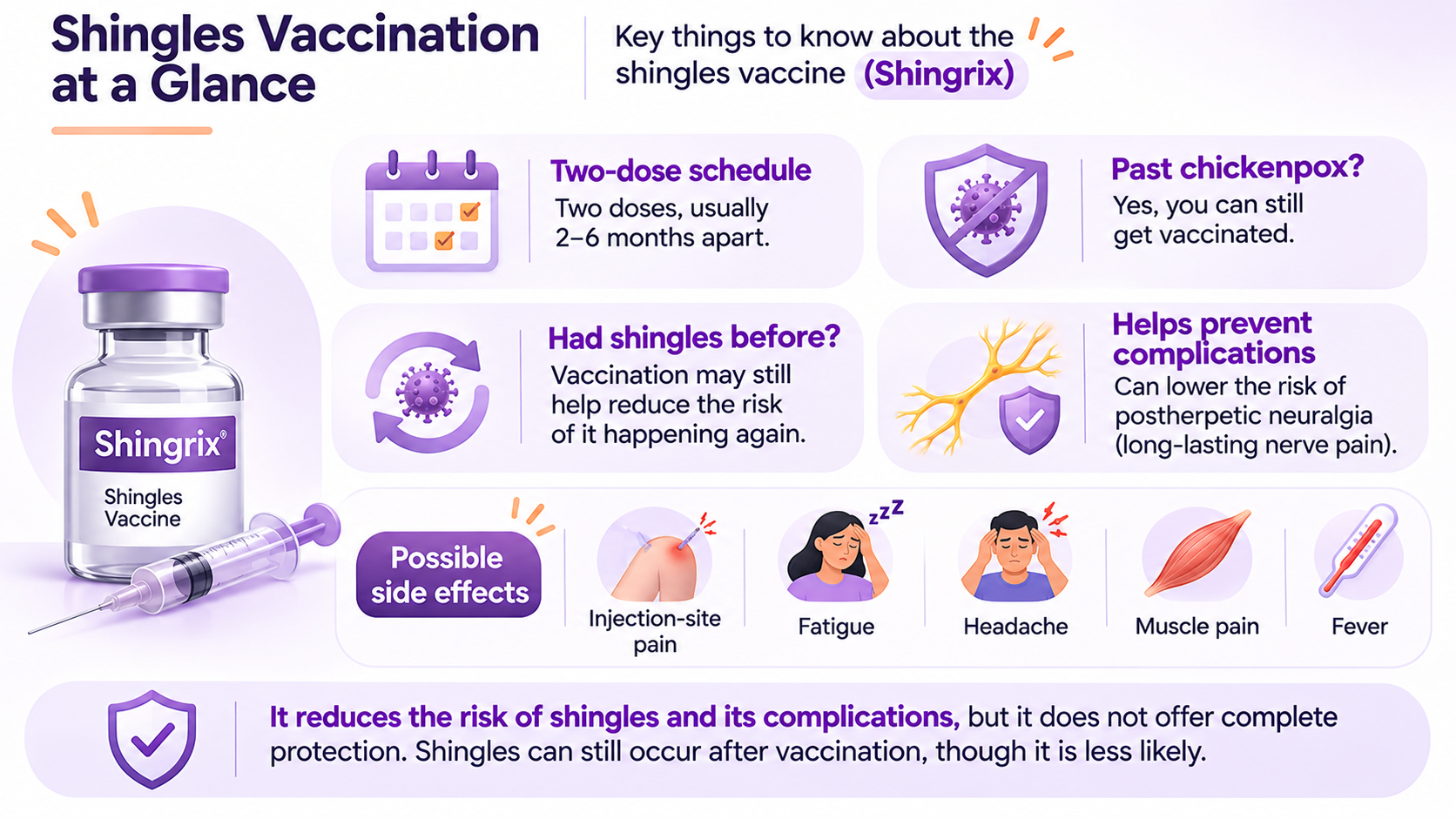
There's currently no way to get rid of the dormant VZV from the body, though vaccination is a very important way of reducing the risk of shingles and its complications.
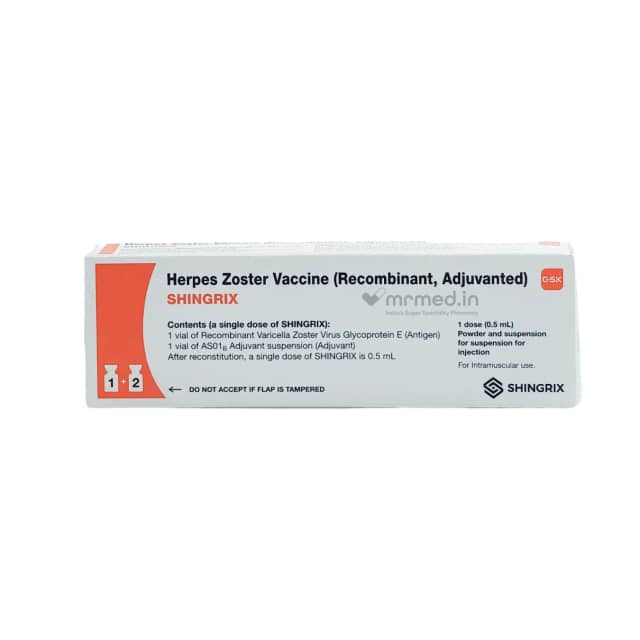
The Shingrix vaccine (also known as the recombinant zoster vaccine or RZV) is a non-live vaccine which is designed to protect against shingles. It does this by instructing the immune system to recognise a protein from the varicella zoster virus and thereby strengthen its ability to control reactivation.
Indian research has also gone some way to addressing the question of shingles prevention. A randomised, placebo-controlled Phase 3 study published in 2025 looked at the immune response and safety of the recombinant zoster vaccine in Indian adults 50 and over. 288 individuals were included in the study, and an immune response was seen following vaccination with an acceptable safety profile.
Again, this was a study of immunogenicity and safety rather than one looking at the actual incidence of shingles.
Conclusion
Recovery from chickenpox doesn't necessarily mean the virus is gone. It can remain dormant for decades and then reactivate later in life to cause shingles.
Recognise the early signs, understand the age-related risk factors and get medical attention at the right time, and you can make a difference in the management of the condition. For adults, particularly those over 50, talking to your doctor about the shingles vaccine is an important step in the way of prevention.
That childhood illness might be long behind us, but knowing what happens to the virus afterwards can go some way to helping you make more informed decisions about your own health.
FAQs
Q1. Can chickenpox come back as shingles years later?
Yes. The varicella zoster virus (the virus that causes chickenpox) can remain dormant in the nerve cells of the body for many years. When it reactivates, it causes shingles (herpes zoster), and this can occur many years after the initial chickenpox infection.
Q2. Is shingles caused by the same virus as chickenpox?
Yes. Both are caused by the varicella zoster virus (VZV). Chickenpox is the disease following the initial infection with the virus, shingles is the disease which occurs when the virus reactivates.
Q3. Can you get chickenpox twice?
The vast majority of people go on to develop lifelong immunity following a case of chickenpox, so a second episode is very rare. Reinfection is of course possible. Shingles is a different proposition entirely, as it is the result of the varicella zoster virus reactivating in the body.
Q4. Is shingles contagious to someone who has never had chickenpox?
A person cannot catch shingles from someone who has it. You can however, catch VZV from the fluid in the shingles blisters, which will cause chickenpox in someone who is not immune.
Q5. Can I still get shingles after being vaccinated?
Yes, shingles can occasionally occur after vaccination because the vaccine does not provide complete protection. However, Shingrix significantly reduces the risk of developing shingles and its complications. Speak to your doctor about vaccination eligibility and the recommended schedule.
Q6. Is shingles a sexually transmitted disease?
No. Shingles is not a sexually transmitted disease. It is caused by the reactivation of the varicella-zoster virus, which remains dormant in the body after a chickenpox infection.
Read also
References
Medical Disclaimer: This article is intended for general educational purposes and should not replace professional medical advice, diagnosis or treatment. Vaccination eligibility, treatment options and medical decisions should be discussed with a qualified healthcare professional.












Comments