







Sourced from:Manufacturer Authorized Distributor

Quick Summary
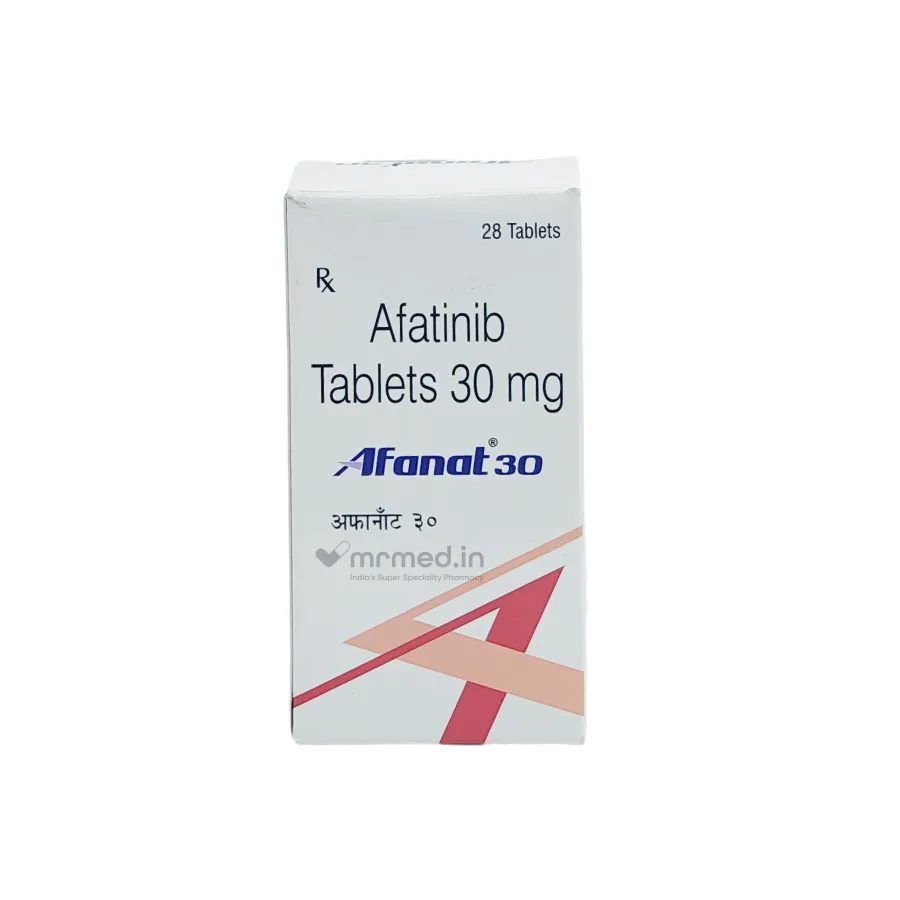
Afanat 30mg Tablet

Last updated on 09 Nov 2026 | 04:44 AM (IST)
₹2655
MRP: ₹3236.93
(You Save ₹581.93)
28 TABLET(s) IN A BOTTLE
Sourced from:Manufacturer Authorized Distributor

18% OFF
₹2655
MRP: ₹3,236.93
Inclusive of all taxes
18% Off



Dispatch: Today
Care delivered without the wait. Your order is prioritized for rapid dispatch to ensure it reaches your doorstep on time.
Substitutes
Afadel 30mg Tablet
ADLEY FORMULATI...
₹ 52.30/tablet
44% cheaper
Aftiways 30mg Tablet
ZEE LABORATORIE...
₹ 97.90/tablet
4% costlier
Afzanna 30mg Tablet
CELON LABORATOR...
₹ 153.32/tablet
62% costlier
Afasted 30mg Tablet
HALSTED PHARMA ...
₹ 55.00/tablet
41% cheaper
Better Service Satisfied Customers
Patient Assistance Programs
Get financial assistance directly from pharma companies and cover your cost of medicines or get free medicines for the eligible patient with patient assistance programs (PAP). We provide proper guidance assistance to patients getting enrolled in the patient assistance program.
Introduction
Afanat 30mg Tablet contains Afatinib (as afatinib dimaleate), a targeted anticancer medicine that belongs to a group of medicines called tyrosine kinase inhibitors. It is made by Natco Pharma and is supplied as a bottle of 28 tablets. It is used in adults with certain types of non-small cell lung cancer (NSCLC).
Afanat 30mg is a lower-dose strength. The usual recommended dose of afatinib is 40 mg once daily. The 30 mg strength may be prescribed when the dose needs to be reduced because of side effects, or in people with severe kidney impairment. Your oncologist decides the dose that is right for you.
Uses of Afanat 30mg Tablet
Afanat 30mg Tablet is used to treat:
First-line treatment of metastatic NSCLC: In adults whose tumours have certain non-resistant EGFR gene mutations, confirmed by a test.
Metastatic squamous NSCLC: In adults whose cancer has progressed after platinum-based chemotherapy.
Dose-adjusted treatment: The 30 mg strength allows treatment to continue at a lower dose when needed to manage side effects or severe kidney impairment.
The safety and effectiveness of afatinib have not been established in tumours with resistant EGFR mutations.
How Afanat 30mg Tablet Works
Afanat 30mg Tablet contains afatinib, which irreversibly binds to EGFR (ErbB1), HER2 (ErbB2) and HER4 (ErbB4). These are proteins on the surface of cells that send growth signals. Certain EGFR mutations keep these signals switched on and drive cancer growth.
By blocking these signals, afatinib helps slow or stop the growth and spread of the cancer cells.
Interaction of Afanat 30mg Tablet with Other Medicines
Tell your oncologist about all prescription medicines, over-the-counter medicines, vitamins and herbal products you take before starting Afanat.
P-gp inhibitors: Medicines such as ritonavir, ciclosporin, ketoconazole, itraconazole, erythromycin, verapamil, quinidine, tacrolimus, nelfinavir, saquinavir and amiodarone can increase afatinib levels. Your doctor may reduce the dose if side effects are not tolerated.
P-gp inducers: Medicines such as rifampicin, carbamazepine, phenytoin, phenobarbital and St. John’s wort can lower afatinib levels. Your doctor may increase the dose.
NSAIDs, corticosteroids and anti-angiogenic medicines: These may increase the risk of a tear in the stomach or intestine. Tell your oncologist before taking painkillers such as ibuprofen.
Food: A high-fat meal reduces how much afatinib your body absorbs, so Afanat must be taken on an empty stomach.
Other cancer treatments and supplements: Tell your oncologist about any other cancer treatment and any supplements you use.
Storage Conditions
Store Afanat 30mg Tablet at 20°C to 25°C. Short periods between 15°C and 30°C are acceptable.
Keep the tablets in the original bottle to protect them from high humidity and light.
Keep the bottle tightly closed.
Keep out of the reach of children and pets.
Dispose of unused or expired tablets safely, as advised by your pharmacist.
How to Use Afanat 30mg Tablet
Take Afanat 30mg Tablet exactly as prescribed by your oncologist. Take it once a day at the same time each day, on an empty stomach, at least 1 hour before or 2 hours after a meal. Swallow the tablet whole with water.
Treatment continues until the cancer progresses or you can no longer tolerate it. Do not stop without your doctor’s advice.
If you miss a dose, take it when you remember, unless your next dose is due within 12 hours. In that case, skip the missed dose. Never take two doses together.
Your doctor may lower the dose in steps of 10 mg or pause treatment if you have severe side effects such as diarrhoea or skin reactions.
An anti-diarrhoeal medicine such as loperamide is usually prescribed. Start it at the first loose stool as advised and keep drinking fluids.
Regular blood tests, including liver function tests, are needed during treatment.
Safety Advice

Pregnancy
Afanat can harm an unborn baby. Women who can become pregnant should use effective contraception during treatment and for at least 2 weeks after the last dose. Tell your doctor straight away if you become pregnant.

Breast Feeding
Afatinib was found in the milk of animals, and it is not known whether it passes into human milk. Because it may harm the baby, do not breastfeed during treatment and for 2 weeks after the last dose.
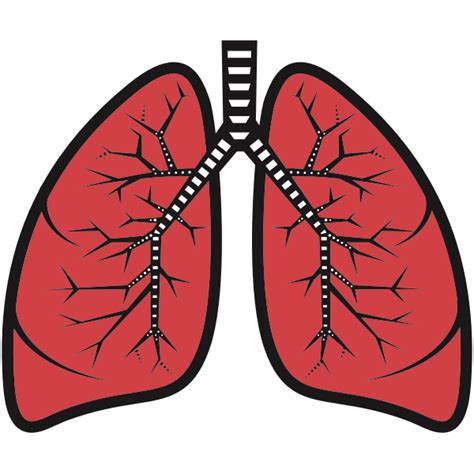
Lungs
Afatinib can cause interstitial lung disease, an inflammation of the lungs that can be serious. Tell your doctor about any lung or breathing problems other than your lung cancer, and report new or worsening shortness of breath, cough or fever immediately.
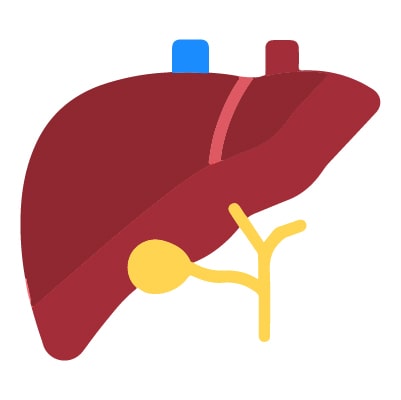
Liver
Liver test abnormalities are common, and rarely serious liver damage can occur. Your doctor will check your liver function regularly. People with mild or moderate liver impairment do not need a change in starting dose, while severe liver impairment has not been studied and needs close monitoring.

Alcohol
The product information does not list a direct interaction with alcohol. Alcohol can worsen nausea, diarrhoea and dehydration, and it adds to the load on the liver. Ask your oncologist whether you can drink alcohol.

Driving
Afanat can cause eye problems such as redness, pain or blurred vision. If you have vision problems or feel unwell, do not drive or use machines until the symptoms settle.
Side Effects
Common side effects of Afanat 30mg Tablet may include:
Diarrhoea
Rash or acne-like skin reactions
Mouth sores
Nail infections around the nail bed
Dry skin
Itching
Decreased appetite
Nausea
Vomiting
Diarrhoea occurs in most people taking afatinib. Tell your doctor early so it can be managed.
Serious side effects
Seek medical attention if you develop:
Severe or persistent diarrhoea with signs of dehydration, such as dry mouth, dizziness or passing less urine.
Severe skin reactions, such as blistering, peeling or blisters in the mouth.
New or worsening cough, shortness of breath or fever, which can be signs of lung inflammation.
Yellowing of the skin or eyes, dark urine, pain in the upper right abdomen or easy bruising, which can be signs of liver problems.
Severe stomach pain, which can be a sign of a tear in the stomach or intestine.
Eye pain, redness, sensitivity to light or blurred vision.
Shortness of breath, swollen ankles or legs, palpitations or sudden weight gain, which can be signs of heart problems.
Expert Tips
Take Afanat on an empty stomach, at least 1 hour before or 2 hours after a meal.
Start your anti-diarrhoeal medicine at the first loose stool as advised, and drink plenty of fluids.
Look after your skin. Use a moisturiser, wear protective clothing and sunscreen, and treat rashes early.
Tell your doctor if you have dry eye or wear contact lenses, and report any eye symptoms straight away.
Tell your doctor if you have a history of stomach ulcers or diverticular disease, and do not take NSAIDs or steroids unless prescribed.
Keep your appointments for blood tests and liver checks.
Report new breathing problems immediately.
Use effective contraception during treatment and for at least 2 weeks after the last dose.
Do not change your dose or stop treatment without your oncologist’s advice.
FAQs
Q1.
What is Afanat 30mg Tablet used for?
Afanat 30mg Tablet contains afatinib and is used in adults to treat metastatic non-small cell lung cancer with certain EGFR mutations, and metastatic squamous lung cancer that has progressed after platinum-based chemotherapy.
Q2.
Why have I been prescribed the 30mg strength?
The usual dose of afatinib is 40 mg once daily. A 30 mg dose is used when the dose is reduced to manage side effects, or in people with severe kidney impairment. Your oncologist decides the dose that is right for you.
Q3.
How should I take Afanat 30mg Tablet?
Take one tablet once a day at the same time each day, on an empty stomach, at least 1 hour before or 2 hours after a meal. Swallow it whole with water.
Q4.
Do I need a test before starting Afanat?
For first-line treatment, your doctor will test your tumour for EGFR mutations to check that Afanat is suitable for you.
Q5.
Is Afanat chemotherapy or immunotherapy?
No. Afanat is a targeted therapy that belongs to the kinase inhibitor group. It acts on specific growth signals in cancer cells and is not conventional chemotherapy or immunotherapy.
Q6.
What should I do if I miss a dose of Afanat 30mg Tablet?
Take it as soon as you remember, unless your next dose is due within 12 hours. In that case, skip the missed dose and take the next one at the usual time. Do not take two doses together.
Q7.
How long will I need to take Afanat?
Treatment usually continues until the cancer progresses or you can no longer tolerate it. Your oncologist will review your response regularly.
Q8.
Can I use Afanat during pregnancy or breastfeeding?
No. Afanat can harm an unborn baby and may harm a breastfed baby. Use effective contraception during treatment and for at least 2 weeks after the last dose, and do not breastfeed during that time.
Fact Box
Molecule name | Afatinib dimaleate |
Therapeutic class | Anticancer |
Pharmacological class | Tyrosine kinase inhibitor |
Indications | Non-small cell lung cancer (NSCLC) |
References
Disclaimer
MrMed’s primary intention is to ensure that its consumers get information that is reviewed by experts, accurate and trustworthy. The information and contents of this website are for informational purposes only. They are not intended to be a substitute for professional medical advice, diagnosis, or treatment. Please seek the advice of your doctor and discuss all your queries related to any disease or medicine. Do not disregard professional medical advice or delay in seeking it because of something you have read on MrMed. Our mission is to support, not replace, the doctor-patient relationship.
Did you find this information helpful?
Author Details

Written By
Vishishta
M.Sc Microbiology

Reviewed By
Dr. Tejashwin Adiga
MBBS
Last updated : 09 Nov 2026 | 04:44 AM (IST)

Want to know more?
Read Our Editorial Policy