
Quick Summary
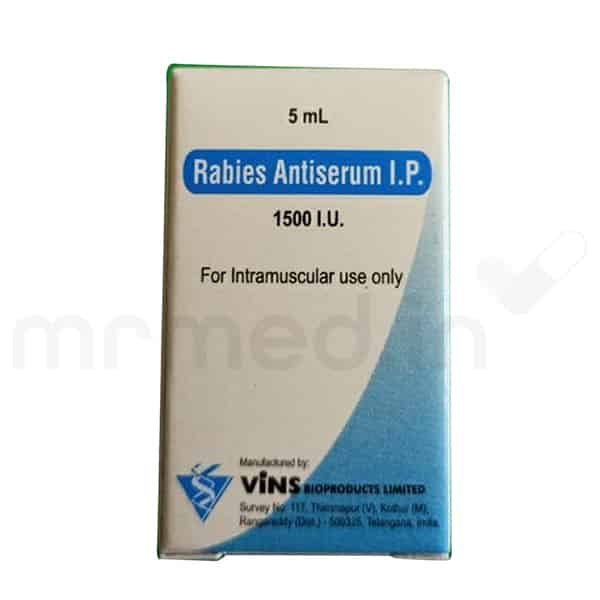
Rabies Antiserum Injection


Last updated on 26 Sep 2026 | 08:43 AM (IST)
₹493
MRP: ₹609.38
(You Save ₹116.38)
1 VIAL(s) OF 5ML

Rabies Antiserum Injection

Salt Composition
RABIES ANTISERUMMarketer
VINS BIOPRODUCTS LTD
Prepaid Only. Non-Returnable.

19% OFF
₹493
MRP: ₹609.38
Inclusive of all taxes
19% Off


Salt Composition
RABIES ANTISERUMMarketer
VINS BIOPRODUCTS LTD
Prepaid Only. Non-Returnable.

Dispatch: Today
Care delivered without the wait. Your order is prioritized for rapid dispatch to ensure it reaches your doorstep on time.
Substitutes
Rabivax S Vaccine
SERUM INSTITUTE...
₹ 350.00/injection
29% cheaper
Equirab 1500IU Injection
BHARAT SERUMS &...
₹ 476.00/injection
3% cheaper
Rabipur Vaccine
GLAXO SMITHKLIN...
₹ 272.00/injection
44% cheaper
Introduction to Rabies Antiserum Injection
Rabies antiserum injection contains active components called rabies antiserum. It belongs to the drug class as Immunoglobulin. It is also known as rabies immune-globulin (Rabies antiserum injection) or rabies immune serum. It is a medical treatment used to prevent the development of rabies in individuals who have been exposed to the rabies virus. One of the most significant advantages of Rabies antiserum injection is that it provides immediate passive immunity against the rabies virus. It is a crucial component of post-exposure prophylaxis (PEP) for individuals who have been bitten, scratched, or otherwise exposed to a potentially rabid animal. Neutralizing the rabies virus at the exposure site can help prevent it from entering the nervous system and progressing to symptomatic rabies.
Individuals with a known history of severe allergic reactions (anaphylaxis) to any component of the Rabies antiserum injection or any previous rabies vaccination should not receive the Rabies antiserum injection. Suppose an individual has previously completed a full course of rabies vaccination (pre-exposure prophylaxis). In that case, they may not require it in the event of a subsequent exposure, as their immune system should already have an antibody response to the rabies virus. Always consult a healthcare provider before using it in old age and children.
Uses of Rabies Antiserum Injection
Rabies antiserum injection is used in the following:
- Post-exposure prophylaxis of rabies infection.
Therapeutic Effects of Rabies Antiserum Injection
Rabies antiserum injection provides immediate protection through pre-formed antibodies that neutralize the rabies virus at the exposure site. This prevents the virus from entering nerve cells and allows the individual's immune system to generate antibodies through vaccination, ultimately preventing rabies infection.
Interaction of Rabies Antiserum Injection with other drugs
Inform the doctor about your medicines, including prescription, over-the-counter, nutritional or vitamin supplements, and herbal products. Certain medications may interact with Rabies antiserum injection, reducing effectiveness by causing undesirable side effects.
More Information about Rabies Antiserum Injection
- Stored at room temperature from 2°C to 8°C.
- Keep away from moisture, heat, and light.
- It should not be frozen.
- Keep away from children and pets.
How to consume Rabies Antiserum Injection
Rabies antiserum injection is typically administered through the intramuscular (IM) route. It is injected directly into the muscle, usually at or near the site of potential rabies exposure, to provide immediate passive immunity against the rabies virus. Always consult with a healthcare professional for proper administration guidance based on the specific circumstances of exposure.
Safety Advice for Rabies Antiserum Injection

Breast Feeding
The antibodies are not significantly excreted in breast milk in significant amounts. Breastfeeding women should consult a health care provider before using Rabies antiserum injection.

Alcohol
Alcohol consumption is generally unsafe while receiving Rabies antiserum injection as it can impair the immune system's response to the vaccine, potentially reducing its effectiveness.

Liver
Rabies antiserum injection is generally safe for individuals with liver conditions, as it does not require processing by the liver. Consult a healthcare provider if you have any liver dysfunction.

Lungs
Rabies antiserum injection and vaccination are typically safe for individuals with lung conditions. If you have respiratory issues or lung conditions, consult a healthcare provider before using it.

Driving
You may experience side effects such as pain or discomfort at the injection site after receiving Rabies antiserum injection. Always consult a healthcare provider before using it before driving.

Pregnancy
It is important to consult a healthcare provider before using Rabies antiserum injection, as its safety during pregnancy is unknown. The benefits of preventing rabies must outweigh any potential risks to the fetus.
Side Effects of Rabies Antiserum Injection
Rabies antiserum injection causes some side effects like all medications, although not everyone will experience them.
Serious
- Severe allergic reactions
Common
- Allergic reactions
- Neurological side effects
- Other serious reactions
Word of Advice
Before taking Rabies antiserum injection, inform your healthcare provider if you have any allergies, especially to medications used in rabies treatment, as severe allergies may require special consideration. Additionally, if you have conditions that weaken your immune system, like HIV, or if you are taking medications that suppress immunity, it's important to know that the rabies vaccine may not work as effectively, so discuss this with your healthcare provider. If you are pregnant or breastfeeding, you must talk with your healthcare provider before starting rabies treatments. They will assess the risks and benefits to determine the best course of action for your specific situation.
If you have liver or kidney issues, inform your healthcare provider, as this may impact your treatment plan. After receiving rabies treatment, it's advisable to avoid alcohol consumption for a period. If you experience any pain or discomfort at the injection site, it's best not to drive immediately after the treatment. If you have clotting disorders or multiple bite wounds, exercise extra caution, as there may be a higher risk of bleeding at the injection sites. Always consult your healthcare provider for personalized advice, as rabies is a serious concern, and timely and appropriate treatment is essential to ensure your safety.
FAQs about Rabies Antiserum Injection
Q1.
What is the source of rabies antibodies in Rabies antiserum injection?
Rabies antibodies in Rabies antiserum injection are typically derived from the blood plasma of individuals or animals immunized against rabies. The antibodies are purified and concentrated for medical use.
Q2.
Can Rabies antiserum injection be used as a substitute for rabies vaccination?
No, Rabies antiserum injection is not a substitute for rabies vaccination. Both treatments are essential components of post-exposure prophylaxis (PEP), and they work together to provide comprehensive protection. It provides immediate immunity, while the vaccine offers long-term protection.
Q3.
Are there any age restrictions for receiving Rabies antiserum injections?
Rabies antiserum injection can be administered to individuals of all ages, including children and the elderly, depending on the specific circumstances of rabies exposure. Doses and treatment plans may be adjusted based on age and weight.
Q4.
What should I do if I experience side effects after receiving a Rabies antiserum injection?
If you experience any unusual or severe side effects after receiving a Rabies antiserum injection, seek immediate medical attention. Healthcare providers are trained to manage and treat adverse reactions promptly.
Q5.
How long does the protection from Rabies antiserum injection last?
The protection provided by Rabies antiserum injection is immediate but relatively short-lived. It helps bridge the gap until the individual's immune system generates its antibodies through rabies vaccination. The vaccine offers long-term immunity.
Q6.
Can Rabies antiserum injection be administered multiple times if needed?
Yes, in cases where additional exposure to the rabies virus occurs or if there is a delay in initiating rabies vaccination, additional doses of Rabies antiserum injection can be administered as necessary.
Fact Box of Rabies Antiserum Injection
Molecule name: Rabies antiserum | Therapeutic class: Immune Serum |
Pharmacological class: Immunoglobulin | Indications: Post-exposure prophylaxis of rabies infection |
References
- Thomas Moulenat et al., Purified Vero Cell Rabies Vaccine (PVRV, Verorab®): A Systematic Review of Intradermal Use Between 1985 and 2019, Trop. Med. Infect. Dis., 2020, 5, 40, https://www.ncbi.nlm.nih.gov/pmc/articles/PMC7157209/pdf/tropicalmed-05-00040.pdf
- KD Tripathi, Vaccines, Antisera and lmmuneglobulins, Essentials of Medical Pharmacology, 8th Edition, 2019, 978-986.
- Kedrion Biopharma Inc., US Food and Drug Administration, [Revised on 2020] [Accessed on 11th September 2020],https://www.fda.gov/media/106795/downloa
Disclaimer
MrMed’s primary intention is to ensure that its consumers get information that is reviewed by experts, accurate and trustworthy. The information and contents of this website are for informational purposes only. They are not intended to be a substitute for professional medical advice, diagnosis, or treatment. Please seek the advice of your doctor and discuss all your queries related to any disease or medicine. Do not disregard professional medical advice or delay in seeking it because of something you have read on MrMed. Our mission is to support, not replace, the doctor-patient relationship.
Did you find this information helpful?
Author Details

Written By
Dr. Archana Gupta
BDS

Reviewed By
Dr. Tejashwin Adiga
MBBS
Last updated : 26 Sep 2026 | 08:43 AM (IST)

Want to know more?
Read Our Editorial Policy