Sourced from:Manufacturer Authorized Distributor

Quick Summary
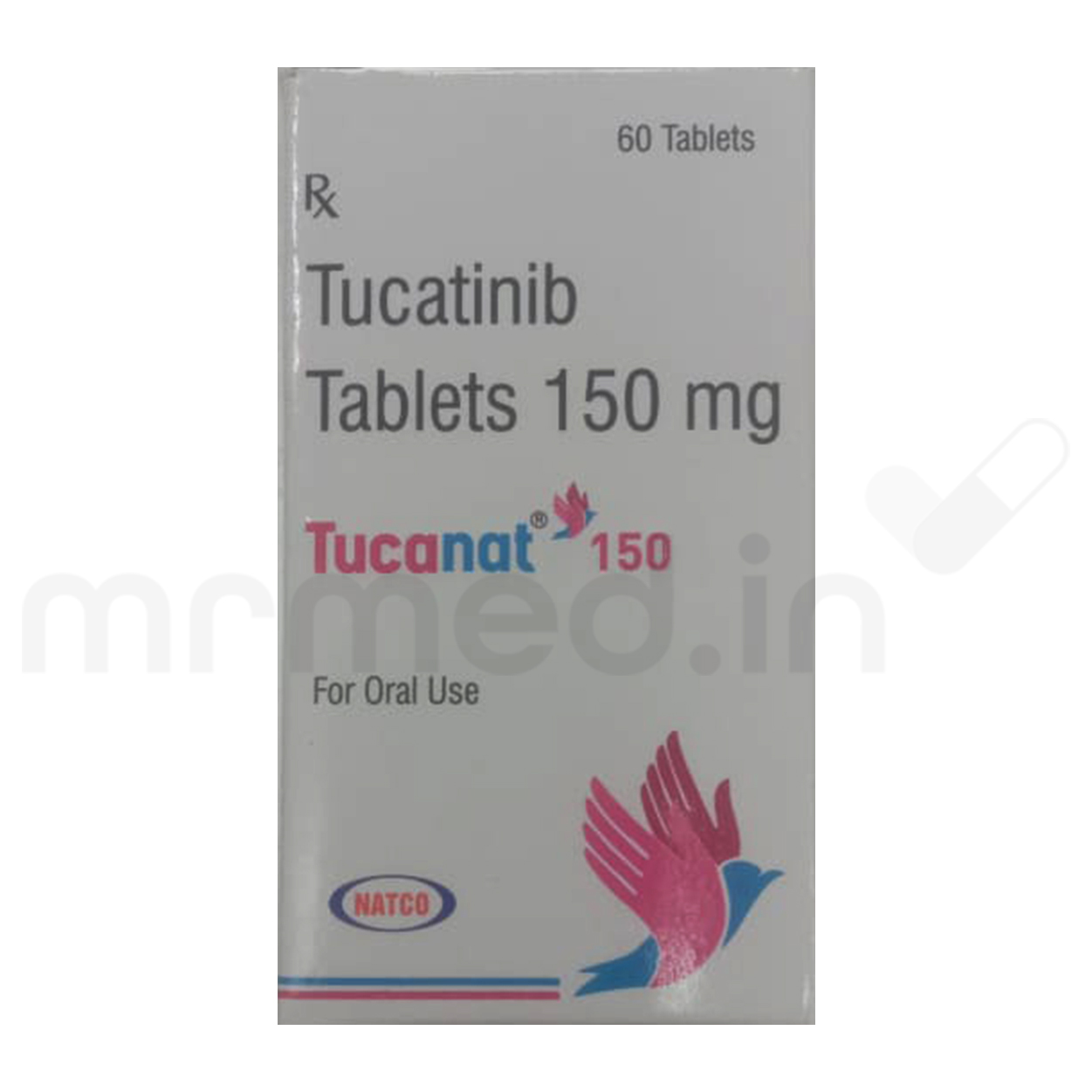
Tucanat 150mg Tablet

Last updated on 22 Oct 2026 | 09:15 AM (IST)
₹29828
MRP: ₹45000
(You Save ₹15172)
60 TABLET(s) IN A BOTTLE
Sourced from:Manufacturer Authorized Distributor

34% OFF
₹29828
MRP: ₹45,000.00
Inclusive of all taxes
34% Off



Dispatch: Today
Care delivered without the wait. Your order is prioritized for rapid dispatch to ensure it reaches your doorstep on time.
Substitutes
Tucaliv 150mg Tablet
HETERO HEALTHCA...
₹ 416.63/tablet
16% cheaper
Tukavo 150mg Tablet
ZYDUS CADILA
₹ 505.00/tablet
2% costlier
Tuccatinn 150mg Tablet
BDR PHARMACEUTI...
₹ 583.92/tablet
18% costlier
Tucator 150mg Tablet
TORRENT PHARMAC...
₹ 620.40/tablet
25% costlier
Better Service Satisfied Customers
Introduction
Tucanat 150mg Tablet contains tucatinib, a targeted anticancer medicine belonging to the tyrosine kinase inhibitor class. It is used in combination with trastuzumab and capecitabine to treat adults with HER2-positive locally advanced unresectable or metastatic breast cancer, including breast cancer that has spread to the brain.
Tucatinib selectively blocks HER2 signalling, a pathway that helps HER2-positive cancer cells grow and survive. Tucanat is an oral targeted therapy and should be used under the supervision of an oncologist.
Uses of Tucanat 150mg Tablet
Tucanat 150mg Tablet is used for:
HER2-positive locally advanced unresectable or metastatic breast cancer: It is used in combination with trastuzumab and capecitabine after previous HER2-directed treatment.
HER2-positive breast cancer with brain metastases: Tucatinib-containing treatment can be used when breast cancer has spread to the brain.
Tucanat is used as part of a combination treatment regimen and should not be used alone for these indications.
How Tucanat 150mg Tablet Works
Tucanat 150mg Tablet contains tucatinib, a tyrosine kinase inhibitor that selectively targets the HER2 protein.
HER2 is a receptor involved in signals that promote cancer cell growth and survival. Tucatinib blocks HER2 signalling, which can slow the growth and spread of HER2-positive cancer cells.
Tucatinib can also reach the central nervous system and has demonstrated activity in patients with HER2-positive breast cancer that has spread to the brain. It is used together with trastuzumab and capecitabine as part of the recommended treatment regimen.
Interaction of Tucanat 150mg Tablet with Other Medicines
Tell your doctor about all prescription medicines, over-the-counter medicines, vitamins and herbal supplements you take.
Strong CYP3A or CYP2C8 inducers: Medicines such as rifampicin can reduce tucatinib levels and may reduce its effectiveness. Concomitant use should generally be avoided.
Strong CYP2C8 inhibitors: Medicines such as gemfibrozil can increase tucatinib levels and may increase the risk of side effects. Your doctor may avoid the combination or adjust the dose.
CYP3A substrates: Tucatinib can increase the levels of some medicines metabolised by CYP3A and may increase their toxicity. Tell your doctor if you take medicines with a narrow therapeutic range.
P-glycoprotein substrates: Tucatinib can increase the levels of certain P-gp substrate medicines, such as digoxin. Additional monitoring or dose adjustment may be required.
Storage Conditions
Store Tucanat 150mg Tablet below 30°C.
Keep the tablets in their original packaging and protect them from moisture.
Keep the medicine out of the reach of children.
Do not use the tablets after the expiry date printed on the packaging.
How to Use Tucanat 150mg Tablet
Take Tucanat 150mg Tablet exactly as prescribed by your oncologist.
The usual recommended dose of tucatinib is 300mg twice daily, equivalent to two 150mg tablets twice a day. It is taken approximately 12 hours apart and may be taken with or without food.
Swallow the tablets whole with water. Do not crush, chew or break them.
Tucatinib is given together with trastuzumab and capecitabine. Follow the dosing schedule provided by your oncologist for all three medicines.
If you vomit after taking a dose, do not take another dose to replace it. Take the next dose at the usual scheduled time.
If you miss a dose, take it when you remember if it is less than 6 hours late. If it has been more than 6 hours, skip the missed dose and take the next dose at the usual time. Do not take two doses at the same time.
Do not change the dose or stop treatment without medical advice.
Safety Advice

Pregnancy
Tucatinib may cause harm to the developing baby. Women who can become pregnant should use effective contraception during treatment and for at least 1 week after the last dose. Men with female partners who can become pregnant should also use effective contraception during treatment and for at least 1 week after the last dose.

Breast Feeding
Breastfeeding should be discontinued during treatment with tucatinib because it is not known whether tucatinib or its metabolites pass into human milk. Breastfeeding may be resumed 1 week after the last dose, according to product information.

Lungs
Tucatinib does not require specific precautions solely because of a lung condition. However, tell your doctor about any existing lung disease and report new or worsening breathing problems during treatment.

Liver
Tucatinib can cause increases in liver enzymes and bilirubin and may cause serious liver problems. Your doctor will monitor liver function during treatment.
Tell your doctor if you already have liver disease. Dose adjustment is required in severe hepatic impairment.

Alcohol
There is no specific alcohol interaction established with tucatinib. However, tucatinib can affect the liver, so discuss alcohol consumption with your oncologist, particularly if you have liver disease or abnormal liver function tests.

Driving
Tucatinib may cause fatigue, nausea or other symptoms that could affect alertness in some patients. Do not drive or operate machinery if you feel unwell, dizzy or unusually tired.
Side Effects
Common side effects may include:
Diarrhoea
Nausea
Vomiting
Mouth sores or stomatitis
Rash
Joint pain
Fatigue
Decreased appetite
Weight loss
Nosebleeds
Changes in liver enzymes or bilirubin
Some side effects can be caused by tucatinib or by the combination with trastuzumab and capecitabine.
Serious side effects
Contact your doctor promptly if you develop:
Severe or persistent diarrhoea, particularly if accompanied by weakness, dizziness or reduced urination
Liver problems, such as yellowing of the skin or eyes, dark urine, unusual tiredness or persistent nausea
Severe or persistent vomiting
Signs of a serious allergic reaction, such as swelling of the face or throat or difficulty breathing
Your doctor may temporarily stop treatment or reduce the dose if significant side effects occur.
Expert Tips
Tucanat should be taken exactly as prescribed by your oncologist and is normally used together with trastuzumab and capecitabine.
Take the two daily doses approximately 12 hours apart and try to take them at the same times each day.
Drink enough fluids if you develop diarrhoea and contact your doctor if it is severe or persistent.
Do not take an extra dose if you vomit after taking Tucanat.
Tell your doctor about every medicine, supplement and herbal product you use because tucatinib has clinically important medicine interactions.
Your doctor will monitor liver function during treatment. Attend all scheduled blood tests.
Tell your doctor promptly about yellowing of the skin or eyes, dark urine, severe diarrhoea or other concerning symptoms.
Do not stop Tucanat, trastuzumab or capecitabine without discussing it with your oncology team.
Tucatinib is prescription-only in India and should be used under the supervision of an oncologist.
FAQs
Q1.
What is Tucanat 150mg Tablet used for?
Tucanat 150mg Tablet contains tucatinib and is used with trastuzumab and capecitabine to treat HER2-positive locally advanced unresectable or metastatic breast cancer, including breast cancer that has spread to the brain.
Q2.
What is the usual dose of Tucanat 150mg Tablet?
The usual recommended tucatinib dose is 300mg twice daily, which corresponds to two 150mg tablets twice a day. Your oncologist may modify the dose depending on your condition, liver function, interactions or side effects.
Q3.
Can Tucanat 150mg Tablet be used for breast cancer that has spread to the brain?
Yes. Tucatinib-containing treatment is indicated for HER2-positive locally advanced or metastatic breast cancer, including patients with brain metastases. Clinical studies have also shown activity in patients whose breast cancer had spread to the brain.
Q4.
Is Tucanat 150mg Tablet a chemotherapy medicine?
No. Tucanat contains tucatinib, a targeted tyrosine kinase inhibitor. However, it is used in combination with other anticancer medicines, including capecitabine and trastuzumab, as prescribed by the oncologist.
Q5.
Can Tucanat 150mg Tablet be taken with food?
Yes. Tucatinib can be taken with or without food. Try to take each dose at approximately the same time each day.
Q6.
What should I do if I miss a dose of Tucanat 150mg Tablet?
If the missed dose is less than 6 hours late, take it when you remember. If more than 6 hours have passed, skip the missed dose and take the next dose at the usual time. Do not take two doses together.
Q7.
What should I do if I vomit after taking Tucanat 150mg Tablet?
Do not take another dose to replace the one you vomited. Take your next dose at the regularly scheduled time.
Q8.
Can Tucanat 150mg Tablet cause liver problems?
Yes. Tucatinib can increase liver enzymes and bilirubin and may cause liver injury. Your doctor will monitor your liver function during treatment. Tell your doctor if you develop yellowing of the skin or eyes, dark urine or unusual tiredness.
Q9.
Can Tucanat 150mg Tablet cause diarrhoea?
Yes. Diarrhoea is one of the common side effects of tucatinib and can sometimes be severe. Drink adequate fluids and contact your doctor if diarrhoea is severe, persistent or associated with signs of dehydration.
Fact Box
Molecule name: | Tucatinib |
Therapeutic class: | Anticancer agent |
Pharmacological class: | Tyrosine kinase inhibitor |
Indications: | HER2-positive locally advanced unresectable or metastatic breast cancer, including brain metastases |
References
Disclaimer
MrMed’s primary intention is to ensure that its consumers get information that is reviewed by experts, accurate and trustworthy. The information and contents of this website are for informational purposes only. They are not intended to be a substitute for professional medical advice, diagnosis, or treatment. Please seek the advice of your doctor and discuss all your queries related to any disease or medicine. Do not disregard professional medical advice or delay in seeking it because of something you have read on MrMed. Our mission is to support, not replace, the doctor-patient relationship.
Did you find this information helpful?
Author Details

Written By
Naina Boruah
MSc Biomedical Science

Reviewed By
Dr. Tejashwin Adiga
MBBS
Last updated : 22 Oct 2026 | 09:15 AM (IST)

Want to know more?
Read Our Editorial Policy