Sourced from:Manufacturer Authorized Distributor

Quick Summary
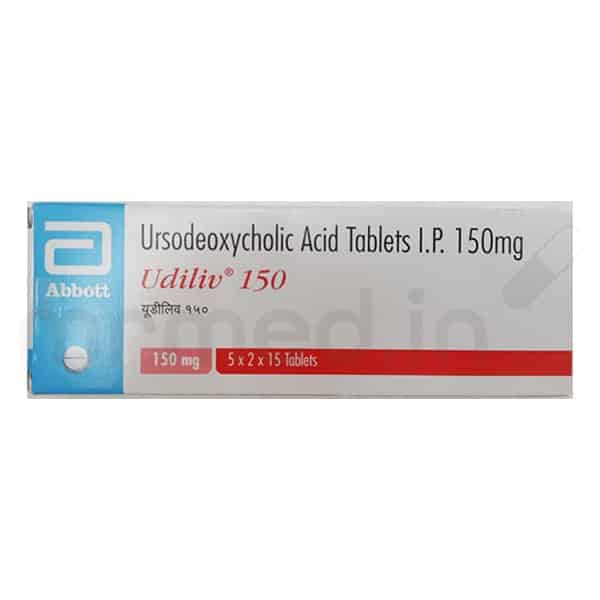
Udiliv 300mg Tablet

Last updated on 28 Oct 2026 | 06:04 AM (IST)
₹873
MRP: ₹1016.34
(You Save ₹143.34)
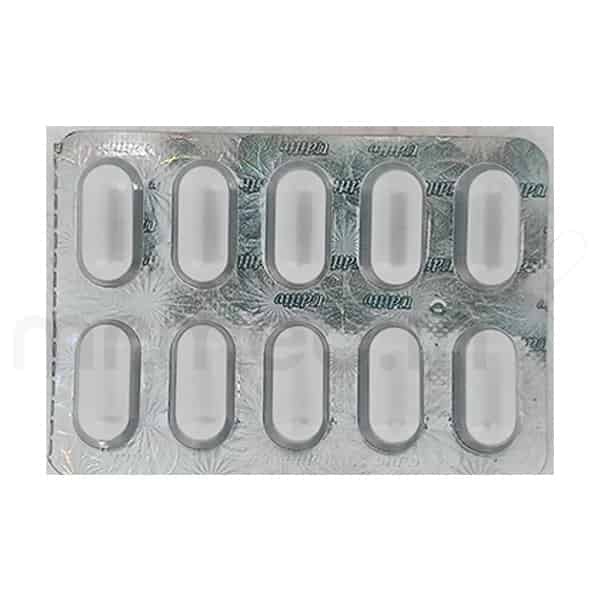
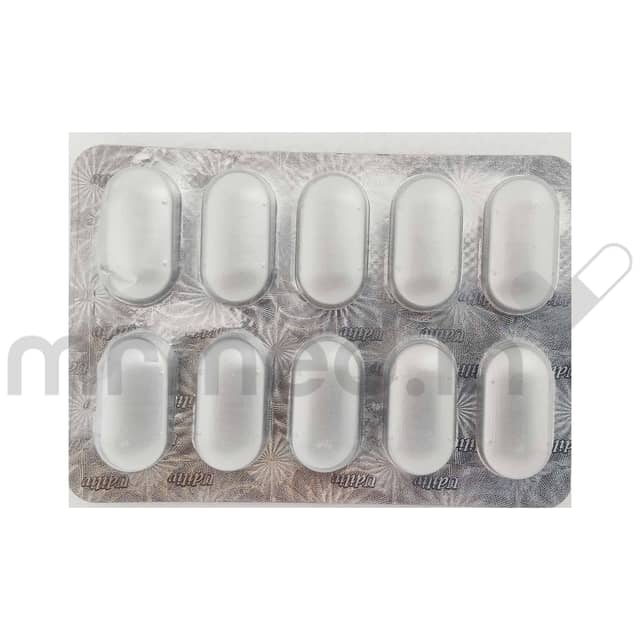
15 TABLET(s) IN A STRIP
Sourced from:Manufacturer Authorized Distributor


14% OFF
₹873
MRP: ₹1,016.34
Inclusive of all taxes
14% Off



Dispatch: Today
Care delivered without the wait. Your order is prioritized for rapid dispatch to ensure it reaches your doorstep on time.
Substitutes
Ursobiac 300mg Tablet
MYLAN PHARMACEU...
₹ 20.10/tablet
65% cheaper
Ursolieva 300mg Tablet
Allieva Pharma ...
₹ 29.30/tablet
49% cheaper
Urnoz 300mg Tablet
INGRAM BIOSCIEN...
₹ 31.20/tablet
46% cheaper
Uclick 300mg Tablet
SAMARTH LIFE SC...
₹ 32.40/tablet
44% cheaper
Better Service Satisfied Customers
Introduction
Udiliv 300mg Tablet (Udiliv 300 mg, marketed by Abbott) contains Ursodeoxycholic Acid 300 mg, also called ursodiol. It is a naturally occurring bile acid used for certain gallbladder and liver conditions. Udiliv 300 is used to dissolve small cholesterol gallstones, to treat primary biliary cholangitis (PBC) and to prevent gallstones during rapid weight loss. It is a prescription medicine.
Uses of Udiliv 300mg Tablet
Udiliv 300 mg Tablet is used to:
Dissolve cholesterol gallstones: It is used for small, non-calcified cholesterol stones in people with a working gallbladder, usually when surgery is not suitable or is declined.
Treat primary biliary cholangitis (PBC): This is a long-term liver disease in which the bile ducts are damaged. Ursodeoxycholic acid is a standard treatment.
Prevent gallstones during rapid weight loss: It lowers the chance of stones forming in people who are losing weight quickly.
Support children with liver and bile duct problems linked to cystic fibrosis: This is done only under specialist advice.
Udiliv will not dissolve calcified stones or stones that are not made of cholesterol.
How Udiliv 300mg Tablet Works
Ursodeoxycholic acid reduces the amount of cholesterol made by the liver and absorbed from the gut. This makes bile less likely to form cholesterol stones and allows existing cholesterol stones to dissolve slowly over months. In PBC it replaces harmful bile acids that build up, protects bile duct cells and helps bile flow.
Interaction of Udiliv 300mg Tablet with Other Medicines
Tell your doctor about all medicines, supplements and herbal products you take before starting Udiliv.
Cholestyramine, colestipol and aluminium-containing antacids: They reduce absorption of Udiliv. Take them at least 2 hours before or after Udiliv.
Oestrogens, oral contraceptives and clofibrate (and some other cholesterol-lowering medicines): They increase cholesterol in bile and can reduce the effect of Udiliv on gallstones. Use non-hormonal contraception if advised.
Ciclosporin: Udiliv can change its absorption, so your doctor may check its blood levels.
Ciprofloxacin: Absorption may be reduced in some cases.
Dapsone and nitrendipine: Their effect may be reduced.
Rosuvastatin: Its blood level may be slightly higher.
Storage Conditions
Store Udiliv 300mg Tablet at room temperature, ideally not above 25°C.
Keep the tablets in the original strip to protect them from moisture.
Keep the medicine out of the reach of children.
Follow any additional storage instructions printed on the product packaging.
How to Use Udiliv 300mg Tablet
Use Udiliv 300mg Tablet exactly as prescribed by your doctor.
The dose depends on your body weight and the condition being treated, so the number of tablets differs from person to person. Prescribing information gives doses of about 8 to 12 mg per kg of body weight per day for gallstone dissolution and about 13 to 15 mg per kg per day for PBC. Your doctor will work out your dose and may divide it across the day or advise taking it in the evening. Take it with food, swallowed whole with water.
Gallstone dissolution can take 6 to 24 months, with ultrasound checks along the way. PBC treatment may continue for a long time. Regular blood tests of liver function are needed, especially in the first months. Do not stop the medicine without your doctor’s advice. If you miss a dose, take it when you remember. If it is almost time for the next dose, skip the missed dose. Do not take two doses together.
Safety Advice
Pregnancy
Published data have not identified a clear risk of birth defects with ursodiol, but data are limited, and some prescribing information says it should not be used in pregnancy unless clearly necessary. Women who can become pregnant should use reliable non-hormonal contraception when taking it for gallstones. Tell your doctor if you are pregnant or planning a pregnancy.

Breast Feeding
Ursodeoxycholic acid is naturally present in breast milk, and the few reported cases show very low levels with no adverse effects in breastfed babies. Data are limited, so tell your doctor if you are breastfeeding.
Lungs
The prescribing information does not describe specific precautions for lung conditions. Cough has been reported. Tell your doctor if you have a lung condition.
Liver
Udiliv is used for some liver diseases, but your doctor will monitor your liver tests regularly. Rarely, liver disease can worsen in advanced PBC. It should not be used if the bile ducts are completely blocked. Report yellowing of the skin or eyes and severe upper right abdominal pain.

Alcohol
The prescribing information does not list an interaction with alcohol. Alcohol can harm the liver and worsen liver and bile duct disease, so it is best to avoid it. Talk to your doctor about alcohol use.

Driving
Ursodeoxycholic acid has no or negligible influence on the ability to drive and use machines.
Side Effects
Common side effects of Udiliv 300mg Tablet may include:
Diarrhoea or soft stools
Nausea
Vomiting
Abdominal pain or discomfort
Constipation
Indigestion
Itching
Skin rash
Hair thinning
Headache
Dizziness
Serious side effects
Seek medical attention if you develop:
Severe pain in the upper right side of the abdomen.
Yellowing of the skin or eyes, or worsening jaundice, with dark urine.
Severe or persistent diarrhoea, because your doctor may need to reduce the dose or stop the medicine.
Swelling of the face, lips, tongue or throat, hives or difficulty breathing, which can be signs of a severe allergic reaction.
Repeated vomiting, severe constipation or a swollen abdomen, which can be signs of a bowel blockage, particularly if you have Crohn’s disease or have had bowel surgery.
Worsening itching at the start of treatment for PBC.
Expert Tips
Take Udiliv regularly with food. Gallstone dissolution takes months, so do not stop early.
Keep your follow-up ultrasound and blood test appointments.
Keep at least 2 hours between Udiliv and aluminium antacids or cholestyramine.
Use non-hormonal contraception if prescribed Udiliv for gallstones.
For fatty liver, focus on weight loss, a balanced diet, regular exercise and control of diabetes and cholesterol, and avoid alcohol. Do not take Udiliv for fatty liver unless your doctor prescribes it.
Stones can come back after dissolving, so ask your doctor about diet and weight control.
Report severe abdominal pain, jaundice or persistent diarrhoea.
Tell your doctor if you have Crohn’s disease or have had bowel surgery.
FAQs
Q1.
What is Udiliv 300 mg used for?
Udiliv 300 mg uses include dissolving small cholesterol gallstones, treating primary biliary cholangitis (PBC) and preventing gallstones during rapid weight loss. It contains Ursodeoxycholic Acid 300 mg and is marketed by Abbott.
Q2.
Can I take Udiliv 300 for fatty liver?
Fatty liver is not a labelled use of ursodeoxycholic acid in FDA or UK prescribing information, and AASLD guidance does not support it as a treatment for NAFLD or NASH. Some doctors may still prescribe it in individual cases. Use it for fatty liver only if your doctor prescribes it.
Q3.
Which tablet is used for fatty liver?
There is no single tablet for simple fatty liver. Management is mainly weight loss, a healthy diet, exercise and control of diabetes and cholesterol, and a liver specialist decides whether any medicine is needed.
Q4.
What is the Udiliv 300 dose per day?
The dose is based on body weight and the condition. Prescribing information gives about 8 to 12 mg per kg per day for gallstone dissolution and about 13 to 15 mg per kg per day for PBC, so the tablets per day differ from person to person. Your doctor will decide your dose.
Q5.
When should I take Udiliv 300 mg?
Take it with food, swallowed whole with water, as your doctor advises. Some people take it once in the evening and others divide the dose across the day.
Q6.
What is the price of Udiliv 300 tablet in India?
The current price (MRP) of Udiliv 300 for the 15 tablet strip is shown on this product page. Prices can change, so please check the page at the time of ordering.
Q7.
How long does Udiliv 300 take to dissolve gallstones?
Dissolving gallstones usually takes about 6 to 24 months, depending on stone size and type. Your doctor will check progress with ultrasound, and stones can return after treatment.
Q8.
What are the common side effects of Udiliv 300 mg tab?
Common side effects include diarrhoea or soft stools, nausea, abdominal pain, constipation, itching and rash. Speak to your doctor if the side effects are severe or do not go away.
Q9.
Can I use Udiliv 300 during pregnancy?
Use during pregnancy should be discussed with your doctor. Data are limited, and it is used only if clearly necessary. Women who can become pregnant should use non-hormonal contraception when taking it for gallstones.
Q10.
What should I do if I miss a dose of Udiliv 300?
Take it when you remember. If it is almost time for the next dose, skip the missed dose and continue as usual. Do not take two doses together.
Fact Box
Molecule name | Ursodeoxycholic Acid (Ursodiol) |
Therapeutic class | Hepatobiliary agent (bile acid) |
Pharmacological class | Hydrophilic bile acid |
Indications | Dissolution of cholesterol gallstones; Primary biliary cholangitis; Prevention of gallstones during rapid weight loss |
References
Disclaimer
MrMed’s primary intention is to ensure that its consumers get information that is reviewed by experts, accurate and trustworthy. The information and contents of this website are for informational purposes only. They are not intended to be a substitute for professional medical advice, diagnosis, or treatment. Please seek the advice of your doctor and discuss all your queries related to any disease or medicine. Do not disregard professional medical advice or delay in seeking it because of something you have read on MrMed. Our mission is to support, not replace, the doctor-patient relationship.
Did you find this information helpful?
Author Details

Written By
Aswini Priya Velmurugan
PG in Biotechnology

Reviewed By
Dr. Tejashwin Adiga
MBBS
Last updated : 28 Oct 2026 | 06:04 AM (IST)

Want to know more?
Read Our Editorial Policy