

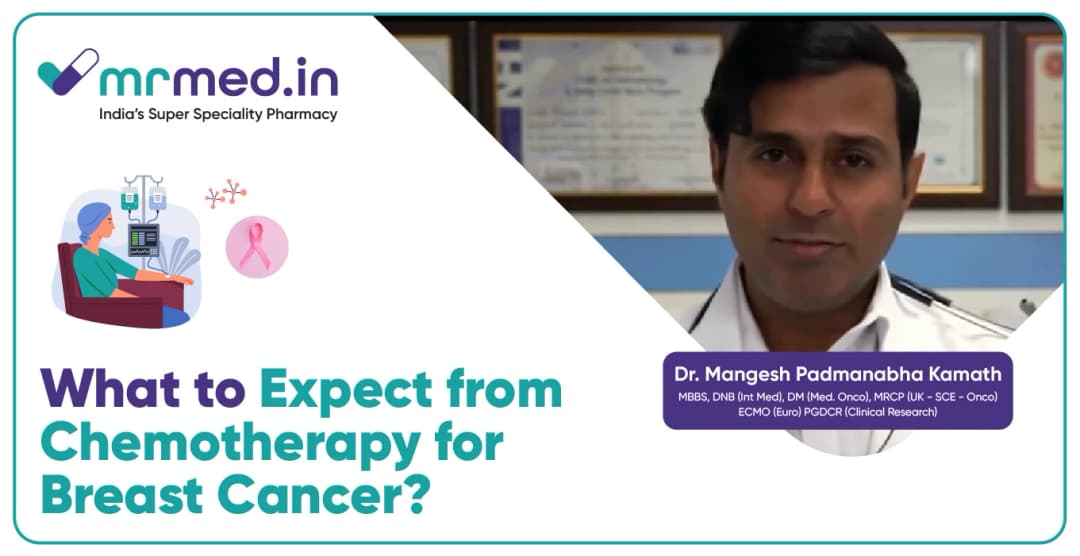
What to Expect from Chemotherapy for Breast Cancer?





Last updated on 02 Jan 2026
Dr Mangesh Padmanabha Kamath, Consultant Medical Oncologist, explains, Chemotherapy is one of the most commonly used treatments for breast cancer. It works by using powerful drugs that specifically target and kill rapidly dividing cancer cells. Since cancer cells grow and multiply faster than normal cells, chemotherapy helps slow down or stop the spread of the disease. While it is an effective therapy, many patients often feel uncertain about the process, side effects, and overall journey.
How Chemotherapy Works
The main principle of chemotherapy is to attack cancer cells that divide uncontrollably. By damaging the DNA inside these cells, chemotherapy prevents them from reproducing. Depending on the type of breast cancer, doctors may recommend a single drug or a combination of several chemotherapy drugs to achieve maximum effectiveness.
Treatment Process and Duration
The chemotherapy treatment process that breast cancer patients undergo usually involves cycles. Each cycle includes a treatment period followed by a rest period, allowing the body to recover. The exact schedule depends on the drug regimen and the patient’s health condition. On average, the chemotherapy duration breast cancer patients experience may last from three to six months, but advanced cases can require longer courses.
Common Side Effects
Since chemotherapy affects both cancerous and some healthy fast-dividing cells, side effects are common. These may include nausea, fatigue, hair loss, lowered immunity, and changes in appetite. Managing chemotherapy side effects in breast cancer involves supportive medicines, lifestyle adjustments, and close monitoring by healthcare providers. While these effects can be challenging, most are temporary and improve after the treatment ends.
Early-Stage vs Metastatic Breast Cancer
Doctors tailor chemotherapy for breast cancer based on the stage of cancer:
-
Chemotherapy for early-stage breast cancer aims to shrink tumours before surgery or reduce the chances of recurrence afterwards.
-
Chemotherapy for metastatic breast cancer is used to control the spread of disease, relieve symptoms, and improve quality of life.
This personalised approach ensures treatment matches the patient’s needs and disease progression.
Comparing Chemotherapy and Radiation Therapy
Patients often ask about chemotherapy vs radiation therapy for breast cancer. While chemotherapy works throughout the whole body by targeting cancer cells in the bloodstream and tissues, radiation therapy focuses on specific areas where cancer is present. In many cases, doctors may use both treatments together for better outcomes.
Fertility and Other Concerns
A key issue for younger patients is chemotherapy and fertility in breast cancer treatment. Some drugs can affect ovarian function and reduce the chances of pregnancy. Doctors usually discuss fertility preservation options, such as egg freezing, before starting chemotherapy.
Another factor is financial planning, as chemotherapy costs in India can vary widely depending on the cancer hospital, type of drugs, and duration of treatment. Discussing options with your oncologist helps in making informed decisions.
Final Thoughts
Chemotherapy plays a vital role in the treatment of breast cancer, offering hope for cure, control, or improved quality of life depending on the stage. While side effects and uncertainties exist, modern medicine provides effective ways to manage them. Staying informed, preparing mentally and physically, and working closely with the healthcare team can make the journey smoother and more manageable.
Read also
Cost of Breast Cancer Treatment in India
Disclaimer: This article is for educational purposes only and does not substitute professional medical advice. Always consult your oncologist, such as Dr Mangesh Padmanabha Kamath, Consultant Medical Oncologist, for guidance tailored to your specific condition and treatment plan.












Comments