

Life After Breast Cancer Surgery: Your Guide to Recovery





Last updated on 05 Oct 2026
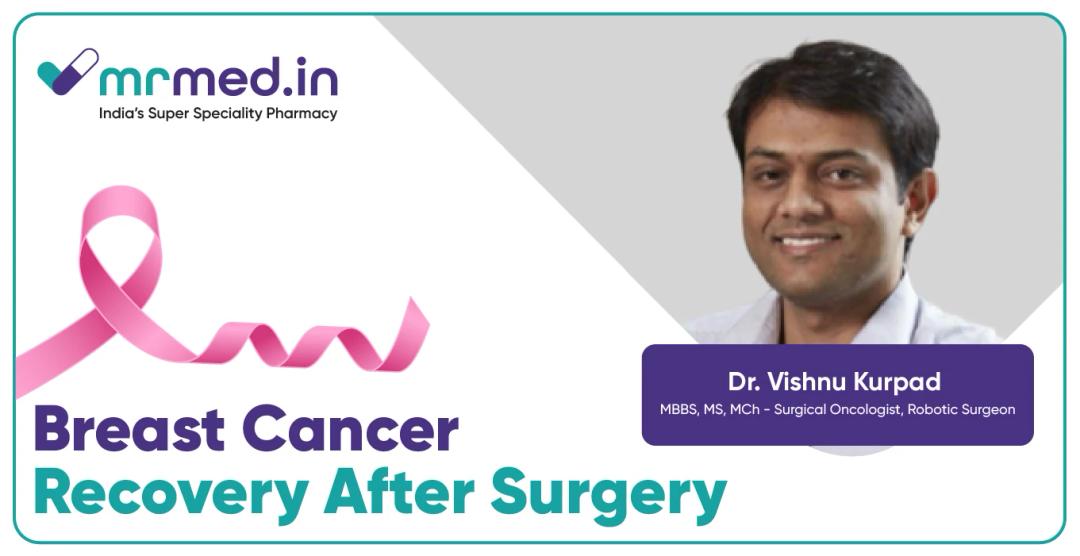
Recovering from breast cancer surgery is a step-by-step process that requires both patience and structured care. Dr. Vishnu Kurpad, Surgical Oncologist, Robotic Surgeon, emphasizes that while most patients are eager to return to their normal routines, it is important to take things slowly. The focus in the immediate breast cancer recovery period is on gentle movements and exercises, particularly for the arm, especially for those who have undergone a complete axillary lymph node dissection. These simple exercises help maintain mobility, reduce stiffness, and prevent swelling, laying the foundation for long-term life after breast cancer surgery.
Post Surgery Care and Recovery Timeline
In the first few weeks, doctors usually advise against heavy lifting or tasks that can cause injuries, such as certain cooking activities that may lead to burns or cuts. Instead, the priority is post-surgery care that supports healing and prevents complications. Gradually, as strength improves, patients can reintroduce daily activities, but always under medical supervision. These are essential post mastectomy recovery tips that encourage safe progress without straining the body.
Every patient’s breast cancer surgery recovery journey is unique, but there are common milestones. For example, the recovery timeline after surgery often begins with wound healing and regaining basic mobility within a few weeks, followed by more advanced exercises, lifestyle adjustments, and eventual return to regular work or home responsibilities. At each stage, the healthcare team plays a crucial role in monitoring progress through breast cancer follow-up care, ensuring that the healing stays on track.
Emotional Recovery and Support Systems
Recovery is not limited to the physical aspects alone. Many patients face challenges with confidence, body image, and emotional well-being. This is why emotional recovery after breast cancer is considered just as important as physical healing. Support groups, counseling, and conversations with survivors often help patients see that they are not alone in their journey. These shared patient stories of breast cancer recovery can be powerful motivators, providing reassurance and guidance to others going through similar challenges.
Long-Term Lifestyle Changes and Survivorship
For long-term healing, lifestyle changes after breast cancer become an integral part of survivorship. A balanced diet, regular exercise adapted to one’s fitness level, stress management, and adherence to medical advice all contribute to better outcomes. Many oncologists also provide a breast cancer survivorship guide, offering clear steps to maintain health, manage late side effects, and reduce the risk of recurrence.
Conclusion
In conclusion, the breast cancer healing journey is both physical and emotional, requiring a combination of medical guidance, family support, and personal resilience. By following tailored care plans, practicing patience, and embracing gradual recovery, patients can move forward with confidence and live fulfilling lives after surgery.
Watch Also
Disclaimer: The information provided in this article is for general awareness and educational purposes only. It should not be taken as a substitute for professional medical advice, diagnosis, or treatment. Always consult your doctor or a qualified healthcare provider with any questions regarding breast cancer recovery, post-surgery care, or any medical condition. Do not ignore professional advice or delay seeking care because of information presented here. While insights are shared by Dr. Vishnu Kurpad and based on reliable sources, individual patient needs may vary. MrMed does not endorse or promote any specific medicine, product, or treatment unless clearly stated.












Comments