

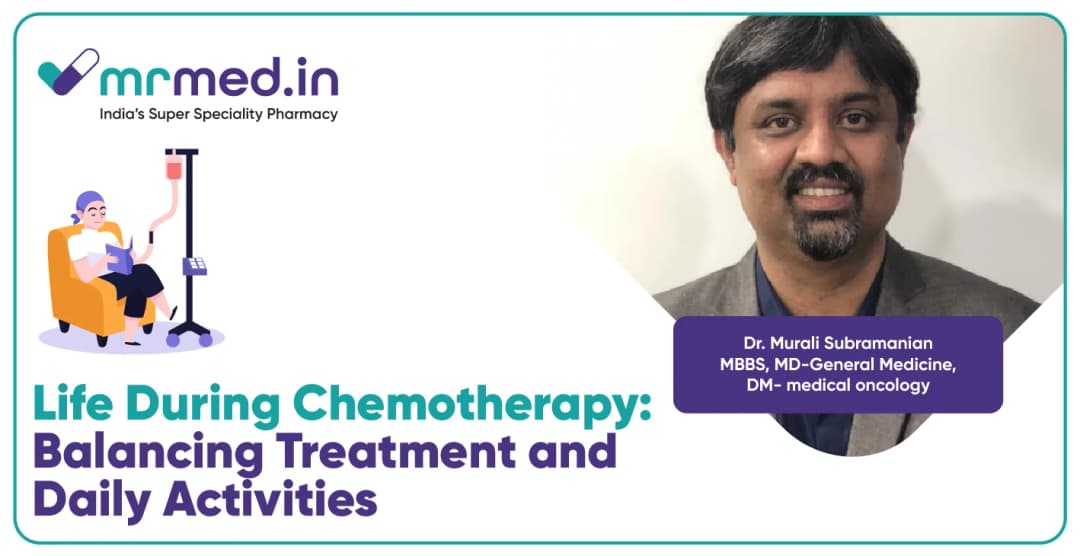
Life During Chemotherapy: Balancing Treatment and Daily Activities





Last updated on 02 Jan 2026
Chemotherapy is a cornerstone of cancer treatment, but it often comes with a mix of hope and apprehension. Many patients imagine it will completely incapacitate them, forcing extended periods of bed rest. According to Dr. Murali Subramanian, MBBS, MD-General Medicine, DM- medical oncology, the ability to maintain daily life during chemotherapy depends largely on mindset, support systems, and proactive management of chemotherapy side effects. Understanding what to expect and taking practical steps can make this journey more manageable, allowing patients to continue fulfilling personal and professional responsibilities.
Understanding Life During Chemotherapy
Patients undergoing chemotherapy often experience side effects such as fatigue, nausea, hair loss, and lowered immunity. However, these symptoms do not automatically prevent individuals from resuming normal activities. According to Dr. Murali Subramanian, while some intensive chemotherapy regimens may necessitate a short recovery period of three to four days, most patients can return to work and other routines quickly with proper guidance and care.
One crucial aspect of cancer treatment is recognising the "delicate period" typically between eight to fourteen days post-chemotherapy when blood counts are at their lowest. During this window, patients are more vulnerable to infections, making it important to follow precautions such as wearing masks, avoiding crowded spaces, and practising safe eating habits. Even so, with mindful management, patients can continue their daily lives during chemotherapy, dispelling the myth that chemotherapy requires prolonged bed rest.
Tips for Managing Chemotherapy and Daily Activities
Effective chemotherapy side effects management is key to maintaining normalcy. Simple strategies can significantly improve comfort and productivity:
-
Plan daily tasks around periods of higher energy and rest when fatigue sets in.
-
Maintain a balanced diet and stay hydrated to support recovery.
-
Communicate openly with employers about workload adjustments, enabling a smoother transition when returning to work after chemotherapy.
-
Incorporate light exercise, such as short walks or stretching, to enhance stamina and overall well-being.
-
Monitor symptoms closely and seek medical advice promptly for any unusual reactions.
Final thoughts
Chemotherapy doesn’t have to stop life. With proper chemotherapy side effects management, precautions during the delicate period, and support from experts like Dr. Murali Subramanian, patients can maintain routines, return to work, and stay active. A proactive approach empowers independence, balances treatment, and supports both physical and mental well-being during cancer treatment.
Disclaimer: The content in this blog is for general informational purposes only and is not a substitute for professional medical advice, diagnosis, or treatment. Always consult your doctor or a registered dietitian before making any changes to your diet, especially if you have a medical condition or are taking prescribed medication. While the information is based on trusted sources, individual needs and results may vary. MrMed does not promote or endorse any specific food or treatment mentioned unless explicitly stated.











Comments