

Tagrisso vs Keytruda: Targeted Therapy vs Immunotherapy for Lung Cancer





Last updated on 31 Aug 2026
Tagrisso and Keytruda are two important drugs applicable to the disease type mentioned above, and they are frequently discussed shortly after a lung cancer diagnosis is made. These two drugs have significantly expanded treatment options, unlike older forms of chemotherapy. Nonetheless, they are often wrongly assumed to be interchangeable, or at least, one is perceived as superior to the other.
In reality, without going into specifics, Tagrisso and Keytruda are designed to work on different lesions, and each is meant for patients who meet different prescription criteria. In patients with EGFR mutations in NSCLC, choosing the wrong option may not just lead to suboptimal results; it can reduce treatment efficacy and, in turn, survival odds.
Key Takeaways
|
What Is NSCLC and Why Molecular Testing Matters Before Anything Else

Non-small cell lung cancer accounts for approximately 85 per cent of all lung cancers. Within NSCLC, multiple molecular subtypes are defined by specific genetic changes in cancer cells that determine which treatment is most effective.
EGFR mutation lung cancer treatment is the clearest example. Approximately 50 per cent of Indian NSCLC patients have an EGFR mutation, significantly higher than the 15 per cent seen in Western populations. This makes molecular testing not just important but essential before first-line treatment begins.
Before discussing targeted therapy versus immunotherapy for lung cancer, the question is not "which drug is better"; it is "what does this tumour's molecular profile say?" The tumour, not the physician's preference, determines which treatment category applies.
How Tagrisso Works: Targeted Therapy for EGFR Mutations
Tagrisso lung cancer therapy works by directly blocking the EGFR protein. When the EGFR gene is mutated, most commonly in exon 19 deletions or exon 21 L858R substitutions, it produces a faulty EGFR protein that drives cancer cell proliferation continuously, without the normal off-switch. Tagrisso (osimertinib) is a third-generation EGFR tyrosine kinase inhibitor (TKI) that binds to and inhibits this mutant EGFR protein, switching off the growth signal.
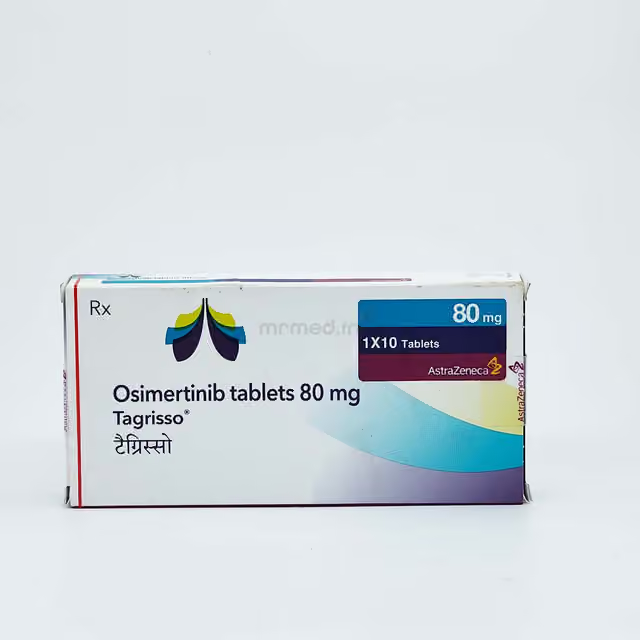
Tagrisso is taken as a once-daily oral tablet (80 mg), making it one of the few oncology treatments that does not require hospital visits for administration. It also crosses the blood-brain barrier more effectively than earlier EGFR TKIs, a clinically important feature, since NSCLC frequently metastasises to the brain.
EGFR mutation lung cancer treatment indications for Tagrisso:
First-line treatment of adults with locally advanced or metastatic NSCLC with exon 19 deletions or exon 21 L858R EGFR mutations
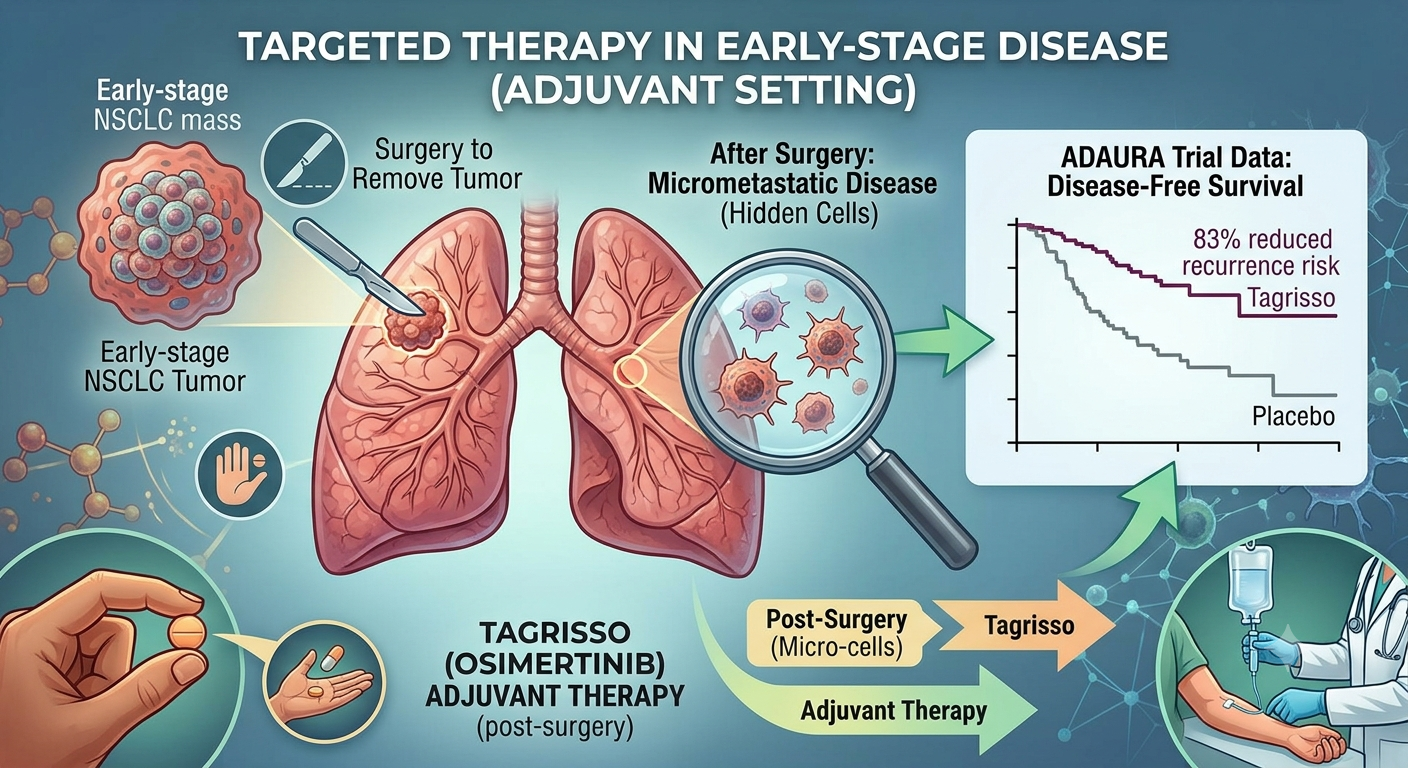
First-line treatment of Stage 1B to 3A NSCLC with EGFR mutations after complete tumour resection (adjuvant setting ADAURA trial)
Treatment of unresectable Stage III EGFRm NSCLC after chemoradiotherapy (LAURA trial)
Second-line treatment of T790M-positive NSCLC after progression on an earlier EGFR TKI
How Keytruda Works: Immunotherapy for PD-L1-Expressing Tumours
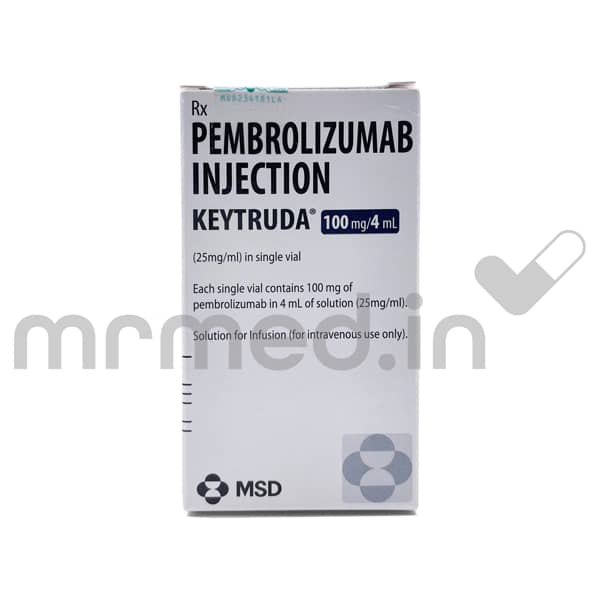
Keytruda lung cancer therapy works through an entirely different mechanism. Pembrolizumab is a PD-1 (programmed cell death protein-1) inhibitor, a monoclonal antibody that blocks the interaction between PD-1 on T-cells and PD-L1 on tumour cells.
In normal physiology, this PD-1/PD-L1 interaction acts as a checkpoint it tells T-cells not to attack the cell displaying PD-L1. Cancer cells exploit this mechanism by expressing PD-L1 to evade immune destruction. Keytruda blocks this interaction, reactivating T-cell attack on cancer cells.
Immunotherapy for lung cancer with Keytruda is effective but only in tumours that are sufficiently immunogenic. The key marker is PD-L1 expression, measured using Tumour Proportion Score (TPS). Higher PD-L1 expression generally predicts better response to pembrolizumab.
Keytruda NSCLC indications include:
First-line monotherapy for Stage 3 or 4 NSCLC with PD-L1 TPS ≥1% and no EGFR or ALK mutations
First-line combination with chemotherapy for non-squamous NSCLC
First-line combination for squamous NSCLC (with chemotherapy)
Adjuvant treatment of Stage 1B to 3A NSCLC following resection and platinum-based chemotherapy
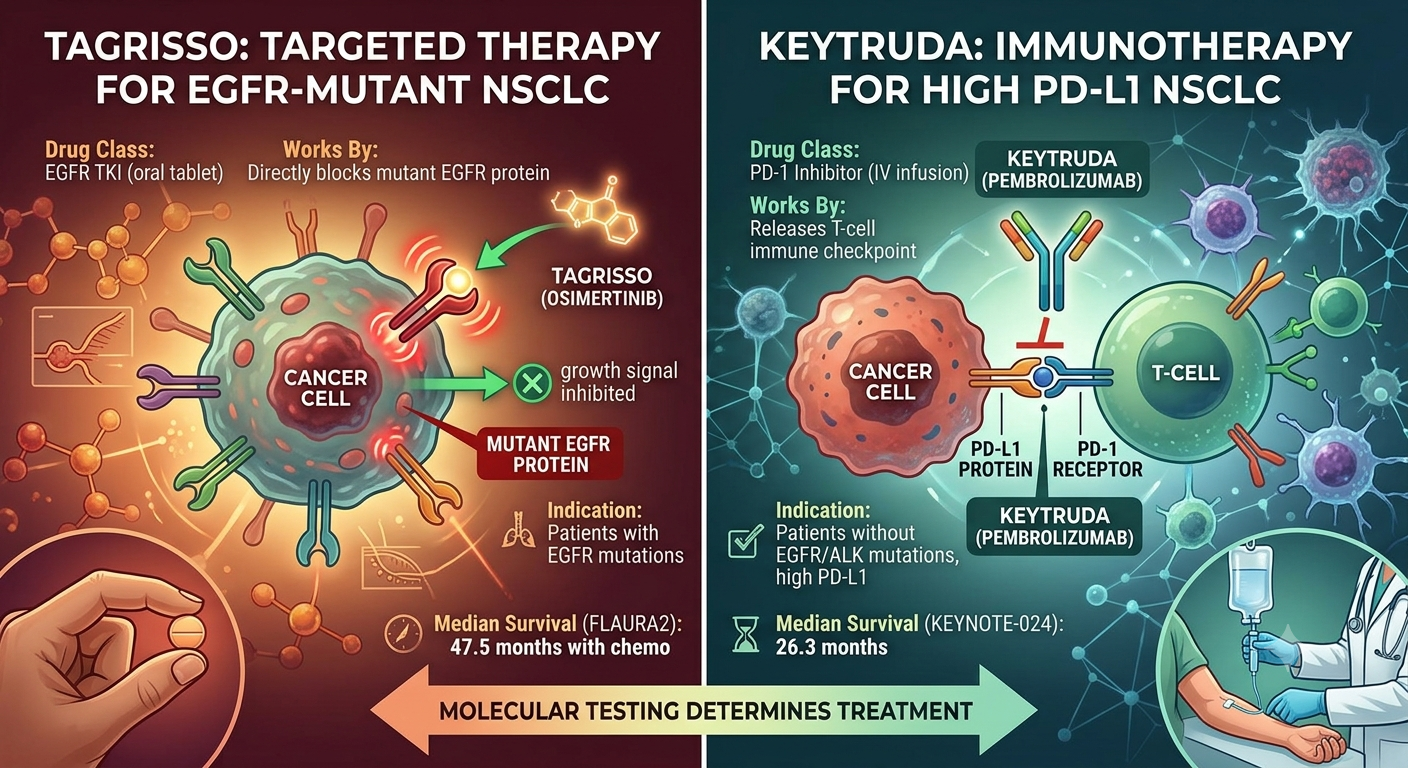
Tagrisso vs Keytruda: Head-to-Head Comparison
Feature | Tagrisso (osimertinib) | Keytruda (pembrolizumab) |
Drug class | EGFR TKI (targeted therapy) | PD-1 inhibitor (immunotherapy) |
Administration | Once-daily oral tablet | IV infusion every 3 or 6 weeks |
Who it is for | EGFR-mutant NSCLC | NSCLC without EGFR/ALK mutations; high PD-L1 |
Works by | Blocking mutant EGFR protein | Releasing T-cell immune checkpoint |
Brain penetration | ✅ Excellent | Limited; does not penetrate CNS directly |
First-line standard? | ✅ For EGFR-mutant NSCLC | ✅ For non-EGFR/ALK NSCLC with PD-L1 ≥1% |
Median OS (key trial) | 47.5 months (FLAURA2 with chemo) | 26.3 months (KEYNOTE-024, PD-L1 ≥50%) |
Can they be combined? | ❌ Generally not; excess toxicity, no benefit in EGFR+ disease | N/A see above |
Resistance mechanism | C797S mutation; MET amplification | Primary or secondary resistance |
EGFR Positive Lung Cancer Treatment: Why Keytruda Fails
In a phase 2 study cited by Dr Benjamin Levy at Targeted Oncology, approximately 20 patients with EGFR-mutant lung cancer and high PD-L1 expression received pembrolizumab instead of osimertinib because of their high PD-L1 score. None responded to pembrolizumab. The reason is mechanistic: EGFR-mutant tumours have a distinct immunobiological profile; they tend to be cold tumours with low tumour mutational burden and limited T-cell infiltration, making PD-1/PD-L1 checkpoint inhibition ineffective.
Moreover, combining EGFR TKIs with checkpoint inhibitors in EGFR-mutant disease significantly increases toxicity, particularly interstitial lung disease, without evidence of clinical benefit. The TATTON trial demonstrated this clearly, with high rates of pneumonitis when Tagrisso was combined with pembrolizumab or durvalumab.
When is Tagrisso used instead of Keytruda? Always when EGFR mutation testing is positive. The molecular test result determines this, not clinical judgment about which drug seems more powerful.
Tagrisso Effectiveness: What the Evidence Shows
Tagrisso effectiveness is backed by one of the most robust datasets in modern oncology:
FLAURA (first-line, metastatic, EGFR-mutant NSCLC):
Tagrisso produced a median progression-free survival of 18.9 months versus 10.2 months for earlier EGFR TKIs, and a median overall survival of 38.6 months. This landmark trial established Tagrisso as the first-line standard of care.
FLAURA2 (Tagrisso plus chemotherapy, 2025 NEJM):
Tagrisso plus platinum-based chemotherapy produced a median overall survival of 47.5 months versus 37.6 months for Tagrisso alone, the longest median overall survival ever reported in metastatic EGFR-mutant NSCLC. Seventy per cent of patients in the combination group experienced side effects requiring medical attention versus 34 per cent in the Tagrisso-only group, a meaningful trade-off to discuss with an oncologist.
ADAURA (adjuvant, early-stage):
Tagrisso reduced the risk of disease recurrence or death by 83 per cent compared with placebo in completely resected Stage 1B to 3A EGFR-mutant NSCLC, among the most striking adjuvant trial results in lung cancer history.
LAURA (unresectable Stage III):
Tagrisso after chemoradiotherapy demonstrated encouraging overall survival in unresectable, Stage III EGFR-mutant NSCLC, an indication that did not previously have an effective targeted therapy option.
Can Tagrisso cure Stage 4 lung cancer? It cannot cure it in the conventional sense, but FLAURA2 survival data (47.5-month median overall survival) show that a meaningful proportion of patients with metastatic EGFR-mutant NSCLC live well beyond three years on Tagrisso-based treatment. For some patients, particularly those with oligo-residual disease, prolonged deep responses blur the line between management and functional cure.
Keytruda Effectiveness: What the Evidence Shows
Keytruda effectiveness in lung cancer is equally well-documented for the right patients.
KEYNOTE-024 (first-line, high PD-L1 ≥50%, no EGFR/ALK):
Keytruda monotherapy improved median progression-free survival from 6 months to 10.3 months and median overall survival from 14.2 months to 26.3 months versus chemotherapy, a landmark result that established immunotherapy as first-line standard for PD-L1-high NSCLC.
KEYNOTE-189 (first-line, non-squamous, any PD-L1, no EGFR/ALK):
Keytruda plus platinum-pemetrexed chemotherapy improved median overall survival from 11.3 months to 22.0 months, confirming the combination's benefit across PD-L1 levels.
Keytruda survival in lung cancer therefore depends heavily on PD-L1 expression: median overall survival was 26.3 months for high PD-L1 expressors on monotherapy, and substantially lower for PD-L1-low patients on monotherapy. Combination with chemotherapy provides benefit across PD-L1 levels.
Which immunotherapy is best for lung cancer? Among PD-1/PD-L1 inhibitors, Keytruda in KEYNOTE-024 was among the first to demonstrate clear monotherapy survival benefit, and it remains one of the most widely used in clinical practice globally. But "best" depends on the tumour's molecular profile, a question answered by the pathology report, not a comparison blog.
Tagrisso vs Keytruda Side Effects
Tagrisso side effects include:
Diarrhoea (most common, typically mild)
Rash, dry skin, nail changes (EGFR-related skin toxicity)
Interstitial lung disease/pneumonitis (rare but serious, approximately 3 per cent)
Prolonged QTc interval (cardiac monitoring required)
Paronychia (nail bed inflammation)
Keytruda side effects include:
Fatigue and musculoskeletal pain
Immune-related adverse events (irAEs), the most important class of side effects
Pneumonitis (approximately 3 to 4 per cent, can be severe)
Colitis, hepatitis, endocrinopathy (hypophysitis, thyroid dysfunction)
Skin reactions
Tagrisso vs Keytruda side effects comparison: both carry a pneumonitis risk, but the mechanisms differ. Tagrisso's toxicities are largely manageable with dose modification. Keytruda's immune-related adverse events require corticosteroid therapy and can be life-threatening if not promptly recognised. The two drugs have entirely different toxicity profiles requiring different monitoring protocols.
Tagrisso vs Keytruda Cost
Tagrisso cost in India: approximately ₹1.5 lakh to ₹2 lakh per month for the branded product. Generic osimertinib is available under PM Jan Aushadhi and through specific oncology access programmes.
Keytruda cost in India: approximately ₹1.5 lakh to ₹2.5 lakh per cycle (every 3 weeks) for the branded 200 mg dose. Generic pembrolizumab alternatives are entering the Indian market.
Both drugs represent significant financial burdens for most Indian families. Tata Memorial Hospital and Apollo Cancer Centres have structured access programmes. The PM Jan Aushadhi scheme, Ayushman Bharat cancer coverage, and manufacturer patient assistance programmes (AZ for Tagrisso, MSD for Keytruda) should be explored with the treating oncologist before assuming out-of-pocket cost is the only option.
Is Tagrisso Better Than Keytruda?
Is Tagrisso better than Keytruda? For an EGFR-mutant patient: yes, significantly. Keytruda produces near-zero responses in this molecular subgroup and increases toxicity risk. For a patient without EGFR or ALK mutations with high PD-L1, Keytruda is the appropriate first-line option, and Tagrisso would have no activity.
What is the most successful treatment for lung cancer? There is no single answer. For EGFR-mutant NSCLC, Tagrisso-based regimens produce the most consistently impressive survival outcomes. For PD-L1-high non-EGFR/non-ALK NSCLC, Keytruda has been practice-changing. The most successful treatment matches the molecular biology of the specific cancer being treated.
FAQs
Q1. Can you take Tagrisso and Keytruda together?
No, for EGFR-mutant NSCLC, this combination significantly increases toxicity (particularly pneumonitis) without clinical benefit. Clinical trials, including TATTON, have confirmed this. The two drugs should not be combined in this setting.
Q2. When is Tagrisso used instead of Keytruda?
When EGFR mutation testing is positive. The molecular test result determines this, not clinical appearance, PD-L1 score, or any other clinical feature. In EGFR-mutant disease, Keytruda is ineffective, and Tagrisso is the standard.
Q3. Can Tagrisso cure Stage 4 lung cancer?
Not in the conventional sense, but FLAURA2 data showing a 47.5-month median overall survival means significant long-term survival is achievable. Some patients with deep, prolonged responses on Tagrisso live well beyond five years.
Q4. Which immunotherapy is best for lung cancer?
Keytruda has the strongest first-line data among PD-1 inhibitors in PD-L1-positive NSCLC without EGFR/ALK mutations. But immunotherapy as a category is not appropriate for EGFR-mutant patients; molecular testing determines which treatment category applies.
Q5. What is the most successful treatment for lung cancer overall?
Targeted therapy with Tagrisso in EGFR-mutant NSCLC produces the highest survival figures in any first-line NSCLC setting (47.5 months with FLAURA2 combination). Outside EGFR mutation, Keytruda-based immunotherapy has been the most impactful advance.
Final Thoughts
Tagrisso vs Keytruda is ultimately not the right question. The right question is: what does this patient's tumour look like at the molecular level and which treatment does that molecular profile indicate?
Targeted therapy and immunotherapy represent two genuinely revolutionary advances in lung cancer care. They work through different mechanisms, on different tumour types, and produce different side effect profiles and survival outcomes. Getting this matching right is the single most important decision in first-line NSCLC treatment.
If you or a family member has received an NSCLC diagnosis and has not yet had comprehensive molecular testing, including at minimum EGFR, ALK, ROS1, KRAS G12C, MET, RET, and PD-L1, insist on it before any treatment begins. The test takes a few days. Treating the wrong molecular profile can have consequences for a lifetime.
Read Also
References
GoodRx [Internet]. 2026 [cited 2026 Aug 21]. Tagrisso vs Keytruda for lung cancer: important differences and potential risks. Available from: https://www.goodrx.com/compare/tagrisso-vs-keytruda
AstraZeneca [Internet]. Cambridge: AstraZeneca; 2025 Mar 25 [cited 2026 Aug 21]. New study results reinforce Tagrisso as the backbone therapy for EGFR-mutated lung cancer across stages and settings. Available from: https://www.astrazeneca.com/media-centre/press-releases/2025/new-study-results-reinforce-tagrisso-as-the-backbone-therapy-for-egfr-mutated-lung-cancer-across-stages-and-settings.html
Targeted Oncology [Internet]. 2026 Jul 27 [cited 2026 Aug 21]. Approaching treatment for a patient with NSCLC and an EGFR mutation. Available from: https://www.targetedonc.com/view/approaching-treatment-for-a-patient-with-nsclc-and-an-egfr-mutation
Disclaimer: This article is for general informational and educational purposes only and does not constitute medical advice. A qualified oncologist must make treatment decisions for lung cancer based on comprehensive molecular testing, clinical assessment, and individual patient factors. Never alter or begin cancer treatment without specialist medical guidance.














Comments