

World Diabetes Day 2025





Last updated on 02 Jan 2026
Less sugar means more happiness
World Diabetes Day 2025 is observed on 14 November, providing an important opportunity to raise diabetes awareness and highlight its impact on people of all ages. Diabetes is no longer limited by age, gender, or region; it affects millions worldwide. On this diabetic day, it is vital to focus on prevention, early detection, and support for those living with diabetes.
History of World Diabetes Day
World Diabetes Day is celebrated annually on 14 November, initiated in 1991 by the International Diabetes Federation (IDF) and the World Health Organisation (WHO). This date honours Sir Frederick Banting, one of the co-discoverers of insulin.
The World Diabetes Day 2025 theme is ‘Access to Diabetes Care’, emphasising the importance of equitable treatment, early diagnosis, and education. The World Diabetes Day 2025 slogan “Empower, Prevent, Care” encourages communities to take action in promoting healthier lifestyles and supporting those living with diabetes.
Understanding Diabetes and How It Affects Health
Diabetes is a chronic condition affecting the way your body processes glucose, the primary energy source. Insufficient insulin production or ineffective insulin use leads to high blood sugar levels. Over time, this can damage the heart, kidneys, eyes, nerves, and even complicate pregnancies.
Year | Adults Affected | Projected Adults Affected |
2021 | 537 million (1 in 10) | – |
2030 | – | 643 million |
2045 | – | 783 million |
Understanding the prevalence and impact of diabetes is essential for protecting future generations. Awareness, early detection, and preventive measures are key to reducing the global burden of this disease.
As per PMC Published Article nationally‑representative survey of Indian adults aged 45 and older found 19.8% (95% CI: 19.4–20.2%) had diabetes, equating to about 50.4 million people. Urban prevalence was ~30% and rural ~15%.
Type Of Diabetes: Causes, Symptoms, and Management
Diabetes is not a single disease it comes in several types, each with unique causes, symptoms, and management strategies.
1. Type 1 Diabetes (Juvenile Diabetes)
Cause: Autoimmune attack on insulin-producing pancreatic cells.
Symptoms: Frequent urination, intense thirst, sudden weight loss, fatigue, blurred vision.
Management: Lifelong insulin therapy, balanced diet, regular exercise, and blood sugar monitoring.
Cause: Insulin resistance or insufficient insulin production, often linked to obesity, sedentary lifestyle, and genetics.
Symptoms: Increased thirst, frequent urination, fatigue, slow-healing wounds, numbness in hands or feet.
Management: Lifestyle modifications, oral medications, and sometimes insulin therapy.
Cause: Occurs during pregnancy when insulin production is inadequate.
Symptoms: Often mild or unnoticed; may include fatigue, frequent urination, and increased thirst.
Management: Healthy diet, regular exercise, blood sugar monitoring, and insulin if necessary.
4. Prediabetes
Cause: Blood glucose levels are above normal but not yet high enough for a Type 2 diagnosis.
Symptoms: Usually none, sometimes fatigue or mild thirst.
Management: Weight management, healthy eating, physical activity, and regular monitoring to prevent progression.
5. Other Types (Less Common)
Diabetes Insipidus: Rare condition unrelated to sugar, causing excessive thirst and urination due to kidney water retention problems.
Monogenic Diabetes: Caused by a single gene mutation, often diagnosed in childhood or adolescence.
A meta-analysis of Indian studies on diabetes-related psychological distress showed that about 33% (95% CI: 21–45%) of adults with type 2 diabetes experience significant emotional or mental health challenges.
Common Symptoms Of Diabetes
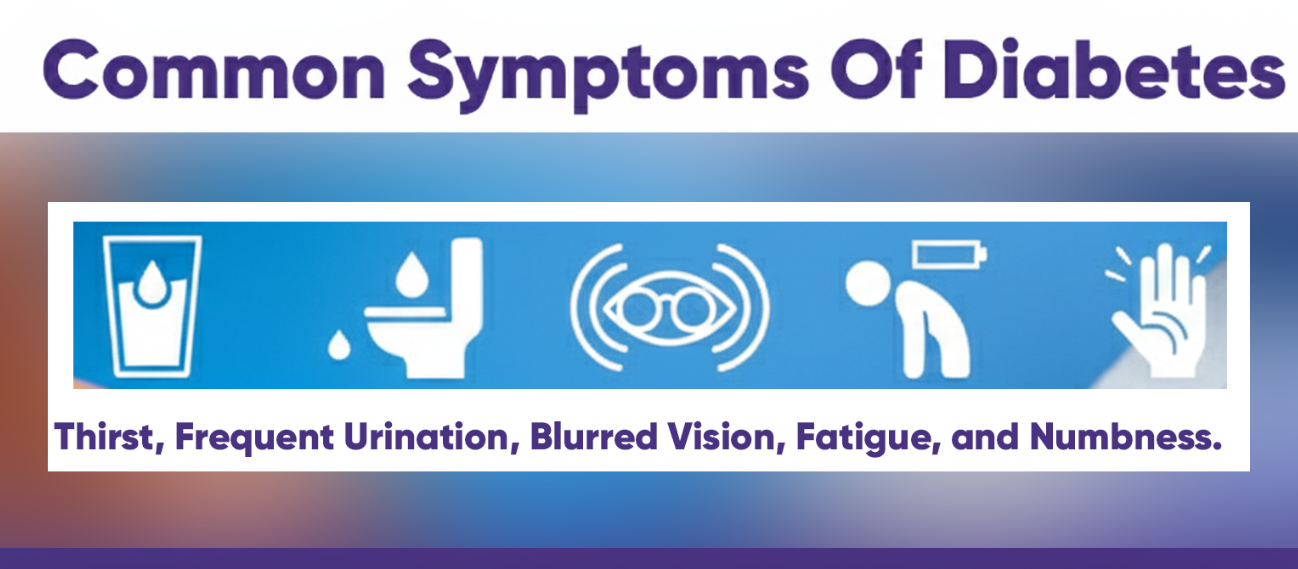
It is often considered a silent killer due to its symptoms, which everyone cannot identify. The symptoms of diabetes may differ based on the type of diabetes and the patient's body condition. Some of the common symptoms are
Frequent urination
Excessive thirst
Sudden weight loss
Intense hunger
Blurred vision
Numbness or tingling in hands and feet
Fatigue
Dry skin
Slow-healing wounds
Frequent infections
Recognising these early signs and consulting a healthcare professional is crucial for prevention and management.
6 Risk Factors Of Diabetes
Heart and blood vessel disease: High glucose levels damage arteries, increasing risks of angina, coronary artery disease, and hypertension.
Nerve damage (Neuropathy): Excess glucose harms blood vessels that supply nerves, causing pain, numbness, or digestive issues.
Kidney damage: Prolonged high sugar levels can lead to kidney failure.
Diabetic eye disorders: Blurry vision, cataracts, glaucoma, and retinopathy; diabetes is a leading cause of adult blindness.
Foot complications: Poor blood flow and nerve damage can lead to infections or, in advanced cases, surgical intervention.
Pregnancy complications: High glucose increases risks of miscarriage, birth defects, and fertility issues.
Complications Of Untreated Diabetes
If diabetes is left unmanaged, high blood sugar over time can damage multiple organs and systems, leading to serious and sometimes life-threatening complications:
Cardiovascular problems: Elevated glucose levels increase the risk of heart disease, stroke, high blood pressure, and narrowing of arteries (atherosclerosis).
Nerve damage (Neuropathy): Excess sugar damages small blood vessels supplying nerves, causing numbness, tingling, burning sensations, and digestive issues like constipation or diarrhoea.
Kidney disease (Nephropathy): Prolonged high blood sugar damages kidney filtration, potentially leading to kidney failure requiring dialysis or transplant.
Eye disorders (Retinopathy): Diabetes is a leading cause of adult blindness. It can cause blurry vision, cataracts, glaucoma, and retinal damage.
Foot problems: Reduced sensation and poor blood flow can lead to ulcers, infections, and in severe cases, amputation.
Pregnancy complications: Uncontrolled diabetes increases the risk of miscarriage, birth defects, and difficulties in conceiving.
Infections: High sugar levels impair immunity, making patients more susceptible to infections of the skin, gums, urinary tract, and respiratory system.
Tips For Preventing Diabetes
Engage in regular exercise.
Maintain a healthy weight.
Eat a balanced diet rich in fruits and fibre.
Limit smoking and alcohol.
Identify pre-diabetes early
Reduce refined carbohydrates
Monitor blood sugar levels regularly.
Role Of Nutrition In Diabetes Management
A balanced diet is one of the most effective ways to control blood sugar levels, manage weight, and prevent complications:
Carbohydrate control: Focus on complex carbohydrates, such as whole grains, oats, and brown rice. Limit refined sugars and products made with white flour.
Include fibre-rich foods: Vegetables, legumes, fruits, and nuts slow glucose absorption, improve digestion, and help maintain satiety.
Healthy fats: Incorporate sources like olive oil, avocado, and fatty fish for heart health, while avoiding trans fats and excessive saturated fats.
Portion control: Eating smaller, more regular meals can help prevent sudden spikes in blood sugar and aid in weight management.
Hydration: Drinking plenty of water supports kidney function and helps control appetite.
Limit processed foods: Reduce intake of sugary drinks, fast foods, and high-sodium snacks to prevent glucose spikes and weight gain.
Meal planning: Coordinating meals with physical activity and medication timing improves blood sugar stability
Dr Nakul Sinha at the Cardio Diabetic Conclave in Lucknow says Diabetes and heart disease aren’t two distinct problems, but a dual threat to our health that needs a unified approach.
Break The Myth And Know The Fact: Top 8 Myths And Facts About Diabetes
Myth | Fact |
Diabetes is contagious | It is non-communicable and cannot spread through contact. |
Diabetes is a disease of old age | Can occur at any age, including children (Type 1 diabetes). |
I can stop medicine if blood sugar normalises | Never stop medication without a doctor’s advice. |
Soaking feet reduces blood sugar | No evidence supports this; can worsen foot problems. |
Type 2 diabetes is completely curable | It can go into remission with proper management but cannot be cured. |
Diabetics must avoid sweets | Sweets can be consumed in moderation as part of a healthy diet. |
Spicy food reduces diabetes risk | No evidence; follow a proper dietary plan. |
Exercise is unsafe for diabetics | Regular activity reduces diabetes risk; walking and simple workouts are safe. |
FAQs
Q1. What is World Diabetes Day 2025 about?
It focuses on spreading diabetes awareness and improving access to care, education, and treatment worldwide.
Q2. Why is World Diabetes Day celebrated on 14 November?
It honours Sir Frederick Banting, one of insulin’s discoverers, on his birthday.
Q3. What is the theme of World Diabetes Day 2025?
The World Diabetes Day theme is ‘Access to Diabetes Care’, highlighting the importance of treatment for everyone.
Q4. How can I prevent Type 2 diabetes?
Exercise regularly, maintain a healthy weight, follow a balanced diet, and monitor blood sugar.
Q5. Can children develop diabetes?
Yes, Type 1 diabetes commonly occurs in children due to autoimmune destruction of insulin-producing cells.
Q6. Is diabetes reversible?
Type 2 diabetes can go into remission with proper management; Type 1 is lifelong.
Q7. Are sweets completely forbidden for diabetics?
No, moderate consumption is allowed if part of a balanced diet plan.
Bottom Line
On World Diabetes Day 2025, let’s raise awareness, educate communities, and support those living with diabetes. Early detection, prevention, and dispelling myths can protect our loved ones. Together, we can create a world empowered to manage and prevent diabetes.
“Blood sugar may be sweet, but diabetes we'll defeat.”
Read Also
References
Bandarian F, Larijani B. World diabetes day: celebrating two decades of Progress in combating diabetes and its complications in Iran. J Diabetes Metab Disord. 2019;18(2):743-745. Published 2019 Nov 26. doi:10.1007/s40200-019-00470-7
Disclaimer: The information shared in this blog is meant for general educational purposes only and should not be taken as medical advice. Always consult a qualified healthcare professional for diagnosis, treatment, or medical guidance related to your health. The content is based on reliable sources, but it may not be suitable for every individual’s condition. We do not assume responsibility for any actions taken based on this information. Readers are encouraged to exercise caution and use their discretion when making healthcare decisions.




















Comments