

IVF in India: Why Fertility Treatments Are Rising and How to Overcome Infertility Naturally





Last updated on 02 Jan 2026
For many couples, the dream of becoming parents starts with excitement, but repeated negative pregnancy tests can turn that dream into anxiety, confusion, and heartbreak. Today, Infertility in India is no longer a rare situation. Delayed marriages, lifestyle stress, hormonal disorders, pollution, and rising health issues have made conception more challenging than ever. The good news? Science, awareness, and modern treatments like In-Vitro Fertilisation are giving couples new hope and real solutions.
India is now experiencing a rapid shift in how society views infertility. Couples are speaking up, seeking help early, and exploring advanced options such as IVF treatment India to start their families with confidence.
Understanding the Rising Infertility Trend
Rising infertility in India is happening due to a mix of lifestyle, environmental, and medical causes. According to national health data, millions of couples face conception struggles every year. Both partners can be affected, which is why doctors now emphasise understanding Infertility in Men and Women instead of blaming one gender.
Below are the major Causes of infertility India is witnessing today:
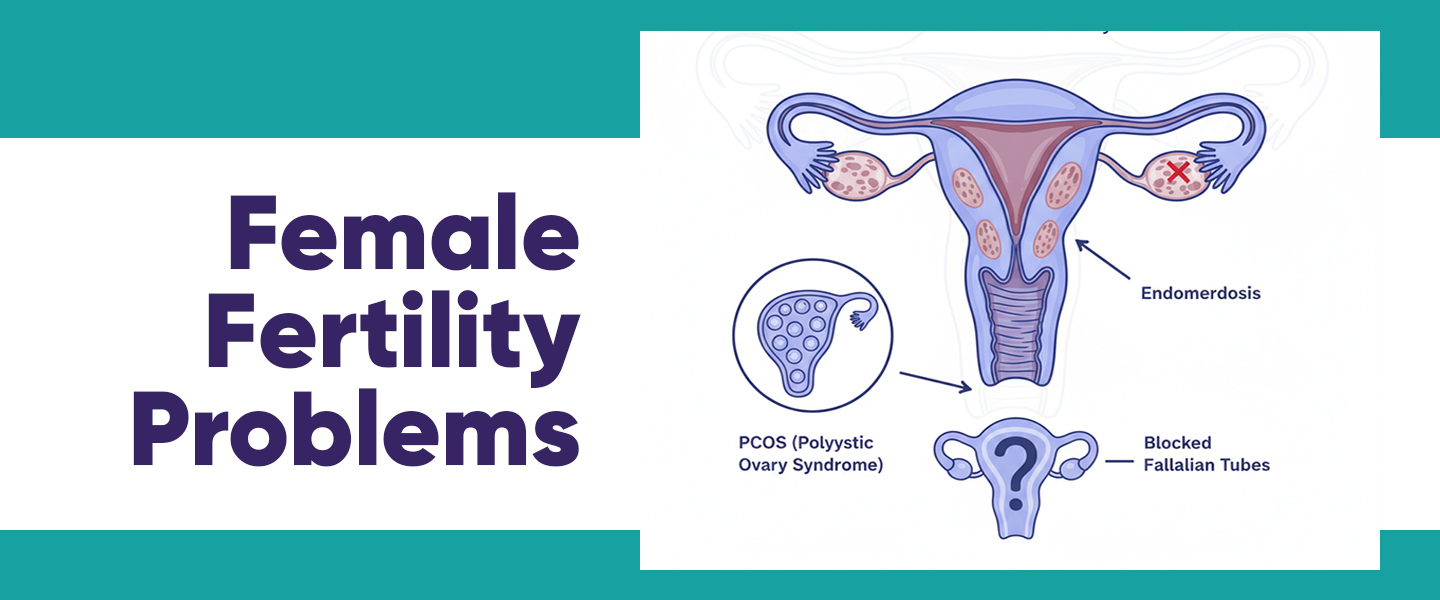
Female fertility problems:
Irregular ovulation (especially due to PCOS)
Endometriosis
Blocked fallopian tubes, hormonal imbalance
Thyroid issues
Obesity or extreme weight changes
Male infertility causes and treatment India often focuses on:
Low sperm count
Poor sperm motility
Varicocele
Hormonal imbalance
Both men and women are equally affected, which is why specialists focus on Risk Factors for Infertility in India that involve lifestyle, diet, environment, and age.
As per TOI Indian Society of Assisted Reproduction (ISAR), 10–15% of Indian couples currently struggle with infertility, a number steadily increasing, particularly in urban areas.
Why Are More Indian Couples Turning to IVF?
Advanced treatments are no longer “last resort options.” Modern couples want clarity, science-backed answers, and results. With better awareness, higher success rates, and reduced stigma, more families are exploring In-Vitro fertilisation to achieve pregnancy successfully.
India is also becoming a hub for IVF tourism India, thanks to:
Affordable pricing
Experienced specialists
Advanced lab technology
Transparent regulations
High success rates
These benefits are some of the top reasons to Choose India for IVF Treatment.
When Should You Consider IVF?
Couples typically try naturally for 6–12 months before seeking medical help. You may consider IVF if you have:
Blocked tubes
Severe male infertility
Low ovarian reserve
Repeated IUI failures
Unexplained infertility
Age-related conception problems
Doctors guide patients step-by-step using standard IVF treatment procedure steps, making the process smooth and predictable.
Dr. Suneeta Mittal, Director, Fortis Gurgaon explains “Infertility is increasing in Indian men and women because of stress, late marriage, and the age factor. Women are becoming career-oriented, putting family plans on hold. Childbearing capacity decreases with age.”
How IVF Works: Step-by-Step
Step | Description |
1. Ovarian Stimulation | Hormone injections help develop multiple mature eggs |
2. Egg Retrieval | Eggs are collected through a minor procedure |
3. Fertilisation | Eggs and sperm are combined in a lab |
4. Embryo Culture | Embryos are grown and monitored |
5. Embryo Transfer | Best embryo is placed in the uterus |
6. Pregnancy Test | Results after 10–14 days |
IVF Success Rates by Age
Age plays a key role in IVF success rate India, as egg quality declines naturally over time.
Age Group | IVF success factors age-wise (Average Success) |
Under 30 | 55–60% |
30–35 | 45–50% |
35–40 | 35–40% |
Over 40 | 20–25% |
For age-related infertility, IVF for older women India often includes donor eggs or blastocyst transfer to improve results.
IVF vs IUI vs ICSI Differences
Procedure | Best For |
IVF | Tubal issues, hormonal issues, unexplained infertility |
IUI | Mild male infertility or early-stage infertility |
ICSI | Severe male infertility (single sperm injected into egg) |
Knowing these IVF vs IUI vs ICSI differences helps couples choose the right treatment faster.
What Does IVF Cost in India?
City-wise IVF cost in India (per cycle):
Delhi / Mumbai: ₹1.2 – ₹2.5 lakh
Bengaluru / Chennai / Hyderabad: ₹1 – ₹2 lakh
Tier-2 Cities: ₹80,000 – ₹1.5 lakh
This affordability is one reason why IVF Is Changing Lives in India and attracting international couples too.
Side Effects of IVF Treatment (Mild & Temporary)
Common Side effects of IVF treatment include:
Bloating
Cramps
Mood swings
Mild spotting
Serious risks are rare when monitored by expert doctors.
A study published in Oncoscience highlights that lifestyle habits and hormonal imbalances significantly affect male fertility, leading to a rise in male infertility cases in India.
Egg Freezing & Delayed Motherhood
With careers, education, and late marriages becoming common, many women worry about age and declining egg quality. Because of the risks of delayed motherhood India, more women are choosing preservation.
Factor | Details |
Best Age | 28–35 years |
Purpose | Future pregnancy flexibility |
Egg freezing cost and process India | ₹1.5–2.5 lakh + storage charges |
Can You Boost Fertility Naturally? Yes,In Many Cases
Before starting treatment, doctors often suggest Lifestyle changes to improve fertility and teach couples how to overcome infertility naturally through diet and habits. Science shows that Infertility lifestyle changes can improve ovulation, sperm health, and hormonal balance.
Try this:
Maintain healthy body weight
Reduce stress through yoga or mindfulness.
Avoid smoking and alcohol.
Sleep 7–8 hours
Exercise moderately
These habits support natural conception and also improve outcomes during IVF treatment India.
A study by Punjabi University, Patiala, indicates that junk food consumption, alcohol intake, and lack of physical activity are significantly linked to infertility among reproductive-age couples in India.
FAQs
1. Why are infertility cases increasing in India?
Because of stress, delayed parenthood, pollution, poor lifestyle habits, obesity, and hormonal disorders, Rising infertility in India is affecting both men and women.
2. What causes infertility in men?
Low sperm count, poor motility, varicocele, smoking, alcohol, stress, and hormonal issues are major Male infertility causes and treatment India focuses on.
3. What are common female fertility problems?
Female fertility problems include PCOS, blocked tubes, endometriosis, thyroid issues, irregular periods, and age-related decline in egg quality.
4. When should you do IVF?
Consider IVF for blocked tubes, severe male infertility, unexplained infertility, repeated IUI failures, or age-related fertility decline.
5. What is the average IVF success rate in India?
IVF success rate India ranges from 55–60% below age 30 and decreases with age, especially after 35.
6. How much does IVF cost in India?
Typical IVF cost in India is ₹80,000 to ₹2.5 lakh per cycle, depending on city, clinic, and procedures.
7. Can infertility be improved naturally?
Yes. Diet, exercise, stress control, sleep, and quitting smoking/alcohol are key Lifestyle changes to improve fertility.
8. What are the side effects of IVF?
Common Side effects of IVF treatment include bloating, mood swings, cramps, and mild spotting—usually temporary.
9. Is IVF safe for older women in India?
Yes, but success reduces with age. IVF for older women India often includes donor eggs for better results.
10. What is the difference between IVF, IUI, and ICSI?
IUI is for mild cases, IVF for most conditions, and ICSI for severe male infertility—these are key IVF vs IUI vs ICSI differences.
Wrapping Up: A New Era of Hope for Couples in India
Modern reproductive care has transformed how India sees infertility. With better awareness, personalised treatments, and global-standard technology, couples now have real hope for parenthood. Why IVF Is Changing Lives in India is simple it gives science, clarity, and confidence back to couples who once felt helpless.
Read Also
References
Kushnir, V. A., Smith, G. D., & Adashi, E. Y. (2022). The Future of IVF: The New Normal in Human Reproduction. Reproductive sciences (Thousand Oaks, Calif.), 29(3), 849–856. https://doi.org/10.1007/s43032-021-00829-3
Choe J, Shanks AL. In Vitro Fertilization. [Updated 2023 Sep 4]. In: StatPearls [Internet]. Treasure Island (FL): StatPearls Publishing; 2025 Jan-. Available from: https://www.ncbi.nlm.nih.gov/books/NBK562266/
Disclaimer: The content in this blog is for general informational purposes only and is not a substitute for professional medical advice, diagnosis, or treatment. Always consult your doctor or a registered dietitian before making any changes to your diet, especially if you have a medical condition or are taking prescribed medication. While the information is based on trusted sources, individual needs and results may vary. MrMed does not promote or endorse any specific food or treatment mentioned unless explicitly stated.












Comments