

Signs Of Low Haemoglobin You Should Know





Last updated on 24 Mar 2026
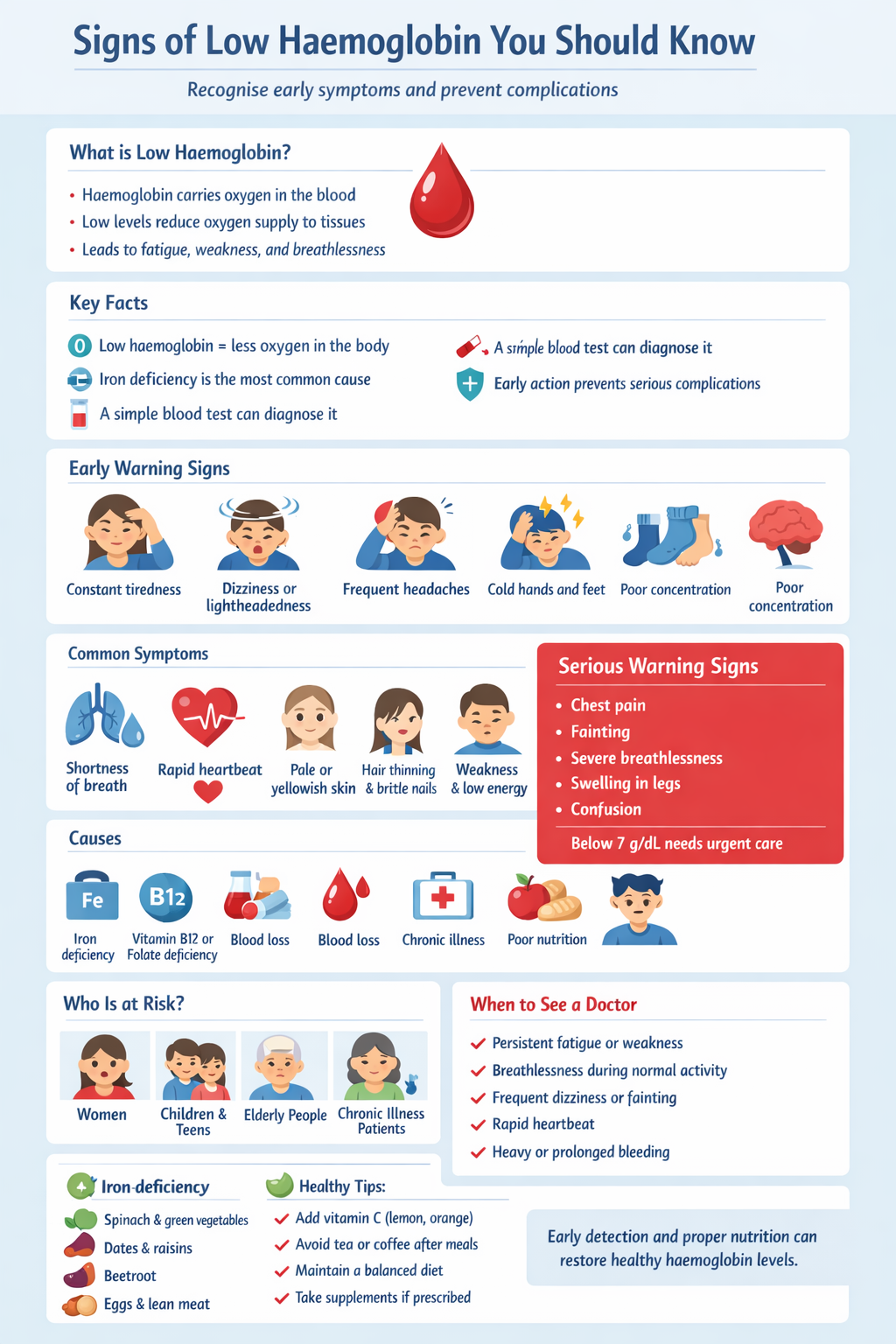
Anaemia is a condition characterised by insufficient haemoglobin levels. This results in reduced oxygen supply to the body's tissues. As a consequence, you may feel fatigued, short of breath, or weak. Recognising symptoms early and making changes to your nutrition can minimise or avoid serious health outcomes.
Key Takeaways
|
Feeling tired all the time, even after a full night’s sleep? Getting breathless after doing simple tasks? These could be more than just everyday fatigue.
Low haemoglobin, often linked to anaemia, is a common health issue that many people ignore until symptoms become serious. Haemoglobin is a protein in your red blood cells that carries oxygen throughout your body. When levels drop, your organs do not get enough oxygen to function properly.
Recognising the signs of low haemoglobin early can help you take action before it affects your overall health. Many people overlook low haemoglobin symptoms at first, assuming it is just stress or tiredness.
What is Haemoglobin and Why is it Important?
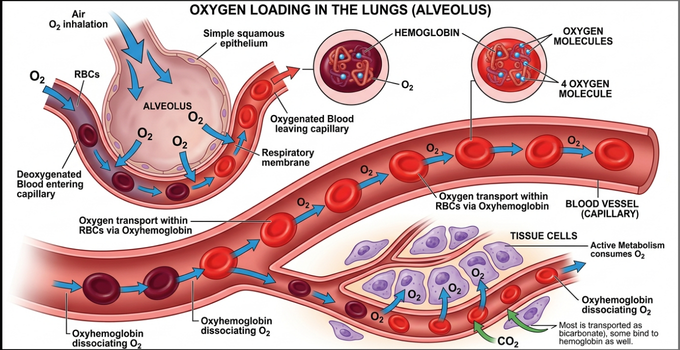
Haemoglobin plays a vital role in keeping your body active and healthy. It binds with oxygen in the lungs and delivers it to tissues and organs.
When you have low levels of haemoglobin, it can make it difficult to deliver enough O2, which can cause symptoms of fatigue as well as other haemoglobin deficiency symptoms of weakness and poor concentration.
Normal Haemoglobin Levels:
Group | Normal Range |
Men | 13.8 to 17.2 g/dL |
Women | 12.1 to 15.1 g/dL |
Children | 11 to 16 g/dL |
If your haemoglobin level is below these normal ranges, then you may have low haemoglobin or anaemia.
According to the World Health Organisation (2025), approximately 30% of women (aged between 15 and 49 years old) around the world have been diagnosed with anaemia, which makes it one of the most prevalent health problems due to decreased haemoglobin levels that exists today.
What are the Early Signs of Low Haemoglobin?
Early symptoms are often mild and easy to ignore, but they are your body’s first warning signals.
Common early signs include:
Constant tiredness or weakness
Feeling dizzy or lightheaded
Headaches that occur frequently
Cold hands and feet
Difficulty concentrating
These are considered early signs of low haemoglobin in adults and usually appear gradually. Many people miss these low haemoglobin symptoms.
Why Do You Feel Extremely Tired with Low Haemoglobin?
Fatigue is one of the most common symptoms of low haemoglobin.
When oxygen supply decreases:
Your muscles do not get enough energy
Your brain feels sluggish
Even small activities feel exhausting
You may notice:
Feeling drained after simple tasks
Lack of motivation
Needing frequent rest
This type of tiredness does not improve easily with sleep and is one of the key haemoglobin deficiency symptoms.
How Does Low Haemoglobin Affect Your Skin and Appearance?
Your skin can often reflect what's going on within your body. When haemoglobin levels are low, the skin often shows changes. One way to tell if your blood is carrying less oxygen is to check whether your skin is very pale or a little yellowish. If you look closely at your gums and inside of your eyelids, then you will notice that the colour is no longer a nice shade of pink; as a result, you may also notice dark areas of skin below the eyes, brittle fingernails and more hair loss than usual.
In women, low haemoglobin levels produce visible symptoms. Still, signs of low haemoglobin due to iron deficiency are most noticeable and are directly related to iron's association with skin health and appearance.
Can Shortness of Breath Be a Sign of Low Haemoglobin?
Shortness of breath is a common sign of low haemoglobin. If your haemoglobin drops low enough, then your body will have trouble getting enough oxygen to vital organs. To make up for the lack of oxygen, your lungs and heart will work hard to deliver it to vital organs. Therefore, while performing simple activities (such as walking up a flight of stairs), you may feel breathless. However, there are also instances where you may even have difficulty breathing just sitting still due to low haemoglobin. Breathlessness is certainly something that should be addressed, since it indicates that your body does not have an adequate supply of oxygen.
Why Does Low Haemoglobin Cause a Rapid Heartbeat?
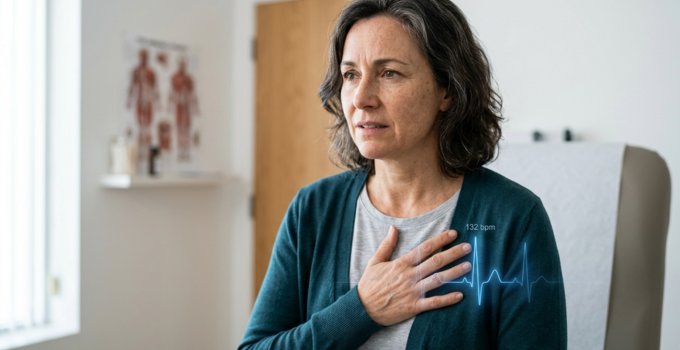
A low haemoglobin level requires the heart to work harder than it normally would. The low oxygen in your blood increases the heart's workload, leading to a rapid heartbeat (also known as palpitations). You may feel your heart is racing and pounding because of this increased pressure to push blood out of the heart. If left untreated, over time, this will lead to chest pain and could also produce long-term damage to the heart. The signs and symptoms of haemoglobin deficiency indicate that your body is functioning improperly due to stress and that you require medical attention.
What are the Serious Warning Signs of Severely Low Haemoglobin?
If not treated, an iron-deficient condition can worsen to a life-threatening level.
Some of the severe symptoms include:
Extreme weakness
Fainting or feeling faint
Severe breathlessness
Swelling in your legs
In severe cases, confusion and organ damage can occur due to oxygen deprivation.
This raises a concerning question: what is a critically low haemoglobin level?
Usually, anything lower than 7 g/dL is a critical haemoglobin level that requires immediate medical attention.
What Causes Low Haemoglobin Levels?
To treat low haemoglobin levels, you must first identify the potential underlying causes.
Commonly among these include:
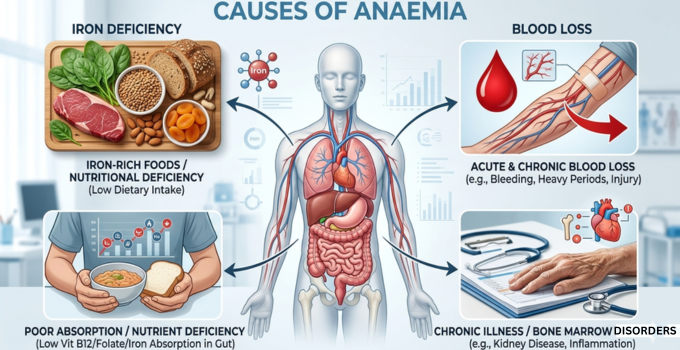
Iron Deficiency (the most common cause of anaemia)
Vitamin B12 Deficiency or Folate Deficiency
Chronic Illness
Blood Loss (heavy periods, trauma, ulcers)
Poor Nutrition
Who is at Higher Risk of Low Haemoglobin?
Certain populations are at increased risk of developing low haemoglobin levels.
At higher risk are:
Females (including menstrual periods and while pregnant)
Infants, toddlers, and adolescents
Those with inadequate dietary intake/poor nutritional status
Anyone suffering from a chronic illness
Elderly people
How is Low Haemoglobin Diagnosed?
Making a diagnosis is straightforward and typically involves performing a simple blood test.
The following are some of the tests that you may commonly undergo:
CBC (Complete Blood Count)
Iron level (serum or ferritin)
B12 and Folate levels
Results from the above tests may help you determine the condition and any potential causes, including low haemoglobin levels (e.g., deficient iron stores).
How Can You Improve Low Haemoglobin Levels Naturally?
Making changes to your meal plan and lifestyle may improve your haemoglobin levels. If you need treatment for low haemoglobin, you often will start with basic modifications to your diet and way of living before moving into more advanced treatment options such as medications.
In particular, focus on including iron-rich foods in your diet, such as:
Iron-Rich Foods:
Green leafy vegetables such as spinach
Dates and raisins
Beetroot
Meats (lean) and eggs
Strategies that will help you increase your haemoglobin include:
Using orange or lemon (vitamin C) with iron-rich foods to enhance iron absorption
Do not drink tea or coffee immediately after eating
Maintain a balanced diet
If needed, follow the doctor's prescribed vitamin and mineral supplements
The combination of proper nutrition and appropriate supplements is a comprehensive approach to treating low haemoglobin.
Frequently Asked Questions?
1. What happens when haemoglobin is low?
When haemoglobin is low, your body gets less oxygen, leading to fatigue, weakness, and other low haemoglobin symptoms.
2. Common signs of low haemoglobin in the body
Common signs of low haemoglobin include tiredness, pale skin, dizziness, shortness of breath, and headaches.
3. How do I know if my haemoglobin is low?
You may notice symptoms like fatigue and breathlessness, but a blood test is the only way to confirm low haemoglobin levels.
4. What are the warning signs of low haemoglobin?
Warning signs include extreme weakness, chest pain, fainting, and severe breathlessness, which may indicate serious anaemia.
5. How to increase haemoglobin levels naturally?
You can increase haemoglobin naturally by eating iron-rich foods, adding vitamin C, and maintaining a balanced diet.
6. How do I feel if my haemoglobin is low?
You may feel constantly tired, weak, dizzy, and short of breath even after minimal activity.
7. What is the rule of 3 for anaemia?
The rule of 3 means haemoglobin is roughly three times the red blood cell count, used as a quick check in blood reports.
8. How to increase haemoglobin fast?
Fast improvement may require iron supplements in addition to dietary changes, but a doctor should always guide it.
9. Is 11.6 haemoglobin normal for females?
A haemoglobin level of 11.6 g/dL is slightly low for females and may indicate mild anaemia.
10. What are the 5 weird signs of iron deficiency?
Unusual signs include craving non-food items, restless legs, brittle nails, tongue soreness, and hair thinning.
11. What are the 5 symptoms of anaemia?
Five common symptoms of anaemia are fatigue, pale skin, dizziness, shortness of breath, and rapid heartbeat.
What's Worth Remembering?
Low haemoglobin is more common than many people realise, but it often goes unnoticed until symptoms become severe. From constant tiredness to breathlessness and pale skin, your body gives several warning signs that should never be ignored.
Understanding these signs of low haemoglobin and recognising early symptoms can help you take the right steps. Whether it is improving your diet or starting proper low-haemoglobin treatment, early action can make a big difference in your health.
Read Also
References
National Heart, Lung, and Blood Institute (NHLBI). Anaemia - Symptoms. Available from: https://www.nhlbi.nih.gov/health/anemia/symptoms
National Heart, Lung, and Blood Institute (NHLBI). Anaemia - Diagnosis. Available from: https://www.nhlbi.nih.gov/health/anemia/diagnosis
MedlinePlus (U.S. National Library of Medicine). Anemia. Available from: https://medlineplus.gov/ency/article/000560.htm
Disclaimer: The content in this blog is for general informational purposes only and is not a substitute for professional medical advice, diagnosis, or treatment. Always consult your doctor or a registered dietitian before making any changes to your diet, especially if you have a medical condition or are taking prescribed medication. While the information is based on trusted sources, individual needs and results may vary. MrMed does not promote or endorse any specific food or treatment mentioned unless explicitly stated.













Comments